

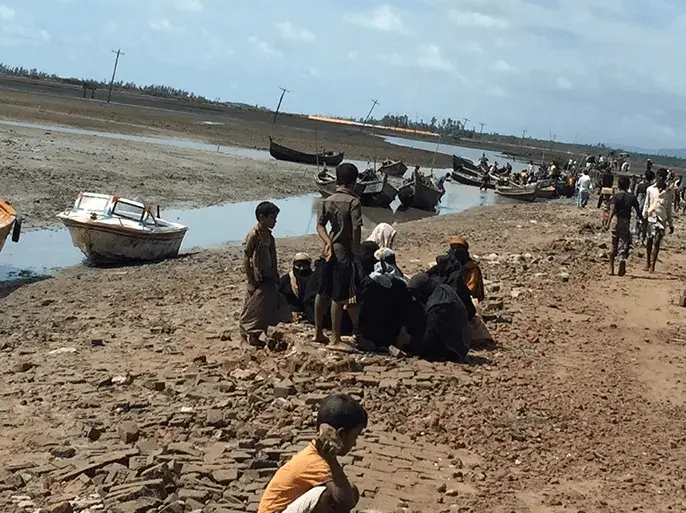
Wasl Interview with a Rohingya Refugee: What Lies Behind the Infiltration of 60,000 into Bangladesh, and How Rohingya Refugees Spend Ramadan?
As Ramadan arrives in Rohingya homelands and in the refugee camps in Bangladesh, I met Rohingya refugee Noor Alam to hear about the situation of the Rohingya during this blessed month.
Ramadan this year comes as the Rohingya have once again fled to Bangladesh amid worsening conditions in Myanmar. The main headline of the daily newspaper Shomokal read: 60,000 Rohingya infiltrate despite Bangladesh border guards' obstruction.
I spoke at length with the refugee Noor Alam to clarify the matter, learn the details of the story, and find out how the Rohingya are spending the current month of Ramadan under these conditions.
Mohammad Abdullah: Is the new news about the Rohingya infiltration accurate?
Noor Alam: The news of the Rohingya infiltration is accurate and true.
Mohammad Abdullah: Where are they now?
Noor Alam: They have taken to the roads or to the homes of their old relatives. There is no government arrangement for them.
Mohammad Abdullah: Are all those who infiltrated Muslims?
Noor Alam: No, not everyone is Muslim. But the majority are Muslims. The rest include about 50 Buddhists and about 25 Hindus.
Mohammad Abdullah: What is the reason for the arrival of the Hindus and Buddhists?
Noor Alam: They came out of fear after Muslim homes were burned, Muslims were tortured and an attempt was made to exterminate them, so they infiltrated into Bangladesh because they believed the situation was dangerous.
Mohammad Abdullah: How did they travel from Myanmar to Bangladesh?
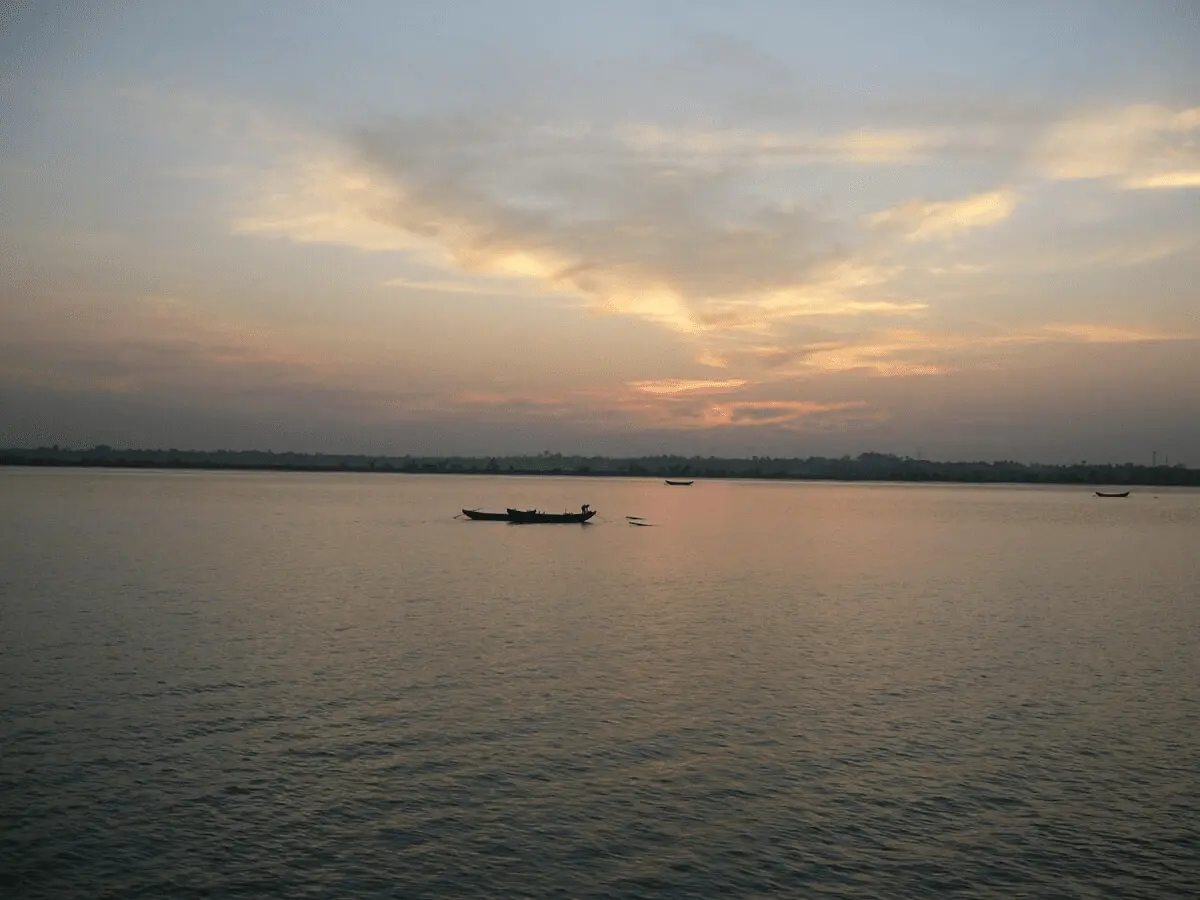
Noor Alam: The Rohingya came to Ukhiya and Teknaf in Bangladesh via the Naf River. A lot of money was paid to the boatmen. Many Rohingya do not have money. They came with wounds on their bodies.
Mohammad Abdullah: What about their sources of livelihood?
Noor Alam: No government allowances have been allocated to the arriving Rohingya so far, and their names have not yet been registered in government records.
Mohammad Abdullah: What allowances does the government give you during Ramadan?
Noor Alam: Five types of items are given, for example rice, lentils, oil, onions and garlic.
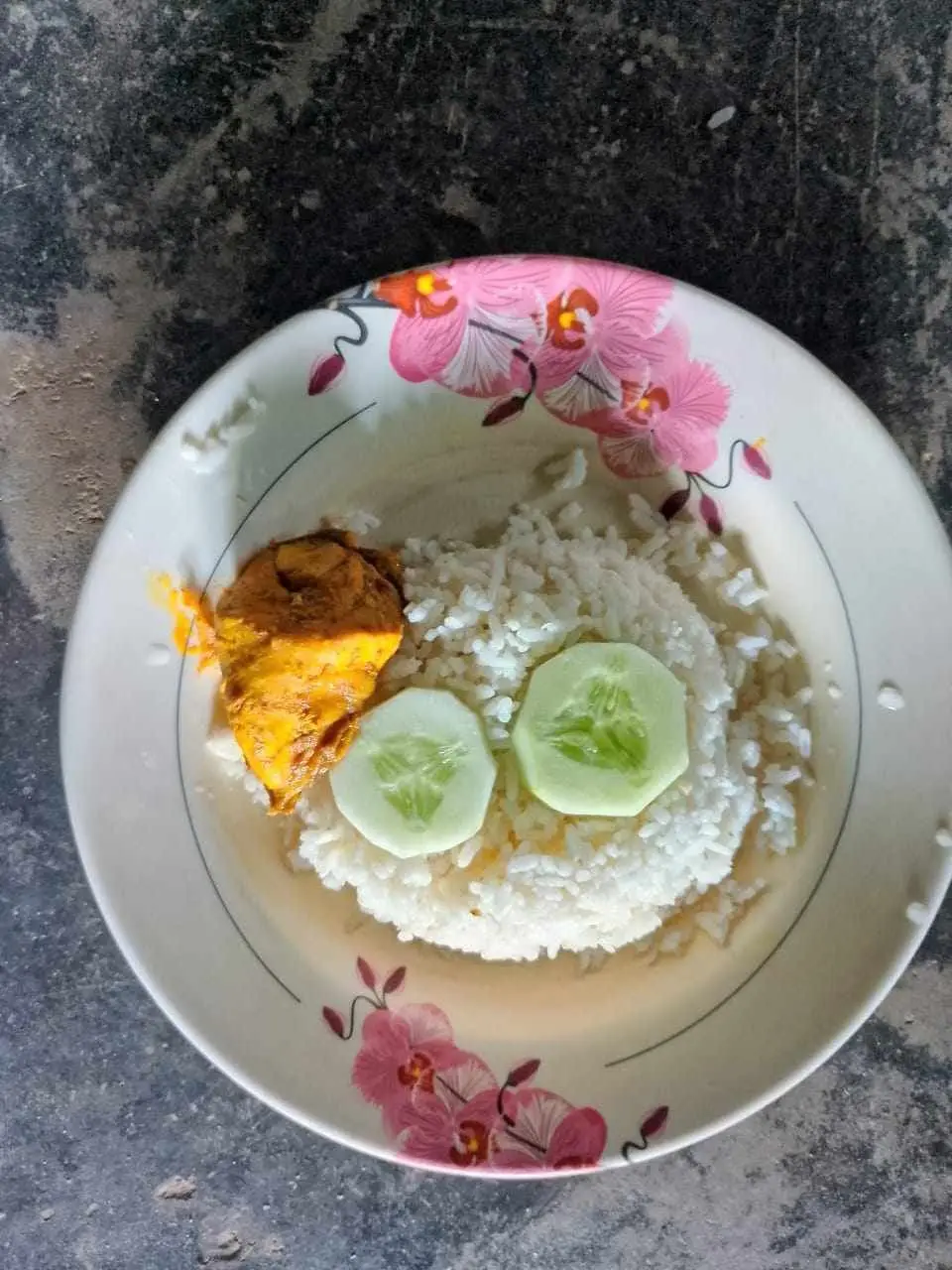
Mohammad Abdullah: Is the quality of food different during Ramadan?
Noor Alam: Like the other months, nothing is different, but they grow vegetables in empty fields. That is the positive side. Apart from this, they cannot earn money through work.
Mohammad Abdullah: How do they spend Ramadan?
Noor Alam: Families gather for iftar, then the men go to the Taraweeh prayers, and families gather again for suhoor. It is the custom of women to remain at home, where they take on the task of preparing food and looking after the needs of the family.
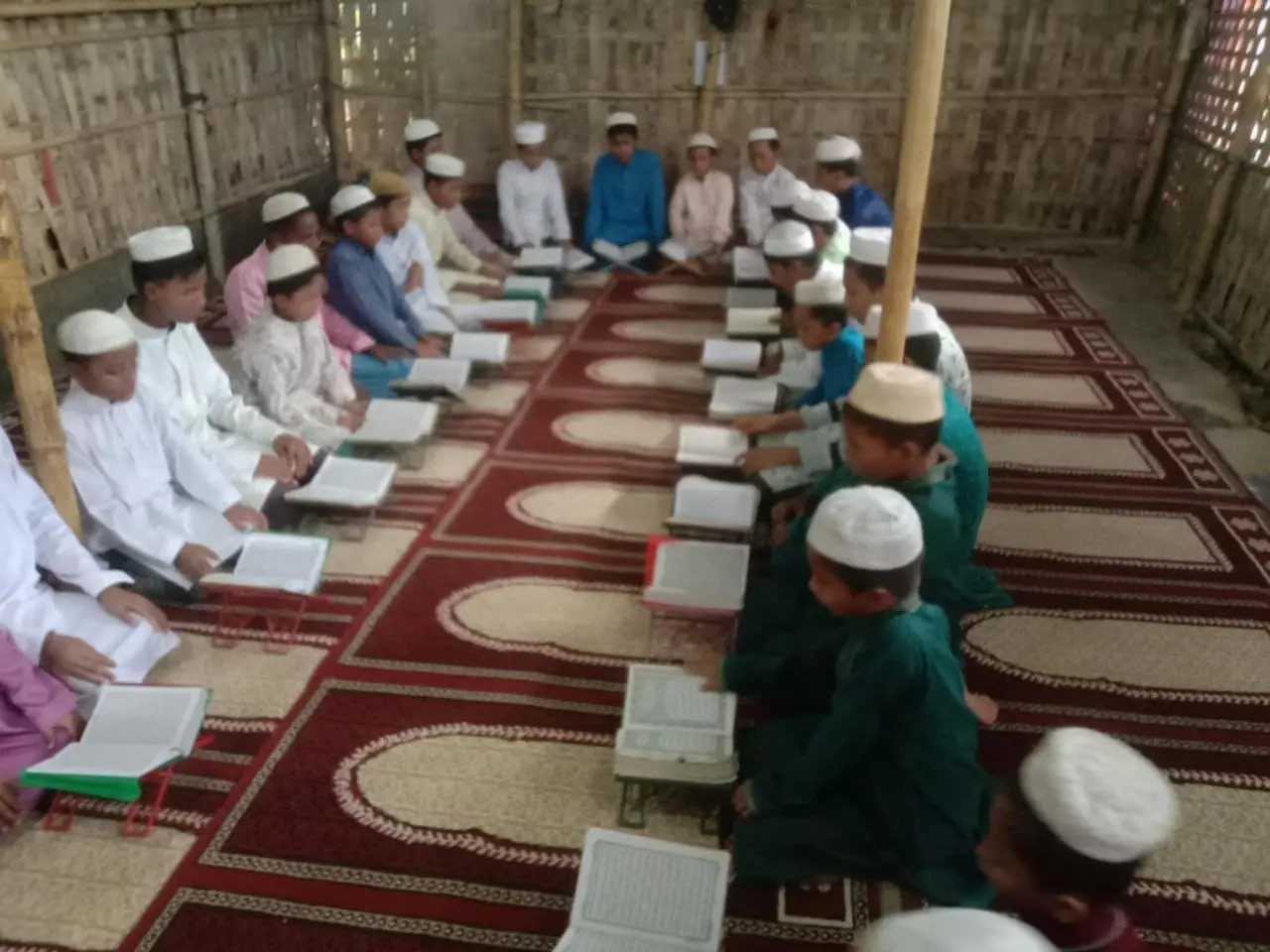
Mohammad Abdullah: I have seen many official schools, religious schools and orphanages for Rohingya children, praise be to God. But how are their older sons and daughters educated? I have not seen educational institutions for children of their age?!
Noor Alam: Most of the older boys do not study; they live unemployed. But the older girls receive education in the Quran, hadith and the essential teachings of religion. 50 to 60 girls study under the supervision of a female teacher.
Mohammad Abdullah: Are external aid donations from Muslims around the world reaching the Rohingya refugee camps?
Noor Alam: Unfortunately, very little arrives, as most people are preoccupied away from the Rohingya and their suffering, since the wounds of the Muslims are many. Nevertheless, I hope that Muslims will remember their brothers and sisters in these camps and extend a helping and charitable hand.
Mohammad Abdullah, Wasl correspondent in Bangladesh.


