

The war in Yemen is no longer confined to the struggle for power and control of Yemeni territory. It has become part of a regional confrontation in which Saudi security calculations, Iranian influence, the security of international shipping lanes and the interests of major powers intersect, while the suffering of millions of Yemenis deepens and prospects for a political settlement recede.
In its monthly assessment for November 2026, the independent organisation Security Council Report, which specialises in monitoring the work of the UN Security Council, highlighted the military developments in Yemen and the international disagreements over how to deal with the growing military capabilities of the Houthis, who are backed by Iran.
A reading of the report, together with the deliberations that preceded the Security Council's adoption of its new resolution on Yemen, reveals challenges that go beyond the renewal of sanctions to the question of the international community's capacity to contain the escalation and revive the political track.
The collapse of the truce and the return of open war
The truce mediated by the United Nations in 2022 was an important milestone in easing military confrontations in Yemen. However, it did not succeed in addressing the root causes of the conflict or in reaching a sustainable political settlement.
With hostilities renewed during the summer of 2026, in parallel with the regional war linked to Iran, Yemen entered a new phase of confrontation between the Houthis and Yemeni government forces backed by Saudi Arabia.
The balance of control on the ground shifted in the following months, after the Houthis made gains on the western coast, while the Saudi-led coalition carried out military operations in an attempt to contain their advance.
According to the assessment of Security Council Report, the renewal of the war and the widening of its regional scope have placed the Security Council before a reality different from previous years, when international attention was largely focused on preserving calm and preventing the collapse of the negotiating track.
Bab al-Mandab: when the war exceeds Yemen's borders
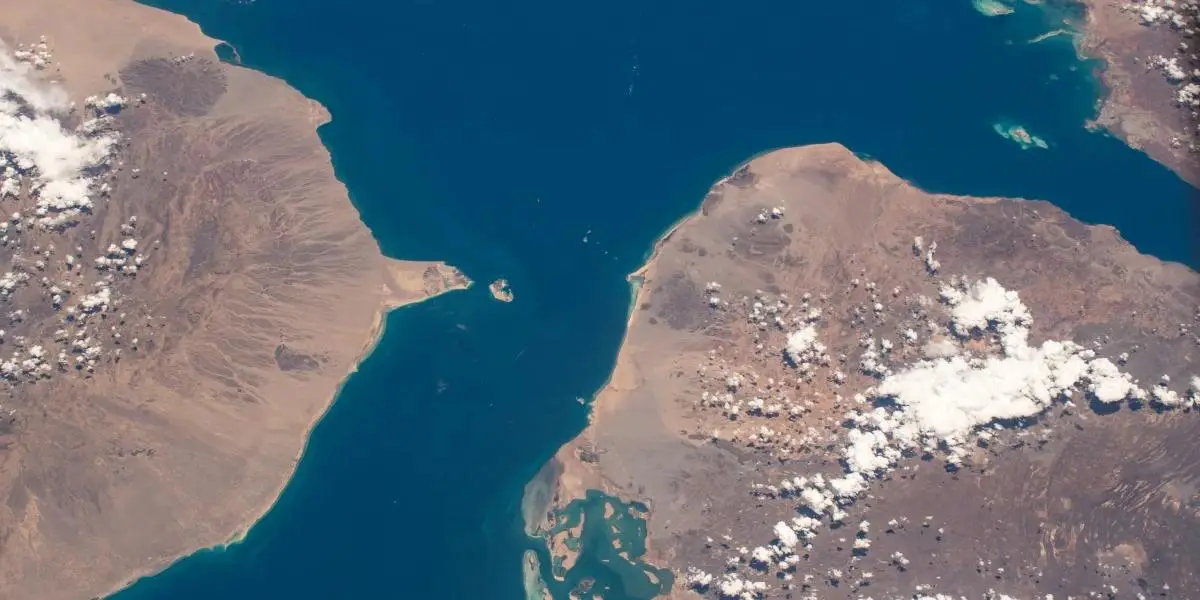
The strategic importance of the Yemeni conflict stems from the country's location overlooking the Gulf of Aden, the Red Sea and the Bab al-Mandab Strait, which connects the Indian Ocean with one of the most important maritime routes leading to the Suez Canal and the Mediterranean.
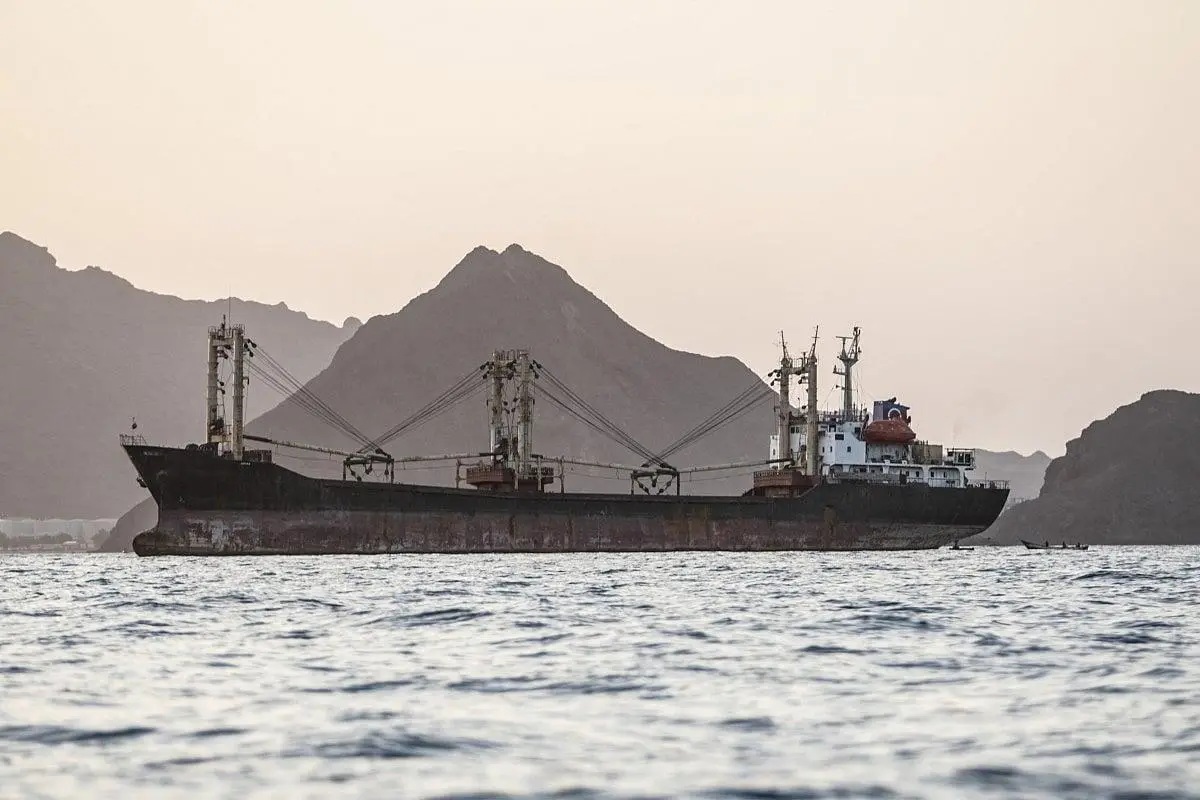
The escalation has heightened international concern about freedom of navigation, particularly with the Houthis' announcement of a naval blockade on ships linked to Saudi Arabia, and the continuing threats to commercial shipping.
An assessment published by the organisation in November found that the transit of ships through Bab al-Mandab remained about a quarter below its levels before the naval blockade, although the UK Maritime Trade Operations had not recorded a confirmed attack on ships in the Red Sea since 24 August, up to the date of its report issued on 6 November.
These findings show that maritime threats can have economic repercussions even in the absence of direct attacks, as security risks affect the decisions of shipping and insurance companies and the routes of international trade.
However, reducing the Yemeni crisis to maritime security alone remains a limited approach, as lasting stability in the Red Sea cannot be achieved in isolation from addressing the conflict within Yemen itself.
The Security Council: consensus on condemnation, disagreement over tools of response
On 15 October 2026, the Security Council issued a presidential statement condemning the Houthis' escalation within Yemen, their attacks on Saudi Arabia and their threats to commercial shipping.
It also called for enhanced international cooperation to prevent weapons from reaching the group in violation of UN sanctions, and reaffirmed its support for the efforts of UN Envoy Hans Grundberg to achieve a comprehensive political settlement led by Yemenis.
However, agreement on these principles did not end the differences among the major powers over the nature of the measures required.
While the United States, the United Kingdom and France push for tighter monitoring and sanctions to limit the Houthis' military capabilities, Russia and China have expressed reservations about some proposals concerning the expansion of UN measures.
Washington views part of the Yemeni escalation within the framework of its regional confrontation with Iran, while Beijing rejects accusations that it is lax in monitoring exports of dual-use materials, affirming its commitment to export controls.
These disagreements reflect a broader divergence among the major powers in their view of the causes of the conflict and how to contain it, and of the limits of using international sanctions to address armed crises.
Resolution 2837: what has changed in the sanctions regime?
On 12 November 2026, the Security Council unanimously adopted resolution 2837, following several rounds of negotiations over the final text, which was submitted by the United Kingdom.
The resolution included a number of measures, most notably:
- Extending the financial sanctions and travel restrictions imposed under the Yemen sanctions regime until 14 November 2027.
- Extending the mandate of the Panel of Experts on Yemen until 15 December 2027.
- Reaffirming the need to halt the Houthis' military escalation within Yemen, their attacks on Saudi Arabia and their threats to commercial shipping.
- Continuing efforts to limit the Houthis' access to materials that contribute to strengthening their military capabilities.
- Monitoring sources of revenue that could be diverted to finance military and security activities, while taking into account the protection of legitimate commercial, civilian and humanitarian activities.
This comes against the backdrop of the continued targeted arms embargo, established under resolution 2216 issued in April 2015, which has no specified time limit.
The unanimous adoption of the resolution represents a significant shift compared with the vote of November 2025, when two countries abstained from voting on the previous sanctions renewal resolution.
However, unanimity on the final text does not necessarily mean that disagreements over how it will be implemented, or over expanding measures in the future, have ended.
The new sanctions: the dilemma of effectiveness and implementation
The deliberations within the Security Council raise a question that goes beyond the content of UN resolutions to their effectiveness on the ground.
More than a decade after the sanctions related to Yemen were adopted, the Houthis' military capabilities remain a source of regional and international concern, which has led a number of Council members to call for a review of monitoring and implementation mechanisms.
Moreover, on 24 November of this month, the United Kingdom took unilateral measures to list the Houthi group under the British Yemen sanctions regime and to impose sanctions on four prominent figures linked to it, on the grounds of alleged involvement in serious human rights violations.
These developments point to a trend toward combining UN measures with national sanctions, but their actual impact will remain tied to the extent of international cooperation and the ability of the parties concerned to implement them.
It is also essential that economic monitoring measures do not harm the flow of food, medicine, fuel and humanitarian aid to the population, particularly in a country that depends heavily on imports to meet its basic needs.
Taiz: the humanitarian face of the military escalation
Alongside growing international attention to maritime navigation and sanctions, the humanitarian crisis inside Yemen is deepening, particularly in Taiz Governorate.
The monthly report noted that more than 800,000 people have been cut off from access to humanitarian aid following the Houthis' tightening of the siege of the city during October.
On 20 October, UN High Commissioner for Human Rights Volker Türk warned of the grave consequences of closing the supply route linking Taiz and Aden, calling for the immediate entry of humanitarian aid.
Concerns are also mounting over the continued detention by the Houthis of UN staff, humanitarian organisations' personnel and diplomatic mission staff, and the resulting obstruction of relief operations in areas in need.
This crisis reveals a gap between international attention to the economic and security repercussions of the war beyond Yemen's borders, and the urgent need to protect the civilians who bear its direct impact.
Continued international trade is no substitute for ensuring that food and medicine reach civilians, and the security of ships cannot be a substitute for the security of the Yemeni people.
Aden and the challenges facing the Yemeni government
In developments following the publication of the monthly report, Reuters reported on 24 November that the Yemeni army is working to strengthen its defences of the city of Aden in the face of the Houthis' advance.
A Yemeni military official acknowledged setbacks on the ground, while affirming at the same time the ability of government forces to defend the city.
These developments carry political significance beyond their military dimension, as Aden is the seat of the internationally recognised Yemeni government and one of the country's most prominent economic and administrative centres.
The current phase poses challenges for the Yemeni government, including strengthening the cohesion of its institutions, addressing internal divisions, and maintaining its ability to provide services to the population during the war.
It also reopens the question of dependence on external support, and the extent of its capacity to build national institutions able to run the country sustainably.
Can the Yemeni war be separated from the confrontation with Iran?
One of the most prominent dimensions of the current crisis is its link to the wider regional conflict.
Iran is a principal backer of the Houthis, while Saudi Arabia is the main supporter of Yemeni government forces, which makes shifts in regional relations a factor influencing the course of the war.
However, describing the Yemeni conflict as merely a proxy war is not sufficient to understand its complexities, as the Houthis and other Yemeni political and military forces have their own local interests alongside their external relations.
Accordingly, while any regional settlement may help ease the intensity of the war, it alone does not guarantee addressing the disputes over power, weapons, resources and the future of Yemen's state institutions.
This dilemma is evident in the Security Council's continued insistence that the political settlement must be comprehensive and Yemeni-led, even as battlefield developments remain tied to the positions of regional and international actors.
Strategic questions about the future of the war
The current developments raise a set of questions that go beyond the content of UN resolutions:
- Can the new sanctions achieve tangible results, given that previous measures proved limited in their ability to contain the escalation?
- To what extent will disagreements among the major powers affect the implementation of resolutions concerning Yemen?
- Can the Yemeni political track be revived without settling the regional confrontation with Iran?
- How capable is the Yemeni government of overcoming its divisions and strengthening its national institutions?
- Does the United Nations have sufficient tools to ensure the delivery of humanitarian aid and the protection of civilians?
- Can a Red Sea security strategy be built that places Yemen's stability and sovereignty at the heart of its objectives, rather than merely protecting international trade flows?
Conclusion
The latest reports of Security Council Report reveal a shift in the nature of international attention to Yemen, with growing focus on the military capabilities of the Houthis, maritime security and the development of the UN sanctions framework.
However, these measures, however broad their scope, do not on their own offer a solution to the political and humanitarian crisis that Yemen has been living through for years.
The Yemeni war is not merely a crisis threatening ships crossing the Red Sea. It is the tragedy of a state whose institutions have been torn apart and whose economic and social structures have been damaged, and in which millions of its people face displacement, poverty, hunger and insecurity.
The true test of the effectiveness of international efforts is their ability to move beyond managing the war's repercussions to addressing its causes, protecting civilians, restoring state institutions, and creating the conditions for a political settlement that preserves Yemen's sovereignty and the interests of its people.
The security of the Red Sea and the stability of Yemen are interlinked issues, and sustainable maritime security cannot be built on land suffering from continued war, division and humanitarian collapse.
References
- Security Council Report – Monthly Forecast on Yemen, November 2026.
- Security Council Report – Negotiations on Renewing the Yemen Sanctions Regime, 12 November 2026.
- United Nations – Security Council Resolution 2837 Adopted on 12 November 2026.
- Security Council Report – Briefing on the Situation in the Gulf Region.
- UK Government – Explanation of Vote on the Sanctions Renewal Resolution.
- Reuters – Britain Imposes New Sanctions on the Houthis, 24 November 2026.
- Reuters – Yemeni Government Forces Affirm Readiness to Defend Aden, 24 November 2026.


