

Uttar Pradesh: Passports and Licences Liable to Cancellation as Meerut Police Warn Muslims
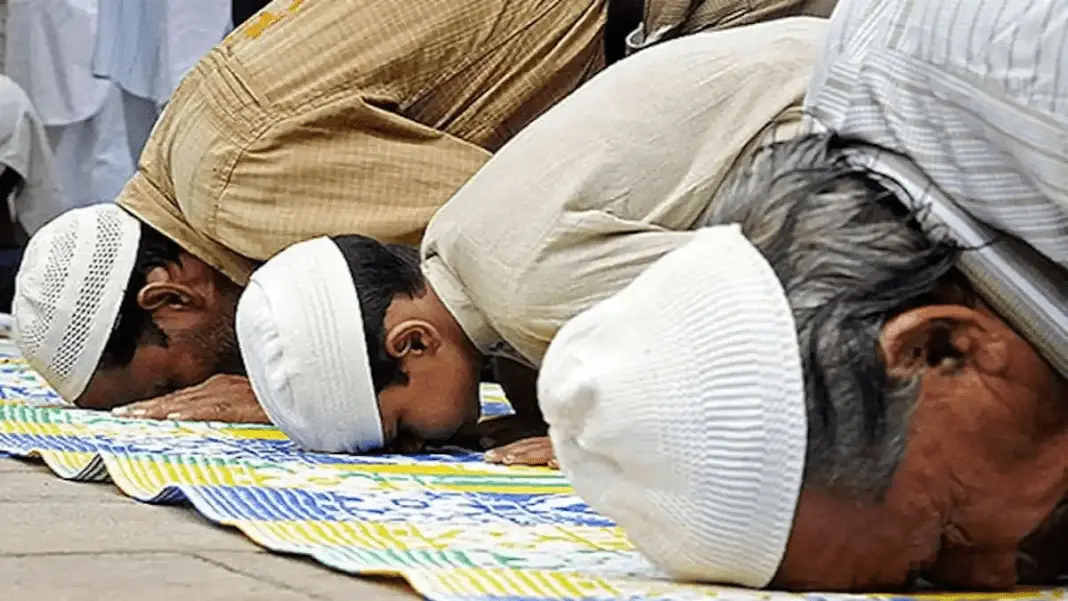
In the city of Meerut in Uttar Pradesh, police have imposed strict restrictions on offering Eid al-Fitr prayers in the streets, warning that those who violate the rules will face legal action. Authorities confirmed that those who break the law may face criminal charges and may have their passports cancelled.
The move comes ahead of Eid al-Fitr, which is expected to be celebrated on 31 March or 1 April. Meerut Senior Superintendent of Police Ayush Vikram Singh urged the Muslim community to celebrate the festival peacefully and avoid offering prayers on roads. He recommended that worshippers either pray in their local mosques or attend the Eid prayers at the Eidgah at the designated time.
Singh also made clear that the police will not tolerate prayers on the streets under any circumstances, and that strict measures will be taken against violators. He said that those caught praying on the roads may face the confiscation of their passports, the cancellation of their licences, and difficulties in obtaining a "No Objection Certificate" (NOC) to apply for a passport or licence in the future.
To ensure compliance, the authorities plan to monitor the situation using surveillance cameras, drones and local intelligence.
The decision has sparked wide controversy, with many questioning the motives behind these strict measures. The president of the Rashtriya Lok Dal (RLD) party and Union minister condemned the measures, describing them as "1984 police style of George Orwell!" The city's Inspector General of Police, Vebin Tada, also warned that anyone who spreads rumours or incites discord on social media will face severe consequences.
He stressed that the authorities are closely monitoring social media platforms and will take firm action against anyone who attempts to disturb communal harmony. In addition, special security arrangements have been put in place in sensitive areas that have witnessed tensions in the past.
Last year, more than 200 people were registered on charges of praying in the streets during Eid al-Fitr. This year, the police are taking additional precautionary measures to prevent such incidents. Similarly, in Sambhal, one of the districts of Uttar Pradesh, local authorities issued instructions prohibiting congregational prayers on rooftops and in residential streets.
The Sambhal Police Chief, Krishan Kumar Bishnoi, reiterated that prayers will not be allowed on the roads, and that congregational prayers in homes have also been banned. However, residents were encouraged to offer their prayers in their homes, provided that no undesirable incidents occur.
The actions taken by the police have drawn sharp criticism from some political figures and social activists. Azad Samaj Party Member of Parliament Chandra Shekhar Azad accused the police of making provocative statements against Muslims to gain media attention. He pointed out that the police do not have the authority to cancel passports, and suggested that Muslims in Uttar Pradesh will soon require permission even for the simplest things, including breathing.
Azad also criticised previous measures taken by the authorities, such as sending survey teams to mosques, saying that Muslims are not asking for symbolic gifts but are demanding the rights granted to them by the system. He stressed that prayer takes no more than ten minutes, and that people should be allowed to pray without facing unjustified restrictions.
The debate over these restrictions reflects a deeper conversation about freedom of religion and the role of the state in regulating public space during religious occasions. While the authorities maintain that these measures are necessary to preserve order and prevent disturbances, many feel they amount to an infringement on individuals' fundamental right to practise their religion freely.
Mirror of the Muslim+ and news agencies.


