

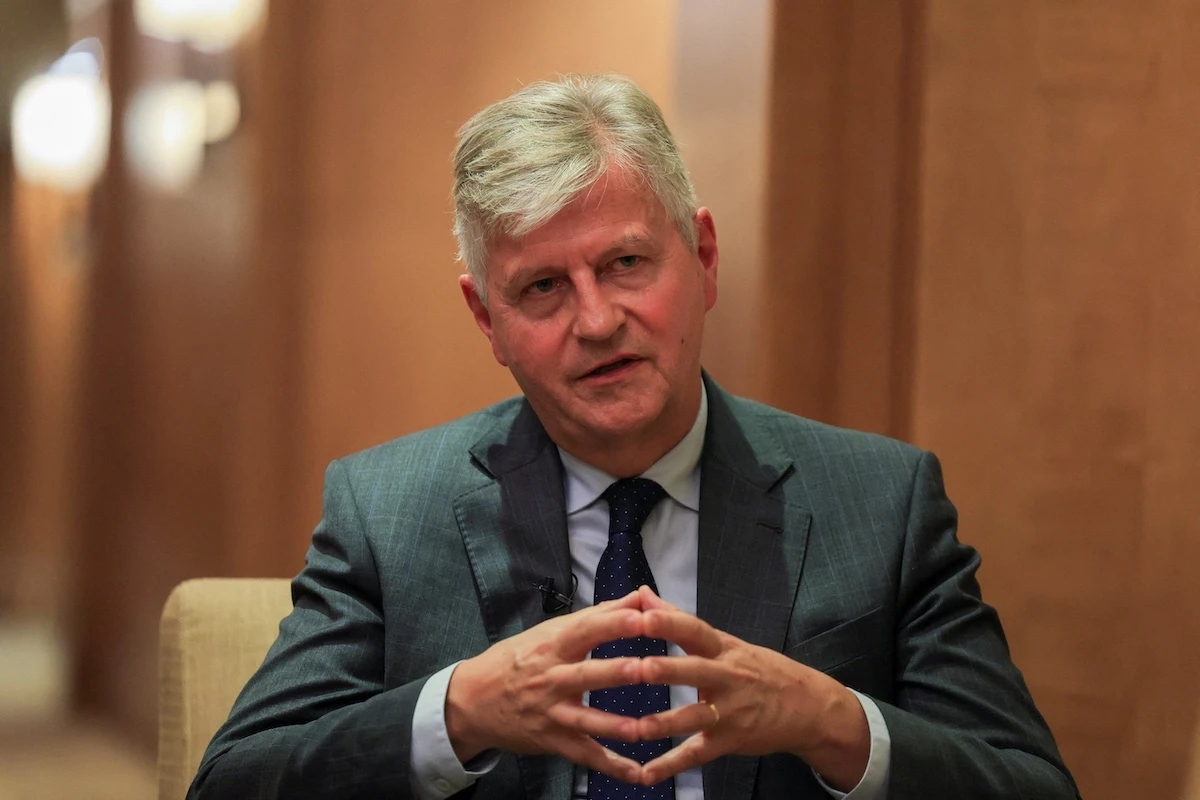
UN Under-Secretary-General for Peace Operations Jean-Pierre Lacroix warned on Wednesday, 4 November 2026, of the possibility of a dangerous security vacuum emerging in south Lebanon as the mandate of the United Nations Interim Force in Lebanon (UNIFIL), scheduled to end on 31 December, approaches, amid continued tensions between the Israeli army and the Lebanese forces.
Speaking at UN headquarters in New York, Lacroix said that Lebanese officials had expressed serious concerns during his recent visit to the country about the absence of a third party to monitor developments on the border and prevent escalating tensions between the two sides.
The UN official asked whether the Lebanese army and the Israeli forces could be left in direct confrontation without an intermediary international presence, stressing the importance of the mechanisms UNIFIL provides to prevent escalation and facilitate the passage of humanitarian convoys.
He explained that the Security Council has not yet settled the arrangements that could replace the international force after its mission ends, calling for alternatives that would ensure the continuation of monitoring, coordination and the prevention of border incidents.
The Security Council had adopted Resolution 2790 of 2025, which provides for ending UNIFIL operations on 31 December 2026 and beginning a gradual and orderly withdrawal of its forces within one year of that date.
The UN warning comes as Israeli strikes continue in south Lebanon. The Associated Press reported that one person was killed and another injured in an Israeli drone strike that targeted two people whom Israel said it suspected of conducting surveillance activities.
These developments raise concerns about the erosion of mechanisms monitoring the cessation of hostilities on the border, at a time when some southern areas still face the consequences of military operations, displacement and destruction.
UNIFIL, which has operated in south Lebanon since 1978, plays a role in monitoring field developments and coordinating between the parties, and in supporting the implementation of UN Security Council Resolution 1701, which constitutes one of the main frameworks for security arrangements on the Lebanese-Israeli border.


