

This report is translated from "Rohingya Photographic Society", a media and documentation platform run by Rohingya people, dedicated to documenting the reality and suffering of refugees through field reports, photographs and documentary films.
Introduction
Bhasan Char is an island in the Bay of Bengal, part of Noakhali district in Bangladesh. Since 1441 AH (2020 CE), the Bangladeshi government has relocated thousands of Rohingya refugees to the island.
Many of the island's residents continue to face major challenges in their daily lives, particularly the lack of income-earning opportunities and rising food prices. These difficulties affect households' financial situation, their food security and the overall wellbeing of the Rohingya community.
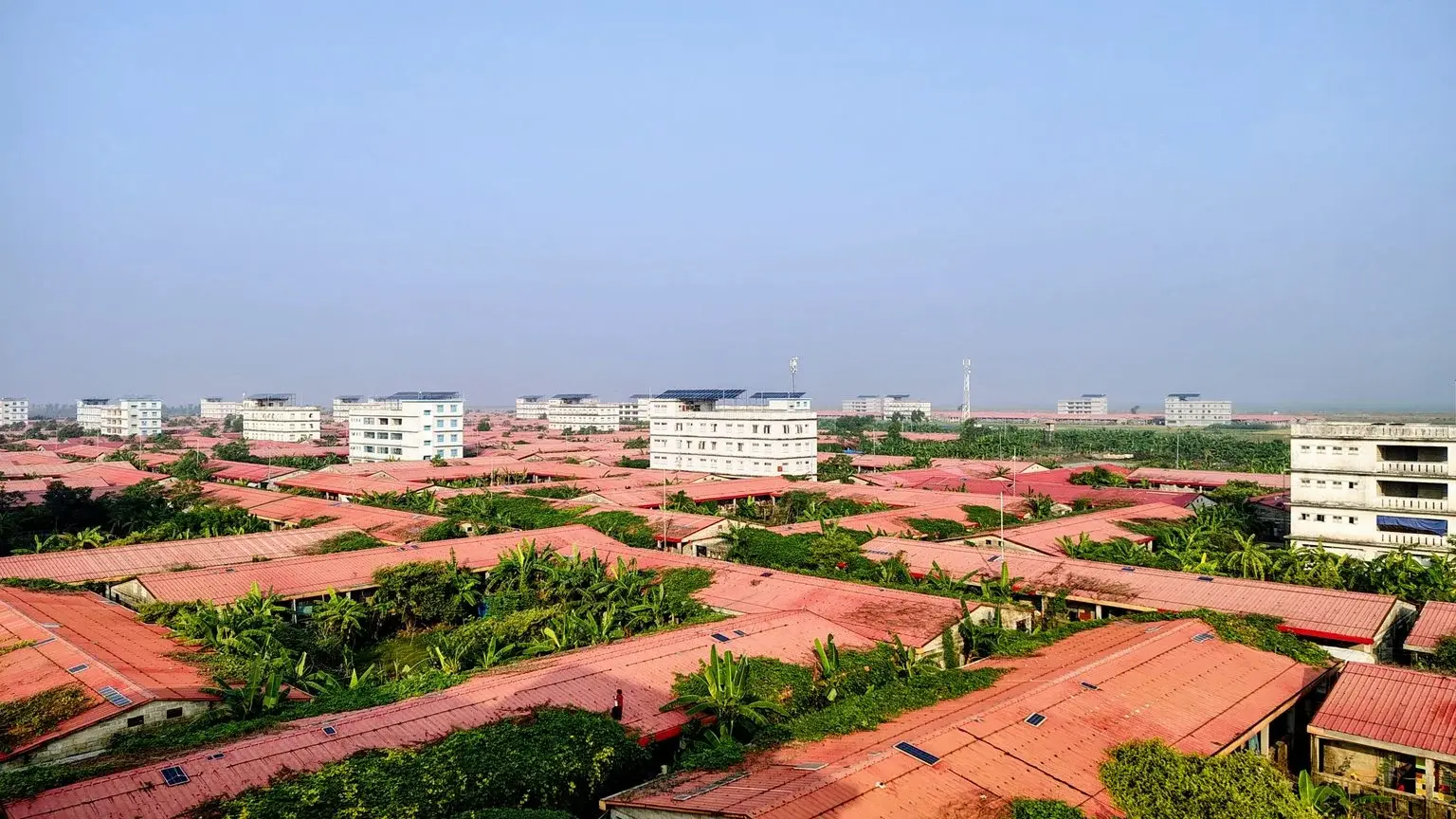
A view of the Bhasan Char camp.
Lack of Income-Earning Opportunities
The absence of reliable sources of income is one of the most prominent challenges facing Rohingya refugees on Bhasan Char. Many households depend on humanitarian aid to meet their basic needs, given the limited access to regular income. In the absence of sustainable livelihoods, families often struggle to cover their daily expenses and support their members.
Some educated Rohingya residents of the island have been able to find jobs with humanitarian agencies and other organisations working on the island. However, these opportunities are limited and not available to the community as a whole. Many residents, including young people, are still unable to find suitable work, despite their desire to contribute to supporting their families and serving their community.
The lack of job opportunities also prevents residents from developing their skills, gaining professional experience and achieving greater financial independence. As a result, many households continue to suffer from economic instability and financial hardship.
Agricultural Challenges on Bhasan Char
To address this situation, there is a need for more livelihood support programmes, vocational training, skills development initiatives and income-generating activities. Providing safe and suitable employment opportunities for residents would help households improve their living conditions, strengthen their financial independence and contribute positively to their community.
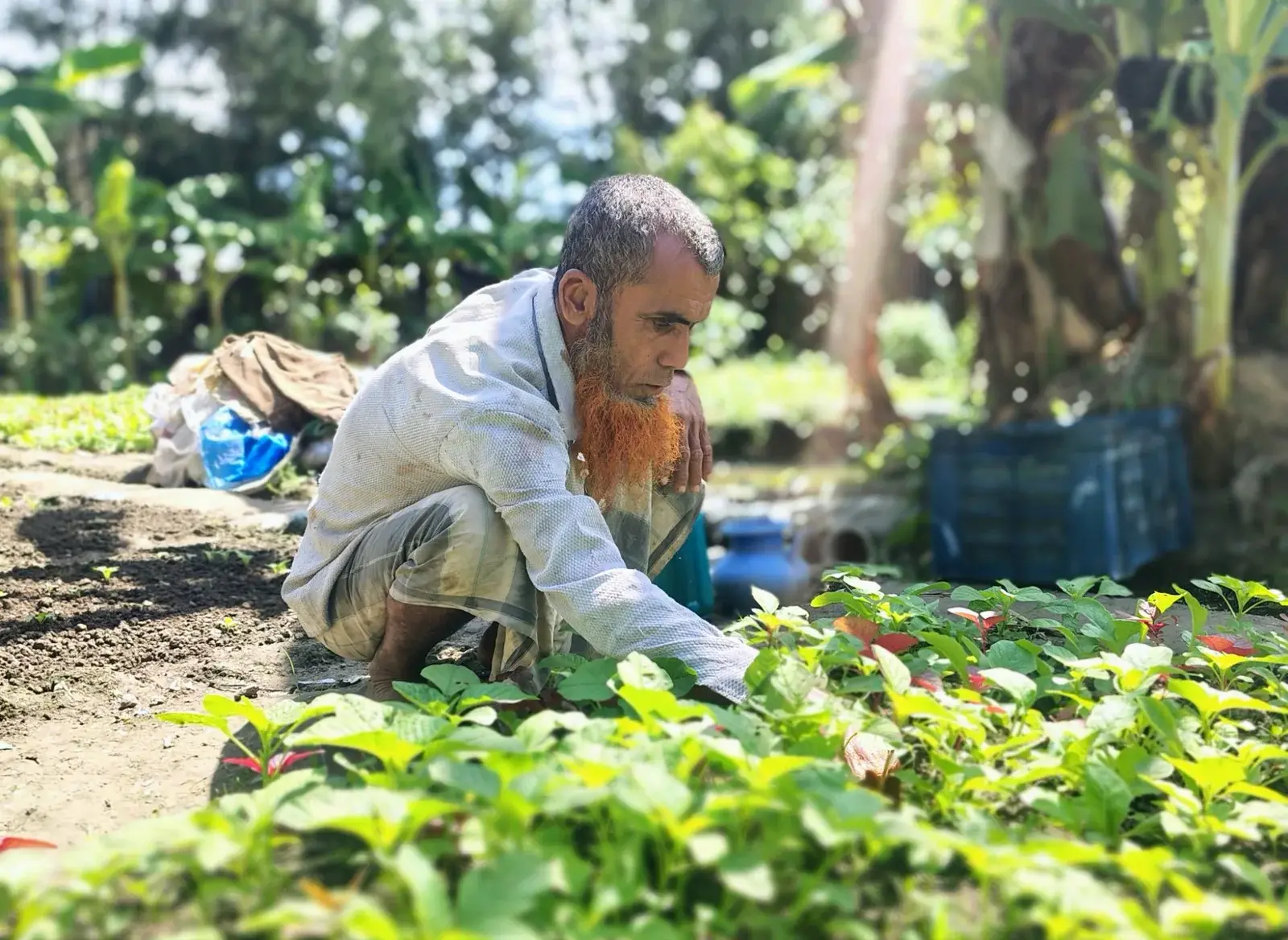
A number of Rohingya residents of Bhasan Char practise farming on a limited scale to support their families and meet their daily needs. They make considerable efforts to grow vegetables and other crops, despite the difficult environmental conditions.
However, soil salinity can make farming difficult, as it affects plant growth, reduces crop productivity and limits the types of vegetables that can be grown successfully. As a result, these farmers often struggle to produce enough crops to support their families.
Providing salt-tolerant seeds, appropriate agricultural techniques, agricultural training and expert guidance would help them overcome these challenges and improve their livelihoods and food security.
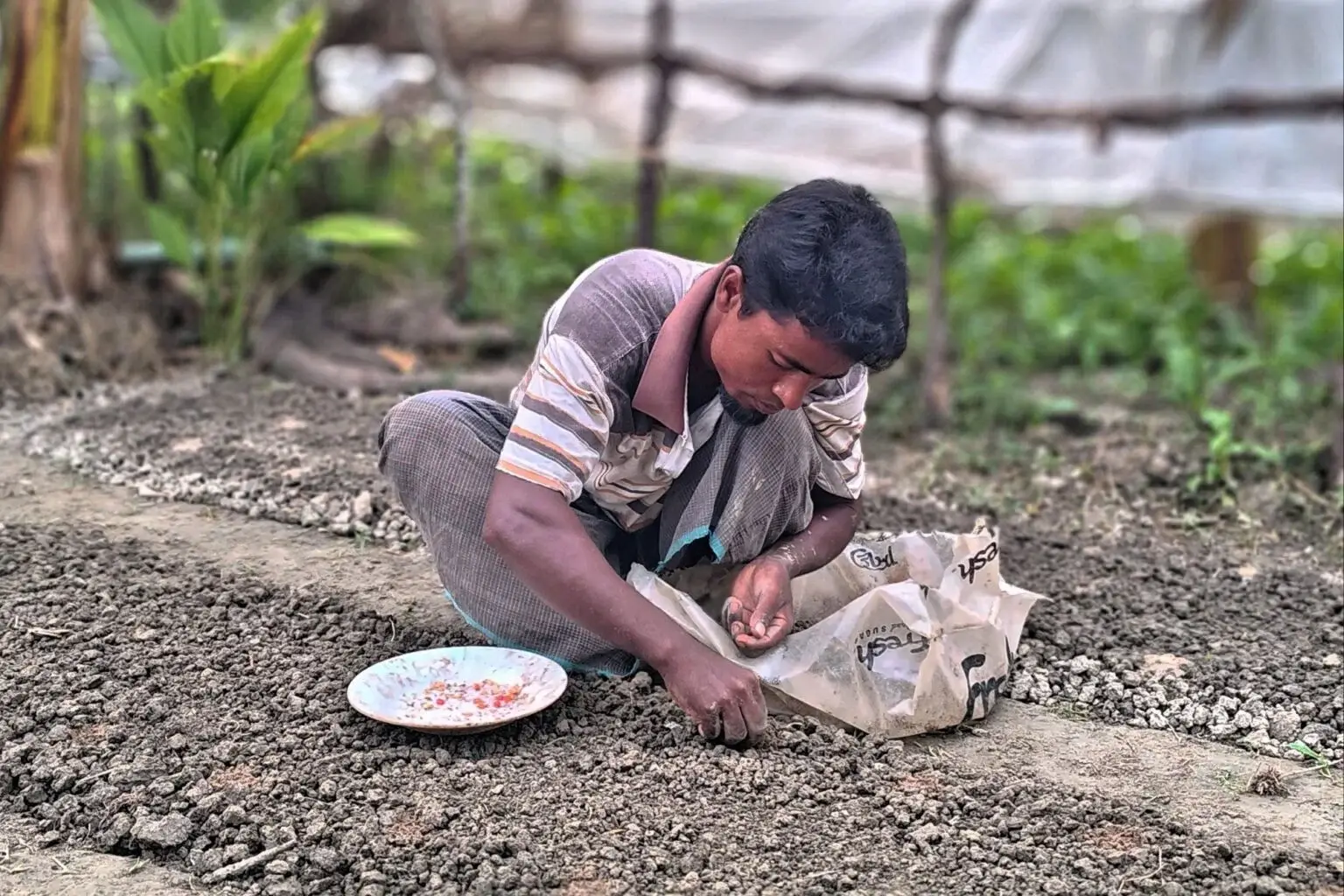
Nur Hafez, 30, a Rohingya worker sowing seeds on Bhasan Char.
Rising Food and Vegetable Prices
Rising food and vegetable prices are another major concern for Rohingya refugees living on Bhasan Char. Many households have little or no regular income, making it difficult for them to buy more food and other essential goods when humanitarian aid does not fully meet their needs.
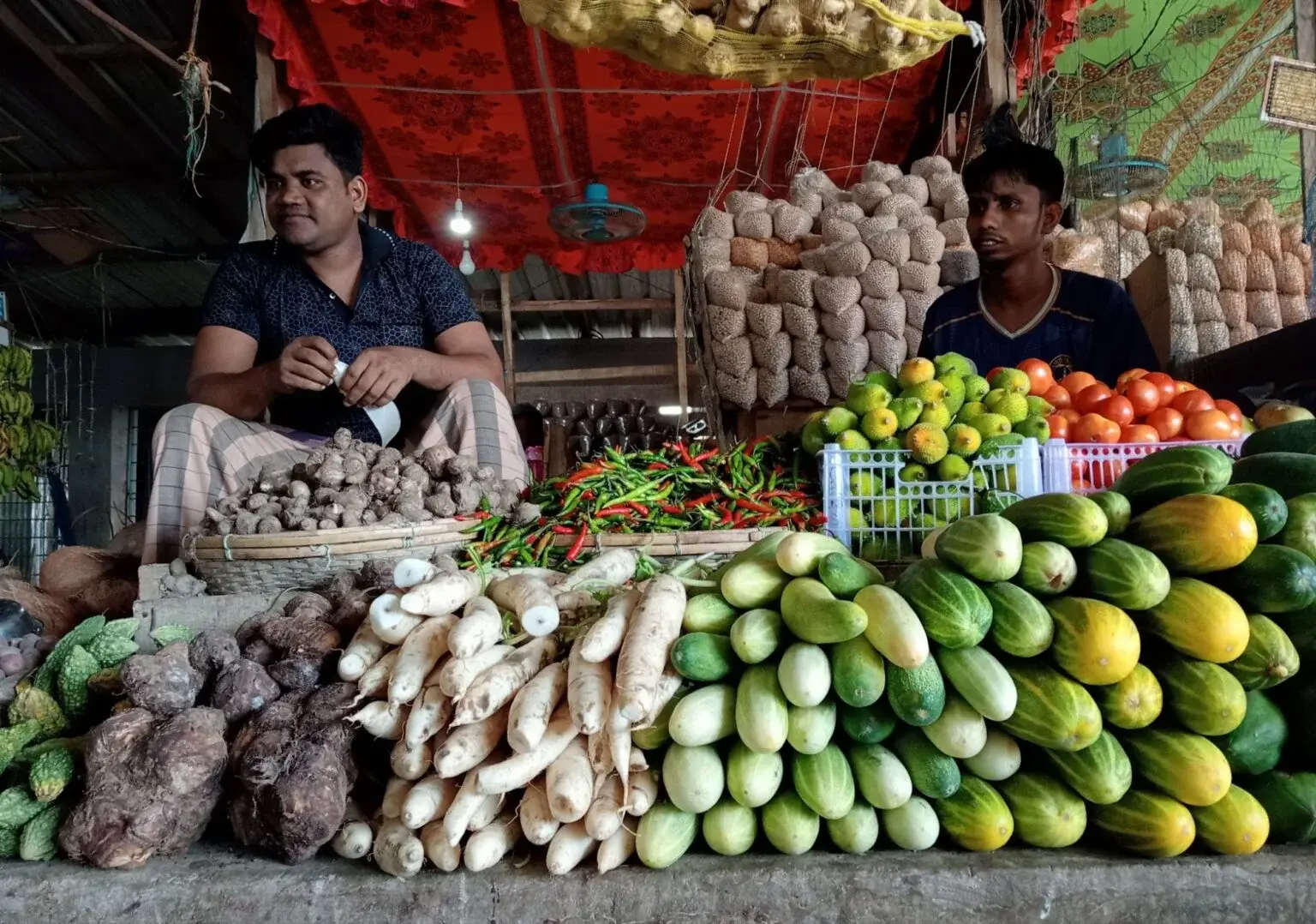
Rohingya youths selling vegetables, earning 1,000 to cover their daily living expenses.
Rising food and vegetable prices place considerable pressure on household budgets. When food costs rise while purchasing power remains low, families may find it difficult to maintain a balanced and nutritious diet. Some households may be forced to reduce the quantity or variety of food they eat in order to adapt to their limited resources. This situation can exacerbate food insecurity and nutritional problems, particularly among children, older persons, persons with disabilities and other vulnerable groups.
Although humanitarian aid contributes to meeting some basic needs, households may still face financial difficulties when buying fresh vegetables, fruit, fish, meat, eggs and other nutritious foods. The limited livelihood opportunities and the absence of regular income also make it harder for many households to afford these essential items. As a result, rising prices together with limited financial resources can deepen the suffering of Rohingya families.
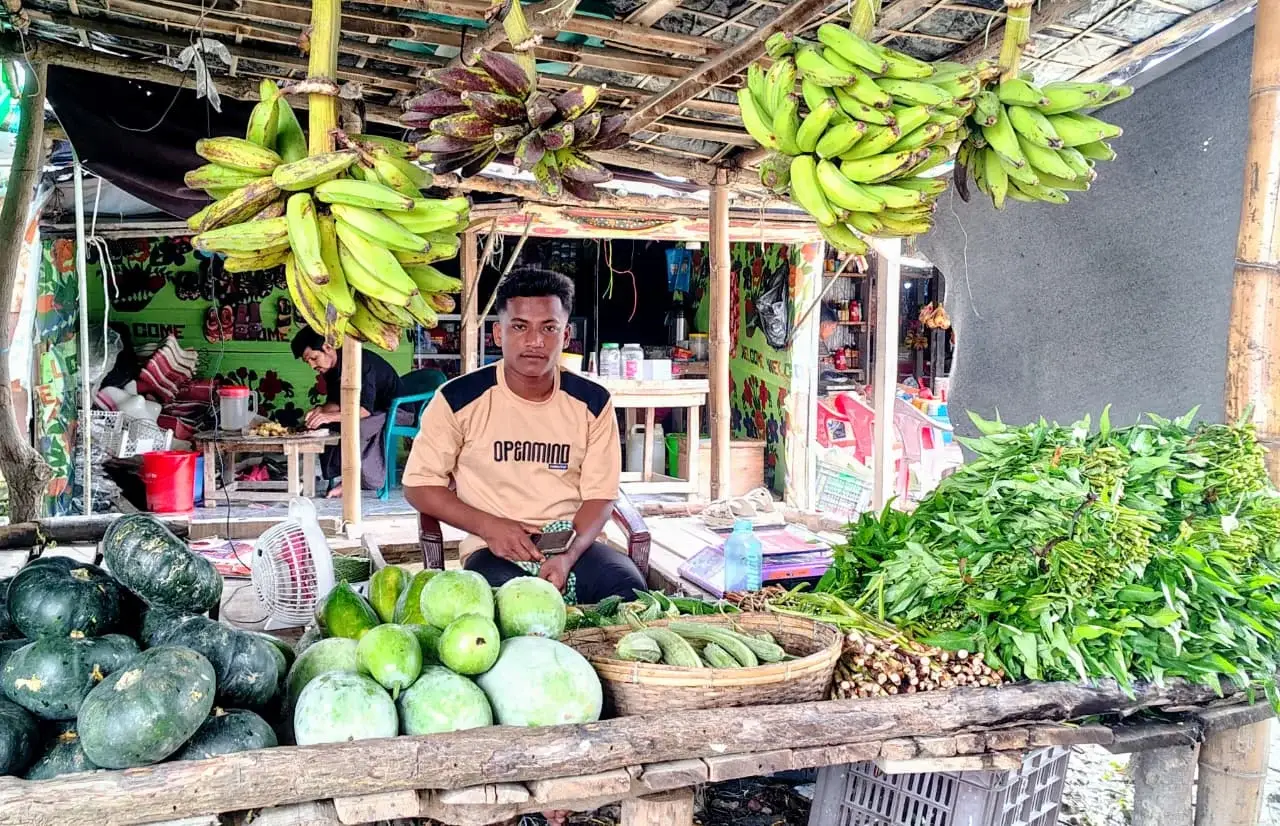
Mohammed Qaiser, a shop owner, works in sales to secure his basic needs.
Addressing this challenge requires regular monitoring of market prices, improved access to nutritious food at affordable prices, and expanded livelihood opportunities. Supporting local agricultural activities, where possible, can also help improve the availability of fresh vegetables and other food products. Continued humanitarian assistance and practical measures to ease the burden of food expenses are essential to help vulnerable households maintain their food security and meet their nutritional needs with dignity.
Sustainable Solutions to Overcome the Challenges
The challenges of unemployment and rising food and vegetable prices are closely linked. When households do not have a reliable source of income, even small increases in the prices of basic goods can make their lives considerably more difficult. Therefore, addressing these problems requires a comprehensive approach that takes into account both urgent humanitarian needs and long-term livelihood opportunities.
Humanitarian organisations, relevant authorities and other concerned parties should seek ways to expand skills training, create suitable job opportunities, support small income-generating activities, and improve access to basic goods at affordable prices. Particular attention should be paid to young people and educated residents who lack job opportunities, and to vulnerable households.
Rohingya refugees should also be given opportunities to develop their capacities, make use of their skills and participate actively in community life. With appropriate support and sustainable programmes, residents can become better able to manage their household expenses and improve their living conditions.
Conclusion
Life on Bhasan Char remains a challenge for many Rohingya refugees, particularly those who lack regular income and face rising food prices. Although humanitarian aid plays an important role in meeting basic needs, long-term solutions are also necessary to alleviate financial hardship and improve food security.
Providing more livelihood opportunities, offering vocational training and skills development, and ensuring access to food at affordable prices are important steps towards improving living conditions on Bhasan Char. Every household deserves the opportunity to live with dignity, meet its basic needs and build a safer future. Addressing these challenges should remain a priority for all parties concerned with supporting the Rohingya community.


