

Wasl News | Myanmar and the Rohingya Genocide
The Rohingya.. A Tragedy That Goes Beyond Refuge
The Rohingya issue remains one of the most painful humanitarian and human rights crises in the world. For decades, the Rohingya in Myanmar (Burma) have been subjected to discriminatory policies, exclusion and widespread abuses, reaching one of their most dangerous stages in 2017, when the Myanmar military launched a large-scale military campaign in Rakhine State (formerly Arakan) that resulted in the killing of civilians, the burning of villages, sexual violence and mass displacement.
These operations led to the displacement of between 740,000 and 750,000 Rohingya to Bangladesh, joining earlier waves of displacement, while more than one million and two hundred thousand Rohingya today live in Bangladesh, according to data from the United Nations High Commissioner for Refugees.
But the Rohingya tragedy cannot be reduced to refuge alone. It is an issue tied to statelessness, the deprivation of basic rights, forced displacement, justice, citizenship and the right to safe return to their homeland.
من هم الروهينجا؟
وشكل قانون الجنسية لعام 1982 نقطة تحول خطيرة في وضع الروهينجا القانوني، إذ أدى إلى حرمان معظم الروهينجا من الاعتراف الكامل بالمواطنة، وترسيخ حالة انعدام الجنسية، وفرض قيود واسعة على الحركة والتعليم والعمل والزواج والوصول إلى الخدمات الأساسية.
وهكذا لم يعد التمييز مجرد مشكلة اجتماعية، بل تحول إلى نظام قانوني وسياسي ساهم في تجريد الروهينجا من حقوقهم الأساسية داخل وطنهم.
The Roots of Persecution and Exclusion of the Rohingya
The Rohingya tragedy did not begin in 2017; it was the result of a long accumulation of discriminatory policies, legal restrictions, violence and displacement.
Over decades, the Rohingya have been subjected to successive waves of displacement, while a hardline nationalist discourse was used to portray the Rohingya as outsiders to Rakhine State (formerly Arakan), which fuelled hostility and violence against them.
Restrictions on freedom of movement and on the rights to education, work, marriage and health services made the lives of the Rohingya within Myanmar more precarious, and pushed large numbers of them to seek safety outside the country.
2017: A Large-Scale Military Campaign and Mass Displacement
In Dhu al-Hijjah 1438 AH (August 2017), the Myanmar military launched a large-scale military campaign in Rakhine State (formerly Arakan), and the operations led to one of the largest mass displacements of the Rohingya in modern times.
Although the authorities in Myanmar presented the campaign as a security operation, United Nations investigations documented a broad pattern of abuses against Rohingya civilians, including killing, torture, rape and sexual violence, the burning of villages and forced displacement.
The UN Independent International Fact-Finding Mission stated that the abuses were widespread and systematic, and that it found reasonable grounds to believe that serious crimes, including acts that may amount to genocide, had been committed against the Rohingya.
Most importantly, the scale and nature of the operations showed that what took place was not merely a limited confrontation with armed men, but a campaign of ethnic cleansing and widespread genocide that targeted the civilian environment of the Rohingya and uprooted hundreds of thousands of them from their homes.
Rohingya villages turned into scenes of destruction, while hundreds of thousands of Rohingya made their way to the border with Bangladesh in a harsh flight, leaving behind their homes, lands, relatives and memories.
Bangladesh: A Temporary Home for a Long Tragedy
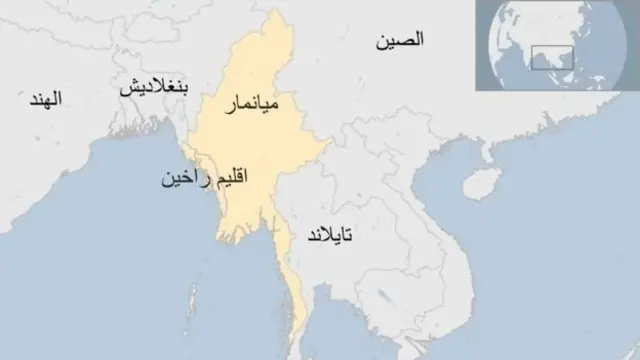
Bangladesh received hundreds of thousands of Rohingya fleeing the violence, and they were joined by large numbers of Rohingya who had fled in earlier waves.
The Cox's Bazar area became the centre of the largest gathering of Rohingya refugees in the world, where hundreds of thousands live in overcrowded camps that depend on humanitarian aid.
The Rohingya in the camps face ongoing challenges related to housing, water, health, education and protection, and natural disasters and climate risks further increase the fragility of their situation.
Refuge, which began as a temporary status, has not become a near-term solution; for large numbers of Rohingya it has turned into a reality stretching over years, while a new generation of Rohingya grows up far from their homeland.
A Life Suspended Between the Camps and the Unknown
Rohingya children pay the greatest price for the continuation of the crisis. An entire generation is growing up in the camps without clear guarantees about the future, and without the ability to return to a safe homeland or build a stable life.
The continuing lack of citizenship further complicates the crisis, because the Rohingya face not only the effects of refuge but also the crisis of legal recognition of their rights.
Therefore, humanitarian assistance to the Rohingya, however necessary, cannot be a substitute for addressing the political and legal causes that created the crisis in the first place.
The Rohingya Between the Hammer of the Myanmar Military and the Anvil of the Arakan Army
The Rohingya tragedy did not stop with the events of 2017. In February 2021, General Min Aung Hlaing led a military coup that overthrew the government, and Myanmar entered a broad armed conflict between the military and ethnic armed groups.
In Rakhine State, the influence of the Arakan Army grew in the following years, and the Rohingya who remained in the region found themselves facing a highly dangerous security reality, after having already emerged from one of the largest displacement operations the area had witnessed.
UN reports indicate that the Rohingya have been exposed to new abuses by multiple parties to the conflict.
Forced Recruitment of the Rohingya
The United Nations documented forced recruitment of Rohingya by the Myanmar military, including compelling men and young people to join military forces and sending some of them to combat zones.
This practice reveals a painful paradox: the Rohingya, who suffered decades of deprivation of citizenship, discrimination and violence, have had some of them forced to fight in a war whose decisions they do not control, under a military institution whose name is associated with the most serious abuses the Rohingya have endured.
The Rohingya Facing the Arakan Army
At the same time, the United Nations documented serious abuses committed by the Arakan Army against the Rohingya, including killing, abduction, rape, arrest, forced recruitment, forced labour and extortion, in addition to other abuses affecting civilians.
As fighting spread in Rakhine State, the dangers faced by the Rohingya increased, including renewed displacement, the destruction of homes, insecurity, and restrictions on movement and on access to food and essential services.
Thus the Rohingya found themselves once again between two armed parties, after having already paid a heavy price because of the policies of the Myanmar military and successive authorities.
Yet the situation of the Rohingya cannot be reduced to a new military conflict. The Rohingya tragedy predates the current war by decades, and its roots lie in statelessness, discrimination, exclusion, displacement and the widespread violence that peaked in 2017.
Today the Rohingya face not only the question of surviving the fighting, but the question of the future itself: where will they live? Who will guarantee their safety? Will they obtain their right to return to Rakhine State without the tragedy being repeated?
أين العالم من الروهينجا؟
لكن التوثيق والإدانة لم ينجحا حتى الآن في إعادة الروهينجا إلى ديارهم أو توفير حماية دائمة لهم.
وهنا تظهر إحدى أكثر القضايا إيلامًا: كيف يمكن للمجتمع الدولي أن يوثق الانتهاكات عامًا بعد عام، بينما يظل الضحايا في المخيمات، ويستمر انعدام الجنسية، ولا تتحقق عودة آمنة ومستدامة؟
إن قضية الروهينجا تكشف فجوة عميقة بين مبادئ حقوق الإنسان المعلنة وبين القدرة على حماية الشعوب التي تتعرض للاضطهاد عندما تتدخل الحسابات السياسية والجيوسياسية.
The UN Security Council: The Veto and Geopolitical Interests
The UN Security Council has been entirely unable to adopt any decisive resolution or impose deterrent sanctions under Chapter VII against the military junta in Myanmar. The reason is the complex web of interests of the great powers:
China: regards Myanmar as a strategic depth and a vital corridor to the Indian Ocean through the "Belt and Road Initiative." Chinese oil and gas pipelines and major port projects pass through Rakhine State, the homeland of the Rohingya. For this reason, Beijing has consistently used its influence to shield Myanmar from international sanctions.
Russia: sees Myanmar as a promising market for selling weapons and combat aircraft such as Sukhoi and Yak aircraft, and has therefore aligned with China in blocking any serious international action.
The United States and the European Union: contented themselves with verbal condemnations and symbolic sanctions that targeted some generals without touching the main economic structure of the regime, out of fear of pushing Myanmar entirely into Chinese arms. Political calculations weighed more heavily than the skulls of Rohingya children.
The Islamic World: Impotence and Humiliation
As for the Islamic world, despite the existence of the "Organisation of Islamic Cooperation," action was largely lukewarm. Major Islamic states were preoccupied with their own inter-state and regional conflicts, and their positions were limited to sending some meagre relief aid, without exerting real economic or diplomatic pressure on Myanmar.
So-Called International Justice: A Long Road for the Rohingya
The Rohingya case has followed several international legal avenues, most notably the case brought by The Gambia against Myanmar before the International Court of Justice under the Convention on the Prevention and Punishment of the Crime of Genocide.
In January 2020 the Court issued provisional measures ordering Myanmar to take steps to protect the Rohingya, prevent acts covered by the Genocide Convention, and preserve evidence.
Proceedings in the case continue before the International Court of Justice, while the International Criminal Court opened an investigation into the situation concerning Bangladesh and Myanmar, including potential crimes against the Rohingya, most notably deportation and persecution.
Yet despite the passing of years, nothing has changed in the situation of the Rohingya, nor has anyone been held accountable for their genocide and their displacement from their homes.
هل يمكن أن يعود الروهينجا؟
فالعودة الحقيقية للروهينجا يجب أن تكون طوعية وآمنة وكريمة ومستدامة، وأن تقترن بضمانات قانونية وأمنية حقيقية، وأن تضمن للروهينجا حقوقهم المدنية والسياسية، وفي مقدمتها الاعتراف بالمواطنة والهوية والحق في التملك والحركة والتعليم والعمل.
كما لا يمكن مطالبة الروهينجا بالعودة إلى بيئة لم تتغير فيها الأسباب التي أدت إلى تهجيرهم أصلًا.
فالعودة بلا حقوق تعني إعادة إنتاج الأزمة، والعودة بلا أمن تعني تعريض الروهينجا لخطر مأساة جديدة.
ماذا يحتاج الروهينجا؟
يحتاجون إلى الاعتراف الكامل بإنسانيتهم وحقوقهم، ومعالجة قضية انعدام الجنسية، وضمان حقهم في العودة الآمنة والطوعية والكريمة، ومحاسبة المسؤولين عن الجرائم والانتهاكات.
ويحتاج الروهينجا في بنغلاديش في الوقت نفسه إلى دعم إنساني مستدام يحافظ على الغذاء والمياه والرعاية الصحية والتعليم والحماية، خصوصًا أن استمرار النقص في التمويل يهدد بتفاقم معاناة الأسر الأكثر ضعفًا.
كما تحتاج قضية الروهينجا إلى ضغط دولي مستمر من أجل منع ترسيخ واقع تكون فيه المخيمات بديلًا دائمًا عن الوطن.
The Rohingya and the Hypocrisy of the World
The brutal killings and genocide led to the formation of small resistance groups among the Rohingya Muslims, the most prominent of which was the "Arakan Rohingya Salvation Army" (ARSA), and these groups were quickly classified as terrorist organisations.
Here the duality of international standards is evident: the real perpetrators (the leaders of the Myanmar military) are not subjected to similar designations, despite the United Nations' documentation of the ethnic cleansing crimes they committed, and they continue to receive official welcome in international forums.
Conclusion
The Rohingya tragedy is not merely the story of a persecuted people in a distant corner of the world; it is a mirror reflecting the contradictions of the international order. It exposes the wide gap between discourse and practice, between slogans and reality, and between principles and interests.
The Rohingya have paid a heavy price in their blood, their land and the future of their children, while the world in many cases has stood by as a spectator or contented itself with phrases of sympathy. This is what makes their cause a stark symbol of a global hypocrisy that speaks much about justice but does not move enough to achieve it.
The question will remain: what is the value of international covenants and human rights if an entire people can be displaced, killed and deprived of its identity before the eyes of the world without finding the protection it was promised?
The answer to this question concerns not the Rohingya alone, but the future of human justice as a whole.
Our dear followers, following the restrictions imposed on our two previous channels, we continue to bring you the truth and breaking news as it happens through this new alternative channel.


