

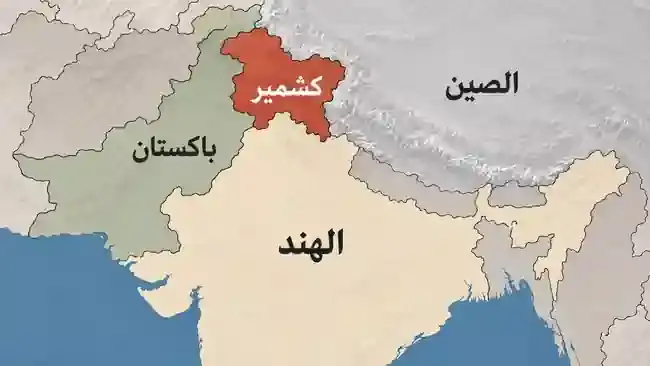
A report issued by the Kashmir Media Service (KMS) agency on Friday, 20 November 2026, coinciding with World Children's Day, reported that 939 Kashmiri children were killed by Indian forces over roughly 38 years. The report warned of the continuing humanitarian and psychological consequences of the conflict for children in the Indian-administered Jammu and Kashmir region.
The report, prepared by the agency's research department, stated that the child victims were among 96,517 people it says were killed by the Indian army, security forces, police and paramilitary formations between 1 January 1989 and 20 November 2026.
These figures are issued by the Kashmir Media Service agency and could not be independently verified. International human rights organisations have previously documented serious violations against civilians in the region, including excessive use of force and injuries caused by riot-control weapons.
Children who lost their sight to pellet guns
The report highlighted the use by Indian forces of pellet shotguns, which fire metal pellets and have caused serious injuries among children, including total or partial loss of sight, facial injuries and permanent disabilities.
Among the cases cited in the report were Hiba Jan, who was injured at the age of 19 months, and Zahra Majeed, aged four, as well as other children who suffered severe injuries to their eyes.
In a report published in September 2017, Amnesty International had documented the cases of 88 people whose sight was affected by metal pellets fired by security forces in Kashmir between 2014 and 2017.
The organisation warned at the time that these weapons cause indiscriminate and serious injuries, and called on the Indian authorities to stop using them to control crowds and to carry out independent investigations into killings and injuries linked to them.
The effects of such injuries are not limited to direct physical harm, and can extend to disrupting children's education, weakening their ability to carry on with daily life and reducing their future opportunities.
More than 108,000 orphans, according to the report
The Kashmir Media Service report noted that the conflict has left at least 108,013 orphans in the region, with families who have lost one or both parents, or whose members have been detained or disappeared, continuing to suffer.
It explained that the loss of a parent does not only cause psychological trauma, but also reduces household income, makes access to education and healthcare difficult, and increases children's exposure to poverty and exploitation.
The report also warned of the psychological consequences of growing up in an environment marked by dense military deployment, repeated search operations, raids and arrests. It noted that some children had witnessed relatives being killed or injured, or had endured prolonged separation from their families.
Such experiences may contribute to anxiety and sleep disorders, symptoms of psychological trauma, and difficulties with concentration and academic achievement.
Education: years lost to closures and internet shutdowns
The report also addressed the effects of Indian security measures on education, particularly after New Delhi's decision on 5 August 2019 to revoke the special constitutional status of Jammu and Kashmir, which had been based on Article 370 of the Indian constitution and related provisions of Article 35A.
The decision was followed by sweeping security restrictions, including the closure of educational institutions and the disruption of communications and internet services, which affected children's ability to continue their studies.
In a report published by Human Rights Watch in June 2023, the organisation documented the major educational losses suffered by Kashmiri children as a result of communications blackouts and school closures, alongside the effects of the COVID-19 pandemic.
It stated that children were deprived of learning opportunities online during periods of closure, while children from poorer families faced additional difficulties because they did not own electronic devices or alternative means of communication.
It also noted that fourth-generation (4G) mobile internet services remained effectively disabled for more than 500 days, until February 2021, disrupting wide aspects of daily life and education.
The new report cited local sources as saying that the Indian authorities have closed or banned hundreds of educational institutions since 2019, including schools affiliated with the "Falah-e-Aam" foundation, raising concerns about the future of thousands of students, particularly those from low-income families.
Calls for independent investigations and the protection of children
The Kashmir Media Service called on the international community, the United Nations, UNICEF and human rights organisations to step up attention to the situation of children in the region, to carry out independent investigations into reported violations, and to hold those responsible to account.
The spokesperson for the "All Parties Freedom Conference", lawyer Abdul Rasheed Manhas, also called on international institutions to take steps to protect Kashmiri children from the effects of the conflict, arrests and security restrictions.
These calls come at a time when the Kashmir issue remains a dispute between India and Pakistan, while the Indian government maintains that its security measures aim to protect stability and confront armed threats.
Alongside earlier international human rights documentation, the report reveals the scale of the challenges facing children in Kashmir, where the effects of the conflict are not confined to its direct victims, but extend to education, mental health, family stability and future opportunities.
As the world marks World Children's Day today, calls are renewed to guarantee the protection of Kashmir's children from violence and arbitrary detention, to enable them to access education, healthcare and a safe family life, and not to leave their future hostage to a conflict that has lasted for decades.


