


Wasl News | Iraq's corruption arrest campaign: What lies behind the latest move? Between official figures and the struggle for political influence
In recent days, Iraq has witnessed one of the largest campaigns to pursue suspects in corruption cases, resulting in the arrest and pursuit of dozens of officials, MPs and businessmen, in parallel with court rulings ordering the confiscation of money and properties worth billions of dinars and millions of dollars.
While the Iraqi Shiite authorities maintain that the measures come within the framework of combating corruption and recovering public funds, observers believe the timing of the campaign also reflects a growing struggle for influence within the political class, amid the approach of political deadlines and a reshuffling of the balance of power.
A broad campaign against senior officials
Unlike previous campaigns that targeted officials at mid-level administrative positions, the current campaign has reached prominent figures who held influential executive and legislative posts, including undersecretaries of ministries, directors general and members of the Council of Representatives.
Observers believe this development raises questions about why files that remained unresolved for years are being opened, even though many of them were known within state institutions.
Official figures for confiscated and recovered sums
Data issued by the Supreme Judicial Council and the Integrity Commission show a series of large financial measures, most notably:
- 29 June 2026: The Central Criminal Court for Combating Corruption issued a ruling to confiscate US$11 million in cash and 4 billion Iraqi dinars from the undersecretary of the Ministry of Oil for Distribution affairs, in addition to taking possession of a number of residential properties registered in his name.
- On the same day, the competent court for combating corruption fined the former director general of the General Commission for Taxes and his wife 32.4 billion Iraqi dinars on charges of money laundering, with the confiscation of 22 properties, of which 10 are inside Baghdad and 12 in Turkey, as well as gold jewellery and bank balances inside Turkey and Kuwait.
- During the first half of 2026, the Recovery Department of the Integrity Commission announced the recovery of US$17.5 million of funds smuggled abroad, within procedures linked to the file of the "Heist of the Century", whose embezzled funds are estimated at about US$6,106,870,000 (six billion, one hundred and six million, eight hundred and seventy thousand US dollars).
Also read: Iraq, the forgotten wound and the doctrine of a vengeful state
According to official data, the campaign's toll reached 67 suspects among senior officials who have been detained, while security sources indicate that arrest and investigation warrants covered up to 120 people in cases related to oil smuggling and money laundering.
Prominent figures covered by the campaign
The investigations included a number of prominent political and executive figures, most notably:
Ali Mu'arij al-Bahadili, undersecretary of the Ministry of Oil for Distribution affairs, who was previously sanctioned by the US Treasury Department on charges related to oil smuggling and money laundering.
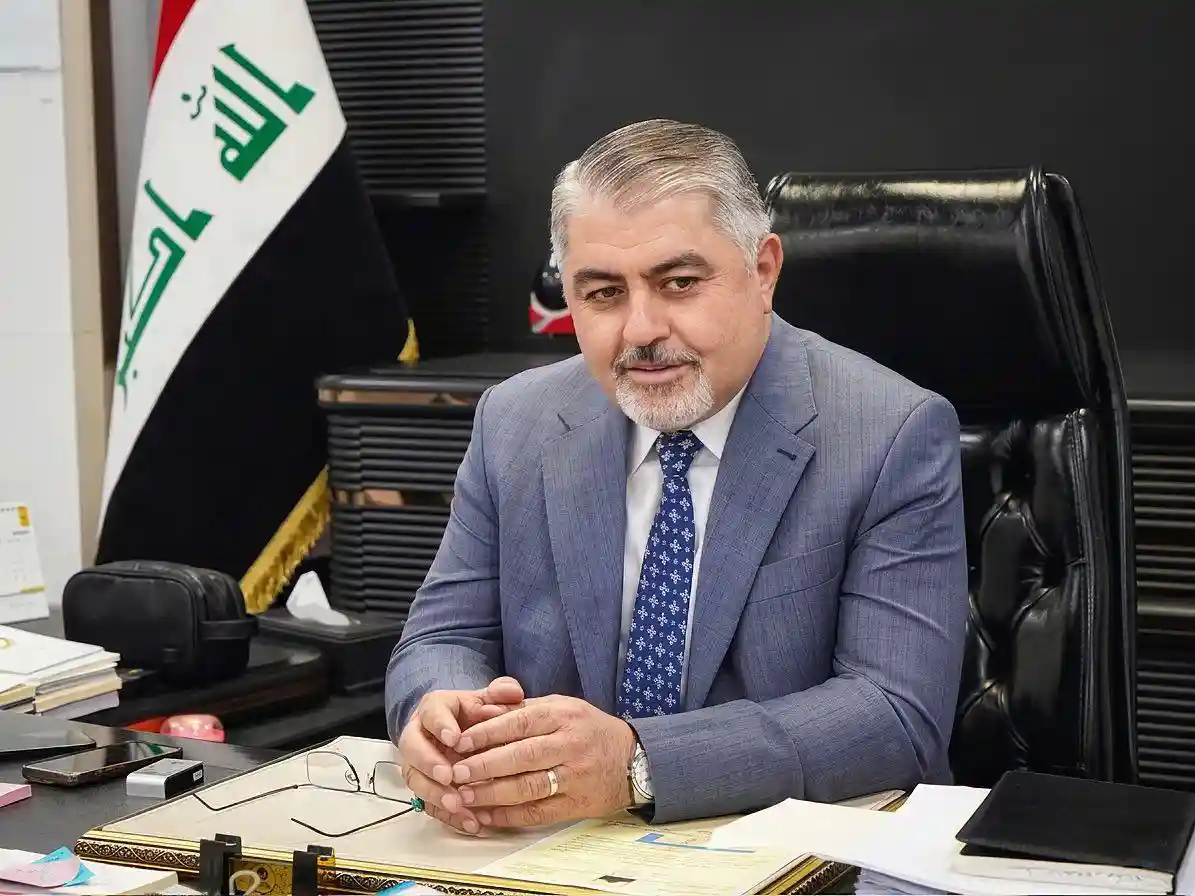
Adnan al-Jumaili, undersecretary of the Ministry of Oil for Liquidation affairs and former director general of the North Refineries Company, whose confessions, according to investigation sources, led to widening the circle of prosecutions.
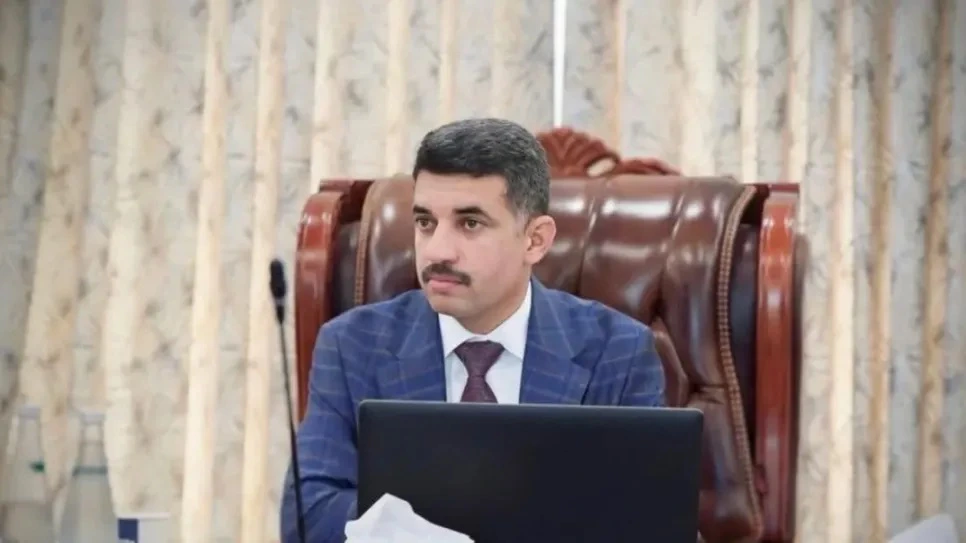
Muthanna al-Samarrai, member of the Council of Representatives and head of the "Azm" alliance, subject to judicial measures related to files of financial corruption and abuse of influence.
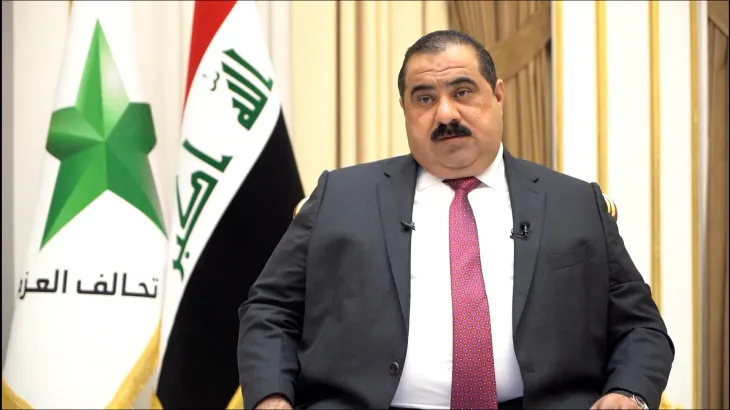
Ziyad al-Janabi, member of the Council of Representatives, who was covered by arrest warrants issued against a number of MPs.
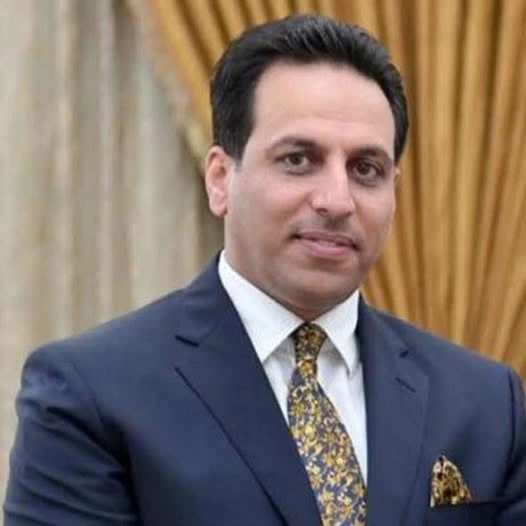
Baha' al-Nouri, member of the Council of Representatives, included in the list of political figures reached by the investigations.
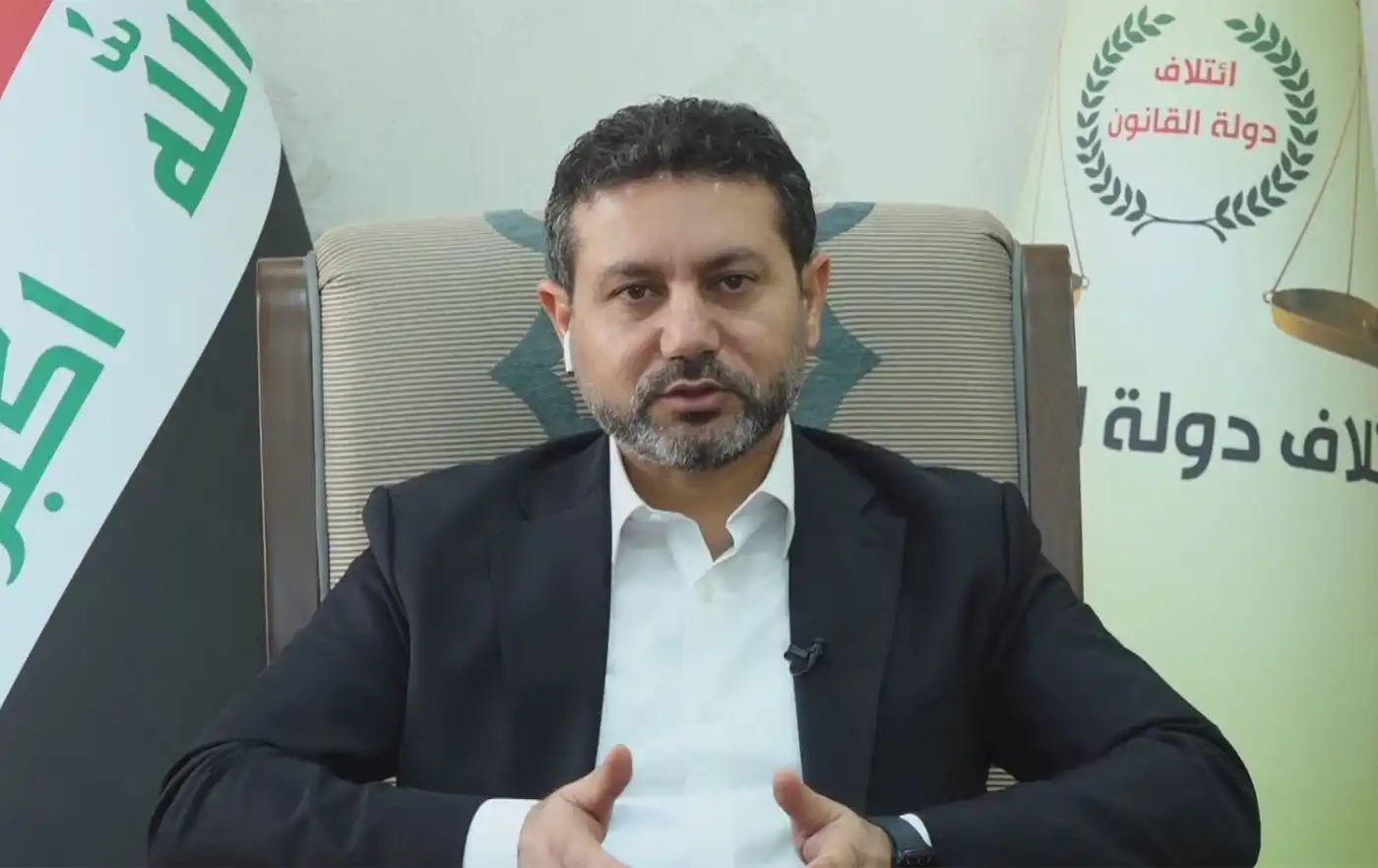
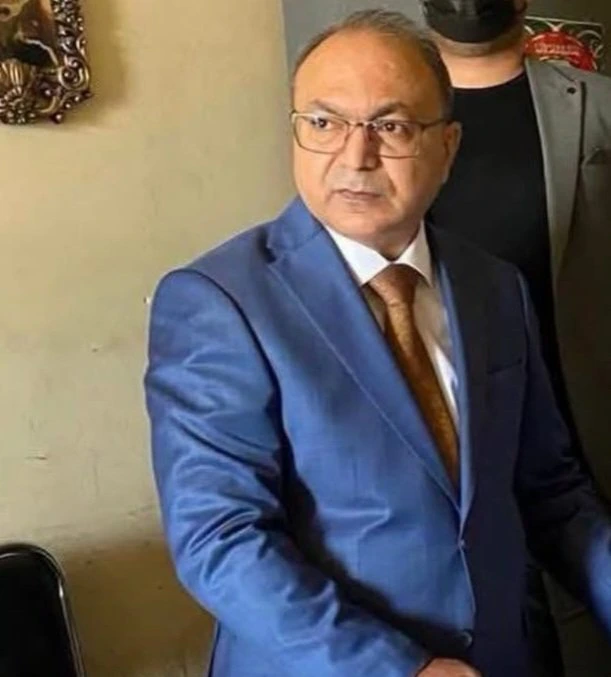
Osama Hussam Jawdat, former director general of the General Commission for Taxes, against whom and his wife a ruling of fine and confiscation was issued in a case of money laundering and illicit enrichment.
لماذا الآن؟
ويرى محللون أن هناك عدة عوامل قد تكون وراء هذا التحرك، أبرزها:
تصاعد الضغوط الشعبية نتيجة تراجع الخدمات واستمرار الأزمات الاقتصادية.
الضغوط الدولية المرتبطة بمكافحة غسل الأموال وتهريب الدولار وتشديد الرقابة على النظام المالي العراقي.
مساعي الحكومة لإظهار جدية أكبر في مكافحة الفساد واستعادة الأموال العامة.
صراع سياسي أم مكافحة فساد؟
ويذهب هذا الرأي إلى أن ملاحقة بعض الشخصيات قد تعكس إعادة رسم موازين النفود داخل التحالفات السياسية، خصوصًا مع اقتراب مراحل سياسية جديدة، بينما يعتبر آخرون أن الحملة قد تمثل بداية لتحرك قضائي أوسع إذا استمرت دون استثناء
هل تصل الحملة إلى "حيتان الفساد"؟
ويشير مراقبون إلى أن تجاوز ما يُعرف بـ"الخطوط الحمراء" قد يؤدي إلى تداعيات سياسية وأمنية معقدة، في حين أن توقف الحملة عند مستويات معينة قد يعزز الانطباع بأنها تأتي في إطار إعادة ترتيب مراكز القوى أكثر من كونها تغييرًا جذريًا في ملف مكافحة الفساد.
It is worth noting that nearly all of those detained are linked to Iran-affiliated Shiite militias.
Veteran Iraqi journalist Othman al-Mukhtar believes that any anti-corruption campaign in Iraq that does not include militia leaders is meaningless.
Conclusion
The latest arrest campaign represents one of the largest operations targeting senior officials in Iraq in recent years, backed by court rulings that included the confiscation of huge sums of money and properties.
While the authorities affirm that the measures come within efforts to combat corruption and recover public money, media circles are still following whether the campaign will develop into comprehensive accountability for all those involved, or will remain within the limits of the political balances that have marked this file over the past years.


