

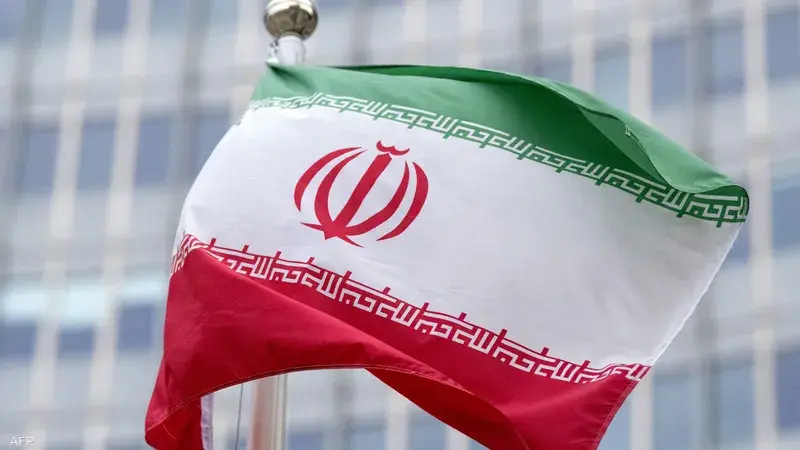
Iran's Strategic Errors: Analysis and Implications
Introduction
The strategic errors committed by Iran are a significant subject in political and military studies, especially with the escalation of regional tensions and the ongoing war between Tehran and Tel Aviv. This article reviews the most prominent of these errors, in an attempt to draw lessons and insights that can serve as a guide for the Islamic nation in facing current challenges.
.
Iran's Strategic Errors:
1. Abandoning Strategic Allies:
Iran succeeded in building a network of advanced lines of defence to confront its adversaries, represented by groups such as Hezbollah in Lebanon and Ansar Allah ("the Houthis") in Yemen, extending to resistance factions in Iraq and Palestine. However, it abandoned Hezbollah in its war with Israel -- which is viewed as the "first line of defence" -- and left it to face its tragic fate and to be isolated by Israel, which constitutes a sacrifice of an important strategic asset in the deterrence equation.
2. Slowness in Responding and Postponing Confrontation:
Painful Israeli strikes against Iran followed one another, whether by targeting its embassy in Syria, or assassinating prominent leading figures such as Qasem Soleimani and Alaa Zahedi, and reaching the repeated assassinations of nuclear scientists and military leaders inside Iranian territory, then the assassination of Ismail Haniyeh. These strikes, which did not receive a proportionate response, gave Israel confidence and removed any concerns it had about the consequences of continuing aggression.
3. Absence of Strategic Assessment and Periodic Review:
Among the basics of administrative and military work is continuous assessment and comprehensive review after every event or setback. It is clear that the Iranian leadership contented itself with formal assessments, without delving into the roots of the problems, understanding how the repeated Israeli infiltrations occurred, or identifying the spy networks operating on Iranian soil. This shortcoming in assessment led to successive strikes without learning from events and correcting course.
4. Shortcomings in Defensive Planning and Security Readiness:
Iranian leaders ignored basic security precautions despite increasing expectations of an attack. This appeared in failing to refrain from gathering in one place or failing to head to safe shelters. Some senior military leaders were even asleep in their homes when they were targeted, which reveals a dismal failure in defensive planning and readiness for scenarios of direct war.
5. Intelligence Failure and Weakness in Air Defence:
Information confirms that Iran's air defence systems were completely disabled before the attack, through covert sabotage operations carried out by the Israeli Mossad. This includes placing precision-guided weapons near missile platforms and neutralising radars before air strikes, which indicates a major intelligence failure and structural weakness in Iran's air defence capabilities.
6. Excessive Reliance on Proxy Wars and Neglect of Direct Defence:
For many years Iran focused on indirect conflict through its proxies and militias ("such as Hezbollah, the Houthis, the Fatimiyoun, the Zainabiyoun...etc."), and neglected developing effective defence strategies against direct attacks on its territory or vital interests. Even after the assassination of senior leaders, its response was limited to threatening statements rather than taking practical deterrent measures at the level of deterrence.
7. Bureaucracy and Failure to Adjust Strategy Since 2024:
Israel moved the conflict inside Iran itself, neglecting direct threat, and the assassination of Ismail Haniyeh in Tehran was a clear indication of this. But Tehran did not fundamentally adjust its strategy, which left it vulnerable to bolder strikes deep within its strategic depth, reflecting bureaucratic management systems and inflexibility in security thinking.
8. Internal Weakness of the State:
Iran suffers from numerous internal problems, beginning with sectarian conflicts, passing through chronic economic problems, political oppression, and reaching scientific and technological backwardness in many sectors. This situation has made its internal structure fragile and unable to withstand the pressures of direct regional conflict, which affects its ability to endure and confront.
9. Weakening the Vital Sphere:
Iran sought to weaken neighbouring countries ("such as Iraq, Syria, Pakistan, and Afghanistan") through its militias and interference in their affairs. It also created crises for the Gulf states. This approach generated regional hostilities, instead of building relations based on coexistence and shared security, which destabilised its vital sphere and the region.
Conclusion
Iran's errors were cumulative, beginning with security negligence, passing through strategic miscalculation, and reaching reliance on outdated methods in confronting Israeli tactics that are technologically and intelligence-wise advanced. These factors combined turned Iran from a strong regional player into a feeble target that tempts the Zionists to strike it and to bully it. And within the backwardness of Iranian society, and its unpopularity in the Arab, Islamic and international surroundings.
The question remains: will Iran begin to repair what it has damaged,
or will it remain within its narrow theocratic-bureaucratic mindset?
Dr. Mahmoud Lamloum
Researcher in Strategic Affairs


