

Wasl | Houthis Inflict Heavy Economic Losses on Saudi Arabia: Targeting of East-West Pipeline Halts a Vital Artery
In a dangerous escalation that deepens the economic pressure on the Kingdom of Saudi Arabia, the strategic "East-West" oil pipeline (Petroline) was subjected to several attacks on 28 Rabi' al-Awwal (10 September 2026), forcing authorities to shut it down as a precautionary measure. This attack is the latest link in a chain of assaults carried out by the Iran-backed Houthi militia, which are inflicting heavy direct and indirect losses on the Saudi economy and threatening the stability of global energy supplies.
Targeting of the East-West Pipeline and Its Precautionary Shutdown
An official source at the Saudi Ministry of Energy announced that the pipeline in the Riyadh and Madinah regions was subjected to several attacks on Thursday morning, resulting in injuries among workers, who received the necessary medical care. This led to the temporary shutdown of the pipeline as a precautionary measure to assess the damage.
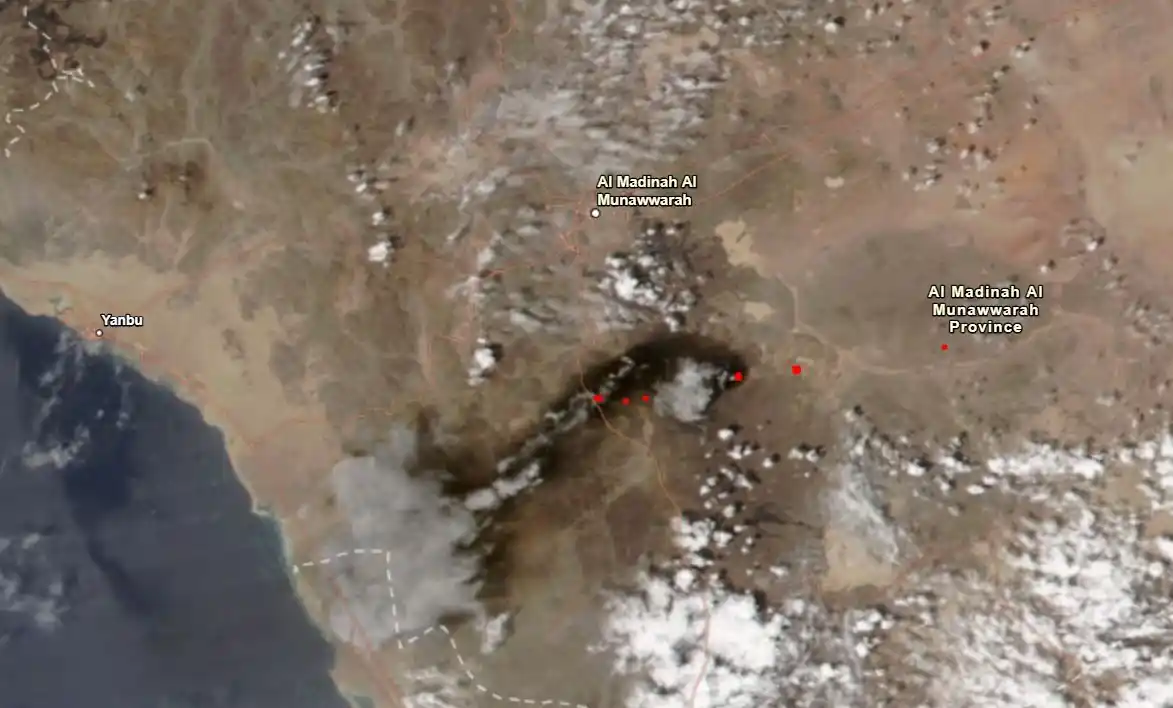
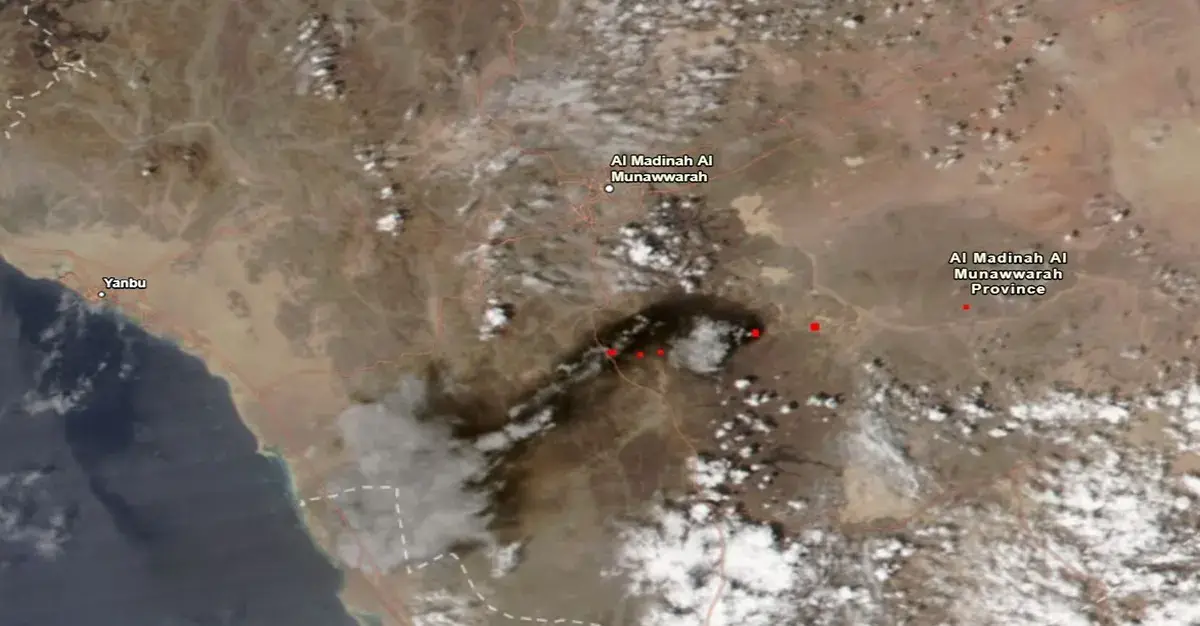
CNN reported, citing US officials familiar with the matter, that pumping stations adjacent to the pipeline were hit by drone strikes, with satellite images showing traces of major fires at one station and thick black smoke at another.
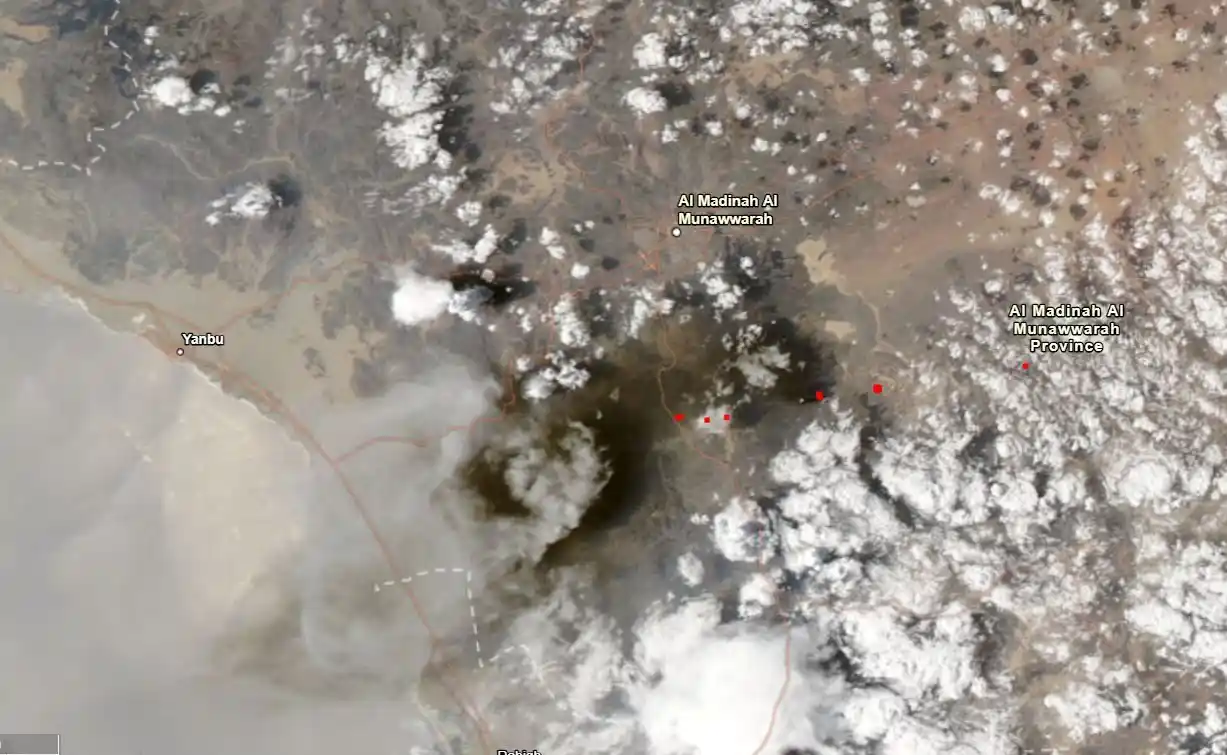
Sentinel-3 and NASA FIRMS systems also detected several thermal hotspots and a black smoke plume extending tens of kilometres south-east of Madinah along the pipeline's route.
The Importance of the East-West Pipeline as an Alternative Artery
The East-West pipeline extends approximately 1,200 kilometres from the oil fields in the Eastern Province to the port of Yanbu on the Red Sea, with a capacity of around 7 million barrels per day.
This pipeline is considered the main alternative artery on which Saudi Arabia has relied to transport large quantities of oil following the closure of the Strait of Hormuz.
Any disruption to it means a direct restriction on Saudi Arabia's ability to export its oil to Asian and European markets via the Red Sea, particularly in light of the naval blockade imposed by the Houthis on ships linked to Saudi Arabia since late Dhu al-Hijjah 1447 and the beginning of Muharram 1448 (July 2026).
This strike comes within a broader context of Houthi attacks that have targeted Aramco facilities in Jazan, Abha and Najran, in addition to tankers in Bab al-Mandab.
Together, these operations have led to Saudi oil exports falling to their lowest levels in years, a significant rise in insurance premiums against war risks, and a decline in investor confidence.
The Saudi economy recorded a contraction of 4.8% in the second quarter of 2026, after the oil sector declined by about 25%, while the Public Investment Fund faces pressure on spending for Vision 2030 projects.
Despite Saudi assurances of its ability to contain the damage and restore operations, the temporary shutdown of the East-West pipeline highlights the fragility of alternative corridors amid regional escalation.
This targeting remains a clear indicator of the Houthis' strategy of inflicting maximum economic damage on Saudi Arabia by striking sensitive energy arteries, which calls for more effective security and military responses to protect economic and strategic interests.
Houthi Control of the Bab al-Mandab Strait
In a field development today, Yemeni government sources reported that the Houthis have completed their control of the Bab al-Mandab Strait and the strategic island of Mayun located in the middle of the strait, in addition to the coastal town of Dhubab opposite it, after government forces withdrew from these positions.
This control gives the militia an advanced position within the strait itself, strengthening its ability to threaten or monitor the movement of tankers and passing ships, particularly those linked to Saudi Arabia, which increasingly relies on this route to export its oil.
Analysts warn that the continued targeting of vital infrastructure such as the East-West pipeline could exacerbate the budget deficit, raise shipping and transport costs, and affect global oil prices, which have approached high levels amid supply concerns. The growing reliance on the western route also makes any disruption to it more economically costly than before, particularly given the difficulty of finding quick alternatives.
Dear followers, to receive all the latest news, follow us on Telegram


