


This week's key events in the Islamic world, from Saturday 8 Dhu al-Qadah to Saturday 15 Dhu al-Qadah 1447 AH, are summarised below.
Palestine
Gaza Strip
Young man "Ammar Talal Abu Shab" was killed today — as we understand it — by Israeli occupation fire in the "Al-Satr Al-Sharqi" area of Khan Younis, southern Gaza Strip.
According to the latest update from the Gaza Ministry of Health published today:
- Since the ceasefire (11 October): • Total number of martyrs: 828 • Total number of injured: 2,342 • Total number of recoveries: 767
- Cumulative statistics: • Cumulative number of martyrs: 72,608 • Cumulative number of injured: 172,445
Regarding negotiations, "Quds Network" quoted special sources as saying:
- Palestinian factions delivered their official response to the mediators late last night regarding the proposal to implement what is known as "the plan of US President Donald Trump."
- The response affirmed appreciation for the mediators' efforts to reach a formula acceptable to all parties, and stressed the need for the occupation to fully and immediately implement the terms of the truce agreement according to an agreed timetable.
- The factions expressed their agreement to the roadmap submitted by the mediators on 19 April 2026, as a basis for entering serious negotiations, leading to a ceasefire, an end to the humanitarian crisis, the withdrawal of the occupation from the Gaza Strip, and the start of reconstruction and the entry of aid.
- The factions also stressed the need to work, in coordination with the mediators and all relevant parties, to achieve the goal of establishing a sovereign Palestinian state and ensuring the right to self-determination.
- Contacts are still ongoing, amid attempts to bridge positions and address points of disagreement, without disclosing further details at this stage.
Water crisis in Gaza
The Israeli newspaper Haaretz revealed today, Saturday, an unprecedented deterioration in the drinking water system in the Gaza Strip, resulting from the extensive damage to infrastructure, particularly desalination facilities, caused by the war of extermination and ongoing military operations.
West Bank and Jerusalem
In the West Bank, dozens suffered suffocation after the occupation's attack on the mosque of the village of Burqa east of Ramallah on Friday.
Israeli Broadcasting Corporation, citing official data issued by occupation security agencies, reported that settler militias carried out 350 attacks since the beginning of 2026. The broadcaster said that "settler militia attacks in the first four months of the current year increased by 40% compared with the same period of last year."
In March of this year alone, 130 attacks were recorded, while 90 attacks were recorded in April, and the month has not yet ended. The broadcaster noted that settler militias have come to pose a direct threat to the occupation's own security agencies, as 30 direct and deliberate attacks by these militias on soldiers have been recorded since the beginning of the year.
A moment of settlers attacking a Palestinian on the outskirts of the town of Aqraba, southeast of Nablus.
Incursions into Al-Aqsa Mosque
For the first time on Wednesday, settlers introduced Torah texts for the "Temple Mount" prayer into Al-Aqsa Mosque. According to Hebrew media, the Israeli occupation granted permission to bring expanded papers containing the prayer text prepared for "Temple Mount," in reference to Al-Aqsa Mosque.
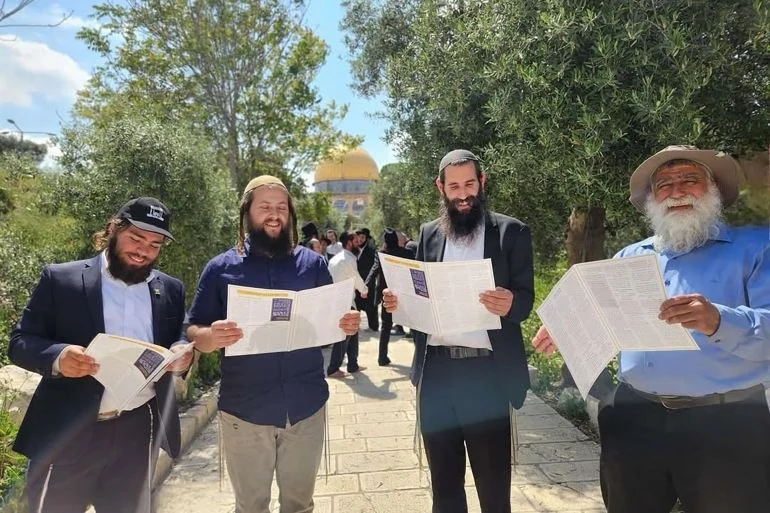
The "Temple Mount Religious School" confirmed the notable expansion of "prayer permits" for those storming Al-Aqsa Mosque, and said that Israeli National Security Minister Ben Gvir and the regional police commander made efforts to enable prayer at the site. The school thanked the occupation's National Security Minister, Itamar Ben Gvir, and the regional police commander for their efforts in enabling prayer at the location.
It is recalled that in mid-January 2026, Israeli police, on the minister Ben Gvir's instructions, allowed Jewish prayer papers to be brought into Al-Aqsa for the first time. At that time, the extremist "Temple" groups clearly disclosed their next plan, namely bringing in "tefillin" (black leather prayer scrolls) and complete books and sheets of religious prayers. On 26 May 2025, Ben Gvir had stormed Al-Aqsa Mosque and announced from inside it: "It has become possible to pray and prostrate on the Temple Mount."
Ongoing incursions into Al-Aqsa Mosque
Dozens of settlers storm Al-Aqsa Mosque every day under Israeli occupation protection. The number in 2025 reached approximately 73,721 intruders, recording an increase of 26.8 percent over 2024, which saw 58,149 Israelis storm the mosque.
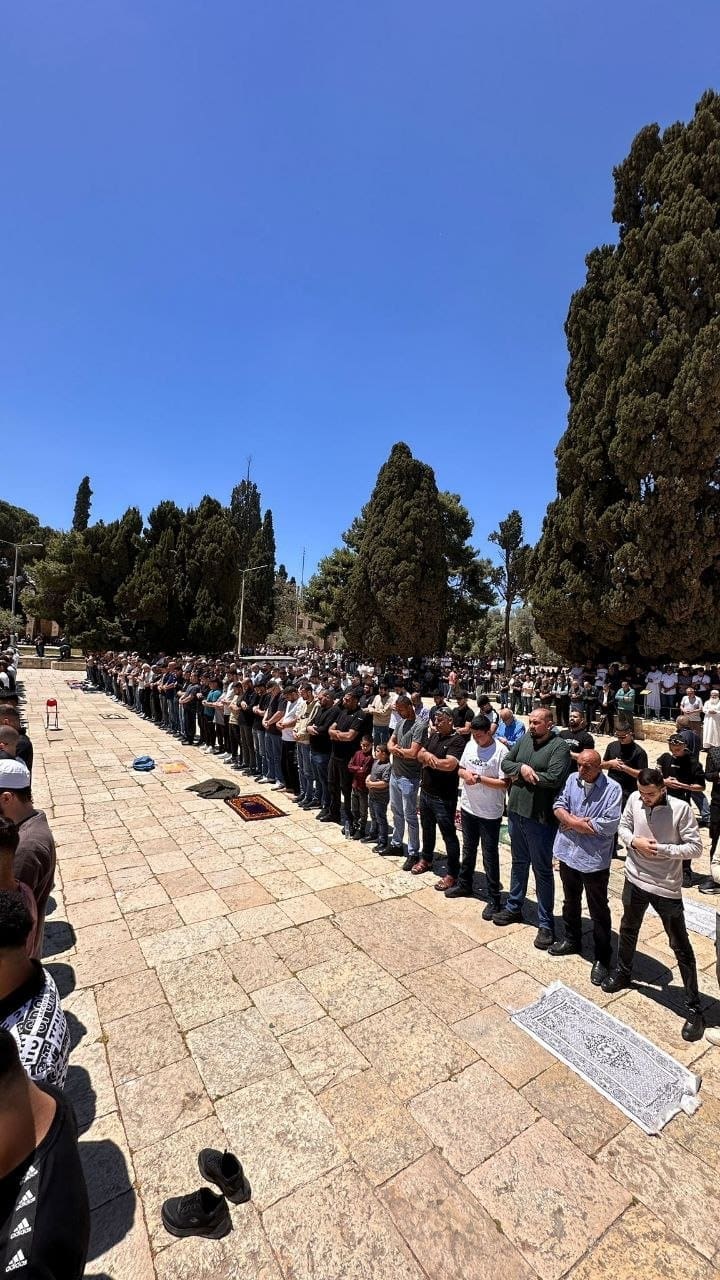
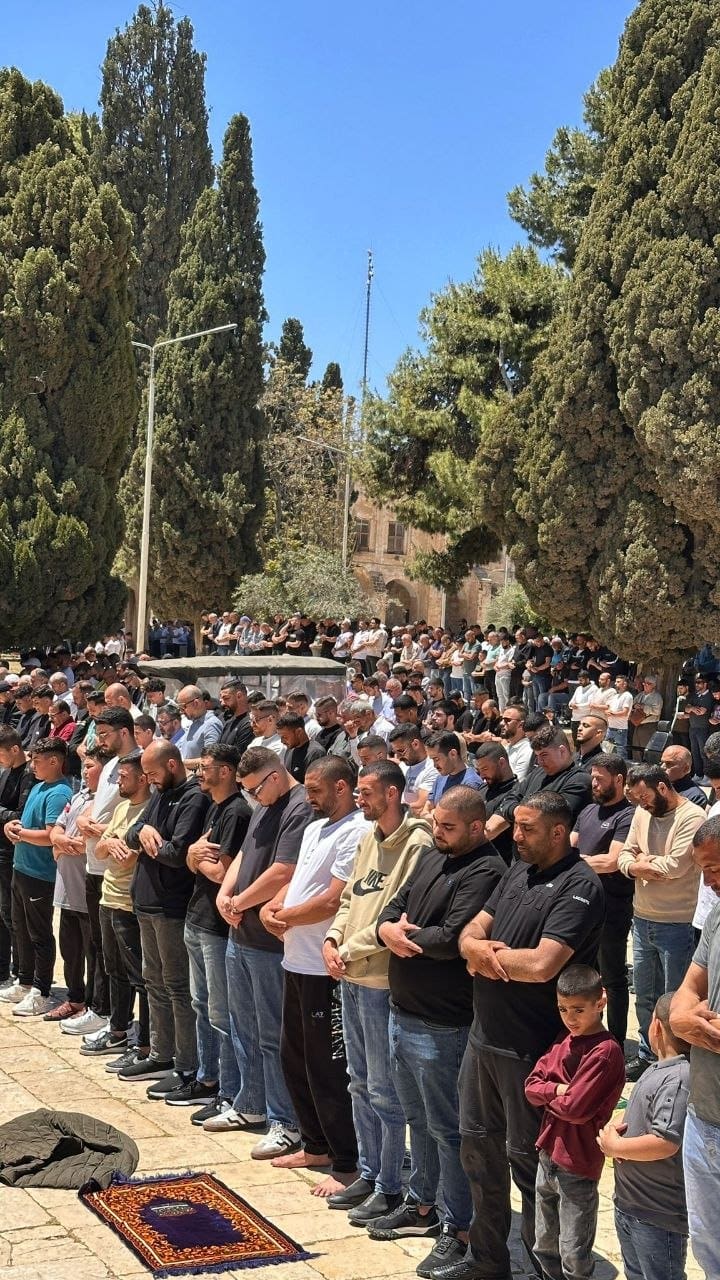
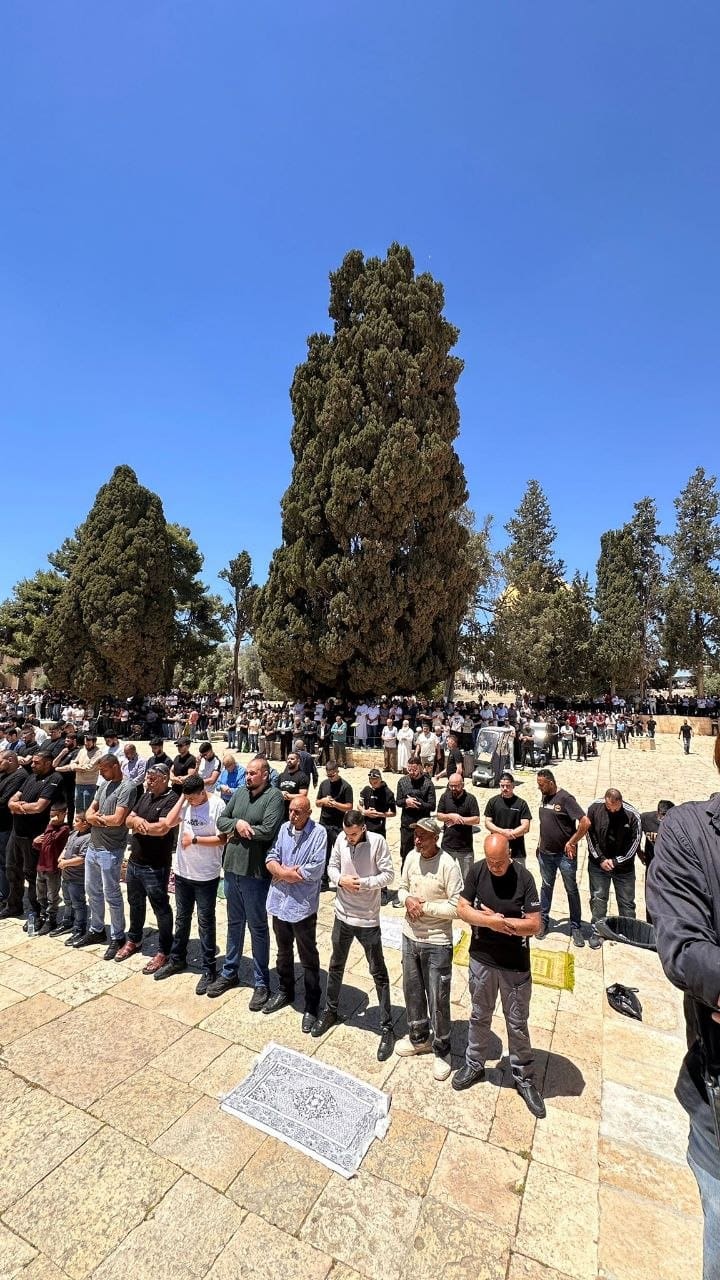
Thousands of worshippers performed Friday prayers in the courtyards of the blessed Al-Aqsa Mosque this week.
Prisoners file
Palestinian Centre for Prisoners' Rights: rising arrests and pursuit of Palestinian workers, with their continued targeting while travelling to work and tightened measures against them.
The occupation continuously arrests Palestinian workers on "security" pretexts; security files are fabricated against them and they are subjected to trials lacking justice — sham trials and the financial fines imposed by Israeli courts weigh heavily on Palestinian workers, in addition to their detention in difficult conditions that affect their lives and families. Escalating restrictions on workers' movement further worsen their living conditions as checkpoints and closures intensify and job opportunities decline. We call for international intervention to stop the targeting of workers, guarantee their right to work, and protect them from arrest while seeking their livelihoods.
- Continued deprivation of female prisoners of the hijab and prayer clothing, and shortages of basic necessities, imposing a humiliating reality inside the sections.
- Severe restriction of daily life: the "yard" time is only one hour, also used for cleaning, with collective punishments reaching deprivation for days.
- Escalating repression: raids, humiliating searches, assaults, insults and forced humiliating positions.
Syria
Israeli occupation violations in Quneitra
Artillery shelling by the Israeli occupation army targeted agricultural land between the town of Kudna and the village of Breika in the countryside of Quneitra today, Saturday.
Throughout the week, the Israeli occupation continued to expand its military activity in Quneitra Governorate and its surroundings. On 25 April, its forces stormed the town of Jubata al-Khashab, and at the same time set up a checkpoint at the Al-Kassarat junction in the northern Quneitra countryside before withdrawing towards Jubata al-Khashab forest, and carried out fortification operations and raised earthen barriers on Tall Ahmar east of the countryside. On the same day, it set up a temporary checkpoint in the village of Al-Mushayrifa in the central Quneitra countryside and began searching vehicles and passers-by.
On the 26th, an occupation force moved into the town of Jubata al-Khashab and carried out a raid targeting one of the quarries in the area. By the 27th, an Israeli force of about twenty military vehicles penetrated the village of Mu'ariya in the Yarmouk basin area of the western Daraa countryside, while intensive occupation aircraft overflights were recorded over Daraa the same day.
On 26 April, the first sessions of the public trial of the criminal Atef Najib, cousin of Bashar al-Assad and accused of involvement in systematic torture, were held at the Justice Palace in Damascus, attended by a number of victims' relatives who had long awaited this moment. Days later, Brigadier General Adnan Abbud Helweh, one of the main officials responsible for the chemical massacre in Eastern Ghouta in 2013, was announced arrested.
In the same context, security forces in Hama sealed the house of the criminal Amjad Youssef with red wax. Internal security forces in Deir ez-Zor also arrested Anas Shaalan al-Mudhi, who held the post of head of the studies section in the State Security branch of the ousted regime in Deir ez-Zor city.
Activists on social media circulated videos showing a security tension erupting this afternoon, Saturday, after dozens gathered in front of the Criminal Security branch in Idlib in protest at the arrest of an Uzbek man this morning.
According to local sources, the detained person was seized from the home where he lives in the town of Kafriya in the Idlib countryside. No statements have so far been issued on the reason for the Uzbek's arrest.
Mass graves in Syria
[Remains of a girl and a woman were also found north of the city of Tabqa in Raqqa Governorate.]
Landmine victims
This week, Syria recorded a series of civilian victims from landmines and war munitions spread across multiple areas.
In the Hasakah countryside, a girl was injured by the explosion of a land mine near one of the villages. In the Daraa countryside, disasters repeated painfully: three cleaning workers were killed at once in the town of Busra al-Harir, and in the town of Saida a teenager under fifteen died when a bullet hidden among the grass exploded while he was burning it. In the Hama badiya, a young man was killed on the Khanasir–Ithriya road when a mine that surprised him during a hunting trip exploded. In eastern Aleppo, a mine from SDF remnants exploded near the Tishreen Dam. Near Raqqa, another young man travelling in the region's badiya fell victim to a mine.
Lebanon
The US Embassy in Lebanon published: a direct meeting between President Aoun and Netanyahu, facilitated by President Trump, will give Lebanon the opportunity to obtain guarantees regarding the restoration of the Lebanese state's authority over every inch of its territory.
Mali
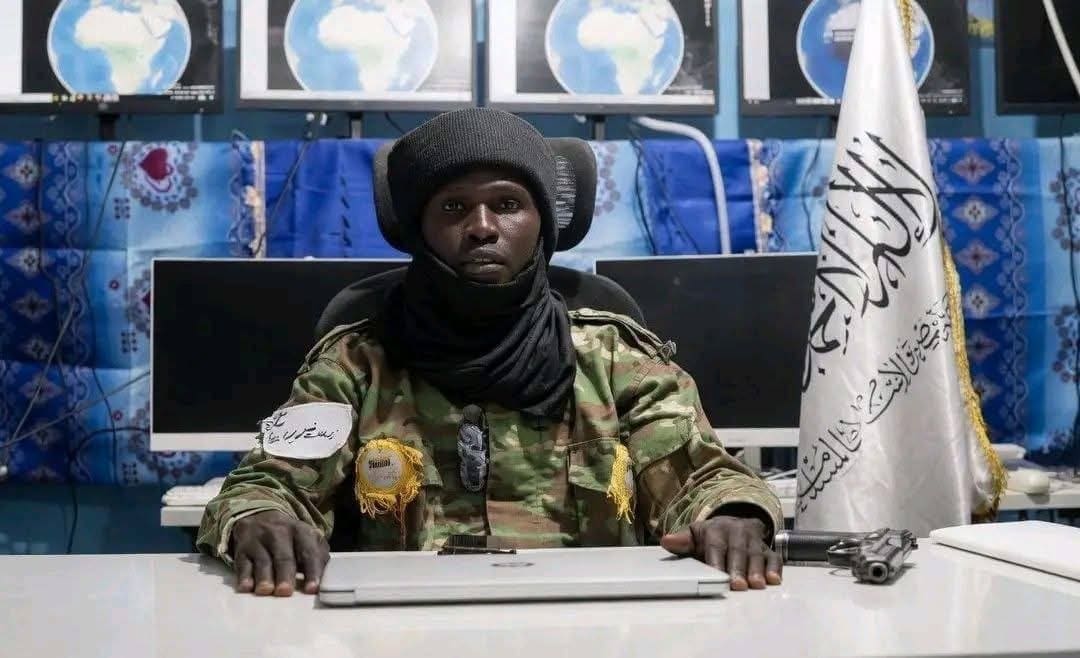
The spokesperson of the Jama'at Nusrat al-Islam wal-Muslimin, in a video statement, announced the imposition of a comprehensive siege on the Malian capital, Bamako. The siege includes a ban on entry to the capital of any vehicle or person, except those with specific tasks. It also warned residents against cooperating with the Malian army.
- The Azawad Liberation Front expands — the Front seized the Tessalit and Amachach camps following the withdrawal of the Malian army and the Russian Expeditionary Corps under an agreement.
- Fighting spread to Gao and Sevare — clashes in multiple parts of the country amid continued fighting, according to the Malian army.
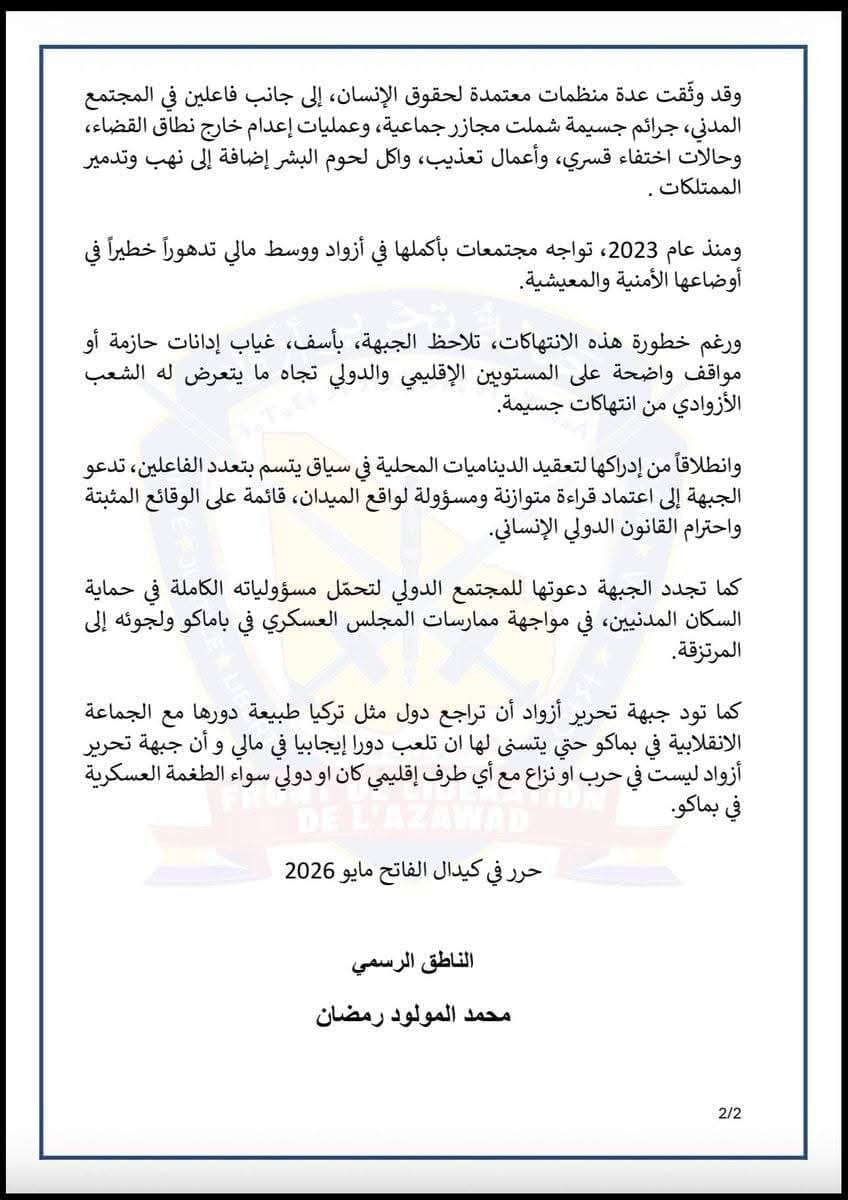
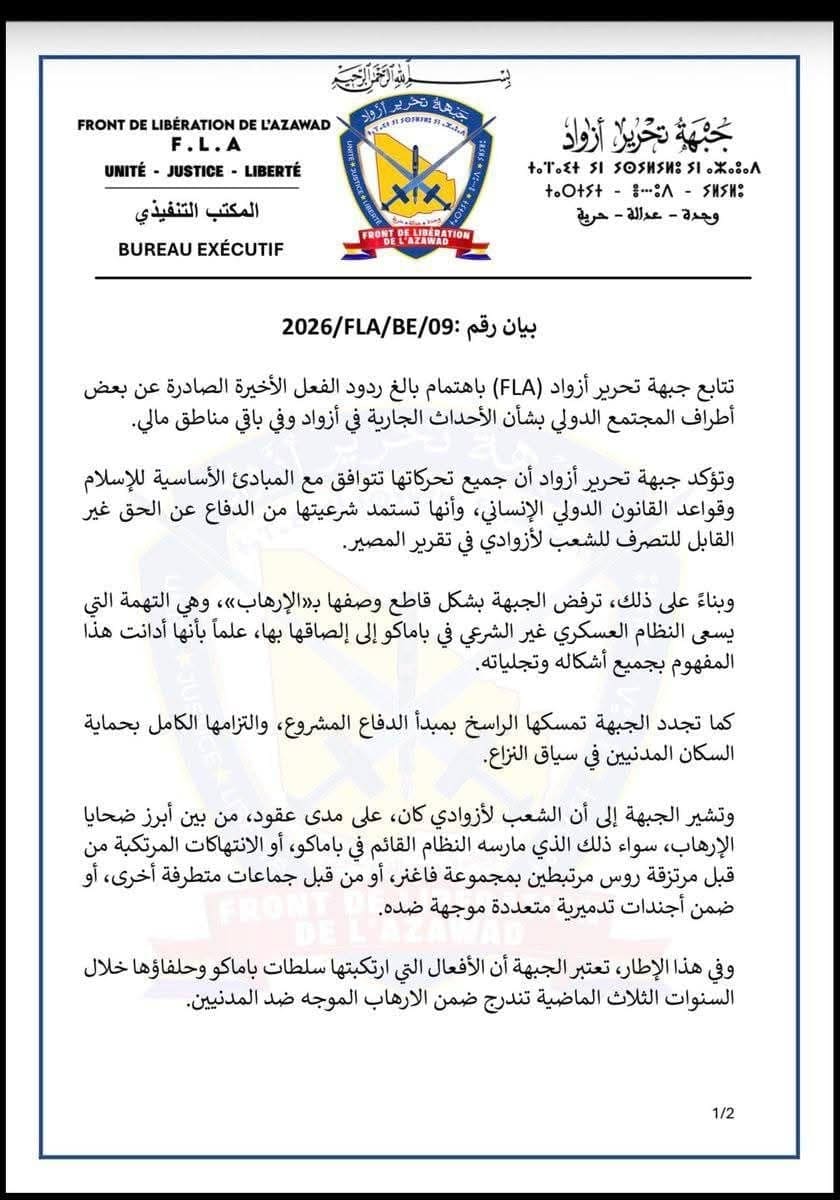
The Azawad Liberation Front issued a statement saying: The Azawad Liberation Front affirms that all its movements conform to the basic principles of Islam and the rules of international humanitarian law, and that it derives its legitimacy from defending the inalienable right of the Azawadi people to self-determination.
The Front condemned the absence of firm condemnations or clear positions at the regional and international levels regarding the grave violations suffered by the Azawadi people.
The Front also called for adopting a balanced and responsible reading of the situation on the ground, based on established facts and respect for international humanitarian law. The Front rejected being described as terrorist and called on Turkey to review its position regarding the recent operations in Mali.
The UAE, Qatar, Saudi Arabia, Turkey, Morocco and Russia each condemned what they described as "terrorist" attacks targeting Mali.
Azawadi activists circulated a video showing the Malian army dropping bombs on a school in Kidal before fleeing it after a response from the Azawad Liberation Army.
The Malian army and the Russian Expeditionary Corps took control of the town of Menaka after reports that the Islamic State had seized it and then withdrawn.
Sudan
The Sudan Doctors Network announced the killing of 7 people — as we understand them — and the injury of 22 as a result of Rapid Support Forces targeting residential neighbourhoods in the city of El-Obeid in North Kordofan last week.
It also announced the death of a patient in Kassala after a power outage during a surgical operation at the Police Hospital, after doctors were forced to complete the operation using phone lights while vital devices stopped, as this incident reflects the scale of administrative negligence and disregard for patients' lives.
Meningitis
The Sudanese Ministry of Health announced on Tuesday that it would deploy mobile laboratories in Khartoum, Gezira and Gedaref states next week to train medical staff in diagnosing meningitis, after seven confirmed cases were recorded within seven days. This step comes amid the spread of this bacterial disease, which causes inflammation of the membranes surrounding the brain and spinal cord and usually spreads during the summer months due to high temperatures. Bacterial meningitis is considered a medical emergency.
The Ministry's emergency operations centre reported that the three mobile units, supported by the Ministry of Finance and the World Health Organization, will begin field deployment on Saturday as part of the response to meningitis in 1447 AH (2026 CE). Between 18 and 25 April, seven cases were recorded in Khartoum and Gezira states, with no deaths reported. The regional danger of the disease is evident from the situation in neighbouring Chad.
Médecins Sans Frontières reported on 23 April that cases of fatal meningitis are increasing sharply in eastern Chad, causing the death of around 12% of affected children in an area hosting hundreds of thousands of Sudanese refugees. Sudan's health care system, exhausted by a shortage of funding and the emigration of skilled personnel, aggravated by three years of conflict, is suffering from multiple outbreaks, including malaria, dengue fever and cholera. While dengue infection rates have fallen in most states, cases are rising in River Nile State.
The danger of landmines in Sudan
Jumaa Abunja, leader of the Jasmar team, said: "We found 164 shells, explosives and hand grenades, and 1,200 rounds of light arms ammunition. We also found shells, 22 anti-personnel mines and nine anti-tank mines." This garden is one of at least seven minefields identified in Khartoum State, where the United Nations reported that mine clearance teams cleared around 7.8 million square metres of land over approximately one year. The Sudanese government and relief organisations confirm that this problem is worsening, particularly in Khartoum and its surroundings, where many returning residents are unaware of the danger.
Yemen
Houthi militia violations have increased in Ibb Governorate in central Yemen, where on Tuesday the militia carried out a kidnapping campaign in the village of Khalqa in the Zulma enclave of the Al-Nadirah district east of Ibb and abducted five people. A citizen was killed — as we understand it — by gunfire from one of its security personnel north of the governorate, according to Yemeni media.
According to sources, the five abductees all belong to the Salafi current, and the reasons for their arrest remain unclear.
The militia had previously abducted 20 people in the village of Al-Jubaib in the Malik enclave of the Al-Nadirah district.
The plight of the displaced in Marib
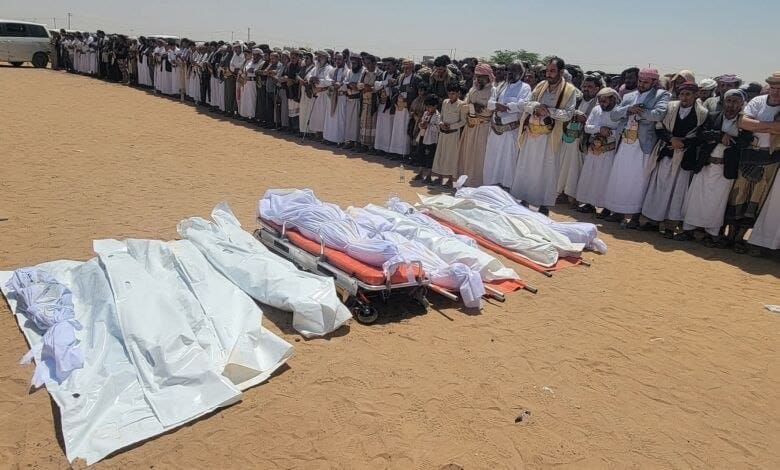
The bodies of ten victims of a fire from one family were laid to rest in the city of Marib in eastern Yemen. The fire broke out in their home on 8 April and led to the deaths of 10 members of a family of 17. According to the Yemen Monitor newspaper, displaced people in Marib face harsh living conditions; many are forced to store basic necessities and fuel inside their modest homes, turning them into "time bombs."
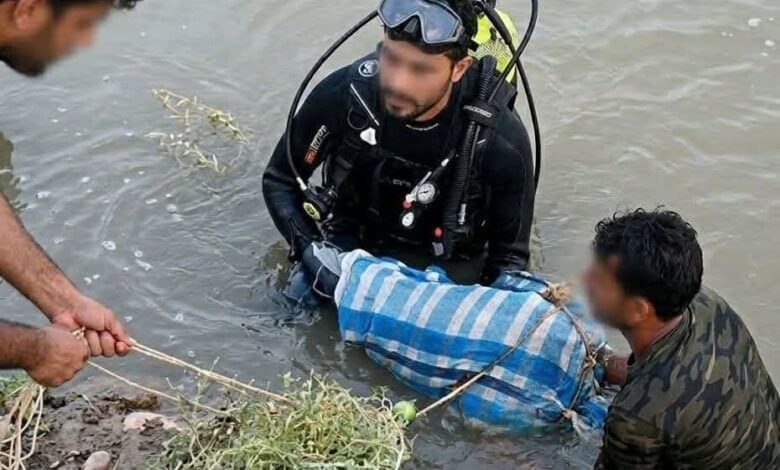
Local sources: The bodies of three members of the same family who drowned on the evening of last Saturday were recovered from the "Tahwila" canal of the Marib Dam in eastern Yemen.
The Civil Defence said that the canal recorded five drowning cases within a few hours, of which only two survived. The Civil Defence administration explained that rescue teams recovered the body of a young man (19 years old), and his sister (16 years old), in addition to another young man (17 years old), and rescued a woman and a child who were on the verge of drowning, in two separate incidents.
Egypt
Deputy Minister of Health "Abla Al-Alfy": "72% of births in Egypt are by caesarean section, and Port Said leads the world in caesarean delivery rates."
The Rohingya
A Rohingya Muslim child was killed by gunfire from the Myanmar army.
Measles in Rohingya camps in Bangladesh
Since early January 2026, Bangladesh has seen a surge in measles cases, with thousands of suspected infections and a rising number of deaths. The outbreak began in the Rohingya refugee camps in "Cox's Bazar", which host more than 1.1 million refugees, including around 190,000 children under the age of five.
Rohingya refugees arrived in Bangladesh with extremely low immunity against measles, as many children had never been vaccinated due to long gaps in immunisation in Rakhine State, creating a large pool of susceptible people that fuelled the rapid measles outbreak of 2017, with more than 1,700 suspected cases within months of their displacement. High birth rates, population movement and periodic disruptions in services also continue to generate susceptibility.
Current estimates indicate up to 7,600 suspected cases and at least 113 suspected deaths nationwide between 15 March 2026 and 5 April 2026. The first wave of infections in the Rohingya camps was identified on 4 January 2026, after which cases increased and spread beyond "Cox's Bazar" across multiple areas, including major urban centres.
The "Cox's Bazar" area is closely linked to the surrounding communities through markets, employment, transport and shared services, and the daily interactions between refugees and the host community create ongoing pathways for disease transmission. The health of Rohingya refugees cannot be separated from the health of Bangladeshi citizens; protecting one group protects the other, and neglecting one undermines both.
The Government of Bangladesh and partner organisations launched large-scale, rapid measles and rubella vaccination campaigns, reaching thousands of children aged between six months and 15 years within months. However, a large part of the strategy is designed around geographic coverage of areas and the general population, rather than fully addressing the distinct transmission dynamics within the Rohingya camps. Full two-dose coverage is difficult to ensure due to continuous births, mobility and gaps in routine services, allowing a large cohort of unvaccinated children to accumulate within the camps.
Morocco
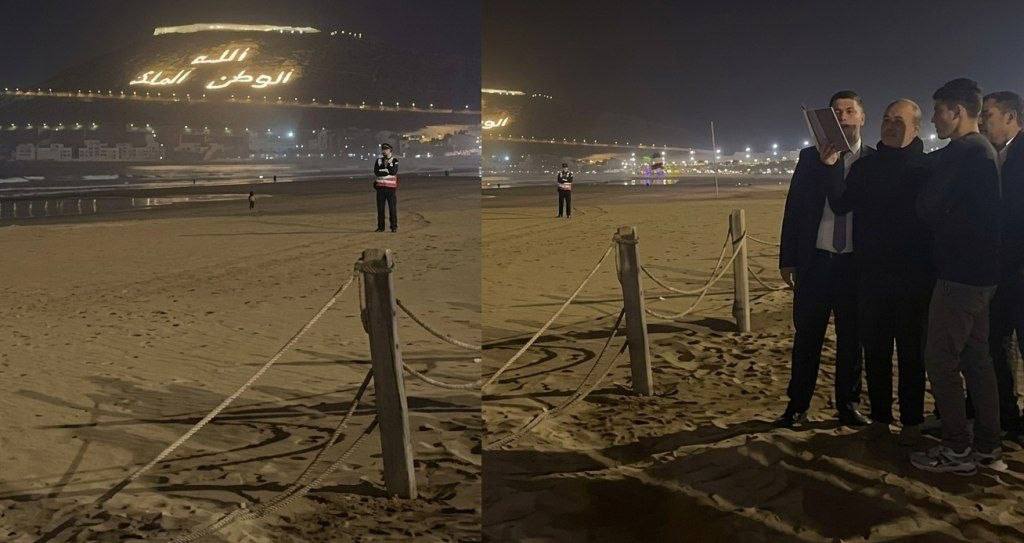
Talmudic rituals on Agadir beach under police protection, just one week after the Talmudic rituals held by Jews in Marrakesh.
Afghanistan
Afghan media: Security sources in Kunar Province in eastern the country reported that, since the evening of 29 April, Pakistani militias began shelling the Dangam district, where several shells fell on civilian homes. The sources said the attacks resulted in the death of one person and the injury of three others. This comes amid escalating attacks in recent days, as the Pakistani side intensified its shelling of the provincial centre, Asadabad, and a number of districts, resulting in dozens of casualties; the shelling also reached Kunar University, injuring a number of professors and students.
The Afghan Foreign Minister had earlier summoned the Pakistani chargé d'affaires in Kabul and handed him a note of protest over these attacks.
Chechnya
Chechen Niso channel: Sources report the abduction of more than 150 people in "Martan-Tey" alone, and 50 people in "Ashkhoy-Marta", in addition to large numbers in other areas. The scale of what is happening is far greater than we are able to know.
Somaliland
The Israeli government has approved the appointment of Michael Lotem as its first ambassador to Somaliland.
India
A review of voter rolls in India has sparked wide controversy after more than 55 million names were removed from electoral lists as part of a campaign that the Election Commission described as aimed at removing duplicates or deaths. In West Bengal State alone, around 9 million voters were removed on the eve of a decisive election, raising concerns among some opposition figures and human rights activists, particularly among Indian Muslims who say they are being targeted politically.
The issue has become a central focus of the electoral race, amid accusations that the scale and timing of the removals are deliberate in order to exclude Muslims. This confirms the futility of the alleged "democratic" path in a country dominated by Hindus.
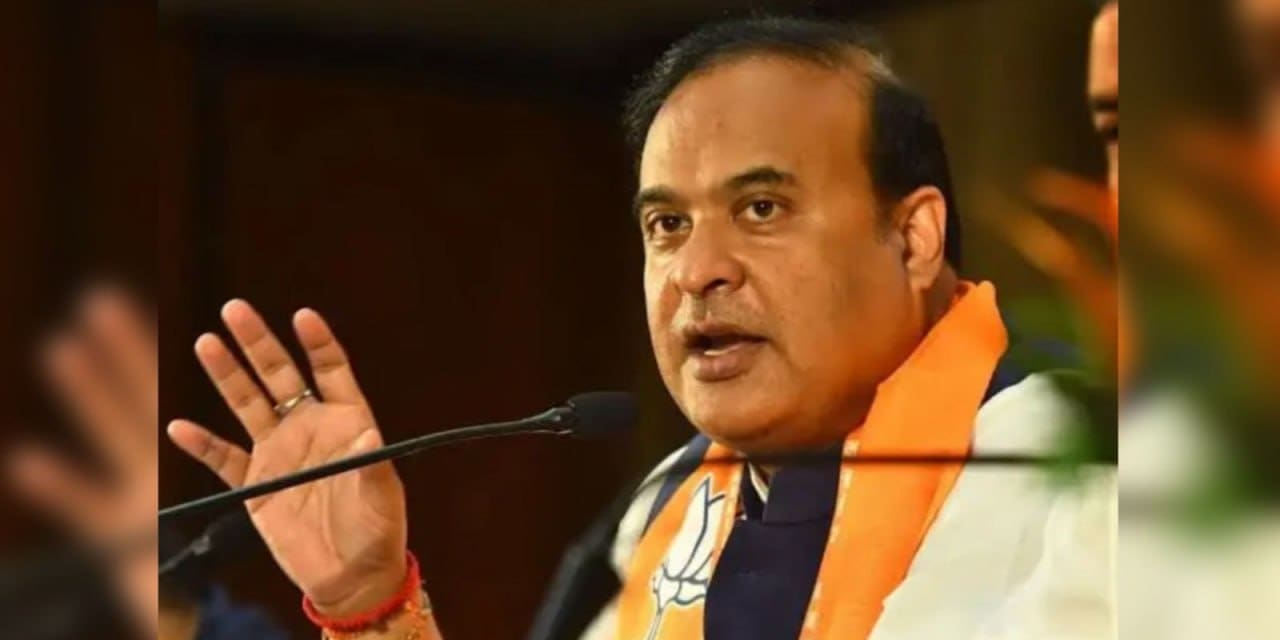
Remarks by the Chief Minister of the Indian state of Assam, Himanta Biswa Sarma, sparked wide controversy after he said that Hindus arriving from Bangladesh are considered "refugees", while Muslims are classified as "infiltrators".
These remarks come amid a rising debate over irregular migration in the border state, with criticism from human rights organisations and opposition figures who considered that the rhetoric is discriminatory and hostile to Muslims. These positions bring back into focus the ongoing debate over citizenship and migration policies in India, particularly in light of laws that treat migrants differently on the basis of religion, giving preference to Hindus and persecuting Muslims.
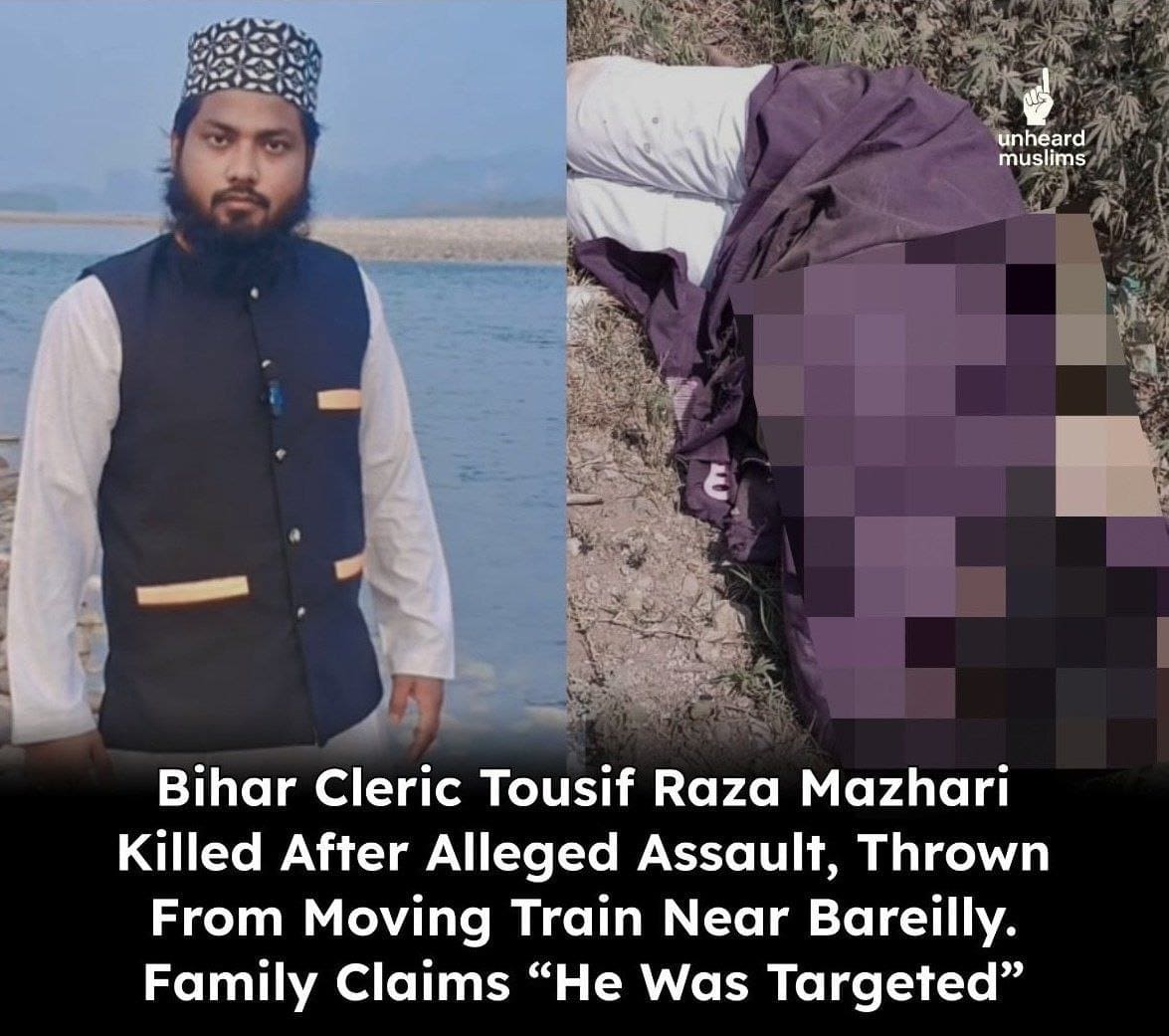
Preacher "Tauseef Raza Mazhari", originally from the state of Bihar, was found dead near a railway track in the Bareilly area after a train journey. During the journey, he called his wife "Tabassum Khatoon" and told her that he was being beaten.
His family confirms there is a criminal suspicion behind the incident.


