


A new protection report has revealed a sharp rise in recorded cases of forced return at the Bangladesh border during the second quarter of 2026, as a Rohingya camp in Cox's Bazar was the scene of a tragic incident that claimed the life of a six-year-old child.
According to data from the United Nations High Commissioner for Refugees, 1,389 people were affected by recorded forced return incidents between April and June 2026, corresponding approximately to the period from Shawwal 1447 AH to Muharram 1448 AH.
The month of April alone recorded more than 700 people affected by these practices, according to the report, which linked the increase to tighter border monitoring measures.
Forced returns raise particular concerns for the Rohingya who fled Rakhine State in Myanmar, where security and humanitarian conditions remain highly precarious in their areas of presence, amid ongoing armed conflict and population displacement.
Protection data indicates that the recorded figures may not reflect the full scale of the phenomenon, given the limited capacity of monitoring mechanisms to document all incidents that occur across border areas.
Bangladesh hosts some one million Rohingya, most of whom live in overcrowded camps in the Cox's Bazar area, following successive waves of displacement from Rakhine, the largest of which followed the military campaign launched by the Myanmar army in 2017.
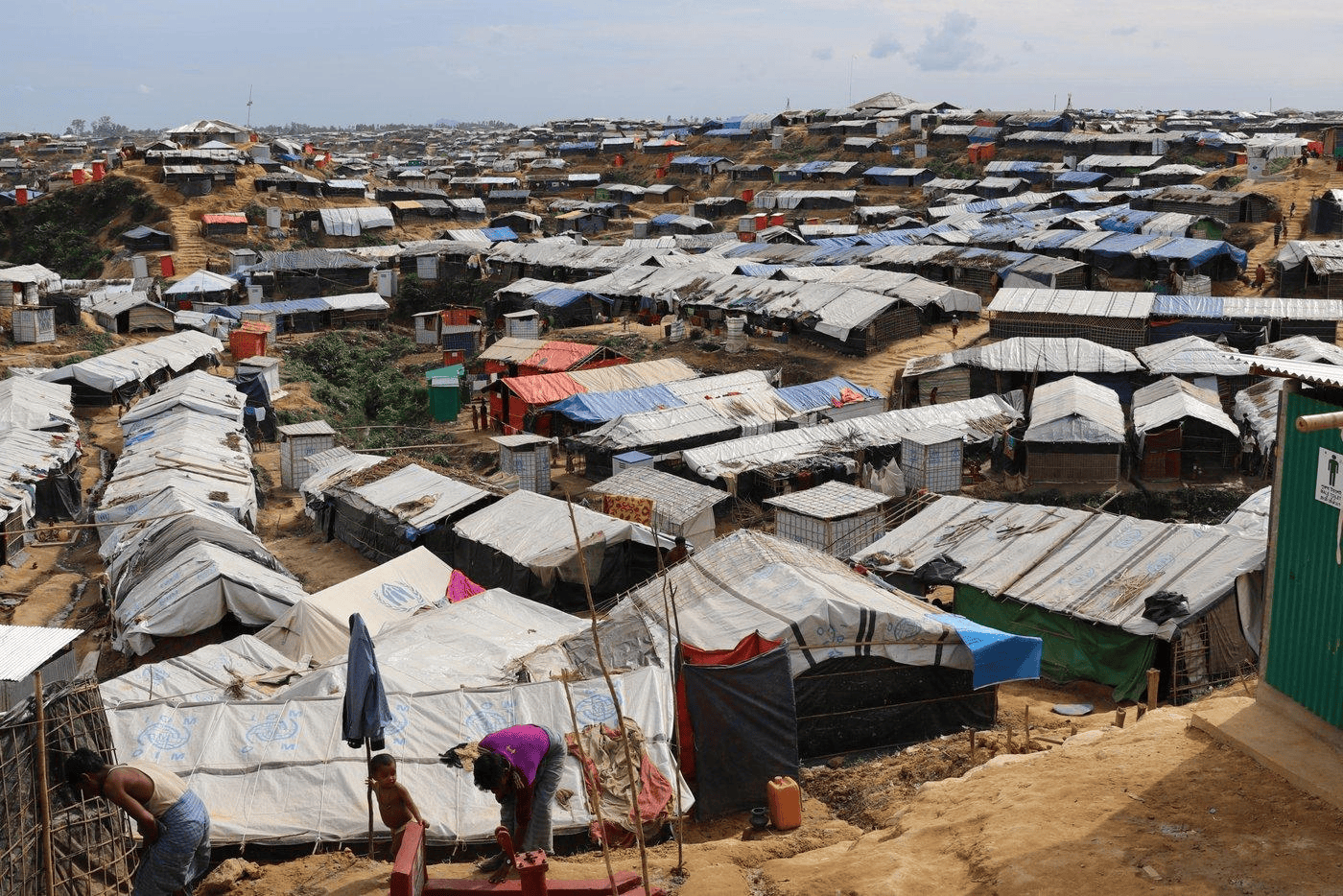
In a separate incident highlighting the daily dangers facing camp residents, a six-year-old Rohingya child died after being struck by a truck inside a refugee camp in Ukhiya, Cox's Bazar district.
Bangladeshi media reported on Tuesday, 15 September 2026, corresponding to 4 Rabi al-Akhir 1448 AH, that the child, Mohammad Ziad, was involved in the accident inside Camp 1 East in Ukhiya on Monday afternoon, which resulted in his death.
Reports quoted an official with Ukhiya police confirming that information had been received regarding the death of a Rohingya child in a traffic accident, noting that authorities were still gathering details about the incident.
According to the information available, there are no indications that the child's death was linked to ethnic or religious targeting; the incident instead falls within the series of humanitarian and livelihood risks faced by refugees in overcrowded camps.
These developments come at a time when hundreds of thousands of Rohingya continue to live in difficult conditions in Bangladeshi camps, while concerns persist about their return to Rakhine in the absence of adequate guarantees for a safe, voluntary and sustainable return.


