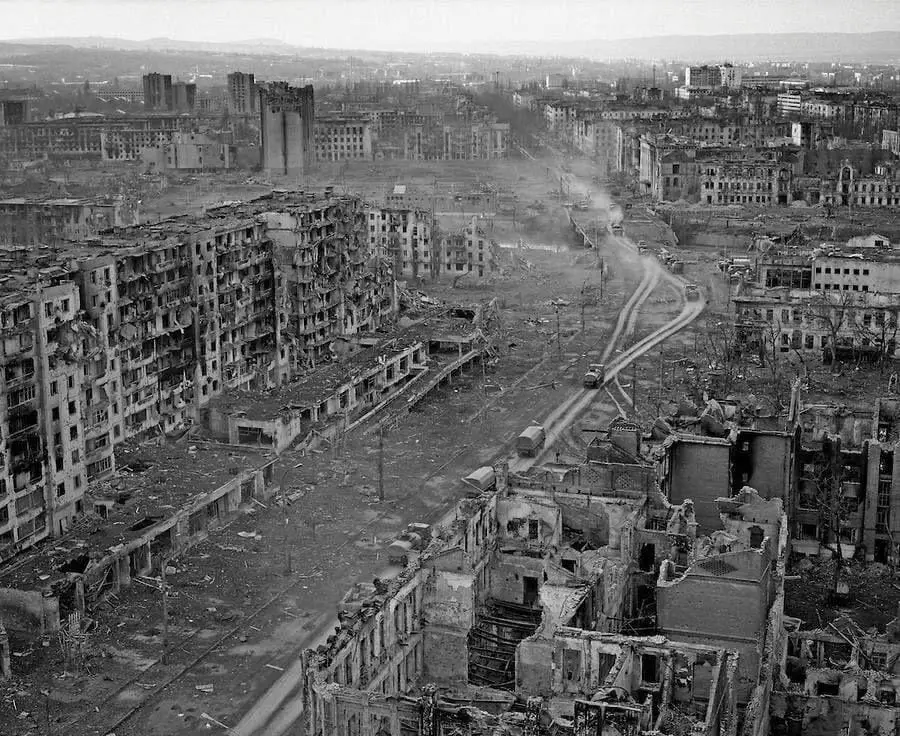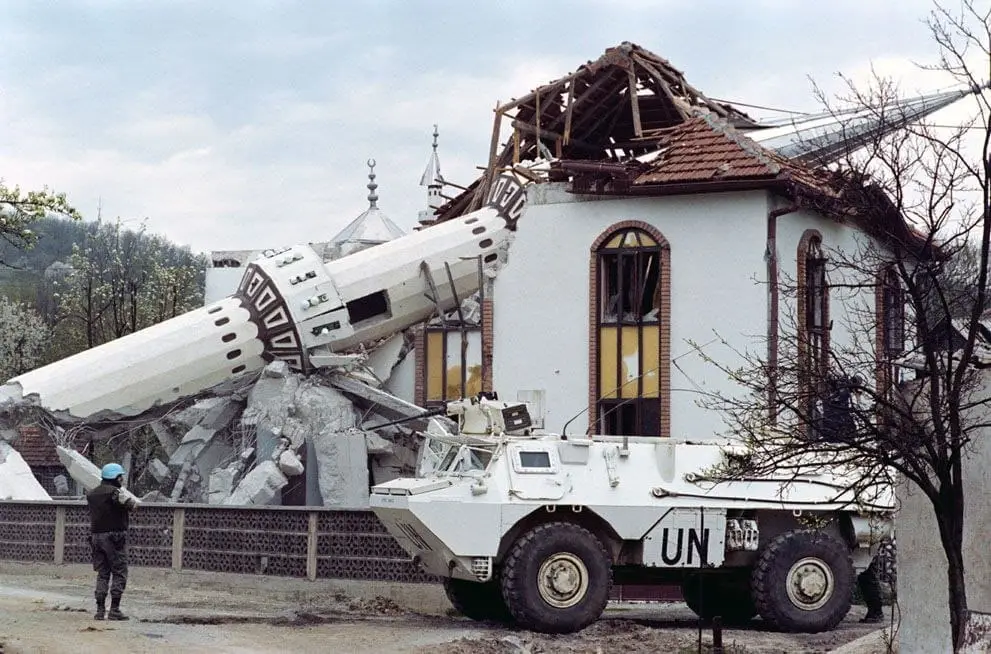
The Bosnian War (1992–1995) is one of the darkest periods in modern European history. It witnessed a major humanitarian tragedy, marked by ethnic cleansing and systematic genocide against Bosnian Muslims (Bosniaks), carried out by Serb forces and Bosnian Serb paramilitaries, with support from Serbia and the Yugoslav army. The Bosnian War was a bloody and brutal conflict that lasted three and a half years and claimed hundreds of thousands of lives, wounded and displaced countless more, destroyed the infrastructure and social fabric of Bosnia, and left deep wounds in the collective memory of Muslims in the Balkans and the wider Islamic world. The Srebrenica massacre (1995) is the peak of these crimes and atrocities, and a symbol of genocide in modern Europe, of the international community's failure to protect innocent civilians, and of the necessity of holding the perpetrators of these crimes and atrocities to account.
Introduction to the Bosnian War and Ethnic Cleansing
To understand the ethnic cleansing of Muslims in Bosnia and the Srebrenica massacre, it is necessary to review the historical context of the breakup of Yugoslavia and the conflict in Bosnia, the aims of the Serbs in ethnic cleansing, the role of the international community and its failure to intervene early, and the impact of these factors on the occurrence of the massacres and atrocities against Bosnian Muslims.
The Breakup of Yugoslavia and the Conflict in Bosnia
Yugoslavia as a Multi-National and Multi-Religious State
Yugoslavia was a federal state of many nationalities, ethnicities and religions, founded after the First World War. Within its framework it brought together different peoples, including Serbs, Croats, Bosnians, Slovenes, Macedonians, Montenegrins, Albanians and others. Yugoslavia comprised different religions, such as Orthodoxy (Serbs), Catholicism (Croats and Slovenes), and Islam (Bosnians, Albanians and others), along with other faiths and denominations. Yugoslavia was a model of coexistence and tolerance among different nationalities and religions, but it was also a fragile and unstable state, because of the national, ethnic and religious tensions and conflicts that lay dormant in Yugoslav society.
The Rise of Nationalist and Separatist Tendencies
In the late 1980s and early 1990s, nationalist and separatist tendencies in Yugoslavia rose sharply, owing to the weakening of the ruling communist system and the effects of the political, economic and social transformations in Eastern Europe and the Soviet Union. The major republics of Yugoslavia, such as Serbia, Croatia and Slovenia, led separatist movements demanding independence and national sovereignty, and ignored the rights and interests of the other republics and minorities in the Yugoslav federation. The rise of nationalist and separatist tendencies gradually led to the disintegration of the Yugoslav federation and the outbreak of bloody wars and conflicts in the region.
The Declaration of Independence of Slovenia and Croatia
Slovenia and Croatia declared their independence from Yugoslavia in June 1991, after two popular referendums in which a majority of the population voted in favour of independence. Serbia and the Yugoslav army opposed the independence of Slovenia and Croatia, and waged a short war against Slovenia and a wider and bloodier war against Croatia, with the aim of preventing their independence and keeping them within Yugoslavia. Slovenia and Croatia succeeded in achieving their independence, with the support of the international community, but the war in Croatia continued for several years and witnessed war crimes, ethnic cleansing and forced displacement of the population.
The Declaration of Independence of Bosnia and Herzegovina
Following the independence of Slovenia and Croatia, Bosnia and Herzegovina declared its independence from Yugoslavia in March 1992, after a popular referendum in which a majority of the population voted in favour of independence. Bosnia and Herzegovina was a multi-national and multi-religious republic, comprising Bosnian Muslims (Bosniaks), Orthodox Serbs, Catholic Croats and other minorities. The Serbs in Bosnia, who constituted about a third of the population, opposed independence and sought to remain within Yugoslavia, or to join a greater Serbian state in the Balkans. With the support of Serbia and the Yugoslav army, the Bosnian Serbs declared a "Republika Srpska" within Bosnia and began a large-scale war against the Muslims and Croats of Bosnia, with the aim of seizing the territory of Bosnia and cleansing it ethnically.
اندلاع حرب البوسنة والهرسك (1992-1995) - (تفاصيل الحرب وأطراف الصراع)
The Bosnian War broke out in April 1992, between Serb forces and Bosnian Serb paramilitaries on one side, and Bosnian and Croatian forces on the other. These were the parties to the conflict in the Bosnian War.
طبيعة حرب البوسنة والهرسك: حرب أهلية طائفية وعرقية
The Bosnian War was a sectarian and ethnic civil war, marked by brutal and bloody violence, ethnic cleansing and genocide against Bosnian Muslims and Croats, and war crimes and crimes against humanity on a large scale. The war was characterised by the national, ethnic and religious conflicts rooted in Yugoslav society, by foreign interference from Serbia, Croatia and other states, and by the complexities of regional and international alliances and balances. The Bosnian War was a major humanitarian tragedy, a stain on Europe and the world, and a grave failure of the international community to prevent the violence, crimes and massacres.
The Aims of the Serbs in the Ethnic Cleansing of Muslims and Croats:
- Establishing a Greater Serbian State (Serbian Nationalist Aims): The main goal of the Serbs in the Bosnian War was to establish a greater Serbian state in the Balkans, encompassing all the areas inhabited by Serbs in former Yugoslavia, including large parts of Bosnia and Herzegovina, Croatia, Kosovo, Macedonia and Montenegro. This extreme nationalist idea, known as "Greater Serbia," was the basic driving force behind the violence, crimes and massacres committed by the Serbs in the Yugoslav wars. The Serbian political and military elite, led by Slobodan Milošević, Radovan Karadžić, Ratko Mladić and others, sought to achieve this extreme nationalist goal at any cost, even at the expense of the lives and suffering of hundreds of thousands, perhaps millions, of innocents. The idea of "Greater Serbia" rested on historical, ethnic and religious myths, ignored the demographic, political and social realities of the region, and caused indescribable tragedies, wars, destruction and ruin.
- Cleansing Bosnia and Herzegovina of Non-Serb Populations (Systematic Ethnic Cleansing): To achieve the goal of establishing a greater Serbian state, the Serbs had to cleanse the areas they aspired to incorporate into their state of non-Serb populations, especially Bosnian Muslims and Catholic Croats, who formed the majority of the population in Bosnia and Herzegovina. Ethnic cleansing of Muslims and Croats was carried out in a systematic and organised manner, with the aim of forcibly removing them from their homes and lands and changing the demographic composition of the region in favour of the Serbs. Ethnic cleansing included mass killings of civilians, forced displacement of millions of people, detention and torture camps, systematic rape, destruction of mosques, churches and cultural and religious property, and the erasure of the cultural and religious identity of Muslims and Croats, replacing it with a Serbian Orthodox identity. Ethnic cleansing in Bosnia was a crime against humanity and cultural genocide, and a stain on modern European history.
- Genocide of the Bosniaks (Srebrenica Massacre as Evidence of Genocide): In the most extreme instance of ethnic cleansing, the Serbs committed genocide against Bosnian Muslims (Bosniaks), with the aim of destroying them entirely or in part as an ethnic and religious group. The genocide of the Bosniaks was embodied in the Srebrenica massacre of 1995, which claimed the lives of more than 8,000 Bosnian men and boys, who were killed brutally and bloodily in the Srebrenica safe area, which was under United Nations protection. The Srebrenica massacre is clear evidence of the Serbs' intent to commit genocide, and of their determination to destroy the Islamic presence in Bosnia and Herzegovina and establish a purely Serbian state in the region. Besides the Srebrenica massacre, the Serbs committed many other massacres against Bosnian Muslims in various parts of Bosnia and Herzegovina, in detention and torture camps, in systematic rape operations, and in bombardment and destruction campaigns, which points to a systematic and organised pattern of violence and genocide against Bosnian Muslims.
The Role of the International Community and Its Failure to Intervene Early:
- The International Community's Failure to Intervene Early (Failure of Diplomacy and Policy): The international community failed to intervene early and effectively to halt the war in Bosnia and prevent the ethnic cleansing and genocide of Muslims. The major powers were reluctant to intervene militarily in Bosnia and preferred diplomatic and political solutions, which were not sufficient to halt the violence, crimes and massacres. The major powers continued to call for ceasefires, political negotiations and the dispatch of international envoys, but took no practical and effective measures to stop Serb aggression, protect innocent civilians, or hold the perpetrators of crimes and atrocities to account. The international community's failure to intervene early was a grave failure of international diplomacy and policy, and allowed the war, crimes and massacres in Bosnia to continue for three and a half years, with hundreds of thousands of victims and the destruction of Bosnian society.
- The Arms Embargo and the Strengthening of the Serb Side: The UN Security Council imposed an arms embargo on former Yugoslavia in 1991, with the aim of preventing the escalation of the conflict in the region. However, the arms embargo harmed the Bosnians in particular, who were less armed than the Serbs, and prevented them from defending themselves and resisting Serb aggression. The Serb forces benefited from the arms embargo, as they possessed a vast arsenal of weapons from the former Yugoslav army, while the Bosnian army suffered from a severe shortage of weapons, ammunition and military equipment. The arms embargo strengthened the Serb side, weakened the Bosnian side, and prolonged the war and aggravated the human and material losses.
- The International Peacekeeping Forces (UNPROFOR) and Their Failure to Protect: The United Nations sent an international peacekeeping force to Bosnia and Herzegovina (UNPROFOR) in 1992, with the aim of protecting civilians and providing security and stability in the region. However, the international peacekeeping force was limited in numbers, capabilities and mandate, and was unable to protect civilians, prevent massacres or halt the war. The peacekeeping force relied on "neutrality" and "non-use of force," and lacked a strong mandate and adequate resources to intervene effectively in the conflict and protect civilians from violence, crimes and massacres. On many occasions, the peacekeeping force failed to protect civilians, ignored calls for help, and stood by idly in the face of the massacres and atrocities committed by the Serbs against Muslims and Croats. The failure of the peacekeeping force was a grave failure for the United Nations and a stain on the international organisation, revealing its inability to protect innocent civilians in conflict zones.
- The Srebrenica Safe Area and the United Nations' Failure (Failure of the Safe Area): The United Nations declared Srebrenica a safe area in 1993, to protect Bosnian Muslim refugees who had sought refuge there fleeing war, violence and ethnic cleansing. Srebrenica was surrounded by Serb forces, besieged on all sides, and wholly dependent on humanitarian aid provided by the United Nations. The United Nations entrusted the protection of the safe area to a small and poorly equipped Dutch force (Dutchbat), part of the United Nations peacekeeping force (UNPROFOR). However, in July 1995, when Serb forces attacked Srebrenica, the Dutch force failed to protect the town and its population, allowed Serb forces to enter and occupy the town, and the Srebrenica massacre was carried out, claiming the lives of more than 8,000 Bosnian men and boys. The United Nations' failure to protect Srebrenica was a grave failure for the international organisation and a stain on the international community, revealing its inability to protect innocent civilians in conflict zones, and the failure of the "safe area" system adopted by the United Nations in Bosnia and Herzegovina.
The Srebrenica Massacre (1995)
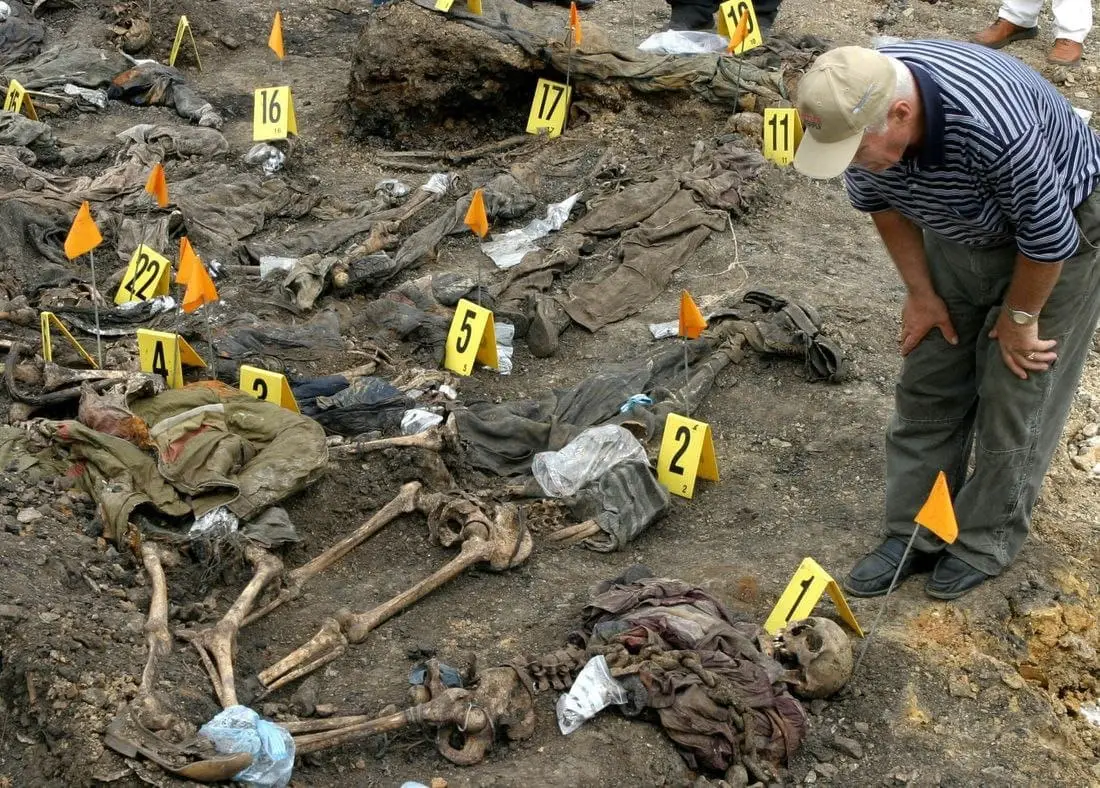
The Srebrenica massacre (11–13 July 1995) is the peak of the war crimes and genocide in the Bosnian War, and one of the most horrific massacres in modern European history. More than 8,372 Bosnian Muslim men and boys were killed in this massacre, brutally and bloodily, by Serb forces and Bosnian Serb paramilitaries, in the Srebrenica safe area, which was under United Nations protection. The Srebrenica massacre has become a symbol of genocide in modern Europe, of the international community's failure to protect innocent civilians, of the necessity of holding the perpetrators of these crimes and atrocities to account, and of the need to prevent such tragedies from recurring in the future.
Details of the Massacre and the Circumstances That Led to It - (Precise and Harrowing Details)
- 11 July 1995: The fall of Srebrenica and the Dutch failure to act (details of the fall and the failure to act): On the morning of 11 July 1995, Serb forces and Bosnian Serb militias entered the city of Srebrenica after an offensive that lasted several days. The Dutch force failed to protect the city and did not resist. The Dutch force offered no serious resistance to the Serb offensive, did not request military reinforcements from the United Nations, and took no effective measures to protect the city and its population. The Dutch force surrendered to the Serb forces without significant fighting, leaving the unarmed Muslim population of the city easy prey for the massacre. Dutch peacekeepers watched with their own eyes as Serb forces entered the city, gathered Muslim men and boys, and began carrying out the massacre, and they did not move; they did not attempt to intervene or prevent the crime. The Dutch force's failure to protect constituted a grave betrayal of the trust placed in it by the United Nations, a stain on the Dutch army and the Dutch government, and directly contributed to the Srebrenica massacre.
- 12 July 1995: Separation of men and boys from women and deportation (details of the separation and deportation): On 12 July 1995, Serb forces and Bosnian Serb militias separated Bosniak Muslim men and boys from women, children and the elderly at the Dutch force base in Potočari, near Srebrenica. The men and boys were gathered into buses and trucks under the pretext of "verifying their identities" and "security screening," and were transported to various locations in preparation for their killing and extermination. Bosniak Muslim women, children and the elderly were forcibly deported from Srebrenica in buses and trucks to other areas of Bosnia and Herzegovina under the control of the Bosnian army. The Dutch force watched the separation and deportation with their own eyes and did not move; they did not attempt to intervene or prevent the crime. The separation and deportation marked the beginning of the massacre and genocide, and a decisive turning point in the fate of Bosniak Muslim men and boys in Srebrenica.
- 13–16 July 1995: Mass killings and extermination (details of the killings and extermination): Between 13 and 16 July 1995, Serb forces and Bosnian Serb militias carried out systematic and organised mass killings and genocide against Bosniak Muslim men and boys who had been separated from women and children in Potočari. The men and boys were taken to remote areas, such as forests, hills, valleys and farms, and executed by shooting, slaughter, explosives, or other brutal and bloody methods. The victims' bodies were hidden in secret mass graves, with the aim of concealing traces of the crime and preventing the identification of the victims. Serb forces used various methods of mass killing, including:
- Execution by shooting: Execution by shooting was the main method of mass killing in Srebrenica. Men and boys were gathered in large groups, taken to execution sites, forced to lie on the ground or kneel, and then shot at close range with automatic weapons and heavy machine guns. Executions were filmed, documented in sound and image, and used as evidence of guilt against perpetrators in international courts.
- Slaughter and dismemberment: In some cases, Serb forces and Bosnian Serb militias used more brutal and bloody methods, including slaughter, dismemberment, decapitation, mutilation of bodies, and cutting, tearing and burning them. The aim of these brutal methods was to terrorise, humiliate and degrade the Muslim population, to demonstrate Serb power and control, and to take revenge on Muslims for their military defeats in other areas of Bosnia and Herzegovina.
- Explosion and burning: In some cases, Serb forces and Bosnian Serb militias used explosives and fire to kill victims, particularly in operations to conceal bodies in secret mass graves. Mass graves were blown up with dynamite and explosives, with the aim of destroying the bodies and concealing traces of the crime. Bodies were also burned with petrol and incendiary materials, with the aim of completely destroying them and preventing the identification of the victims.
- Secret mass graves and concealment of the crime (efforts to uncover the graves and identify the victims): After the mass killings and genocide in Srebrenica, Serb forces and Bosnian Serb militias hid the victims' bodies in secret mass graves, with the aim of concealing traces of the crime and preventing the identification of the victims. The bodies were moved to remote areas, such as forests, hills, valleys and farms, and buried in mass pits. The graves were covered with soil, trees and vegetation, and landmarks and traces indicating the presence of the graves were destroyed. Despite the efforts at concealment and cover-up, international and local investigation commissions uncovered many secret mass graves in the Srebrenica area and surrounding areas, and identified thousands of victims, through DNA analysis compared with DNA samples from the victims' family members. The uncovering of the mass graves and identification of the victims in Srebrenica is considered one of the largest and most successful forensic and criminal investigations in modern history, and contributed significantly to documenting the Srebrenica massacre and providing the evidence that condemns the perpetrators.
Efforts to uncover the graves and identify the victims
After the end of the Bosnian War, international and local investigation commissions began sustained and arduous efforts to uncover the secret mass graves in the Srebrenica area and surrounding areas, identify the victims, and bring them to justice. Efforts to uncover the graves and identify the victims included:
- Field investigations: Investigation commissions carried out extensive field investigations in the Srebrenica area and surrounding areas, in cooperation with local residents, survivors and eyewitnesses, to identify possible mass grave sites, document testimonies and accounts, and collect evidence indicating the presence of graves.
- Excavation of mass graves: Investigation commissions excavated suspected mass graves using modern equipment and techniques, such as metal detectors, ground-penetrating radar, aerial survey and satellite imagery. Hundreds of secret mass graves were found in the Srebrenica area and surrounding areas, containing the bodies of thousands of victims.
- Forensic medicine and DNA analysis: Forensic teams analysed the victims' bodies recovered from the mass graves and determined their identities through DNA analysis, compared with DNA samples from the victims' family members. The identities of thousands of Srebrenica victims were established and the remains were returned to their families for dignified and respectful burial, and to commemorate them and keep their memory alive in the collective consciousness.
- Victims' database: A central database of Srebrenica massacre victims was created, containing the victims' names, identities and details of their lives and deaths, their photographs, testimonies from family members, DNA analysis results and other information and data. The Srebrenica victims database is an important reference for researchers, historians and human rights organisations, for victims' families and survivors, and for the international community in general.
- Estimates of victim numbers: Final and documented estimates indicate that the number of victims of the Srebrenica massacre reached at least 8,372 martyrs, whose identities were conclusively established through DNA analysis compared with DNA samples from their family members. This figure is the minimum number of victims, and the true number may be considerably higher, owing to the continuing efforts to uncover further mass graves and identify the remaining victims. The list of victims in Srebrenica includes Bosniak Muslim men and boys who were brutally and bloodily killed in the genocidal massacre of July 1995.
The role of the Dutch peacekeeping force and the failure of the United Nations (failure of international protection)
- The Dutch force's failure to protect (responsibility of the Dutch force): The Dutch force (Dutchbat) failed to protect Srebrenica and its population, in a blatant and flagrant manner, and violated all the expectations, commitments and responsibilities assigned to it by the United Nations and the international community. The Dutch force did not effectively resist the Serb offensive, did not request military reinforcements from the United Nations, and took no measures to protect civilians or prevent the massacre. The Dutch force surrendered to the Serb forces without significant fighting, leaving the unarmed Muslim population of the city easy prey for the massacre. The Dutch force's failure to protect constituted a grave betrayal of the trust placed in it by the United Nations, a stain on the Dutch army and the Dutch government, and directly contributed to the Srebrenica massacre. Dutch courts held the Dutch government partially responsible for the deaths of around 300 Bosniak Muslim men who were handed over by the Dutch force to Serb forces and were executed later. This judicial ruling is an important legal precedent establishing the responsibility of states for their forces' failure to protect civilians in conflict zones.
- The failure of the United Nations (responsibility of the United Nations): The United Nations also failed to intervene effectively to protect Srebrenica and its population, and failed to provide support and military reinforcements to the Dutch force; it took no practical measures to halt the Serb offensive or prevent the massacre. The United Nations contented itself with issuing statements of condemnation and denunciation, and took no effective measures to hold the perpetrators accountable or to protect innocent civilians. The United Nations' failure to intervene constituted a catastrophic failure for the international organisation, a stain on the United Nations and the international community, and revealed the inability of the international organisation to protect innocent civilians in conflict zones, and the failure of the "safe areas" system adopted by the United Nations in Bosnia and Herzegovina. The Srebrenica massacre is clear evidence of the United Nations' failure to protect civilians in conflict zones, and of the need to reform the international organisation and develop effective mechanisms for military and humanitarian intervention to protect civilians and prevent genocide and crimes against humanity.
War crimes trials at the International Criminal Tribunal in The Hague (holding those responsible for the massacre to account)
- The International Criminal Tribunal for the former Yugoslavia (ICTY): After the end of the Bosnian War, the International Criminal Tribunal for the former Yugoslavia was established in The Hague to investigate the war crimes, crimes against humanity and genocide committed during the Yugoslav wars, and to prosecute those responsible.
- Prosecution of war criminals (convictions and life imprisonment): The International Criminal Tribunal for the former Yugoslavia issued convictions and lengthy prison sentences against a number of Serb war criminals involved in the Srebrenica massacre and the other crimes committed in the Bosnian War. Among the most prominent war criminals tried and convicted at the International Criminal Tribunal for the former Yugoslavia:
- Ratko Mladić: Military commander of the Bosnian Serbs, sentenced to life imprisonment for genocide, crimes against humanity and war crimes, for his principal role in the Srebrenica massacre and other crimes during the Bosnian War. Ratko Mladić is considered the primary person responsible for the Srebrenica massacre, and the main planner and perpetrator of the genocide of the Bosniaks.
- Radovan Karadžić: Political leader of the Bosnian Serbs, sentenced to life imprisonment for genocide, crimes against humanity and war crimes, for his political and leadership role in the Srebrenica massacre and other crimes during the Bosnian War. Radovan Karadžić is considered the primary political person responsible for the Srebrenica massacre, and responsible for planning and inciting the genocide of the Bosniaks.
- Radislav Krstić: Commander in the Bosnian Serb army, sentenced to 46 years' imprisonment for genocide, for his direct role in the Srebrenica massacre and for carrying out orders for killing and genocide. Radislav Krstić is considered the first war criminal convicted of genocide at the International Criminal Tribunal for the former Yugoslavia, and his conviction set an important legal precedent in international criminal law.
- Vujadin Popović and Ljubiša Beara: Commanders in the Bosnian Serb army, sentenced to life imprisonment for genocide, crimes against humanity and war crimes, for their leadership and organisational role in the Srebrenica massacre, and for coordinating and carrying out the mass killings and genocide.
The significance of Srebrenica as a symbol of genocide in modern Europe
- A symbol of genocide in modern Europe: The Srebrenica massacre has become a symbol of genocide in modern Europe, and a painful reminder of the dangers of ideological hatred and the need to work to prevent such tragedies from recurring in the future.
- International community's failure and the need for early intervention (failure of international protection and lessons learned): The Srebrenica massacre has become a symbol of the international community's failure to protect innocent civilians in conflict zones, and of the failure of the "safe areas" system adopted by the United Nations in Bosnia and Herzegovina, and of the need for early and effective intervention to prevent genocide and crimes against humanity.
- Commemorating the victims and collective memory: The victims of the Srebrenica massacre are commemorated on 11 July each year, in Bosnia and Herzegovina and around the world, to honour their memory, and to affirm the commitment to combating genocide and crimes against humanity and protecting human rights. Annual commemorative events are held in Srebrenica and Potočari, attended by thousands of people from Bosnia and Herzegovina and around the world.
Other massacres during the Bosnian War
In addition to the horrific Srebrenica massacre, the Bosnian and Herzegovinian war witnessed a series of other massacres and atrocities committed by Serb forces and Bosnian Serb militias against Muslims and Croats in various areas of Bosnia and Herzegovina. These crimes and atrocities included not only mass killings, but also detention and torture camps, systematic rape of women, the shelling of cities and villages, forced displacement of millions of residents, the destruction of property and sacred sites, and the erasure of the cultural and religious identity of Muslims and Croats.
Serb detention camps for Muslims and Croats
Serb forces and Bosnian Serb militias established an extensive network of detention camps in various areas of Bosnia and Herzegovina to hold, torture, humiliate and kill Muslim and Croat civilians. These camps were secret and unlawful places of detention, set up in unsanitary and inhumane conditions, where detainees were subjected to the worst forms of torture, mistreatment and human rights violations. Estimates indicate that the number of Serb detention camps in Bosnia and Herzegovina exceeded 677 camps, that the number of detainees in these camps reached 200,000 or more, and that the number of deaths in the camps exceeded 30,000 or more; the true number of victims may be considerably higher, owing to the absence of comprehensive documentation and the Serb authorities' concealment of these events. Below is a detailed list of the principal Serb detention camps in Bosnia and Herzegovina, with particular focus on the Omarska, Keraterm and Manjača camps, which are among the most horrific and well-known detention camps of the Bosnian War.
- Omarska camp (details of the camp and the atrocities committed)
Location and conditions: The Omarska camp is located near the city of Prijedor in north-west Bosnia and Herzegovina. The camp was established in an abandoned iron mine, comprising a group of industrial buildings, warehouses and sheds that were converted into secret detention facilities for the detention of Muslim and Croat civilians. Conditions of detention at the Omarska camp were inhumane and extremely poor. Detainees lived in severe overcrowding in cells and sheds, without ventilation, lighting, heating or cooling, and without clean water, sanitation or health care. Food was scarce and of poor quality, water was in short supply and unfit for drinking, diseases and epidemics spread among the detainees, and their physical and psychological health deteriorated significantly.
Torture and ill-treatment: Detainees at the Omarska camp were subjected to systematic and brutal torture, ill-treatment and humiliation on a daily and continuous basis, by Serb guards and supervisors. The torture and ill-treatment at the Omarska camp included:
Brutal physical torture: Detainees were subjected to various forms of physical torture, including beating, flogging, kicking, punching and slapping, suspension by the limbs, electric shocks, simulated drowning, deprivation of sleep, food and water, burning, branding, mutilation and desecration of corpses, and slow killing. Physical torture aimed to force detainees to confess to "crimes" they had not committed, to extort them and their families, to terrorise the Muslim and Croat population, and to suppress resistance.
Psychological torture and humiliation: Detainees were subjected to psychological torture and humiliation on a daily and continuous basis, including verbal abuse, insults, curses, belittling and contempt, forced nudity, sexual assault and threats of rape, religious and cultural humiliation, and forcing detainees to perform demeaning and degrading acts, such as cleaning toilets, collecting garbage, kissing the guards' boots, and dancing and singing in front of the guards, among other humiliating and degrading acts. Psychological torture and humiliation aimed to break the will of the detainees, to destroy their personality, identity and dignity, and to force them into submission, surrender and loyalty to the Serbs.
Daily killings and executions: The Omarska camp witnessed daily killings and summary executions of Muslim and Croat detainees, in a random and collective manner, without trial, investigation or any legal or moral justification. Serb guards and supervisors killed detainees for the most trivial reasons, or merely for amusement and entertainment, for revenge against Muslims and Croats, or to terrorise the remaining detainees. Detainees were killed by shooting, slaughter, severe beating, torture to death, deliberate medical neglect, starvation and deprivation of water, or disease and epidemics. Estimates indicate that at least 700 detainees were killed at the Omarska camp, but the true number of victims may be far higher, due to the absence of comprehensive documentation and the Serbian authorities' concealment of these events.
Testimonies of survivors and victims: Survivors and victims of the Omarska camp gave harrowing testimony about the torture, ill-treatment, humiliation and daily killings in the camp, and revealed the atrocities and crimes committed by Serb guards and supervisors against Muslim and Croat detainees. These testimonies describe the cruelty of the torture and the brutality and bloodshed, the severity and inhumanity, the humiliation and degradation, and the suffering and pain endured by detainees in the Omarska camp. These testimonies were collected by journalists, human rights organisations, and television and radio programmes, and were published and documented in books, articles, reports and documentary films, exposing the brutality of the Omarska camp and the suffering of Muslim and Croat detainees in the Bosnian war.
- Keraterm camp – (details of the camp and the atrocities committed)
Location and conditions: The Keraterm camp is also located near the city of Prijedor, about 5 kilometres from the Omarska camp. The camp was established in an abandoned ceramics factory, comprising a group of industrial buildings, warehouses and sheds that were converted into secret detention facilities for the detention of Muslim and Croat civilians. Conditions of detention at the Keraterm camp were similar to those at the Omarska camp, inhumane and extremely poor. Detainees lived in severe overcrowding in cells and warehouses, without ventilation, lighting, heating or cooling, and without clean water, sanitation or health care. Food was scarce and of poor quality, water was in short supply and unfit for drinking, diseases and epidemics spread among the detainees, and their physical and psychological health deteriorated significantly.
Torture and ill-treatment: Detainees at the Keraterm camp were subjected to systematic and brutal torture, ill-treatment and humiliation on a daily and continuous basis, by Serb guards and supervisors. The torture and ill-treatment at the Keraterm camp included methods similar to those at the Omarska camp, but possibly more brutal and bloody, owing to the camp's more isolated and secretive nature and the cruelty of the Serb guards and supervisors. The torture and ill-treatment at the Keraterm camp included:
Severe physical torture: Detainees were subjected to severe physical torture in its various forms, including severe beating, flogging with whips, clubs and sticks, kicking, punching and slapping, suspension by the limbs, electric shocks, simulated drowning, deprivation of sleep, food and water for long periods, burning, branding, mutilation and desecration of corpses, and slow killing. Severe physical torture aimed to force detainees to confess to "crimes" they had not committed, to extort them and their families, to terrorise the Muslim and Croat population, and to suppress resistance. The Keraterm camp was marked by the brutality of severe physical torture and the use of horrific and inhumane methods of torture that surpassed all imagination in their severity.
Psychological torture and degrading humiliation: Detainees were subjected to psychological torture and humiliation on a daily and continuous basis, including verbal abuse, insults, curses, belittling and contempt, forced nudity, sexual assault, rape and threats of rape, religious and cultural humiliation, and forcing detainees to perform demeaning and degrading acts, such as cleaning toilets, collecting garbage, kissing the guards' boots, dancing and singing in front of the guards, sexual harassment of men and women, and other humiliating and degrading acts. Psychological torture and degrading humiliation aimed to break the will of the detainees, to destroy their personality, identity and dignity, to force them into submission, surrender and loyalty to the Serbs, and to turn them into abject beings stripped of their will.
Mass killing and brutal executions: The Keraterm camp witnessed mass killings and brutal executions of Muslim and Croat detainees, in a random and collective manner, without trial, investigation or any legal or moral justification. Serb guards and supervisors killed detainees in large numbers, at various times, for trivial reasons or merely for amusement and entertainment, for revenge against Muslims and Croats, or to terrorise the remaining detainees. Detainees were killed by shooting, slaughter, severe beating, torture to death, deliberate medical neglect, starvation and deprivation of water, or disease and epidemics, and the bodies of the victims were thrown into secret mass graves, or burned, destroyed and concealed. Estimates indicate that at least 400 detainees were killed at the Keraterm camp, but the true number of victims may be far higher, due to the absence of comprehensive documentation and the Serbian authorities' concealment of these events. The Keraterm camp was marked by the brutality of mass killing and brutal executions, and the use of horrific and inhumane methods of killing that surpassed all imagination in their severity.
Survivors' testimonies and horrific atrocities: Survivors of the Keraterm camp gave horrific and frightening testimony about the torture, ill-treatment, humiliation, mass killing and brutal executions in the camp, and revealed the atrocities and crimes committed by Serb guards and supervisors against Muslim and Croat detainees. These testimonies describe the cruelty of the torture and the brutality and bloodshed, the severity and inhumanity, the humiliation and degrading humiliation, the mass killing and brutal executions, and the suffering and pain endured by detainees in the Keraterm camp. The testimonies of Keraterm survivors are among the harshest and most significant accounts documenting war crimes and genocide in the Bosnian war, exposing the brutality of the Keraterm camp and the suffering of Muslim and Croat detainees in the Bosnian war.
- Manjača camp – (details of the camp and the atrocities committed)
Location and conditions: The Manjača camp is located near the city of Banja Luka in northern Bosnia, and is considered one of the largest Serbian detention camps in the Bosnian war. The camp was established on an abandoned cattle farm, spanning a wide area and comprising a group of sheds, warehouses and agricultural buildings that were converted into secret detention facilities for the detention of Muslim and Croat civilians. Conditions of detention at the Manjača camp were inhumane and extremely poor. Detainees lived in severe overcrowding in sheds and warehouses, without ventilation, lighting, heating or cooling, and without clean water, sanitation or health care. Food was scarce and of poor quality, water was in short supply and unfit for drinking, diseases and epidemics spread among the detainees, and their physical and psychological health deteriorated significantly. The Manjača camp was marked by its vast size and the overcrowding of detainees, and by inhumane detention conditions and severe ill-treatment and humiliation.
Torture, ill-treatment and mass humiliation: Detainees at the Manjača camp were subjected to systematic and brutal torture, ill-treatment and mass humiliation on a daily and continuous basis, by Serb guards and supervisors. The torture, ill-treatment and mass humiliation at the Manjača camp included methods similar to those at the Omarska and Keraterm camps, but possibly more severe and pervasive, owing to the camp's vast size and overcrowding with detainees, and the cruelty of the Serb guards and supervisors, who took pains to devise new and horrific methods of torture aimed at humiliating, intimidating and terrorising the detainees. The torture, ill-treatment and mass humiliation at the Manjača camp included:
Brutal physical torture and mass torture: Detainees were subjected to brutal physical torture in its various forms, including severe beating, flogging with whips, clubs and sticks, kicking, punching and slapping, suspension by the limbs, electric shocks, simulated drowning, deprivation of sleep, food and water for long periods, burning, branding, mutilation and desecration of corpses, and slow killing. The Manjača camp was marked by mass torture of detainees, in which large groups of detainees were tortured at the same time, in front of the other detainees, with the aim of terrorising, humiliating and degrading them, demonstrating Serbian power and control, and suppressing any attempt at resistance or rebellion.
Psychological torture and mass degrading humiliation: Detainees were subjected to psychological torture and mass degrading humiliation on a daily and continuous basis, including verbal abuse, insults, curses, belittling and contempt, mass forced nudity, sexual assault, mass rape and threats of mass rape, mass religious and cultural humiliation, and forcing detainees to perform mass demeaning and degrading acts, such as cleaning toilets, collecting garbage, kissing the guards' boots, dancing and singing in front of the guards, sexual harassment of men and women in public, and other mass humiliating and degrading acts. Psychological torture and mass degrading humiliation aimed to break the will of the detainees collectively, to destroy their personality, identity and collective dignity, to force them into submission, surrender and loyalty to the Serbs, and to turn them into abject beings stripped of their will collectively.
Mass killing and mass brutal executions: The Manjača camp witnessed mass killings and brutal mass executions of Muslim and Croat detainees, in a random and collective manner, without trial, investigation or any legal or moral justification. Serb guards and supervisors killed detainees in large numbers, at various times, for trivial reasons or merely for amusement and entertainment, for revenge against Muslims and Croats, or to terrorise the remaining detainees collectively. Detainees were killed by shooting, slaughter, severe beating, torture to death, deliberate medical neglect, starvation and deprivation of water, or disease and epidemics, and the bodies of the victims were thrown into secret mass graves, or burned, destroyed and concealed collectively. Estimates indicate that thousands of detainees were killed at the Manjača camp, but the true number of victims remains unknown due to the absence of comprehensive documentation and the Serbian authorities' concealment of these events. The Manjača camp was marked by the brutality of mass killing and brutal mass executions, and the use of horrific and inhumane methods of collective killing that surpassed all collective imagination in their severity.
Survivors' testimonies and horrific mass atrocities: Survivors of the Manjača camp gave horrific and frightening testimony about the torture, ill-treatment, mass humiliation, mass killing and brutal mass executions in the camp, and revealed the mass atrocities and crimes committed by Serb guards and supervisors against Muslim and Croat detainees. These testimonies describe the cruelty of mass torture and the collective brutality and bloodshed, the collective severity and inhumanity, the mass humiliation and degrading humiliation, the mass killing and brutal mass executions, and the collective suffering and pain endured by detainees in the Manjača camp. The testimonies of Manjača survivors are among the harshest and most significant accounts documenting war crimes and genocide in the Bosnian war, exposing the brutality of the Manjača camp and the collective suffering of Muslim and Croat detainees in the Bosnian war.
Other detention camps: In addition to the Omarska, Keraterm and Manjača camps, the Serbs established numerous other detention camps in various areas of Bosnia and Herzegovina, for the detention, torture and killing of Muslim and Croat civilians. These other camps include:
Trnopolje camp: A Serbian detention camp located near the city of Prijedor, established in an abandoned school, in which thousands of Muslim and Croat civilians were detained and subjected to torture, ill-treatment and humiliation.
Foča camp: A Serbian detention camp located in the city of Foča in eastern Bosnia, established in a former prison, in which thousands of Muslim and Croat civilians were detained and subjected to torture, ill-treatment, humiliation and killing.
Batković camp: A Serbian detention camp located near the city of Bijeljina in eastern Bosnia, established on an abandoned farm, in which thousands of Muslim and Croat civilians were detained and subjected to torture, ill-treatment, humiliation and killing.
Brčko camp: A Serbian detention camp located near the city of Brčko in northern Bosnia, established in an abandoned factory, in which thousands of Muslim and Croat civilians were detained and subjected to torture, ill-treatment, humiliation and killing.
Other Serbian detention camps for Muslims and Croats
In addition to the Omarska, Keraterm, Manjača, Trnopolje, Foča, Batković and Brčko camps, which were detailed previously, the Serbs established numerous other detention camps in various areas of Bosnia and Herzegovina, for the detention, torture and killing of Muslim and Croat civilians. I will now complete the list of these other camps, providing a brief summary of each camp and estimates of victims where available:
Kozarac camp: Located near the city of Kozarac in north-western Bosnia, established in an abandoned primary school, in which hundreds of Muslim and Croat civilians were detained and subjected to torture, ill-treatment and humiliation. Estimates indicate that dozens of detainees were killed at the Kozarac camp.
Tiskovac camp: Located near the town of Prijedor, it was set up on an abandoned farm. Hundreds of Muslim and Croat civilians were detained there and subjected to torture, abuse and humiliation. Estimates indicate that dozens of detainees were killed at Tiskovac camp.
Keraterm camp: Located near the town of Kozarac in north-western Bosnia, it was set up in an abandoned factory. Hundreds of Muslim and Croat civilians were detained there and subjected to torture, abuse and humiliation. Estimates indicate that dozens of detainees were killed at Keraterm camp.
Omarska camp: Located near the town of Prijedor in north-western Bosnia, it was set up in an abandoned hotel. Hundreds of Muslim civilians were detained there and subjected to torture, abuse, humiliation and killing. Estimates indicate that hundreds of detainees were killed at Omarska camp.
Vilina Vlas camp: Also located near the town of Višegrad, it was set up in another abandoned hotel. Hundreds of Muslim women were detained there and subjected to systematic rape, sexual torture, humiliation and abuse. Vilina Vlas camp is considered one of the worst rape camps of the Bosnian war and a symbol of sexual violence as a weapon of war against Muslim women.
Luka camp: Located in the town of Brčko in northern Bosnia, it was set up in an abandoned warehouse. Hundreds of Muslim and Croat civilians were detained there and subjected to torture, abuse and humiliation. Estimates indicate that dozens of detainees were killed at Luka camp.
Kiram camp: Located in the town of Foča in eastern Bosnia, it was set up in an abandoned army barracks. Hundreds of Muslim civilians were detained there and subjected to torture, abuse, humiliation and killing. Estimates indicate that hundreds of detainees were killed at Kiram camp.
Susnjica camp: Located near the town of Višegrad, it was set up in an abandoned factory. Hundreds of Muslim civilians were detained there and subjected to torture, abuse, humiliation and killing. Estimates indicate that hundreds of detainees were killed at Susnjica camp.
Zavidovići camp: Located in the town of Zavidovići in central Bosnia, it was set up in an abandoned factory. Hundreds of Muslim civilians were detained there and subjected to torture, abuse, humiliation and killing. Estimates indicate that dozens of detainees were killed at Zavidovići camp.
Čekovići camp: Located near the town of Vlasenica in eastern Bosnia, it was set up in an abandoned army barracks. Hundreds of Muslim civilians were detained there and subjected to torture, abuse, humiliation and killing. Estimates indicate that hundreds of detainees were killed at Čekovići camp.
Janjina camp: Located near the town of Višegrad, it was set up on an abandoned farm. Hundreds of Muslim civilians were detained there and subjected to torture, abuse, humiliation and killing. Estimates indicate that dozens of detainees were killed at Janjina camp.
Rakа camp: Located near the town of Prijedor, it was set up on an abandoned farm. Hundreds of Muslim and Croat civilians were detained there and subjected to torture, abuse and humiliation. Estimates indicate that dozens of detainees were killed at Rakа camp.
Klag camp: Located near the town of Foča, it was set up in an abandoned factory. Hundreds of Muslim civilians were detained there and subjected to torture, abuse, humiliation and killing. Estimates indicate that dozens of detainees were killed at Klag camp.
Rabrica camp: Located near the town of Bratunac in eastern Bosnia, it was set up on an abandoned farm. Hundreds of Muslim civilians were detained there and subjected to torture, abuse, humiliation and killing. Estimates indicate that dozens of detainees were killed at Rabrica camp.
Brenjavor camp: Located near the town of Kotor Varoš in north-western Bosnia, it was set up in an abandoned factory. Hundreds of Muslim and Croat civilians were detained there and subjected to torture, abuse and humiliation. Estimates indicate that dozens of detainees were killed at Brenjavor camp.
Kortoši camp: Located near the town of Sklelici in eastern Bosnia, it was set up in an abandoned school. Hundreds of Muslim civilians were detained there and subjected to torture, abuse, humiliation and killing. Estimates indicate that dozens of detainees were killed at Kortoši camp.
Ribnjik camp: Located near the town of Ključ, it was set up in an abandoned police station. Hundreds of Muslim and Croat civilians were detained there and subjected to torture, abuse and humiliation. Estimates indicate that dozens of detainees were killed at Ribnjik camp.
Kotora camp: Located near the town of Prijedor, it was set up on an abandoned farm. Hundreds of Muslim and Croat civilians were detained there and subjected to torture, abuse and humiliation. Estimates indicate that dozens of detainees were killed at Kotora camp.
Prisaka camp: Located near the town of Bihać in north-western Bosnia, it was set up in an abandoned school. Hundreds of Muslim civilians were detained there and subjected to torture, abuse, humiliation and killing. Estimates indicate that dozens of detainees were killed at Prisaka camp.
Logor camp: Located near the town of Višegrad, it was set up in an abandoned factory. Hundreds of Muslim civilians were detained there and subjected to torture, abuse, humiliation and killing. Estimates indicate that dozens of detainees were killed at Logor camp.
Bilasevici camp: Located near the town of Bratunac, it was set up on an abandoned farm. Hundreds of Muslim civilians were detained there and subjected to torture, abuse, humiliation and killing. Estimates indicate that dozens of detainees were killed at Bilasevici camp.
Tisno camp: Located near the town of Kotor Varoš, it was set up in an abandoned police station. Hundreds of Muslim and Croat civilians were detained there and subjected to torture, abuse and humiliation. Estimates indicate that dozens of detainees were killed at Tisno camp.
Kravica camp: Located near the town of Bratunac, it was set up in an abandoned warehouse. Hundreds of Muslim civilians were detained there and subjected to torture, abuse, humiliation and killing. Estimates indicate that dozens of detainees were killed at Kravica camp.
Jazovka camp: Located near the town of Zvornik in eastern Bosnia, it was set up in an abandoned mine. Hundreds of Muslim civilians were detained there and subjected to torture, abuse, humiliation and killing. Estimates indicate that dozens of detainees were killed at Jazovka camp.
Rodnika camp: Located near the town of Bratunac, it was set up on an abandoned farm. Hundreds of Muslim civilians were detained there and subjected to torture, abuse, humiliation and killing. Estimates indicate that dozens of detainees were killed at Rodnika camp.
Pretovfor camp: Located near the town of Bijeljina, it was set up in an abandoned police station. Hundreds of Muslim and Croat civilians were detained there and subjected to torture, abuse and humiliation. Estimates indicate that dozens of detainees were killed at Pretovfor camp.
Bilgica camp: Located near the town of Bihać, it was set up in an abandoned hotel. Hundreds of Muslim civilians were detained there and subjected to torture, abuse, humiliation and killing. Estimates indicate that dozens of detainees were killed at Bilgica camp.
Kozluka camp: Located near the town of Zvornik, it was set up in an abandoned factory. Hundreds of Muslim civilians were detained there and subjected to torture, abuse, humiliation and killing. Estimates indicate that dozens of detainees were killed at Kozluka camp.
Sandići camp: Located near the town of Bročko, it was set up in an abandoned school. Hundreds of Muslim and Croat civilians were detained there and subjected to torture, abuse and humiliation. Estimates indicate that dozens of detainees were killed at Sandići camp.
Kazani camp: Located in the city of Sarajevo, it was set up in the Kazani ravine, where hundreds of Serb civilians were detained and subjected to torture, abuse, humiliation and killing by the Bosnian army. The Kazani camp is considered one of the few camps set up by the Bosnian army against Serb civilians, but it cannot be compared in size and brutality to the Serb detention camps for Muslims and Croats.
Tarsino camp: Located near the town of Hadžići, it was set up on an abandoned farm. Hundreds of captured Serb soldiers were detained there and subjected to abuse, humiliation and killing by the Bosnian army. The Tarsino camp is considered one of the few camps set up by the Bosnian army against Serb prisoners of war, but it cannot be compared in size and brutality to the Serb detention camps for Muslims and Croats.
Hadžići camp: Located in the town of Hadžići near Sarajevo, it was set up in an abandoned army barracks. Hundreds of captured Serb soldiers and Serb civilians were detained there and subjected to abuse, humiliation and killing by the Bosnian army. The Hadžići camp is considered one of the few camps set up by the Bosnian army against Serbs, but it cannot be compared in size and brutality to the Serb detention camps for Muslims and Croats.
Silibovići camp: Located near the town of Konjic in southern Bosnia, it was set up in an abandoned factory. Hundreds of Croat civilians were detained there and subjected to torture, abuse, humiliation and killing by the Bosnian army. The Silibovići camp is considered one of the few camps set up by the Bosnian army against Croat civilians, but it cannot be compared in size and brutality to the Serb detention camps for Muslims and Croats.
Moskvica camp: Located near the town of Velika Kladuša in north-western Bosnia, it was set up on an abandoned farm. Hundreds of Serb civilians were detained there and subjected to abuse, humiliation and killing by the Bosnian army. The Moskvica camp is considered one of the few camps set up by the Bosnian army against Serb civilians, but it cannot be compared in size and brutality to the Serb detention camps for Muslims and Croats.
Zlik camp: Located near the town of Konjic, it was set up in an abandoned army barracks. Hundreds of captured Serb soldiers were detained there and subjected to abuse, humiliation and killing by the Bosnian army. The Zlik camp is considered one of the few camps set up by the Bosnian army against Serb prisoners of war, but it cannot be compared in size and brutality to the Serb detention camps for Muslims and Croats.
Flaminka camp: Located near the town of Velika Kladuša, it was set up in an abandoned hotel. Hundreds of Serb civilians were detained there and subjected to abuse, humiliation and killing by the Bosnian army. The Flaminka camp is considered one of the few camps set up by the Bosnian army against Serb civilians, but it cannot be compared in size and brutality to the Serb detention camps for Muslims and Croats.
Rabotići camp: Located near the town of Vojnica in central Bosnia, it was set up in an abandoned factory. Hundreds of Croat civilians were detained there and subjected to torture, abuse, humiliation and killing by the Bosnian army. The Rabotići camp is considered one of the few camps set up by the Bosnian army against Croat civilians, but it cannot be compared in size and brutality to the Serb detention camps for Muslims and Croats.
Pritesevići camp: Located near the town of Kupres in western Bosnia, it was set up in an abandoned school. Hundreds of Serb civilians were detained there and subjected to abuse, humiliation and killing by the Bosnian army. The Pritesevići camp is considered one of the few camps set up by the Bosnian army against Serb civilians, but it cannot be compared in size and brutality to the Serb detention camps for Muslims and Croats.
Kupres camp: Located in the town of Kupres, it was set up in an abandoned army barracks. Hundreds of captured Serb soldiers were detained there and subjected to abuse, humiliation and killing by the Bosnian army. The Kupres camp is considered one of the few camps set up by the Bosnian army against Serb prisoners of war, but it cannot be compared in size and brutality to the Serb detention camps for Muslims and Croats.
Livno camp: Located in the town of Livno in western Bosnia, it was set up in an abandoned school. Hundreds of Serb civilians were detained there and subjected to abuse, humiliation and killing by the Bosnian army. The Livno camp is considered one of the few camps set up by the Bosnian army against Serb civilians, but it cannot be compared in size and brutality to the Serb detention camps for Muslims and Croats.
Gламоč camp: Located in the town of Glamoč in western Bosnia, it was set up in an abandoned police station. Hundreds of Serb civilians were detained there and subjected to abuse, humiliation and killing by the Bosnian army. The Glamoč camp is considered one of the few camps set up by the Bosnian army against Serb civilians, but it cannot be compared in size and brutality to the Serb detention camps for Muslims and Croats.
Drvar camp: Located in the town of Drvar in western Bosnia, it was set up in an abandoned hotel. Hundreds of Serb civilians were detained there and subjected to abuse, humiliation and killing by the Bosnian army. The Drvar camp is considered one of the few camps set up by the Bosnian army against Serb civilians, but it cannot be compared in size and brutality to the Serb detention camps for Muslims and Croats.
Bosanski Petrovac camp: Located in the town of Bosanski Petrovac in north-western Bosnia, it was set up in an abandoned school. Hundreds of Serb civilians were detained there and subjected to abuse, humiliation and killing by the Bosnian army. The Bosanski Petrovac camp is considered one of the few camps set up by the Bosnian army against Serb civilians, but it cannot be compared in size and brutality to the Serb detention camps for Muslims and Croats.
Sanski Most camp: Located in the town of Sanski Most in north-western Bosnia, it was set up in an abandoned police station. Hundreds of Serb civilians were detained there and subjected to abuse, humiliation and killing by the Bosnian army. The Sanski Most camp is considered one of the few camps set up by the Bosnian army against Serb civilians, but it cannot be compared in size and brutality to the Serb detention camps for Muslims and Croats.
Kloc camp: Located in the town of Kloc in north-western Bosnia, it was set up in an abandoned factory. Hundreds of Serb civilians were detained there and subjected to abuse, humiliation and killing by the Bosnian army. The Kloc camp is considered one of the few camps set up by the Bosnian army against Serb civilians, but it cannot be compared in size and brutality to the Serb detention camps for Muslims and Croats.
Velika Kladuša camp: Located in the town of Velika Kladuša in north-western Bosnia, it was set up in an abandoned school. Hundreds of Serb civilians were detained there and subjected to abuse, humiliation and killing by the Bosnian army. The Velika Kladuša camp is considered one of the few camps set up by the Bosnian army against Serb civilians, but it cannot be compared in size and brutality to the Serb detention camps for Muslims and Croats.
Kazin camp: Located in the town of Kazin in north-western Bosnia, it was set up in an abandoned police station. Hundreds of Serb civilians were detained there and subjected to abuse, humiliation and killing by the Bosnian army. The Kazin camp is considered one of the few camps set up by the Bosnian army against Serb civilians, but it cannot be compared in size and brutality to the Serb detention camps for Muslims and Croats.
Biĥać camp: Located in the city of Bihać in north-western Bosnia, it was set up in an abandoned hotel, where hundreds of Serb civilians were held and subjected to mistreatment, humiliation and killing at the hands of the Bosnian army. The Bihać camp is considered one of the few camps established by the Bosnian army against Serb civilians, but it cannot be compared in size or brutality to the Serb detention camps for Muslims and Croats.
Sijekovac camp: Located in the city of Sijekovac...