


Islam is not a recent arrival in Ethiopia, and Muslims are not a small peripheral community in the country's makeup. Ethiopia has been linked to Islamic history since the early years of the message, when companions of the Prophet, may God be pleased with them, crossed to Abyssinia in the migration before the Prophet's migration to Medina. Broad areas of the east and centre of the country then became Islamic, commercial and scholarly centres, and Islamic sultanates and cities emerged there that left traces still present today.
In modern times, the most recent comprehensive Ethiopian census, published in 2007 (1428 AH), showed that Muslims made up 33.9% of the population, or more than 25 million Muslims at that time, making Islam the country's second-largest religion by a relatively limited margin behind the Ethiopian Orthodox Church, which accounted for 43.5%. In the absence of a more recent national religious census, there is currently no reliable basis for determining the number or current proportion of Muslims, although their absolute number has undoubtedly increased with the large population growth Ethiopia has experienced.
However, this historical depth and demographic weight have not always been reflected in the position of Muslims in the state or in the Ethiopian national narrative. Academic studies have documented long periods of political and social marginalisation, and the recent decades brought different challenges, from official interference in the management of Islamic institutions to the arrest of activists, deadly protests, the demolition of mosques, and sectarian violence targeting Muslims and their places of worship in a number of areas. At the same time, the Ethiopian scene is more complex than a reduction to a continuous religious conflict, as the country has also known centuries of coexistence and periods of openness and legal reform.

Abyssinia: The Land That Received Muslims Before Medina
Ethiopia occupies a unique place in Islamic memory. Around 615 CE, roughly seven years before the Prophet's migration to Medina, a number of companions left Mecca fleeing the persecution of the Quraysh and headed to Abyssinia, after the Prophet ﷺ had told them that there was a king there under whom "no one is wronged."
The kingdom the migrants reached was the Christian Kingdom of Aksum, one of the leading regional powers of that era. Modern historical studies indicate that contact between Islam and Ethiopia began in the early years of the message, and that this first connection was peaceful and based on granting Muslim refugees protection.
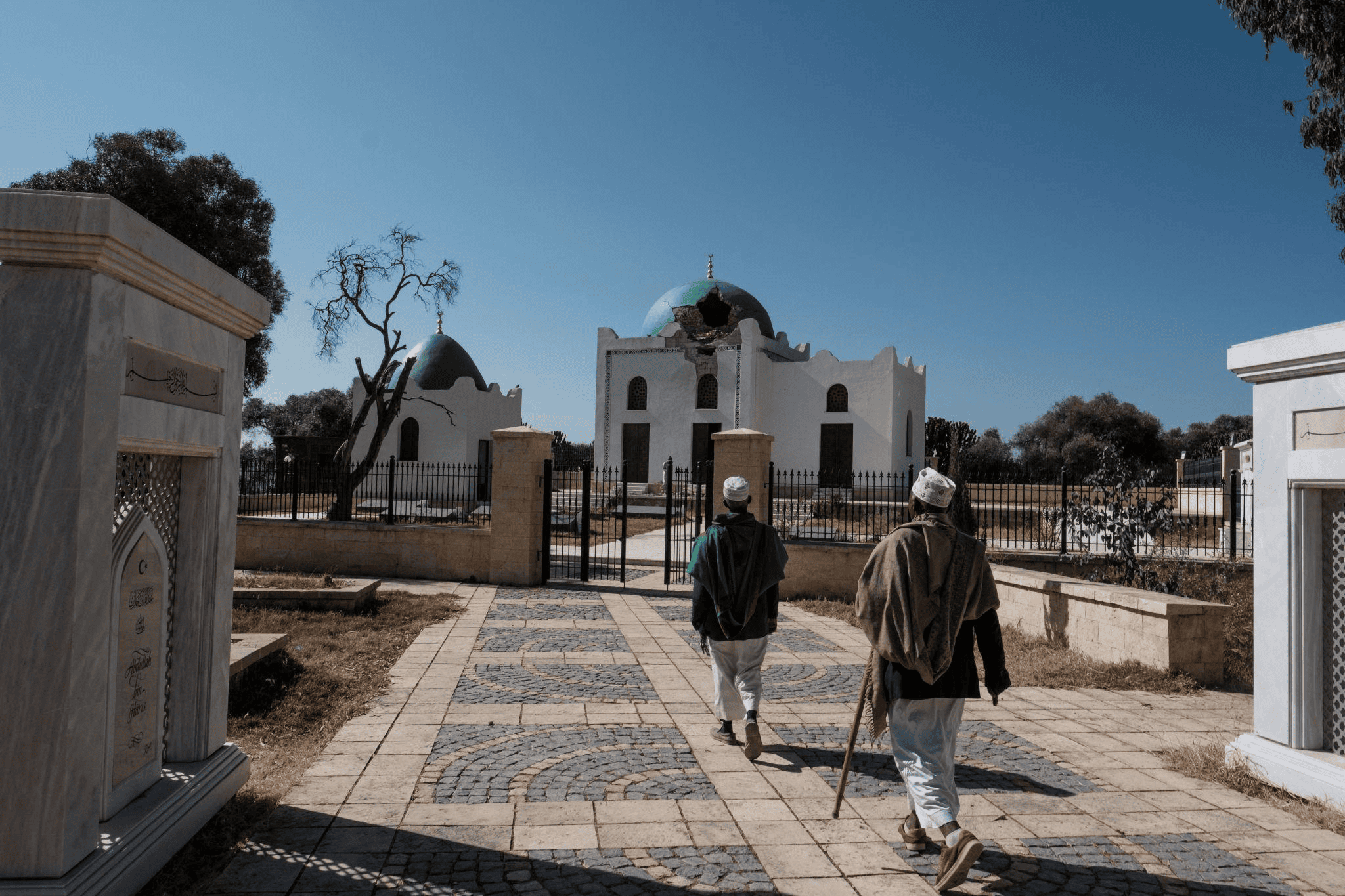
The town of Najash, or Negash (an-Najashi), in the Tigray region of northern Ethiopia is tied to this memory. In January 2026 (Rajab 1447 AH), the Ethiopian authorities added the village of Najash to UNESCO's tentative list for World Heritage as a site associated with the "First Migration" and a place preserving the memory of the settlement of the first Muslims in Africa. The area includes the Mosque of the Negus and a historic cemetery that local tradition links to the first migrants.
Historically, therefore, the presence of Muslims in Ethiopia cannot be described as the result of later migrations from abroad: Islam reached the land of Abyssinia in the seventh century CE, the first century AH, and became part of the region's history from the very birth of Islamic civilisation.
From the First Migration to Stable Muslim Communities
The migration of the companions alone did not lead to the Islamisation of Ethiopian regions, but the following centuries saw Islam spread along trade routes extending from the Red Sea and the Gulf of Aden to the Ethiopian highlands, alongside preaching, population contact and internal migrations.
Archaeological research indicates that Islam became more firmly established in the region by the tenth century CE, and then Islamic political entities emerged in eastern and central Ethiopia. Muslims were not a single ethnic group; Muslim communities included multiple peoples and languages, a diversity that remains a basic feature of Ethiopian Muslims today.
In the medieval period, the Sultanate of Ifat rose, controlling important trade routes between the Ethiopian interior and the Red Sea coast, followed by the Sultanate of Adal and other Islamic emirates. Relations between the Islamic states and the Christian Ethiopian kingdom ranged between trade, coexistence, political rivalry and war, so reading the history of that period as a constant religious conflict between two fixed blocs is a considerable oversimplification of a more complex history.
The conflict reached its peak in the sixteenth century CE, when Imam Ahmad ibn Ibrahim al-Ghazi led the forces of the Sultanate of Adal in a series of wars between 1529 and 1543 CE (approximately 935–950 AH). During some phases of the war, his forces controlled wide areas of the Ethiopian highlands, before the balance of the conflict shifted after Portuguese intervention on the side of the Christian kingdom and the killing of Imam Ahmad in 1543 CE. That war left a profound mark on the historical memory of both sides. The name of Imam Ahmad, known as "Ahmad Gragn" [Ahmad Gurey], is firmly remembered as a heroic Muslim commander.
Harar: One of the Oldest Islamic Cities in Africa
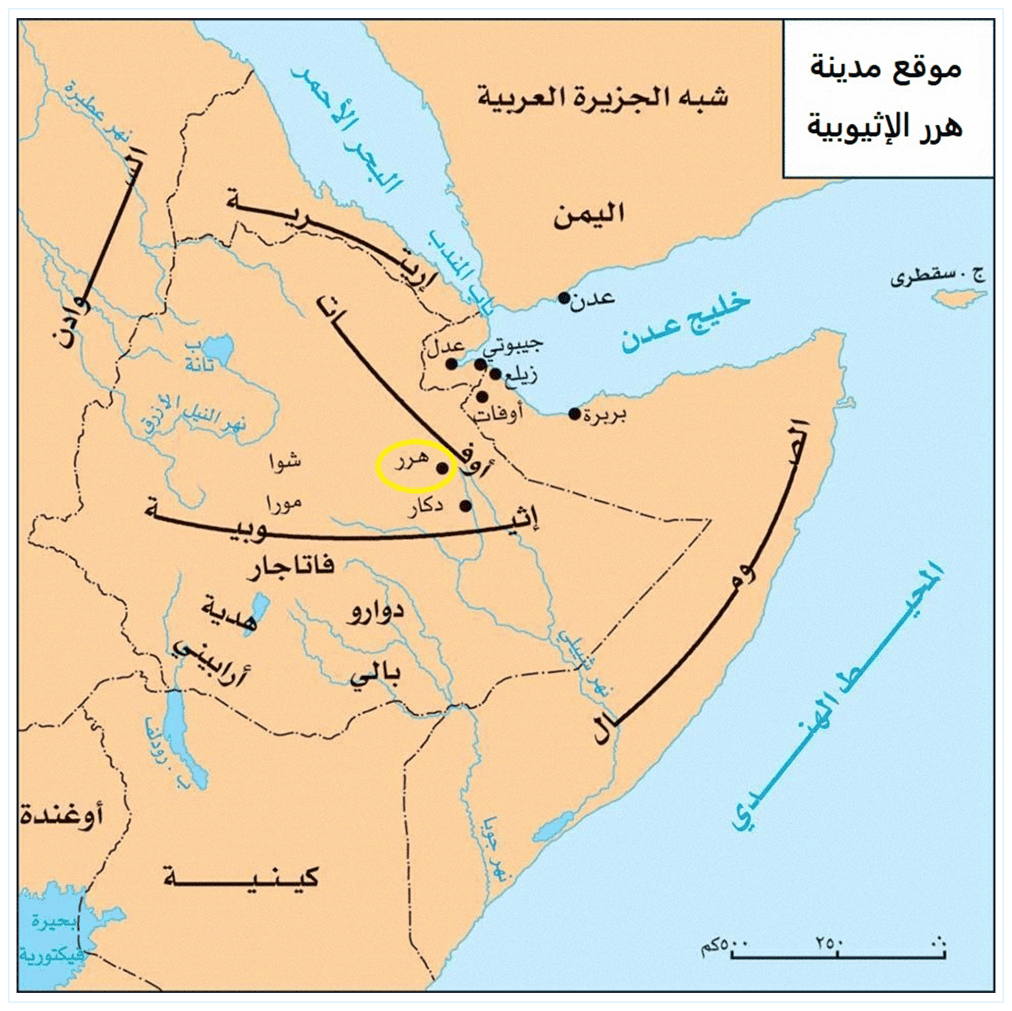
If Najash symbolises the first beginnings of Islam in Abyssinia, the city of Harar represents the stage of its cultural, scholarly and social flourishing.
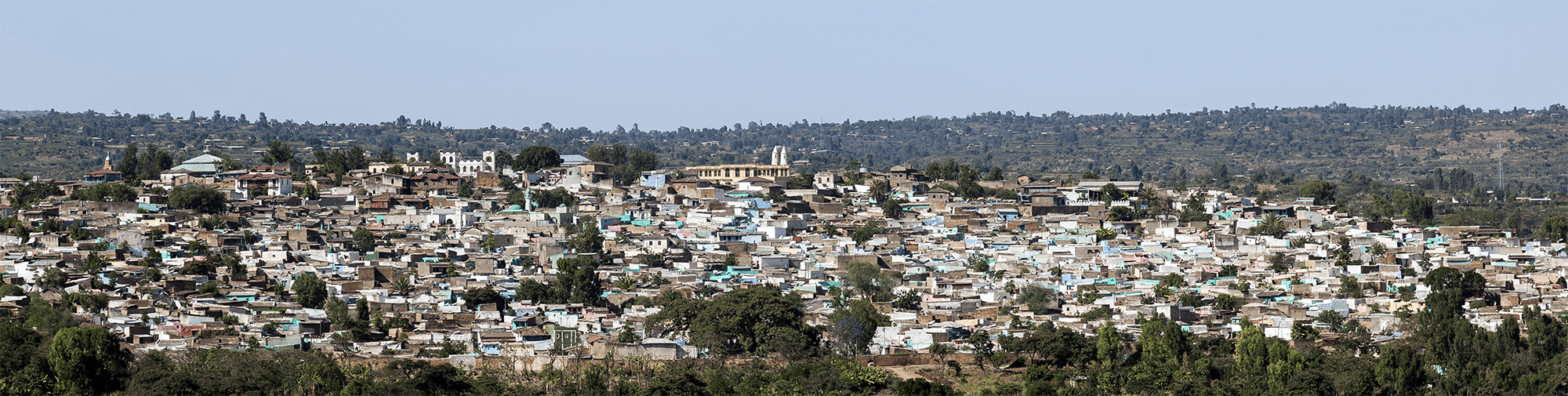
Harar lies in eastern Ethiopia, and its old walled city, known as "Harar Jugol," retains a unique Islamic African character. UNESCO states that the city has 82 mosques, that three of its mosques date back to the tenth century CE, and that its present walls were built between the thirteenth and sixteenth centuries. UNESCO inscribed Harar Jugol on the World Heritage List in 2006 (1427 AH).
UNESCO describes the city as bearing "exceptional testimony" to the intertwining of Islamic and African roots, and notes that its urban layout, house types, markets and mosques have preserved a considerable part of its historical identity.
Harar is therefore not merely an area inhabited by Muslims, but one of the historical centres of Islam in the Horn of Africa, a hub around which networks of scholars, traders, Sufis and local communities formed, linking the African interior to the ports of the Red Sea and the Indian Ocean.
How Many Muslims Are There in Ethiopia?
The basic problem in any discussion of Ethiopia's current religious composition lies in the age of the data. The most recent comprehensive national census was conducted in 2007 (1428 AH), so the figures circulating today must be treated with caution.
According to that census, the number of Muslims was 25,045,550 out of a total of about 73.9 million people, or 33.9% of the population. Orthodox adherents accounted for 43.5%, Protestants 18.6%, and Catholics 0.7%.
However, the national average conceals considerable geographic variation. In the Somali Region, Muslims made up 98.4% of the population according to the 2007 census; in Afar, 95.3%; in Dire Dawa, 70.9%; and in the Harari Region, 69%. Oromia, the country's most populous region, had a Muslim share of 47.5%, or nearly 12.9 million people at that time alone. Muslims also made up 45.4% in Benishangul-Gumuz, 17.2% in the Amhara Region, and 16.2% in Addis Ababa.
These figures show that talk of a "Muslim minority" in Ethiopia requires some precision. According to the latest census, Muslims make up less than half of the country's population overall, yet they represent an overwhelming majority in entire regions, a community almost equal to half the population of Oromia, and they also have a historical presence in parts of Amhara, the centre of the country and the capital.
Ethiopian Muslims also do not represent a single nationality: among them are the Oromo, Somalis, Afar, Harari, Argobba, Silte and others, who speak multiple languages and live in rural communities, trading towns and various urban centres. This diversity partly explains why Muslims have not historically formed a unified political bloc despite their demographic weight.
When the Muslim Became a Citizen on the Margins
As the centre of the Ethiopian state moved to the Christian highlands and the royal authority became closely tied to the Orthodox Church, Muslims lived for long periods in a political position lower than their demographic and economic weight.
Academic studies specialising in the history of Ethiopian Muslims argue that during the imperial era, especially before the 1974 revolution (1394 AH), Muslims faced forms of discrimination in land ownership, access to senior government posts, education and political representation. The researcher John Abbink describes Islam as having been, despite its antiquity, in a secondary religious position within the historical Ethiopian political system, and its adherents were subjected at various times to repression and discrimination.
A study by the Ethiopian historian Temesgen Gebeyehu Bayi indicates that Muslims were among the marginalised groups that, in parts of the country, did not enjoy direct and equal access to land ownership before the 1974 revolution, and that the revolution brought important changes to their legal and social status.
The problem was not only religious; it was also linked to state-building and national identity. For a long time, official historical narratives focused on the Christian kingdom as the core of Ethiopian history, while Islamic sultanates and centres often appeared in the context of the "peripheries" or as adversaries. Accordingly, recent studies have addressed what they describe as a sense among sections of Muslims that they were historically treated as "Muslims living in Ethiopia" rather than as an integral part of the definition of Ethiopian identity itself.
The 1974 Revolution: The End of Religious Privilege but Not the End of the Problem
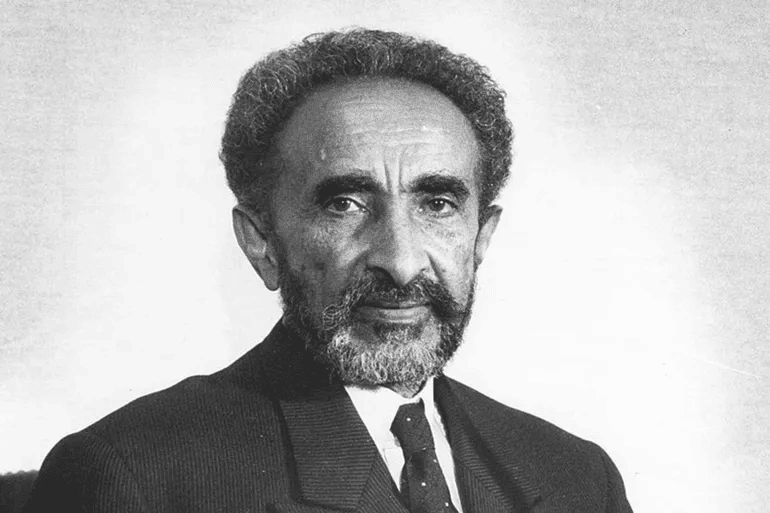
Haile Selassie
The Ethiopian revolution of 1974 (1394 AH) overthrew Emperor Haile Selassie and ended the old monarchical system, after which the Derg regime adopted a secular Marxist orientation.
This weakened the traditional political privilege of the Orthodox Church, and land reforms removed some of the inequalities from which Muslims had suffered. However, the Derg regime was not a regime of religious freedom; it restricted religious institutions of all affiliations and sought to subordinate them to the state within its socialist policies. Studies indicate that all religions were subjected to restrictions during the period from 1974 to 1991 (approximately 1394–1412 AH).
After the fall of the Derg in 1991, the public space available to Muslims expanded noticeably. The construction of mosques increased, Islamic institutions became more visible, Muslims' ties with the Islamic world grew, and schools, associations and da'wa activities appeared more clearly. Some researchers consider the post-1991 period to have granted Muslims an unprecedented level of open expression of their religious identity in the modern era.
However, this did not end tensions between the state and Islamic institutions.
Muslim Protests: The "Ahbash" Crisis and the Awliya Mosque
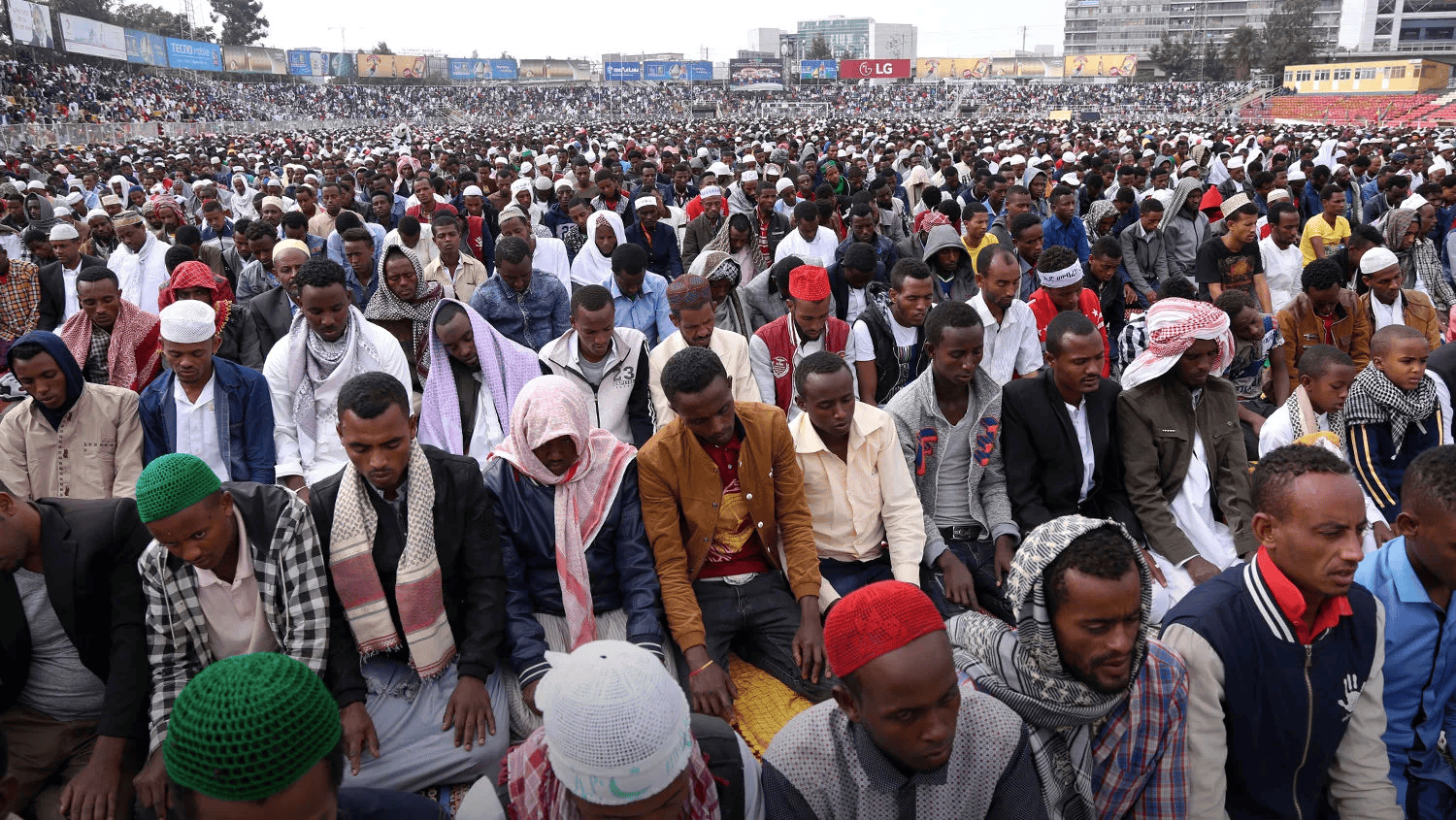
Among the most sensitive episodes in the recent history of Ethiopian Muslims are the protests that began in the early 2010s.
In 2011, and then more broadly during 2012 (1433 AH), Ethiopian Muslims accused the government of interfering in the affairs of the Supreme Council of Islamic Affairs and attempting to impose followers and teachings of the "Ahbash" group on Islamic institutions, in addition to interfering in the administration of the Awliya centre and mosque in Addis Ababa.
Muslims formed a committee to present their demands to the government, and peaceful gatherings and protests were organised in the capital and other areas. Human Rights Watch stated that security forces arrested and assaulted hundreds of participants, and that reliable sources spoke of up to 1,000 people being arrested in July 2012 alone, including several prominent members of the Muslim committee, religious leaders and journalists.
The anti-terrorism law was used to prosecute a number of leaders of the protest movement. In its report on the events of 2013 (1434–1435 AH), Human Rights Watch stated that protests concerning what participants described as government interference in religious affairs were met with arbitrary arrests, beatings and mistreatment, and that 29 leaders and activists faced trial.
The issue carried significance beyond sectarian disagreement: the protesters believed the root of the problem concerned the right of Muslims to manage their own institutions, while the government placed its actions within the framework of what it claimed was the fight against extremism and the protection of stability. This period became one of the most important turning points in the formation of the political and religious consciousness of a new generation of Ethiopian Muslims.
Mosque Burnings and Sectarian Attacks
State pressure was not the only source of Muslims' suffering. In recent years the country has witnessed a rise in communal violence in which religion became intertwined with ethnicity, politics and local rivalry.
In December 2019 (Rabi al-Akhir 1441 AH), four mosques were burned in the city of Mota in the Amhara Region, and shops and property owned by Muslims were vandalised and set on fire. The authorities later announced the arrest of suspects in connection with the attacks. Reuters reported the incident, while subsequent studies indicated that tensions preceded the incident and that rumours and inflammatory rhetoric contributed to the eruption of violence.
Reports by the US State Department that same year also recorded other incidents in which mosques were burned and shops owned by Muslims were damaged in Amhara.
When addressing this period, however, it is essential not to present all acts of violence as one-directional persecution: churches and Christians were also attacked in other areas, and some local disputes turned into cycles of mutual revenge. This matters for understanding the Ethiopian case: religious identity often intersects with national identity, political competition and disputes over land and power.
More Than Twenty Muslims Killed in the Gondar Events
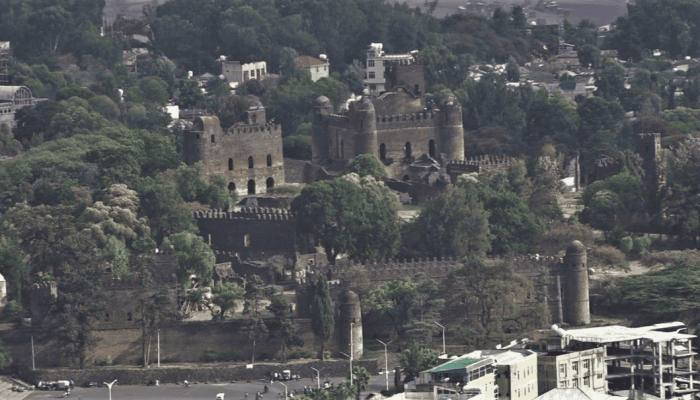
In April 2022 (Ramadan 1443 AH), clashes broke out in the city of Gondar following the funeral of a Muslim preacher and a dispute in a shared cemetery, and the events developed into violence that lasted for days.
The US State Department's report on religious freedom stated that more than 20 Muslims were killed during the events, and that attacks and reprisals followed in other areas, including mosques and churches. The same report noted the difficulty of determining whether some violence in Ethiopia had a purely religious motive, given the close intertwining of religion, ethnic affiliation, political disputes and local interests.
This observation is essential for understanding the suffering of Muslims in Ethiopia without falling into generalisation: some attacks clearly target them as Muslims, while other events occur within broader conflicts in which religion is one element rather than the sole factor.
The Demolition of Mosques in Sheger and the Return of Protest to the Streets
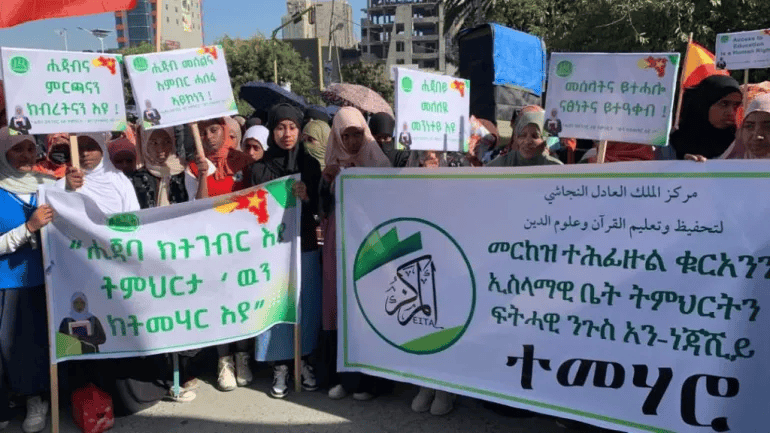
The year 2023 (1444–1445 AH) witnessed one of the most serious recent crises between the authorities and sections of the Muslim community.
As part of the reorganisation and development of the new city of Sheger surrounding Addis Ababa, authorities in the Oromia Region demolished a large number of buildings they described as illegal structures, among them at least 19 or about 20 mosques, according to converging reports.
The Ethiopian Supreme Council of Islamic Affairs objected to the demolition, and said it had addressed Prime Minister Abiy Ahmed after regional authorities failed to respond to its complaints. On 26 May and 2 June 2023 (6 and 13 Dhu al-Qadah 1444 AH, approximately), protests followed Friday prayers at the Al-Anwar Grand Mosque in Addis Ababa and other areas.
US religious freedom reports stated that security forces used force during the protests and that four civilians were killed and around 40 people were injured, including civilians and security personnel. Other human rights reports documented deaths, arrests and injuries during the suppression of the demonstrations.
The Sheger episode remains highly significant because it brought back to the forefront a historical grievance among Muslims: that constitutional equality does not necessarily prevent local decisions that affect their religious institutions or their sense of security in the public sphere.
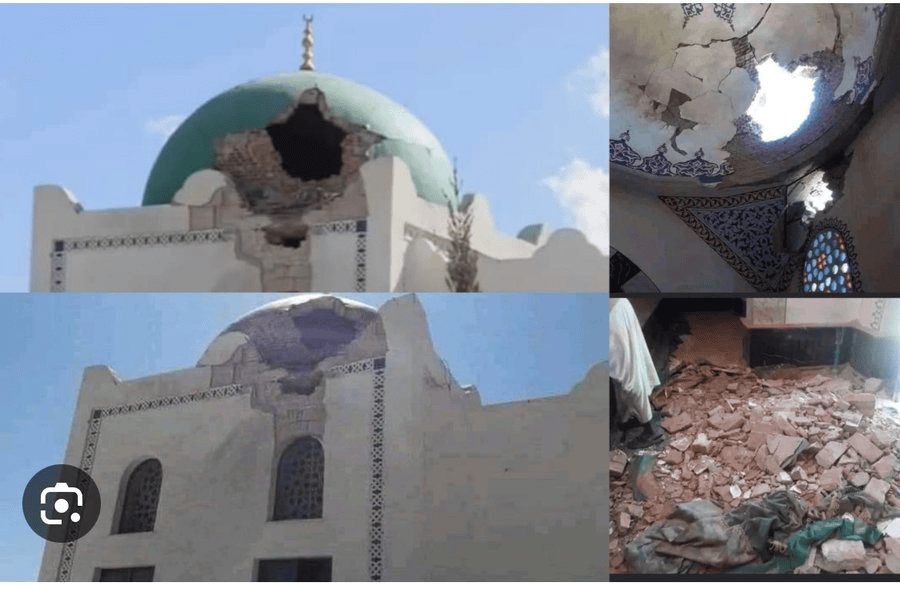
Even Islamic sites of global historical value have not been spared by Ethiopia's contemporary conflicts.
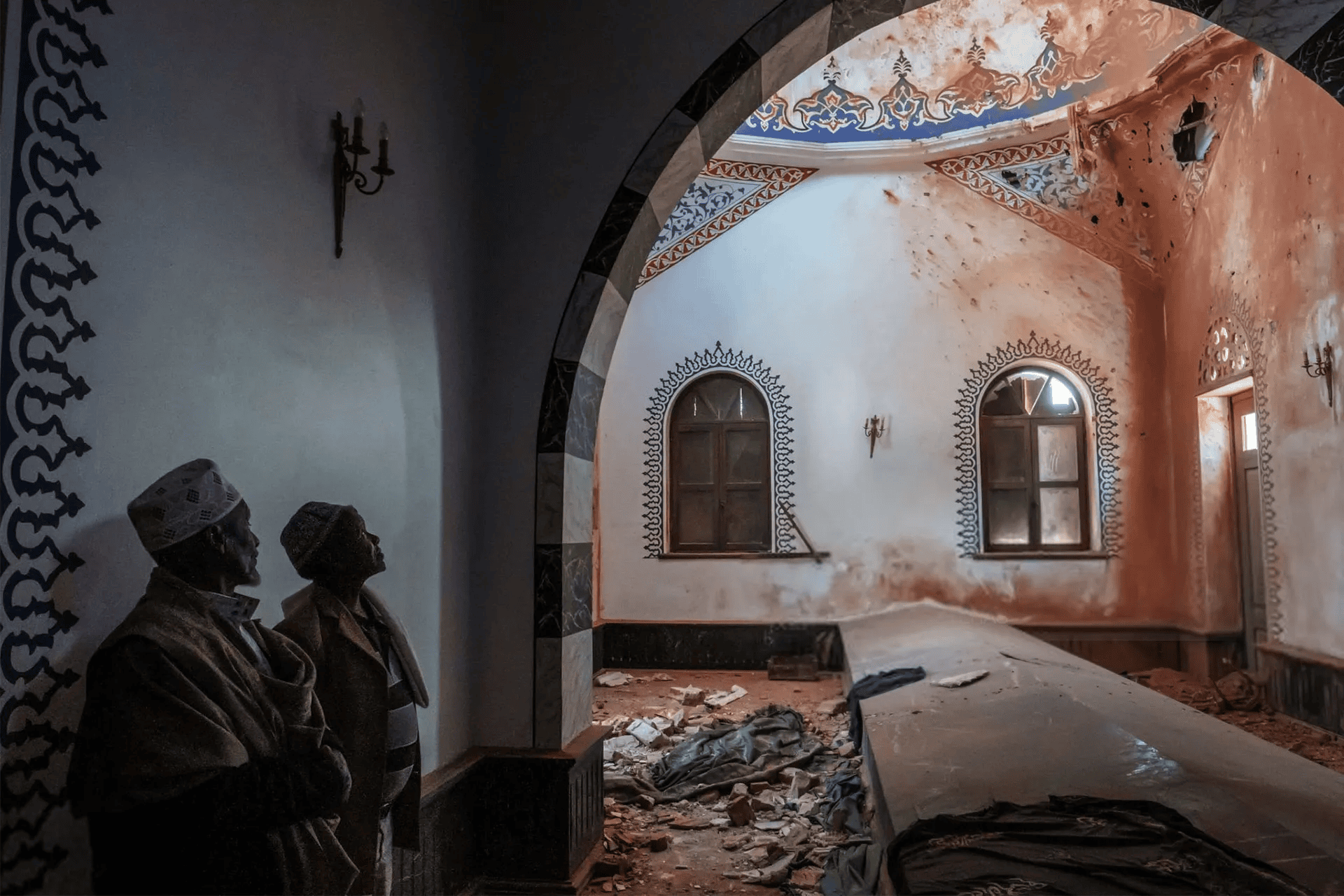
During the Tigray war, which broke out in 2020 (1442 AH), the historic Al-Nejashi Mosque suffered extensive damage. Reuters photographs taken in March 2021 (Sha'ban 1442 AH) documented clear damage to the mosque's minaret and dome.
The damage to the mosque carries a particular symbolism: in Islamic memory, this site is linked to the first refuge of Muslims in a safe land, and after more than fourteen centuries it found itself amid a devastating internal war.
Muslims and continuing violence in Amhara
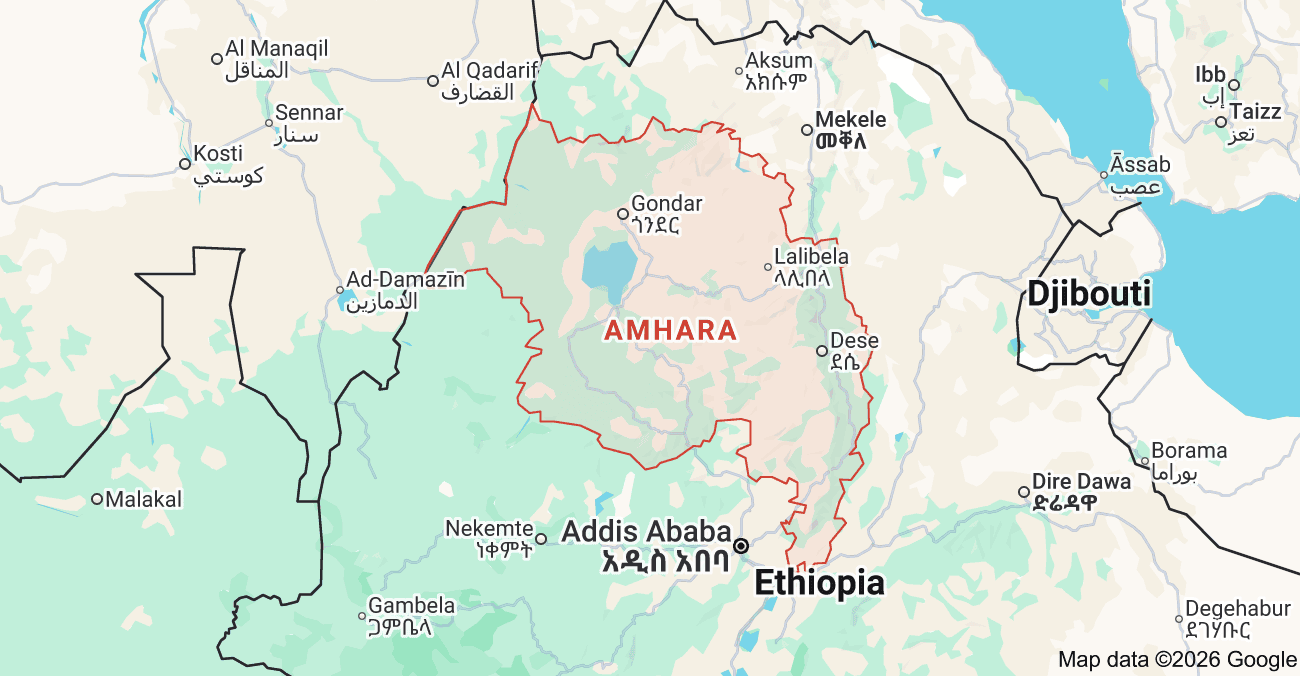
Concerns persisted in the following years. Freedom House's 2025 report on Ethiopia notes that violence targeted Muslim civilians in a number of towns in the Amhara region during April 2024 (Shawwal 1445 AH), with no fewer than ten deaths recorded according to ACLED data. The report also cited the Amhara Regional Islamic Affairs Council as saying that 80 Muslim civilians had been killed over the preceding eight months; this latter figure remains a count issued by the Council and needs to be separated from the numbers that could be documented independently.
At the same time, the Amhara region is witnessing a broader armed conflict between government forces and the Fano militias, and human rights organisations have documented serious abuses against civilians by various parties. Therefore, not everything that happens to Muslims in the region can automatically be attributed to a religious motive.
The constitution guarantees religious freedom, so what happens on the ground?
Legally, Ethiopia's current constitution is secular; it provides for the separation of religion and state, freedom of belief and worship, and prohibits religious discrimination. It also allows Sharia courts to hear personal status cases when both parties are Muslim and accept the court's jurisdiction, and government institutions give Muslim employees time on Friday to perform prayers.
However, equality is not complete in every regulatory detail. In a 2025 update from the United States Commission on International Religious Freedom, the Commission noted that religious groups are required to register with government authorities, while the Ethiopian Orthodox Church enjoys a historical exemption from some registration requirements under civil law.
The larger problem remains the gap between constitutional texts and local implementation, particularly in a vast federal state where security and administrative conditions vary from one region to another.
Why the issue of Ethiopia's Muslims is difficult to reduce to a "religious minority"
The situation of Ethiopian Muslims differs from that of many Muslim minorities around the world. They are not recent migrants, nor a single ethnic group, nor a small community living on the country's margins.
They are part of Ethiopia's own historical fabric: from the story of the first migration to the Negus, to the Islamic kingdoms and sultanates of the medieval period, to Harar, the cities of Oromia, Afar, the Somali Region, Dire Dawa and the neighbourhoods of Addis Ababa.
Yet the paradox is that this large historical and demographic presence long coexisted with weak representation of Muslims within the national narrative and state institutions. Recent academic studies describe the history of Ethiopian Muslims as an ongoing process of renegotiating "citizenship" and belonging, and of moving from the margins to the public sphere.
This does not mean that relations between Muslims and Christians in Ethiopia have been a history of permanent hostility. The country has seen profound models of coexistence, and the first chapter between Islam and Abyssinia itself was based on the protection of Muslims fleeing with their faith by a Christian king. Ethiopia still includes communities where Muslims and Christians live side by side, and social, linguistic and national ties between them are intertwined.
Problems arise when religious and ethnic differences are turned into tools in struggles over power, land and resources, or when the state interferes in the independence of religious institutions, or when the law fails to protect mosques and citizens from incitement and violence, especially when such incitement and violence are led by those in power themselves.
A presence that cannot be bypassed
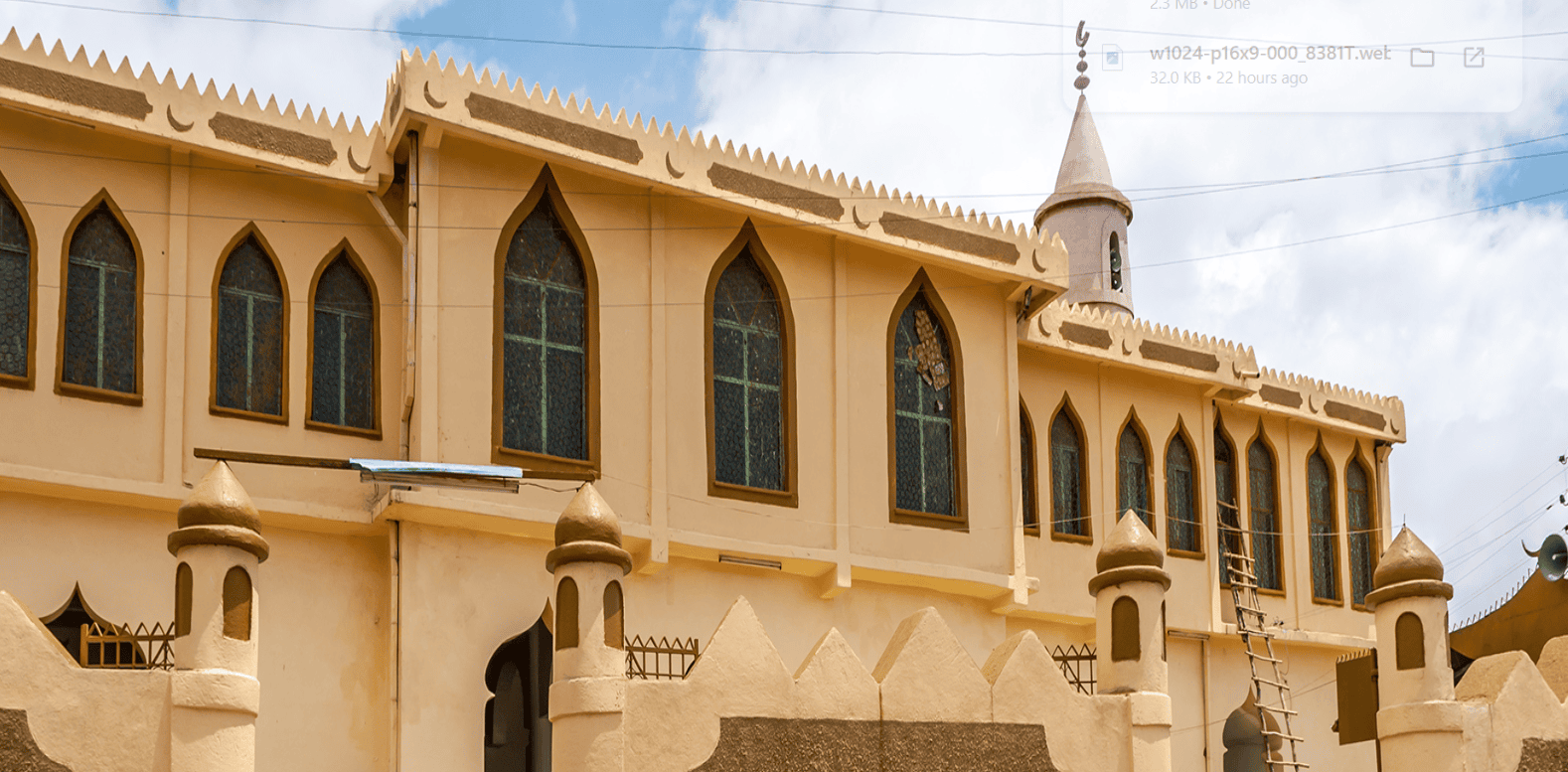
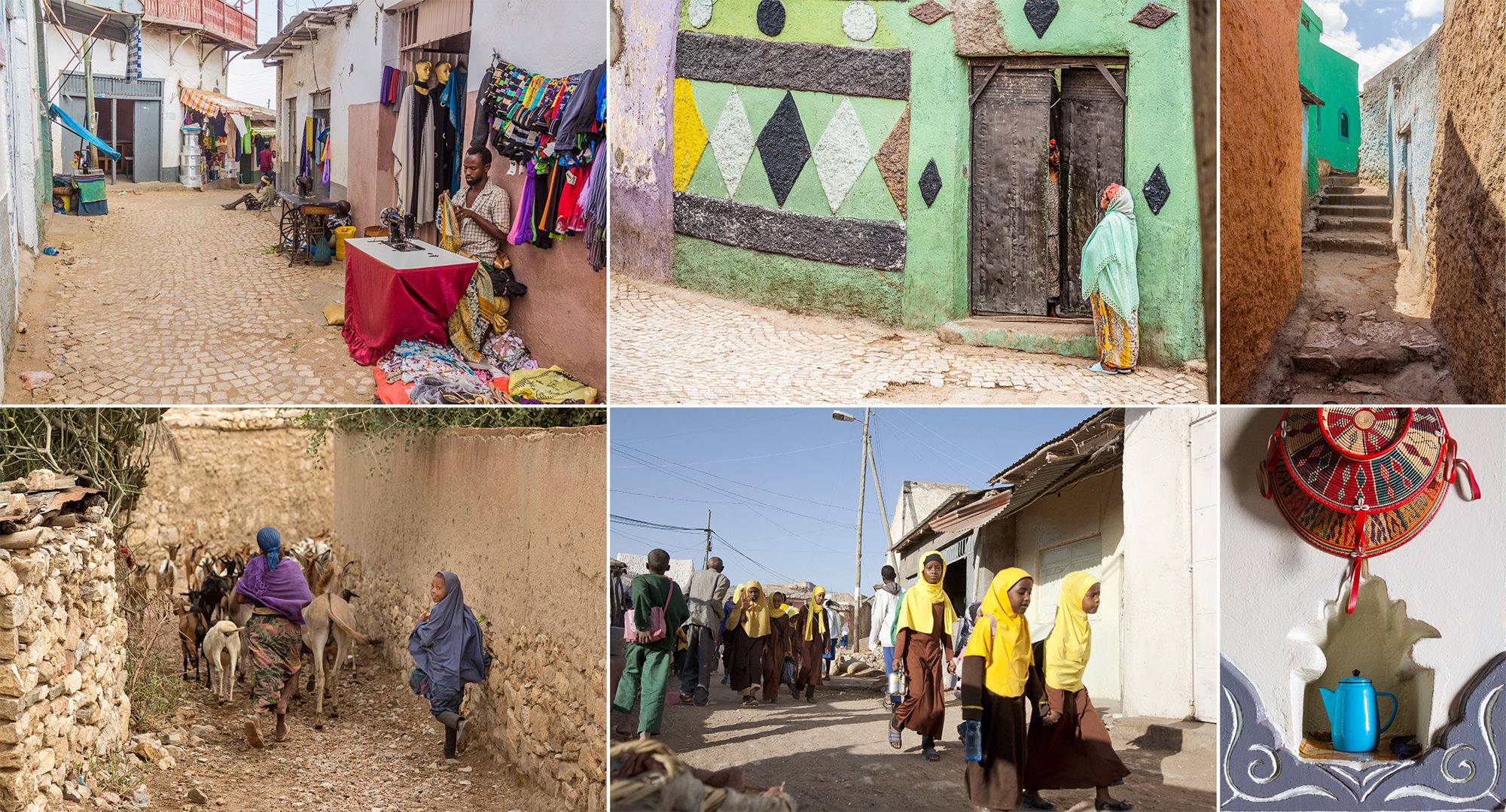
The history of Ethiopia's Muslims is not an appendix to the country's history but one of its essential components.
In this land, Muslims found the first safe refuge outside Mecca, and from it emerged Muslim communities among the oldest in Africa; on its soil sultanates and commercial and scholarly centres arose, and Harar, Negash and others continue to bear witness to more than a thousand years of continuous Islamic presence.
Today, according to the latest official census, Muslims make up roughly a third of Ethiopia's population, while unofficial sources put the figure at half of the population; they constitute a majority in a number of its regions and one of the largest population components in Oromia, the country's largest region. Yet their modern history also reveals a long legacy of marginalisation, phases of interference in their religious affairs, campaigns of arrest and suppression of protests, and the demolition of mosques, as well as sectarian violence that cost Muslims their lives and caused damage to their property and places of worship.
Hence, understanding modern Ethiopia remains incomplete without understanding its Muslims: their demographic presence, their civilisational history, their sense of citizenship, and the grievances accumulated across different phases of the state's history.
The land of Abyssinia, which opened its doors to the first group of Muslims in the seventh century CE, is still, after more than fourteen centuries, home to tens of millions of Muslims who do not ask to be described as guests of Ethiopian history, but as one of the makers of that history.


