

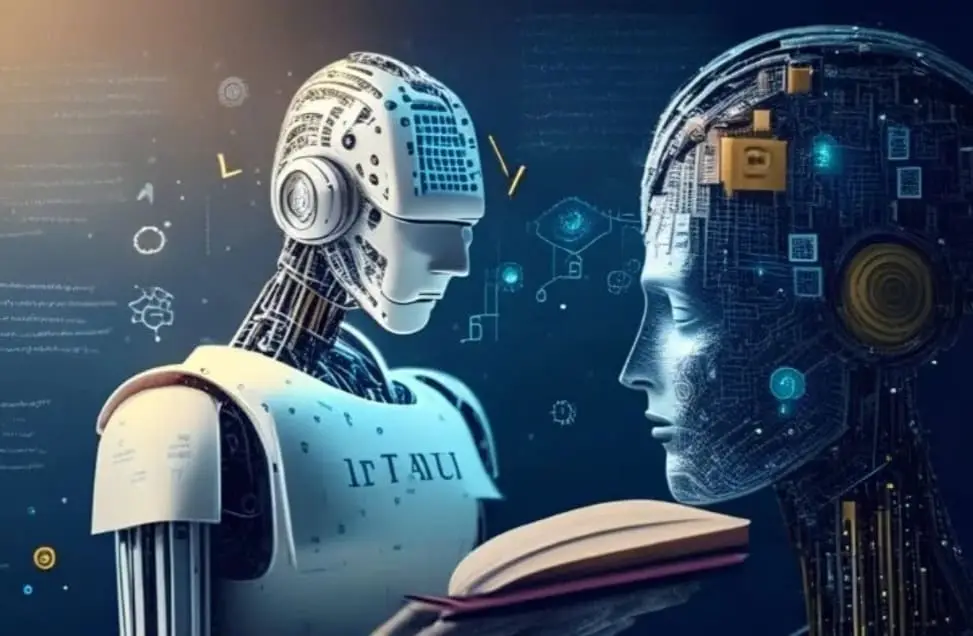
The Impact of Artificial Intelligence on Personal Communication: New Languages and Redrawn Boundaries
A conversation with a friend is no longer merely an exchange of words; it has become a dialogue with algorithms that predict your replies before you have thought of them. Chatbots such as "ChatGPT" and smart assistants such as "Siri" and "Gemini" have redefined conversation, making communication fast and efficient, but they have also lowered the ceiling of emotional expression. For example, do we laugh because the robot told a joke, or because we know it is merely a series of codes?
Herein lies the contradiction: technology makes it easier to communicate with people who are far away, yet it may weaken the emotional depth of face-to-face interaction. The absence of body language and tone of voice in text messages strips conversation of its human layers, which may leave us feeling isolated even amid the messages pouring in from every direction.
Social Media: Bubbles We Live In or Bridges We Build?
When you browse Facebook, the algorithms do not show you all the content, but only what they believe you like. This intelligent analysis of data creates "information bubbles," in which we see the world through a narrow lens that reinforces our opinions and deepens polarisation. Do we truly engage in dialogue, or do we merely exchange echoes, seeing and sharing content tailored to us like a cloth cut to measure?
The problem is not the technology itself, but how it is used. While artificial intelligence can connect us with different cultures through instant translation, it may also confine us to echo chambers that entrench divisions.
Emotional Communication with Robots: Do We Replace Hearts with Electronic Circuits?
In China, the robot "Guanghua No1" is used to care for the elderly, reading their emotions and responding to them. This technology poses an existential question: can a machine replace human warmth?
The danger here lies in a false emotional attachment to it. Some people find in chatbots a refuge from loneliness, but this may lead to a deeper isolation, in which emotions become virtual and relationships superficial and stripped of the meaning they carry.
The Family in the Age of Smart Devices: Gathering Around Screens or Drifting Apart?
Imagine a family sitting together, yet each member is absorbed in their phone. Here, smart devices redefine "family time": instead of conversation, interaction becomes sharing video clips or playing group games. But studies warn that excessive reliance on technology may weaken emotional bonds between generations, especially when conversations turn into text messages instead of tender glances.
The Workplace: Between Machine Efficiency and Human Warmth
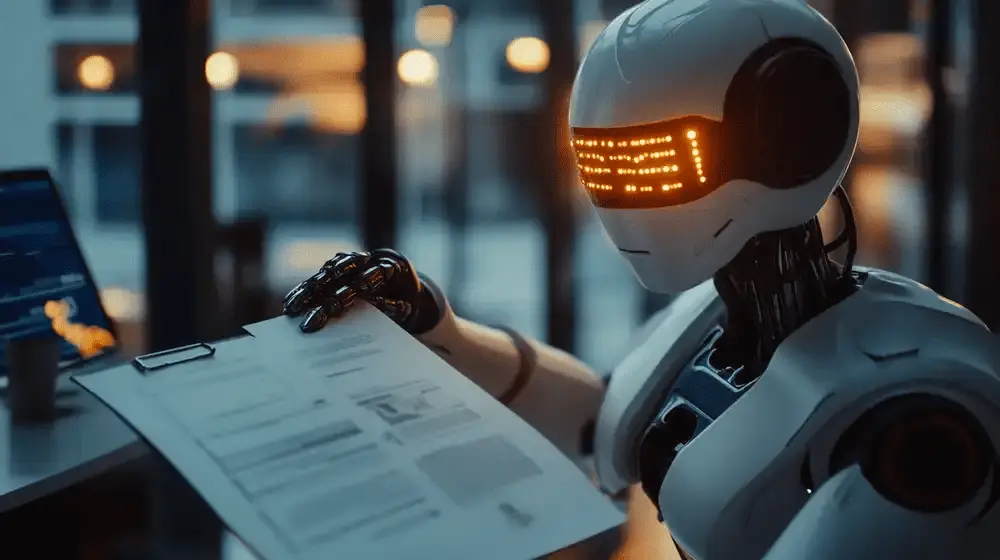
When robots replace humans in factories, or when meetings are run through artificial intelligence programs, we lose the small "human moments": a colleague's smile, or a passing joke that eases work pressure. Automation may raise productivity, but it threatens to turn the work environment into a cold space, where communication is measured by data rather than emotion.
Ethical Challenges: When Emotions Become a Digital Commodity
What if artificial intelligence were used to manipulate our emotions? Some emotional applications analyse tone of voice and facial expressions to "improve" the user experience, but they may turn privacy into an illusion. The question then becomes: how do we protect our humanity in a world where emotions are marketed?
The solution lies in strict legislation that defines the limits of data use and strengthens transparency, as organisations such as UNESCO have called for an ethical framework that protects human values.
The Future: Will We Shake Hands with Robots Before Humans?
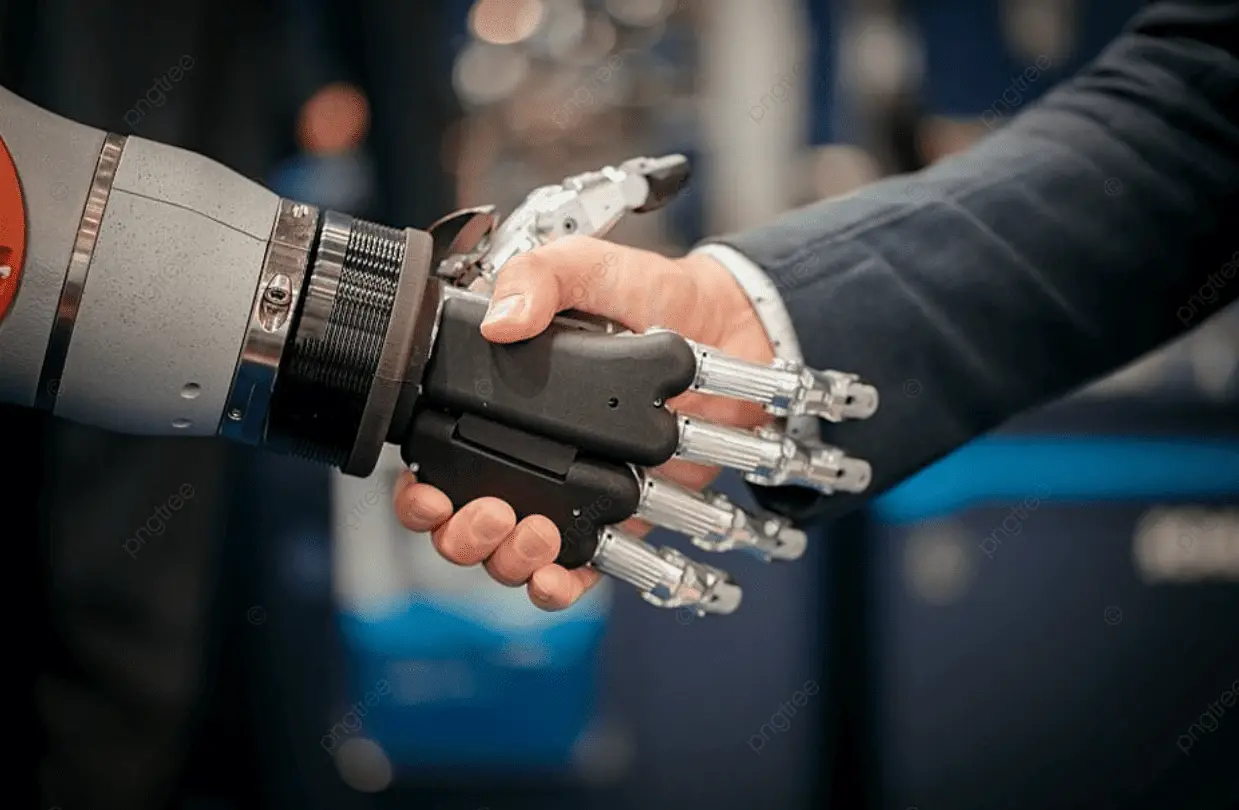
We may reach a day when artificial intelligence becomes a partner in conversation, and even in emotional relationships. But the greatest challenge is maintaining balance: using technology to strengthen communication, not to replace it. The ideal future is one in which machines become a bridge toward deeper understanding among people, not a barrier that isolates us from one another.
In Conclusion
Artificial intelligence may be a blessing or a curse in the world of communication and social relationships. It may make life easier for us, but it also carries risks that threaten the essence of human relationships. The most important question, therefore, is not whether artificial intelligence will affect communication, but how we direct it so that it becomes a genuine addition rather than a substitute for real emotions.
Sources:
الذكاء العاطفي والثقافي في عصر الذكاء الاصطناعي | AI بالعربي
Fudan University Unveils Revolutionary Emotional Humanoid Robot 'Guanghua No. 1' at AI Conference
قادة قطاع الذكاء الاصطناعي يؤكدون التأثير القوي للقطاع على مستقبل المجتمعات | صحيفة الخليج


