

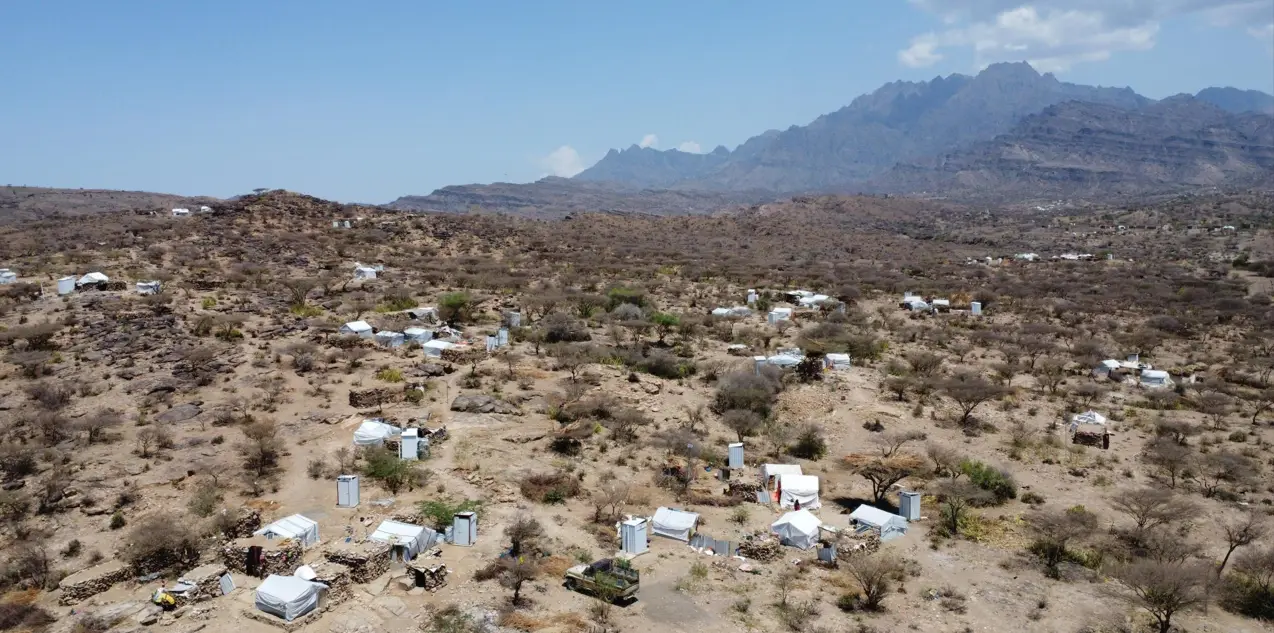
Yemen faces a worsening humanitarian crisis as military confrontations between the Iran-backed Houthis and Saudi-backed government forces have resumed, with rising numbers of displaced people, declining international funding, and restrictions on humanitarian aid reaching affected populations.
The UN Under-Secretary-General for Humanitarian Affairs, Tom Fletcher, and the Secretary-General of the Norwegian Refugee Council, Jan Egeland, warned during their visit to Yemen this week that the humanitarian response is reaching critical levels, with mass displacement continuing and living conditions deteriorating for millions of Yemenis.
According to a report published by the newspaper The National on Thursday, 26 November 2026, Fletcher said renewed fighting has forced more than 364,000 people to leave their homes since early August, warning of the continued killing of civilians and the targeting of hospitals and emergency service workers.
More than 392,000 displaced since the start of the year
According to an update from the displacement tracking matrix of the International Organization for Migration, the number of internally displaced people in Yemen since the beginning of the current year until 21 November reached 392,562 people, belonging to 65,427 households that have been displaced at least once.
The organisation recorded the displacement of 15,732 people, belonging to 2,622 households, during the period from 15 to 21 November alone.
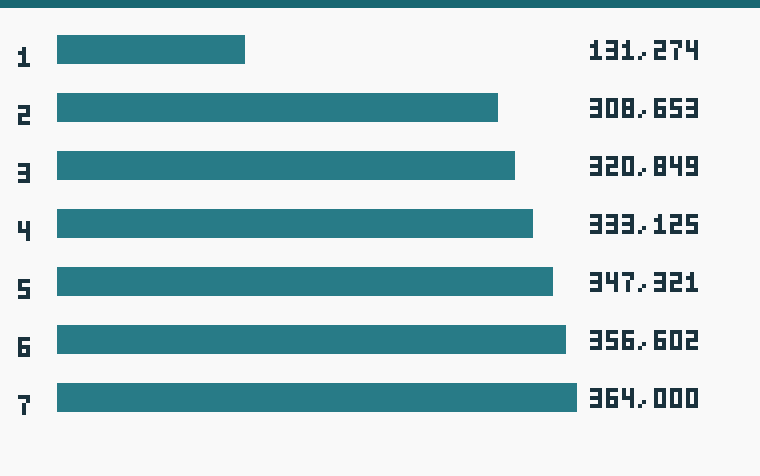
Order of data in the chart: 1. 20 September (131,274); 2. 3 November (308,653); 3. 7 November (320,849); 4. 10 November (333,125); 5. 14 November (347,321); 6. 17 November (356,602); 7. 24 November (approximately 364,000).
Source: updates from the International Organization for Migration and the United Nations. The last figure is approximate.
New waves of displacement are placing an additional burden on host communities and displacement camps, which already suffer from shortages of food, drinking water, shelter and health services.
Families seeking shelter under tree leaves
In a statement issued by the Norwegian Refugee Council today, Thursday, its Secretary-General Jan Egeland warned of worsening suffering among civilians in Yemen at a time when international attention to the crisis is declining.
He noted that he had seen displaced people forced to take shelter under banana tree leaves fixed with sticks, as aid organisations are unable to provide the necessary shelter due to a lack of funding.
The council explained that some five thousand newly displaced families have reached displacement sites it supports since fighting escalated in August, distributed across the governorates of Taiz, Abyan and Lahj.
Displaced families face additional challenges due to disrupted supply chains and rising prices of food and fuel, amid declining purchasing power for the population and the loss of income sources for many families.
23.1 million people in need of humanitarian assistance
According to data cited by the Norwegian Refugee Council, more than 65% of Yemen's population needs life-saving humanitarian assistance; 23.1 million people are in need of aid, while 18.3 million people face food insecurity.
The renewed fighting comes at a time when humanitarian institutions are suffering from a severe shortage of resources, limiting their capacity to respond to the needs of newly displaced people, as well as millions of Yemenis who have been living in difficult humanitarian conditions for years.
Humanitarian funding down 72% compared with 2023
The Norwegian Refugee Council revealed that the 2026 Humanitarian Response Plan for Yemen has received only about $500.8 million out of the $2.16 billion required, equivalent to 23% of the necessary funding.
It explained that the volume of humanitarian funding has fallen by about 72% compared with 2023, when Yemen received humanitarian aid worth $1.77 billion.

- Overall Humanitarian Response Plan: 23%.
- Water, sanitation and hygiene: 22%.
- Food security: 16%.
- Shelter: 12%.
Source: Norwegian Refugee Council, 26 November 2026.
This shortfall threatens to deprive hundreds of thousands of families of essential assistance, particularly in the areas of food, shelter, water and basic services.
Detention of humanitarian workers compounds the crisis
The Norwegian Refugee Council noted that declining funding, sanctions, and the United Nations' suspension of part of its operations following the detention of humanitarian workers, in addition to insecurity and restrictions on access, have contributed to the deterioration of the humanitarian response, particularly in northern Yemen.
In a press briefing given by UN spokesperson Stéphane Dujarric on Wednesday, 25 November, he confirmed that Tom Fletcher's visit to Yemen focuses on mobilising the funding necessary to sustain humanitarian operations, calling for the immediate and unconditional release of UN staff and humanitarian workers detained by the Houthis, and ensuring the delivery of aid to those affected, particularly in Taiz.
The Norwegian Refugee Council called on all parties to the conflict and the states supporting them to work to protect civilians and facilitate the delivery of humanitarian aid.
As military confrontations continue, the number of displaced people grows and international funding declines, Yemen faces the risk of widening hunger and deprivation of essential services, in a crisis whose effects extend beyond the battlefields and threaten the lives of millions of civilians.


