


Understanding the Yemeni war cannot be reduced to a confrontation between "the Houthis and the government." Since the 2011 revolution, successive alliances and splits have changed the nature of the conflict more than once: Ali Abdullah Saleh fought the Houthis, then allied with them, then was killed at their hands; the Southern Movement emerged from grievances following unification, and out of it came the UAE-backed Southern Transitional Council; Saudi Arabia and the UAE entered the war as one coalition, then a deep disagreement emerged between them over the future of the South; and Iran, the United States, Britain, Israel and, later, the Red Sea became direct parts of the equation.
Prelude to the Yemeni Revolution
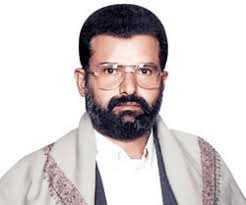
- 10 September 2004 | approximately 25 Rajab 1425 AH: Hussein Badreddin al-Houthi, the movement's founder, is killed in clashes with government forces in Saada.
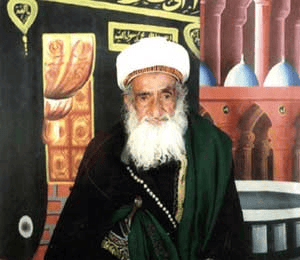
- 24–25 November 2010 | approximately 18–19 Dhu al-Hijjah 1431 AH: Badreddin al-Houthi, the spiritual reference of the Houthi group, is killed; al-Qaeda announced that he was killed in an attack by the organisation in al-Jawf.
First: 2011 — The Revolution That Ended Saleh's Rule but Did Not Topple His System
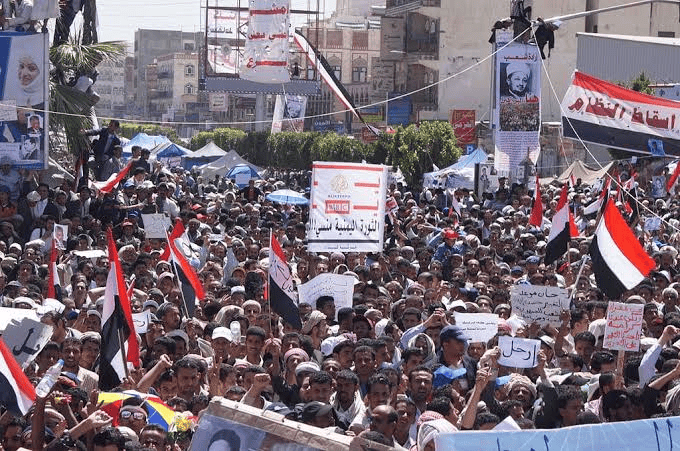
27 January 2011 | 21 Safar 1432 AH — Beginning of the widespread protests. Thousands of Yemenis took to the streets in Sanaa and other cities, influenced by the wave of the Arab Spring, demanding reform and then the departure of President Ali Abdullah Saleh, who had ruled North Yemen since 1978 and unified Yemen since 1990.
3 February 2011 | 28 Safar 1432 AH — "Day of Rage." More than 20,000 demonstrators took part in Sanaa in one of the largest early demonstrations against Saleh, and the crisis shifted from limited protests to a broad mass movement.
11 February 2011 | 7 Rabi al-Awwal 1432 AH — The symbolic date of the Yemeni revolution. The name "11 February Revolution" later became established to describe the popular youth uprising that demanded an end to Saleh's regime and the building of a new state.
18 March 2011 | 12 Rabi al-Akhir 1432 AH — Friday of Dignity. Fifty-two protesters were killed by sniper fire in Sanaa, an incident that marked a major turning point; afterwards, Saleh declared a state of emergency and state institutions and the army began to fracture.
21 March 2011 | 15 Rabi al-Akhir 1432 AH — Defection of Ali Mohsen al-Ahmar. Major General Ali Mohsen al-Ahmar, one of the army's most prominent commanders and a pillar of the former regime, announced his support for the protesters. From that time he became a key player in the camp opposed to Saleh, and later in the authority that succeeded him.
3 June 2011 | 1 Rajab 1432 AH — Bombing of the presidential compound mosque. Saleh and senior officials were wounded in an explosion inside the mosque of the presidential compound, and he left for Saudi Arabia for treatment.
23 November 2011 | 26 Dhu al-Hijjah 1432 AH — The Gulf Initiative. Saleh signed in Riyadh an agreement on the transfer of power sponsored by the Gulf Cooperation Council, handing over his powers to his deputy Abd Rabbuh Mansour Hadi in exchange for transitional arrangements and immunity for himself. This moment formally ended Saleh's presidency, but it did not end his influence within the army, the tribes and the institutions.
Here lies the first major knot in the conflict that followed: Saleh left the presidency but retained an extensive network within the state, the armed forces and the General People's Congress party, the network that would later become a decisive factor in the Houthis' advance into Sanaa.
Second: 2012–2014 — The Transitional Phase That Failed to Build the New State
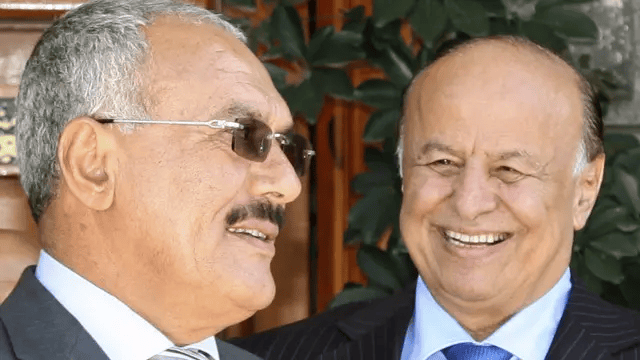
21 February 2012 | 28 Rabi al-Awwal 1433 AH — Election of Abd Rabbuh Mansour Hadi. A consensus election was held in which Hadi was the sole candidate, within the framework of the Gulf Initiative, to lead a transitional period originally set at two years.
27 February 2012 | 4 Rabi al-Akhir 1433 AH — Formal handover of power. The official transfer from Saleh to Hadi took place, but the state remained divided among old centres of power, revolutionary forces, the Islah party, the Southern Movement, the Houthis and a divided military institution.
The Houthis and the Southern Movement Before the Revolution
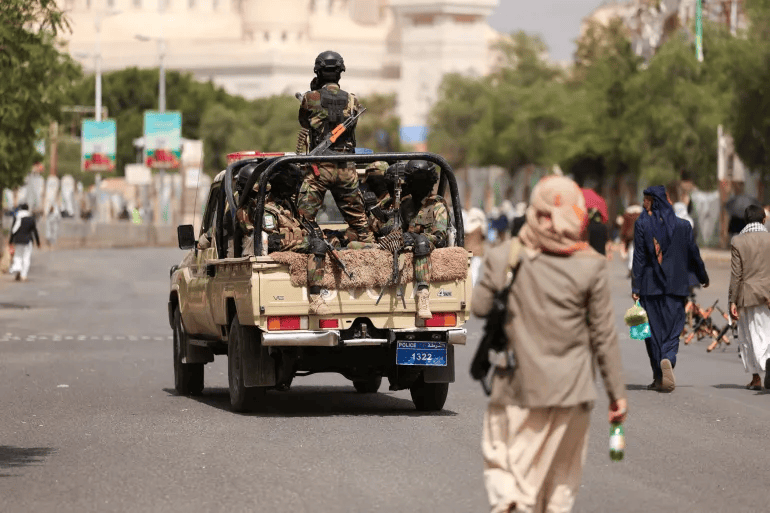
18 March 2013 | 6 Jumada al-Awwal 1434 AH — Launch of the National Dialogue Conference. Five hundred and sixty-five delegates took part, representing parties, the Houthis, components of the Southern Movement, youth, women and civil society. The aim was to address issues of the state, the South, Saada, the constitution and transitional justice.
23 December 2013 | 19 Safar 1435 AH — Agreement on the Southern Question. The dialogue committee reached an "agreement on a just solution to the Southern Question" based on a federal vision of the state.
25 January 2014 | 23 Rabi al-Awwal 1435 AH — Conclusion of the National Dialogue. A document outlining the outcomes was adopted, establishing a democratic federal state and a new constitution, and it was decided that the proposed federal Yemen would consist of six regions.
However, the Houthis and parts of the Southern Movement objected to aspects of the federal division, while state institutions remained weak and Saleh and his allies continued to hold considerable military and political influence.
Third: 2014 — The Unexpected Alliance Between Saleh and the Houthis and the Fall of Sanaa
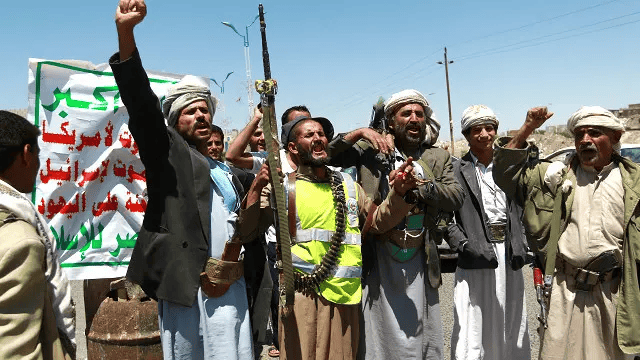
8 July 2014 | 10 Ramadan 1435 AH — Fall of Amran. The Houthis took control of the city of Amran north of Sanaa after battles with government forces and fighters affiliated with the Islah party and its allies.
Amran was the main military obstacle on the road between Saada and Sanaa. It later became clear that military and tribal networks loyal to Saleh cooperated with the Houthis against common enemies, although Saleh himself had fought six wars against the group while he was president.
21 September 2014 | 26 Dhu al-Qadah 1435 AH — Fall of Sanaa to the Houthis. The Houthis entered the capital and seized military and government headquarters and institutions, benefiting from the cooperation of units and networks loyal to Saleh. This is the moment when the Houthis moved from an armed movement in Saada to the dominant force in the capital and the state.
On the same day, the Peace and National Partnership Agreement was signed under UN sponsorship. It was meant to organise power-sharing and the withdrawal of fighters, but it did not prevent the Houthis' expansion.
From here, the Houthi–Saleh alliance effectively took shape: the Houthis possessed the rising combat force, and Saleh possessed the networks of the army, administration and tribes, and experience in the state.
Fourth: 2015 — The Collapse of the State and the Start of a Regional War
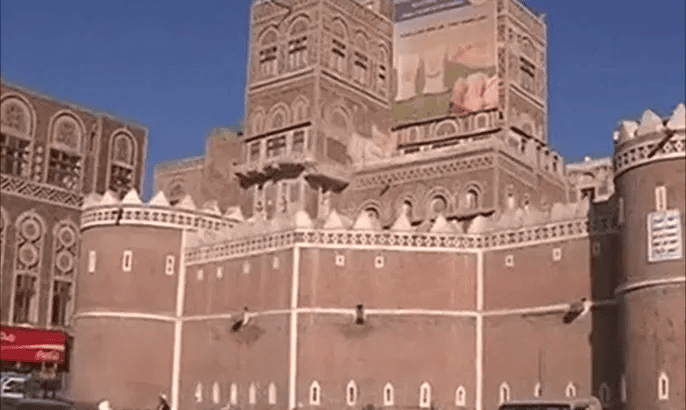
20 January 2015 | 29 Rabi al-Awwal 1436 AH — The Houthis take control of the presidential palace and the vicinity of Hadi's residence. The confrontation over the constitution and power-sharing escalated until the president was effectively placed under house arrest.
22 January 2015 | 1 Rabi al-Akhir 1436 AH — Resignation of Hadi and the government of Khaled Bahah. Yemen entered a serious constitutional vacuum after the resignation of the president and the government under Houthi pressure.
6 February 2015 | 16 Rabi al-Akhir 1436 AH — The Houthi "Constitutional Declaration." The Houthis announced the dissolution of parliament and transitional arrangements including a presidential council, a step rejected by their opponents, the United Nations and regional parties.
21 February 2015 | 2 Jumada al-Awwal 1436 AH — Hadi flees from Sanaa to Aden. He managed to leave house arrest, adopted Aden as the base of the authority opposed to the Houthis, and rejected the measures imposed by the group.
The Houthis and the forces loyal to Saleh then moved southward towards Taiz, Lahij and Aden.
24 March 2015 | 3 Jumada al-Akhirah 1436 AH — Hadi requests foreign military intervention as Houthi and Saleh forces approached Aden.
26 March 2015 | 5 Jumada al-Akhirah 1436 AH — Launch of "Operation Decisive Storm." Saudi Arabia led an Arab coalition to intervene militarily at the request of Hadi's government, with the aim of halting the Houthi advance and restoring the internationally recognised government. The UAE took a central part, and the United States at the time provided intelligence and logistical support to the coalition.
At this point the Yemeni conflict became an internal and regional war at the same time.
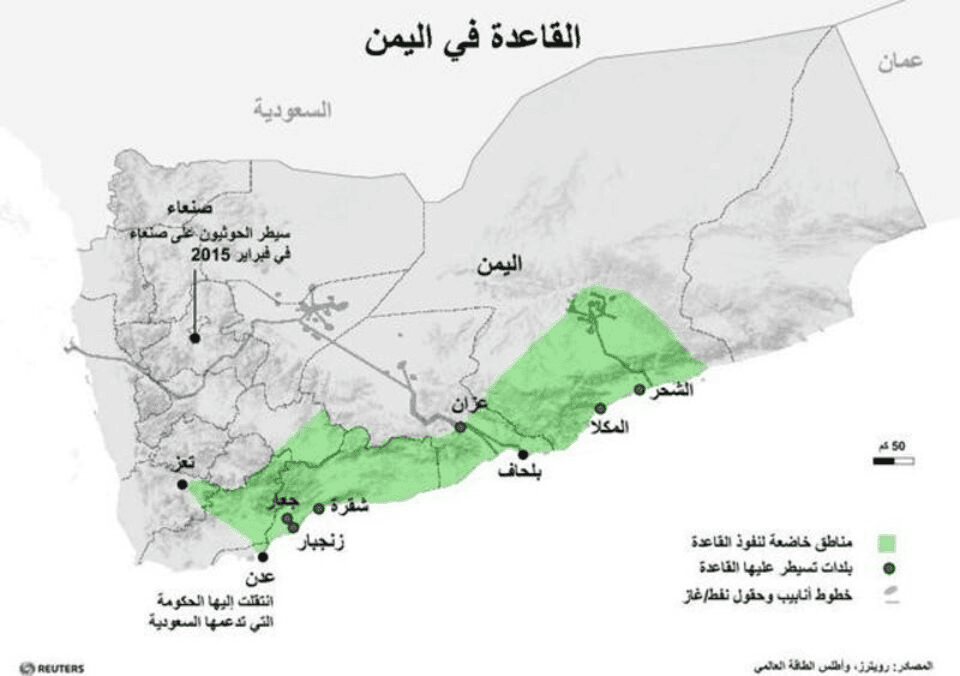
2 April 2015 | 12 Jumada al-Akhirah 1436 AH — al-Qaeda in the Arabian Peninsula seizes Mukalla. The organisation took advantage of the collapse of state institutions, seizing Mukalla, the capital of Hadramawt, and other areas, emerging as a third party that benefited from the security vacuum.
14 April 2015 | 24 Jumada al-Akhirah 1436 AH — UN Security Council Resolution 2216. The Security Council demanded, in particular of the Houthis, withdrawal from areas they had seized and handing over weapons taken from military institutions, and imposed measures, sanctions and an arms embargo targeting figures linked to the conflict. The resolution later became one of the most important legal and political references relied upon by the internationally recognised government.
17 July 2015 | 30 Ramadan 1436 AH — Recapture of Aden from the Houthis. Hadi's government announced the "liberation" of Aden after an attack carried out by southern Yemeni forces with coalition support, particularly from Saudi Arabia and the UAE. From here the long division began to take shape: Sanaa and the north-west under the Houthis, and Aden and large parts of the south and east under the forces opposed to them.
Fifth: 2016 — The War Settles Along Long Fronts and Two Parallel Authorities Emerge
10 April 2016 | 2 Rajab 1437 AH — Comprehensive cessation of hostilities. A truce sponsored by the United Nations came into effect in preparation for the Kuwait talks.
21 April 2016 | 13 Rajab 1437 AH — Start of the Kuwait consultations. Direct negotiations began between the government and delegations of the Houthis and the General People's Congress, aimed at reaching security and political arrangements and ending the war. They continued for months but did not achieve the desired settlement.
25 April 2016 | 17 Rajab 1437 AH — al-Qaeda withdraws from Mukalla. The organisation withdrew from the city after a military operation by Yemeni forces and the coalition, in which the UAE and the Americans played a major role.
28 July 2016 | 22 Shawwal 1437 AH — The Houthis and Saleh's party announce a joint political council. The Houthis and the General People's Congress agreed to establish a council to administer the areas under their control, which the United Nations considered a unilateral step that obstructed the Kuwait negotiations.
15 August 2016 | 11 Dhu al-Qadah 1437 AH — Formation of the "Supreme Political Council" in Sanaa. The Sanaa authority acquired an official joint political framework between the Houthis and Saleh, in contrast to Hadi's internationally recognised government.
8 October 2016 | 6 Muharram 1438 AH — Bombing of a funeral hall in Sanaa. A coalition airstrike caused large numbers of deaths and injuries, and became one of the most prominent incidents fuelling international criticism of the air campaign. The UN Panel of Experts includes the incident among the most notable events of the war that year.
13 October 2016 | 11 Muharram 1438 AH — First direct American strikes against Houthi facilities. The US Navy fired Tomahawk missiles at coastal radar sites belonging to the Houthis, after missiles were launched towards American ships in the Red Sea.
At this stage the American role was no longer limited to supporting the coalition and fighting al-Qaeda.
Sixth: 2017 — The Birth of the Transitional Council and the Collapse of the Saleh–Houthi Alliance
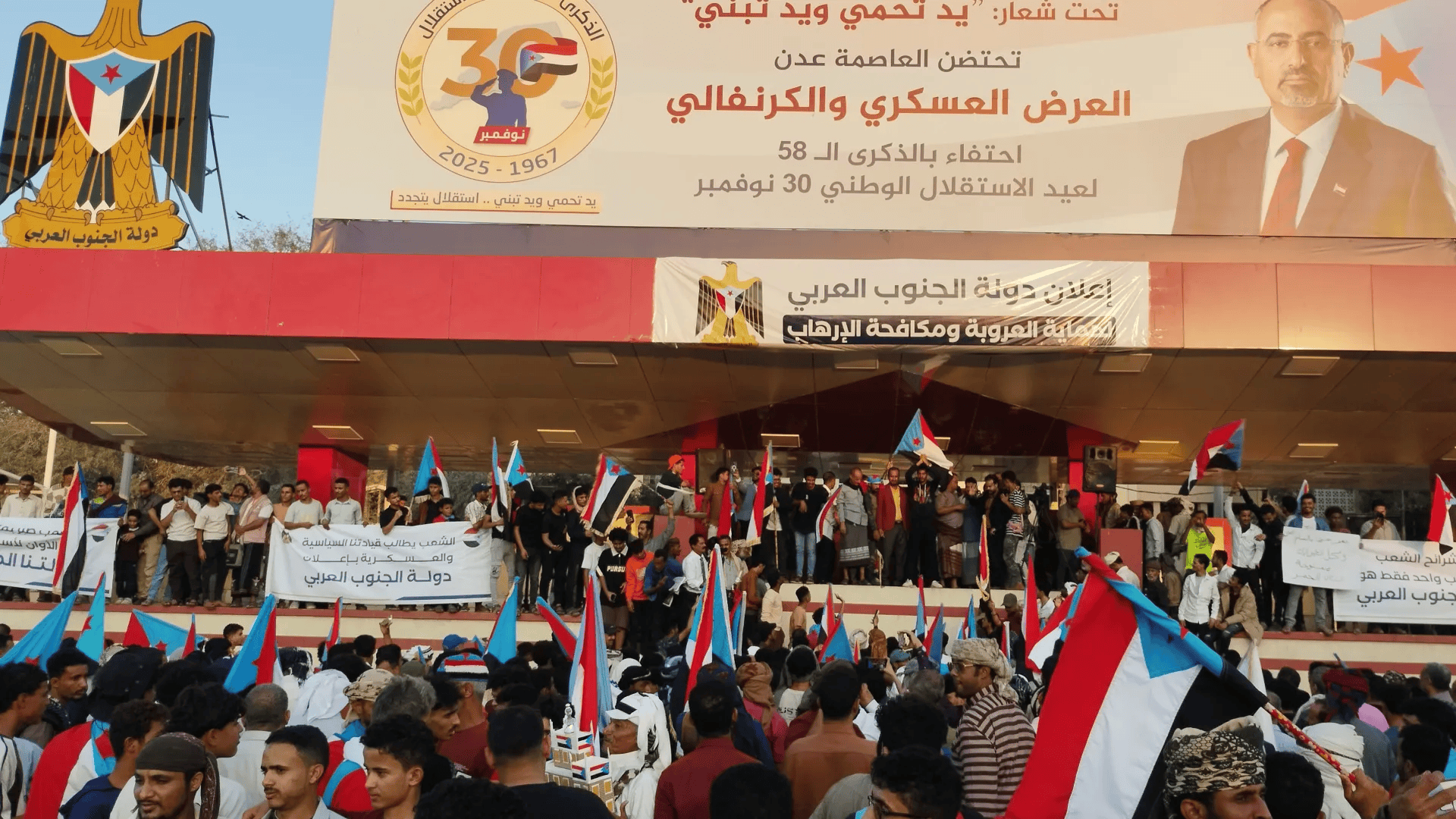
11 May 2017 | 14 Shaʿban 1438 AH — Founding of the Southern Transitional Council. Aidarous al-Zubaidi and a number of southern leaders announced the establishment of the council, aiming to represent the South and work towards restoring a state of South Yemen. The council received strong Emirati support.
4 December 2017 | 15 Rabi al-Awwal 1439 AH — Killing of Ali Abdullah Saleh. After the dispute between Saleh and the Houthis escalated and Saleh announced his break with his alliance with them, clashes erupted in Sanaa. Saleh was killed while attempting to leave the capital.
His killing ended the partnership that had allowed the Houthis to take control of Sanaa, but the outcome was in their favour: they were able to dismantle a large part of Saleh's network within the areas they controlled.
In contrast, Saleh's nephew Tariq Mohammed Abdullah Saleh later emerged on the western coast as leader of the "National Resistance," backed by the UAE and fighting the Houthis.
Seventh: 2018 — The Battle of Hodeidah and the Stockholm Agreement
13 June 2018 | 29 Ramadan 1439 AH — Launch of the major offensive on Hodeidah. Government forces and local forces backed by Saudi Arabia and the UAE launched the largest offensive of the war up to that time to seize the city and port of Hodeidah from the Houthis.
Hodeidah became highly sensitive because of its importance for the entry of food, fuel and aid into areas where millions of Yemenis live.
June–December 2018 | Ramadan–Rabi al-Akhir 1439–1440 AH — The Battle of Hodeidah and US pressure to halt the offensive: On 13 June 2018, Yemeni forces backed by Saudi Arabia and the UAE launched a broad offensive to seize the city of Hodeidah and its strategic port, and managed to take control of the airport and advance to the outskirts of the city. At the start of the operation, the United States rejected an Emirati request for direct military and intelligence support for the attack on the port; then pressure from the United States, Britain and the United Nations escalated as the forces approached the port, amid fears of a humanitarian catastrophe. In November the coalition halted its offensive inside the city, before the Stockholm Agreement was concluded on 13 December 2018 | 6 Rabi al-Akhir 1440 AH, which effectively halted the Battle of Hodeidah and kept the city and its port outside government control, leaving them later under Houthi control.
13 December 2018 | 4 Rabi al-Akhir 1440 AH — The Stockholm Agreement. The government and the Houthis, under UN auspices in Sweden, reached an agreement covering three files: Hodeidah and its ports, the exchange of prisoners, and an understanding on Taiz. The agreement halted the comprehensive offensive on Hodeidah and fixed front lines that remained influential for years.
Eighth: 2019 — War Within the Anti-Houthi Camp
10 August 2019 | 8 Dhu al-Hijjah 1440 AH — The Transitional Council takes control of Aden. Transitional Council forces backed by the UAE seized the presidential palace and government camps in the interim capital, and Hadi's government accused the council of carrying out a coup.
This episode clearly revealed the Saudi–Emirati contradiction within the coalition: the two sides had fought the Houthis together, but they disagreed about the form of authority, the future of the South and the Islah party.
5 November 2019 | 7 Rabi al-Awwal 1441 AH — Riyadh Agreement. Saudi Arabia sponsored an agreement between Hadi's government and the Transitional Council to halt fighting in the South, form a joint government, and integrate military and security forces into state institutions.
However, implementation of the military and security clauses remained partial.
Ninth: 2020 — The Transitional Council Declares Self-Administration
26 April 2020 | 3 Ramadan 1441 AH — Declaration of "self-administration" in the South. The Transitional Council announced the self-administration of the areas under its control, in direct defiance of Hadi's government and the Riyadh Agreement.
This showed that Yemen was in practice facing three major projects:
- The Houthis and their authority in Sanaa.
- The internationally recognised government and its allied components.
- The southern separatist project led by the Transitional Council.
In addition to relatively independent forces such as Tariq Saleh, the Islah party, tribal and local forces, and al-Qaeda.
Tenth: 2021 — The Battle of Marib and the Change in US Policy
4 February 2021 | 21 Jumada al-Akhirah 1442 AH — The Biden administration announces an end to US support for the coalition's offensive operations in Yemen, including some arms sales linked to them, while continuing to support the defence of Saudi Arabia and counterterrorism.
16 February 2021 | 4 Rajab 1442 AH — Washington revokes the designation of the Houthis as a Foreign Terrorist Organisation, which the first Trump administration had imposed in its final days, justifying this by concerns over the designation's effect on the humanitarian situation.
February 2021 | Rajab 1442 AH — The Houthis renew their major offensive on Marib. The governorate became the most important front, because it was the last major government stronghold in the north of the country and a centre of oil and gas, while its remaining outside Houthi control was an obstacle to completing their domination of the north.
Eleventh: 2022 — Abu Dhabi Is Attacked, Then the Largest Truce Since the Start of the War
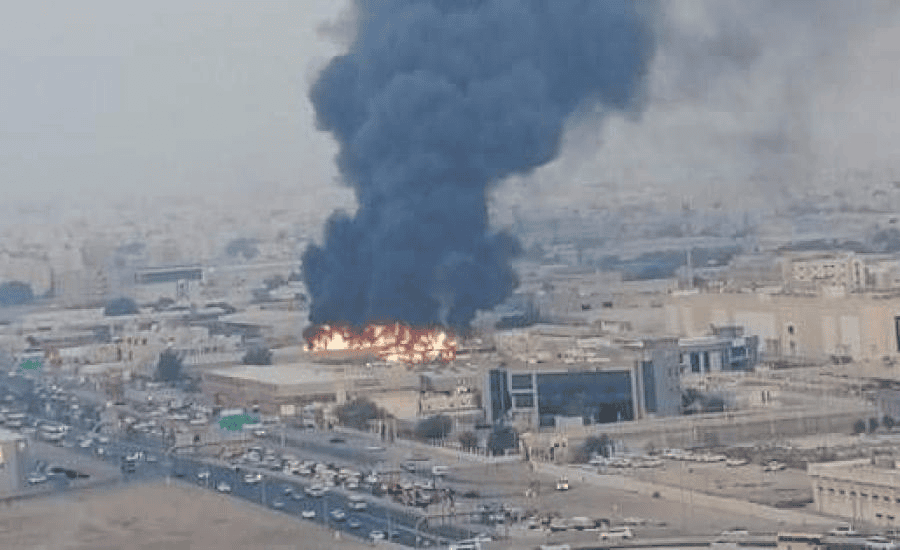
17 January 2022 | 13 Jumada al-Akhirah 1443 AH — Houthi attack on Abu Dhabi. The Houthis claimed responsibility for an attack with missiles and drones that caused fuel tanks to explode and killed three people, and the conflict reached Emirati territory directly.
2 April 2022 | 29 Sha'ban 1443 AH — The UN truce enters into force. It stipulated a halt to offensive operations across the border and inside Yemen, facilitation of fuel shipments through Hodeidah, flights from Sanaa airport, and negotiations on roads in Taiz. It became the most important de-escalation point since 2015.
7 April 2022 | 5 Ramadan 1443 AH — Hadi transfers all his powers to the Presidential Leadership Council. A council of eight members was formed under the chairmanship of Rashad al-Alimi, bringing together disparate figures and forces within the anti-Houthi camp: the Southern Transitional Council, Tareq Saleh, Sultan al-Arada, the Giants Brigades and others. Ali Mohsen al-Ahmar was relieved of his post as vice president.
This was effectively the end of the era of Abd Rabbuh Mansour Hadi.
2 October 2022 | 6 Rabi' al-Awwal 1444 AH — The truce officially expires without agreement on its extension. However, Yemen did not immediately return to full-scale war; a large degree of de-escalation between Saudi Arabia and the Houthis continued informally for years afterwards.
21 October 2022 | 25 Rabi' al-Awwal 1444 AH — Attack on the Dabba oil port in Hadramawt. The Houthis targeted the oil export facility with drones while a tanker was preparing to load, beginning a phase of economic pressure on the government's exports. The Security Council later condemned the attack.
Twelfth: 2023 — Saudi Arabia shifts from direct war to negotiations with the Houthis
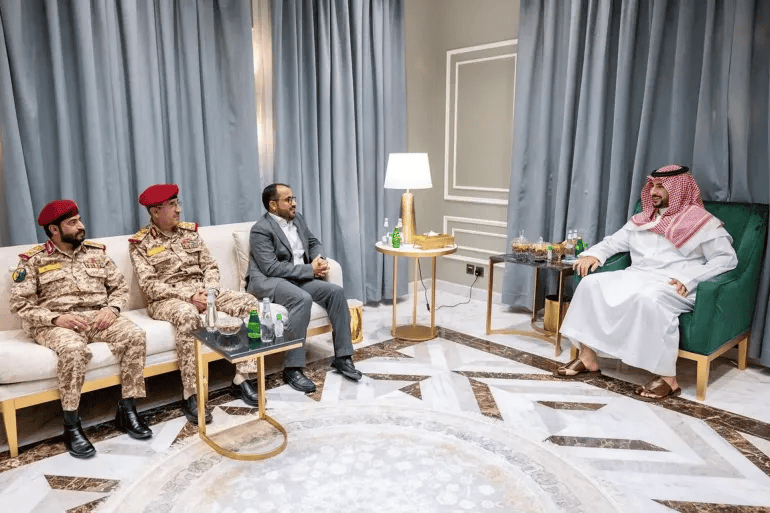
9 April 2023 | 18 Ramadan 1444 AH — Saudi–Omani delegation in Sanaa. Saudi and Omani officials met with the Houthi leadership to discuss a permanent ceasefire, opening the ports and airport, salaries, reconstruction and the withdrawal of foreign forces. These were the most prominent direct negotiations between Riyadh and the Houthis since the start of the war.
Oman played the most important mediating role here between the Houthis, Saudi Arabia and the United States, drawing on its relations with the various parties.
14 September 2023 | 28 Safar 1445 AH — Houthi delegation travels to Riyadh. The negotiations moved from Sanaa to the Saudi capital, an indication that Riyadh was seriously seeking arrangements to exit the direct war.
Then the Gaza war came and changed the course of the track
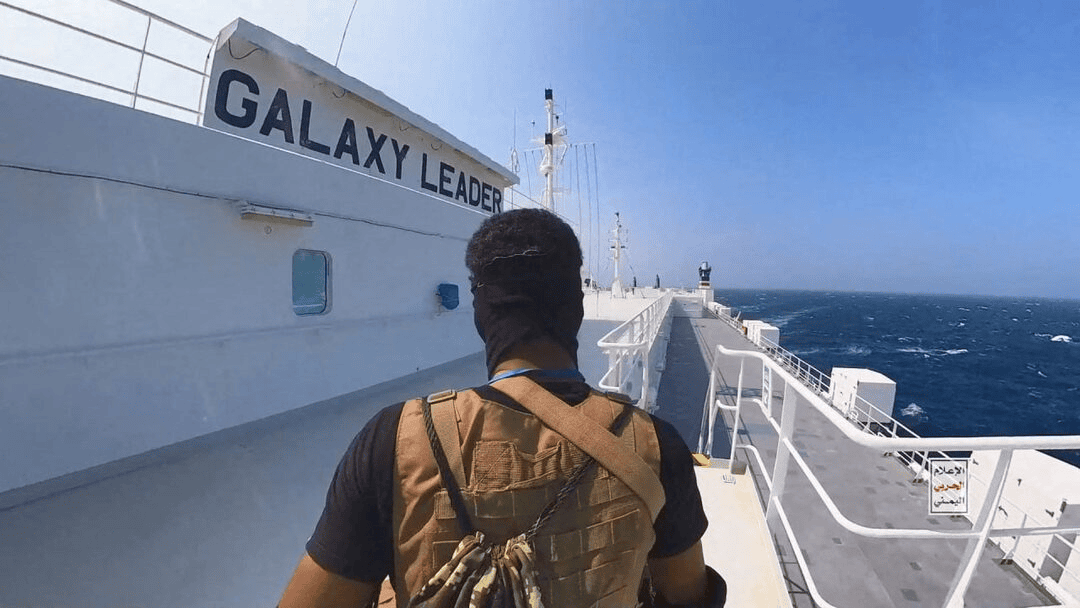
19 November 2023 | 6 Jumada al-Awwal 1445 AH — The Houthis seize the Galaxy Leader ship. Houthi fighters stormed the ship in the Red Sea and detained its crew, the first prominent operation in the naval campaign that the group said was in support of Gaza and against ships linked to Israel.
Attacks then expanded to include commercial ships in the Red Sea and the Gulf of Aden, and Yemen once again shifted from a civil war file to the centre of an international crisis.
18 December 2023 | 5 Jumada al-Akhirah 1445 AH — The United States announces Operation "Prosperity Guardian". A multinational naval coalition was formed to protect navigation in the Red Sea from Houthi attacks.
Thirteenth: 2024 — The United States, Britain and Israel enter into direct confrontation with the Houthis
12 January 2024 | 1 Rajab 1445 AH — The first broad wave of US–British strikes inside Yemen. It targeted missile sites, radars, drones and Houthi military capabilities in response to the Red Sea attacks.
17 January 2024 | 6 Rajab 1445 AH — Washington re-designates Ansar Allah as a "Specially Designated Global Terrorist" entity (SDGT), with the decision to take effect on:
16 February 2024 | 6 Sha'ban 1445 AH. The decision came because of the attacks on ships and navigation.
19 July 2024 | 12 Muharram 1446 AH — A Houthi drone strikes Tel Aviv. One person was killed and others were injured; it was one of the most prominent Yemeni strikes to penetrate Israeli defences and reach the heart of Tel Aviv directly.
20 July 2024 | 13 Muharram 1446 AH — The first direct Israeli airstrikes on Yemen. Israeli aircraft bombed the port of Hodeidah and fuel and energy facilities, announcing it as a response to the Tel Aviv attack.
From here, the Israeli entity became a direct military party on one of the fronts of the regional Yemeni conflict.
Fourteenth: 2025 — A new US escalation followed by a truce, and the return of naval attacks
22 January 2025 | 22 Rajab 1446 AH — The Trump administration begins re-listing the Houthis as a Foreign Terrorist Organization. The decision represented a new toughening of US policy towards the group.
15 March 2025 | 15 Ramadan 1446 AH — The United States launches an expanded air campaign against the Houthis. The Trump administration began a harsher wave of strikes on Yemen aimed at weakening missiles and drones and preventing attacks on navigation.
6 May 2025 | 8 Dhu al-Qa'dah 1446 AH — US–Houthi agreement mediated by Oman. The two sides agreed to stop targeting each other, including US ships, and the expanded US air campaign ended. However, the agreement did not include Israel, and therefore the Houthi–Israeli confrontation continued.
6 July 2025 | 10 Muharram 1447 AH — The Magic Seas ship is targeted.
9 July 2025 | 13 Muharram 1447 AH — The Eternity C is sunk. Houthi naval attacks brought the risks back to the Red Sea after a period of calm, and there were deaths and missing among the ships' crews.
End of 2025: The explosion within the Saudi–Emirati camp
Early December 2025 | Jumada al-Akhirah 1447 AH — The Transitional Council pushes east. Forces affiliated with the Transitional Council took control of large areas in Hadramawt, al-Mahra and oil-producing areas, and its control extended in an unprecedented way towards the Saudi border.
That was a turning point because it brought the Saudi–Emirati dispute over the south out of the backrooms and into the open.
30 December 2025 | 10 Rajab 1447 AH — Saudi escalation against the Transitional Council's expansion. Saudi Arabia entered militarily to halt the advance of the UAE-backed forces, and the dispute with Abu Dhabi reached a degree unprecedented since their alliance in Yemen began in 2015. Reuters describes this phase as the point of explosion of the dispute between the two Gulf powers after the Transitional Council took control of strategic areas and fields.
Fifteenth: 2026 — The collapse of the southern expansion project and the return of the Saudi–Houthi war
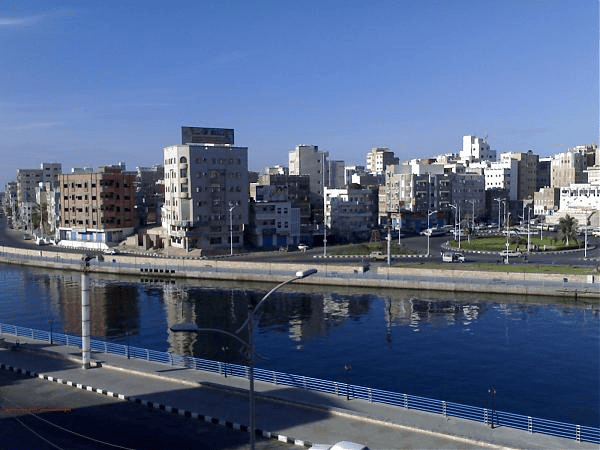
3 January 2026 | 14 Rajab 1447 AH — Saudi-backed forces retake Mukalla. The internationally recognised government announced the recapture of the capital of Hadramawt after a counteroffensive that reversed most of the gains made by the Transitional Council the previous month. Saudi and government forces also retook key positions in Hadramawt and al-Mahra.
This confrontation revealed for the first time, with such clarity, that Saudi Arabia and the UAE, although they began the 2015 war as allies, now have conflicting projects in southern Yemen.
9 January 2026 | 20 Rajab 1447 AH — Sharp division within the Transitional Council. Members of the Council's delegation present in Riyadh announced the dissolution of the organisation, while the Council leadership loyal to Aidarous al-Zubaidi rejected the step and said the delegation did not have the authority to take it. Reuters reported that al-Zubaidi had left Yemen for Abu Dhabi.
The southern separatist project thus entered a new phase of internal division, although its popular and military base remained in southern areas.
Sixteenth: Summer 2026 — The collapse of the truce between the Houthis and Saudi Arabia
Since the 2022 truce, despite internal clashes, there had been broad de facto de-escalation between Riyadh and the Houthis. But this balance collapsed in the summer of 2026.
Mid-July 2026 | Muharram 1448 AH — Return of Houthi attacks on Saudi Arabia. Launches of missiles and drones towards the Kingdom resumed after disputes and escalation linked to the airport, navigation and airstrikes in Yemen, effectively ending years of direct truce.
20 July 2026 | 4 Safar 1448 AH — The Houthis announce a "naval blockade" on Saudi Arabia. The group announced the imposition of a maritime ban on Saudi ships in the Red Sea, and the Saudi-led coalition responded that it would deal firmly with the threat.
This step became far more dangerous because of Yemen's location on Bab al-Mandab, especially with navigation disrupted alongside the wider regional crisis.
23 July 2026 | approximately 7 Safar 1448 AH — Attacks on Saudi oil tankers. The Houthis targeted two Saudi tankers in the Red Sea, widening the confrontation from strikes on Saudi territory to oil export lines. The United States responded with new threats against Iran and the Houthis.
29 July 2026 | 13 Safar 1448 AH — Saudi Arabia considers forming a new international coalition to protect the Red Sea. Reuters reported that Riyadh had discussed with dozens of countries establishing a coalition to protect ships from Houthi attacks.
This is a very important phase: Saudi Arabia, which in 2023 had sought to exit the war with the Houthis, returned in 2026 to considering international military arrangements to confront them.
Seventeenth: September 2026 — The return of wide-scale war and the Houthis' approach to Bab al-Mandab
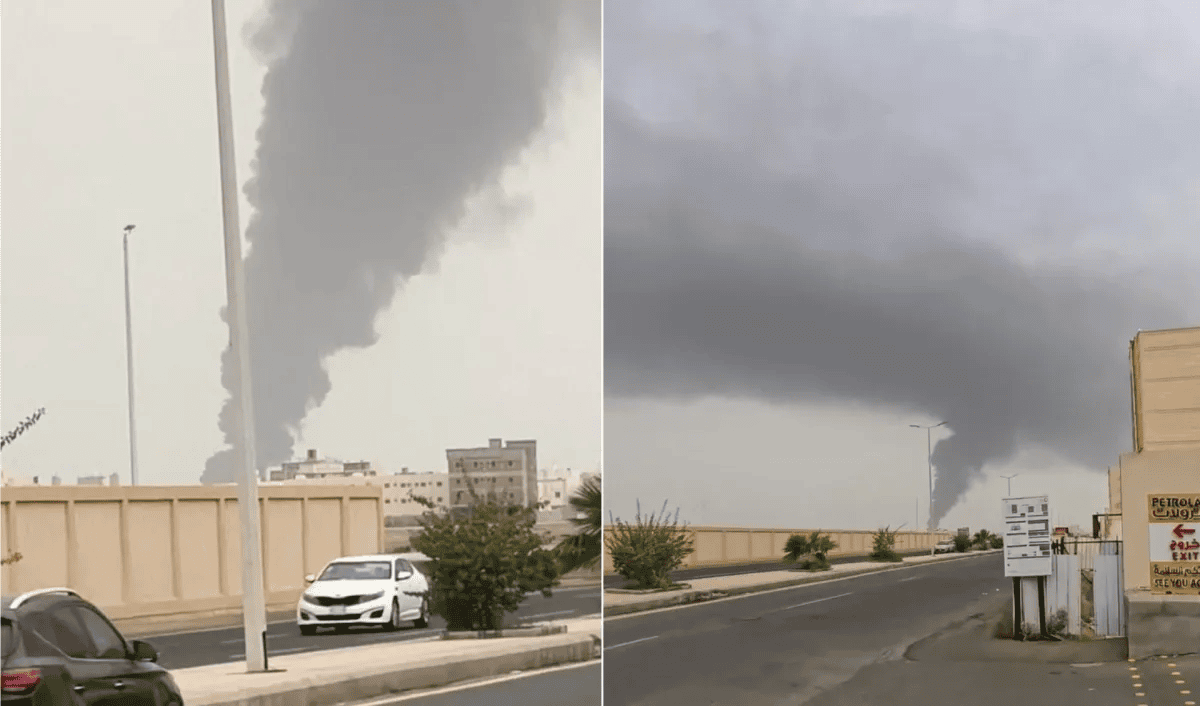
7 September 2026 | 24 Rabi' al-Awwal 1448 AH — Strike on a prison in al-Hazm in al-Jawf governorate. The Houthis accused Saudi Arabia of carrying out the strike. The death toll later rose to 23, including a child. Riyadh had not directly claimed responsibility for the strike in the initial reports.
8 September 2026 | 25 Rabi' al-Awwal 1448 AH — One of the largest Houthi attacks on Saudi Arabia in years. The Houthis launched a broad wave of missiles and drones that targeted Abha, Khamis Mushait, Jazan and Najran, along with energy facilities, Aramco and a military base. Saudi authorities said 73 people were injured, and operations were temporarily halted at some facilities.
Anti-Houthi forces responded with military escalation inside Yemen, while the Houthis spoke of dozens of strikes on al-Jawf, Marib, Taiz, Hodeidah and other areas.
9 September 2026 | 26 Rabi' al-Awwal 1448 AH — Pakistan intervenes diplomatically in the crisis. Islamabad conveyed a Saudi message to Iran asking it to use its influence to restrain the Houthis. A senior Iranian official said Tehran had told Pakistan that it "does not control the Houthis", while sources told Reuters of growing Iranian support for the group.
10 September 2026 | 27 Rabi' al-Awwal 1448 AH — The most dangerous change on the ground on the western coast
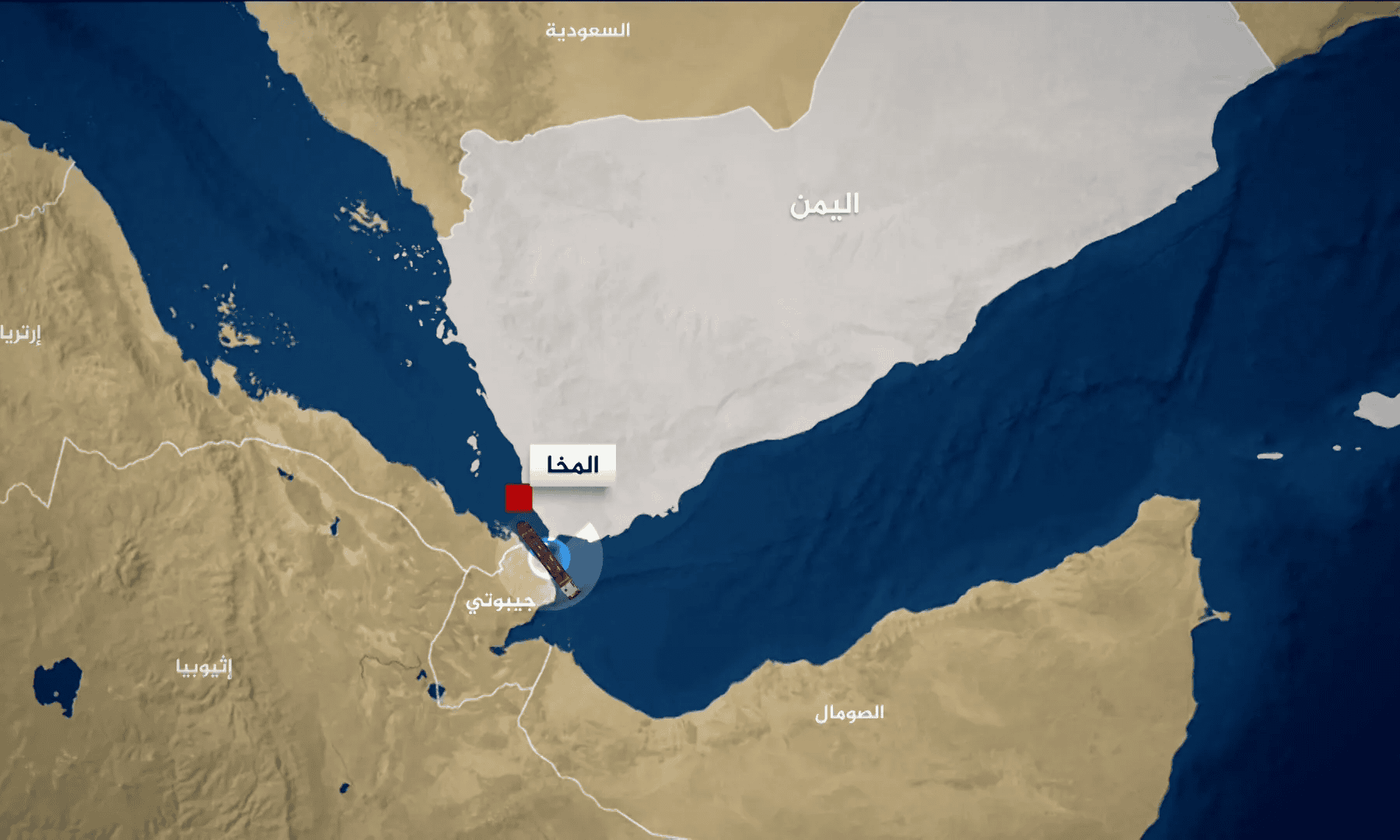
According to four military sources within the government forces who spoke to Reuters, the Houthis have managed to take control of the historic city of Mocha on the Red Sea, after advancing along the western coast.
The sources said that anti-Houthi forces are retreating or redeploying towards Dhubab and Bab al-Mandab, while the Houthis are launching operations towards the Red Sea islands, including the vicinity of the Hanish Islands.
Reuters reported that more than 20,000 people were displaced during the latest escalation in Taiz and Hodeidah, while Tareq Saleh's forces and the government components on the coast face increasing pressure.
On the same day, Pakistan confirmed that no direct Pakistani military intervention had been discussed under the new defence agreement with Saudi Arabia and Turkey, despite Houthi threats against the Kingdom. Pakistan therefore remains, up to this point, a mediator and potential defensive supporter of Saudi Arabia rather than a combatant party in Yemen.
Map of the parties: who is fighting whom in Yemen now?
To understand the sequence above, this is the political and military map produced by fifteen years of conflict:
The Houthis / who call themselves "Ansar Allah": They emerged in Saada and fought wars with Saleh, then allied with him and took control of Sanaa in 2014, then killed him after the alliance collapsed in 2017. Today they control Sanaa and most of the north and the most densely populated areas, and possess an arsenal of ballistic missiles, drones and naval weapons. They receive Iranian support, while retaining a clear degree of independence in decision-making.
The Presidential Leadership Council and the internationally recognised government: The Council replaced Hadi in April 2022 and is chaired by Rashad al-Alimi. It is an umbrella for highly divergent forces, not a unified political army: it includes figures linked to Saudi Arabia, Tareq Saleh, and southern, tribal and military leaders.
The Southern Transitional Council: Founded in 2017 under the leadership of Aidarous al-Zubaidi with the aim of restoring a southern state. The UAE was its most prominent backer, and it took control of Aden and wide southern areas, but it suffered a military defeat and a major organisational split during the crisis of December 2025–January 2026.
The National Resistance Forces led by Tareq Saleh: Formed after the killing of Ali Abdullah Saleh, they were based primarily on the western coast. They were known for UAE support, but they raise the project of keeping Yemen united, unlike the Transitional Council. Tareq Saleh is a member of the Presidential Leadership Council.
The Yemeni Congregation for Reform (Islah): It was one of the influential forces in the 2011 revolution and then became one of the main political and military pillars opposing the Houthis, with significant influence in Marib. Its relationship with Saudi Arabia is relatively better than with the UAE and the Transitional Council, which view it as a political rival.
Saudi Arabia: It intervened militarily in 2015 to restore the government and prevent the emergence of an Iranian-backed Houthi force on its borders. It gradually shifted from war to direct negotiations with the Houthis in 2022–2023, then returned to open military confrontation in 2026.
The UAE: It was the second most important force in the 2015 coalition and contributed strongly to the war in the south and the western coast and to counter-terrorism against al-Qaeda, then reduced its direct military deployment. But it retained influence through the Transitional Council and other local forces. Its dispute with Saudi Arabia over the south reached its peak in late 2025.
Iran: Its military and political relationship with the Houthis developed considerably after the group took control of Sanaa, and the United States and Saudi Arabia accuse it of supplying the Houthis with weapons, expertise, missiles and drones. Iran denies that it controls the group's decisions.
Oman: It did not enter the war militarily and became the most important mediating channel between the Houthis, Saudi Arabia and the United States, particularly in the 2023 negotiations and the Washington–Houthi agreement of 2025.
The United States and Britain: Washington supported the Saudi coalition at the start of the war, then changed its policy in 2021. From January 2024, the United States and Britain have carried out direct military strikes on the Houthis in the context of the Red Sea crisis.
"Israel": It became a direct party after the exchange of strikes with the Houthis in 2024, and carried out multiple raids on Yemeni facilities and ports after missile and drone attacks on it.
al-Qaeda in the Arabian Peninsula: It was able to take control when the state collapsed, especially between 2015 and 2016, when it reached the peak of its influence by seizing Mukalla and other areas, but it later lost most of its regional control, while retaining an armed presence in some areas.
Islamic State (ISIS) in Yemen: The Islamic State's Yemen branch emerged in late 2014 and early 2015. In its early stages it attracted a number of fighters and former members of al-Qaeda in the Arabian Peninsula, who broke away from al-Qaeda and pledged allegiance to the Islamic State after the group declared a "caliphate" in Iraq and Syria and established a branch in Yemen. It can therefore be said that the group partly arose from splits within the jihadist milieu associated with al-Qaeda, and became a rival of al-Qaeda and a combatant against it. Its activity peaked during 2015 and 2016 through bombings and assassinations targeting the Houthis and government forces, before declining sharply later under the pressure of internal divisions and security and military pressure. Today its presence is limited to small, scattered cells, and its impact is more security-related than that of a force capable of changing the map of control. This contrasts with al-Qaeda in the Arabian Peninsula, which has remained more deeply rooted and organised inside Yemen. American aircraft continue to monitor and strike its activity, with strikes that have drawn human rights criticism because they caused civilian deaths without any apology or compensation to the victims' families.
The United Nations: It has managed the tracks of the national dialogue, the Kuwait consultations, the Stockholm Agreement, the 2022 truce and others, but it has not yet been able to turn de-escalation into a final peace agreement.
What has changed in the conflict over these years?
The fifteen years can be summarised in six major phases:
2011–2012: A revolution against Saleh and a transfer of power to Hadi.
2013–2014: An attempt to build a new system through the National Dialogue, then the collapse of the transitional process and the advance of the Houthis backed by networks loyal to Saleh.
2015–2017: A comprehensive war between the Houthis and Saleh on one side, and the government and the Saudi–Emirati coalition on the other, followed by the collapse of the Houthi–Saleh alliance and the killing of the latter.
2017–2021: The anti-Houthi camp fragmented into the government, the Southern Transitional Council, Tariq Saleh's forces and multiple military and local formations, while the Houthis consolidated their authority in the north; meanwhile al-Qaeda and the Islamic State continued their activity as independent actors outside these alignments.
2022–2023: A truce and a Saudi shift from military decisiveness to direct negotiations with the Houthis; this is the closest phase in which Yemen came to a broad halt to the war.
2023–2026: The Gaza war and the Red Sea crisis re-internationalised the conflict, then the Houthi fronts became intertwined with the United States, Britain, Israel and Iran, and the Saudi–Emirati dispute in the south erupted, before the Saudi–Houthi de-escalation collapsed in 2026 and fighting returned to the coast and Bab al-Mandab.
Where does Yemen stand as of 10 September 2026?
Yemen today is not facing a "new war" but four overlapping crises: the Houthis' war with the government and the forces opposed to them; a struggle over the future of the south; a regional confrontation between the Houthis and Saudi Arabia; and an international front linked to Iran, Israel, the United States and navigation in the Red Sea.
The most dangerous current development is that the centre of gravity is moving once again toward the western coast and Bab al-Mandab. If Houthi control of Mokha is consolidated and they expand southward, the conflict that began in 2011 as an internal political transition crisis will have reached, after fifteen years, one of the most important shipping and energy corridors in the world.


