


The humanitarian crisis in Yemen is deepening, with continued economic decline and rising rates of poverty and hunger, at a time when 22.3 million people will need humanitarian assistance and protection services in 2026, more than half of the country's population.
On 12 Ramadan 1447 AH, corresponding to 1 March 2026, the United Nations and its partners launched the Humanitarian Response Plan for Yemen for 2026, warning of the growing humanitarian needs in the country amid an economic downturn, rising living costs and a shortfall in funding allocated to humanitarian assistance.
United Nations data indicate that some 18.3 million people face acute food insecurity, while more than 2.2 million children under the age of five suffer from severe acute malnutrition.
These figures come after years of conflict that caused widespread damage to the Yemeni economy, led to declining sources of income and job opportunities, and deteriorating basic services, pushing millions of families to cut their spending on food, health and education.
Poverty Weighs on Yemeni Families
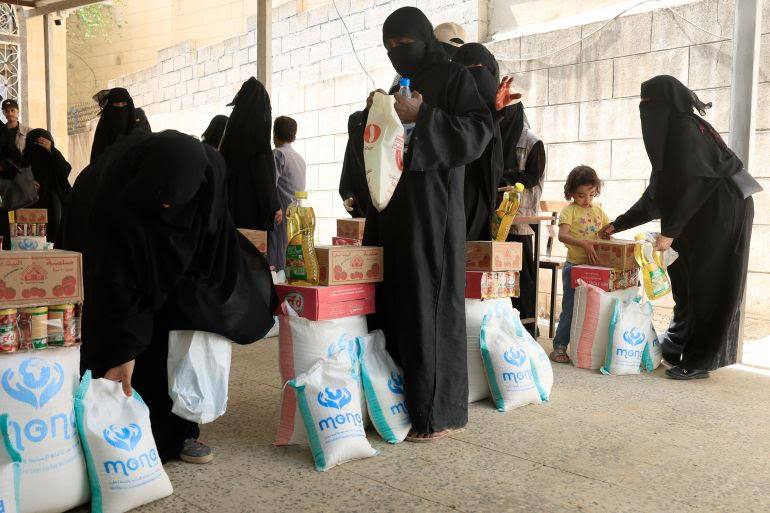
The crisis is not limited to a shortage of food. Yemeni families face rising prices of basic goods and a decline in purchasing power, at a time when millions of residents depend on humanitarian aid or on limited and unstable sources of income.
The decline in humanitarian funding has also increased pressure on relief organisations, which face difficulty meeting the growing needs of the population, particularly in areas where poverty and food insecurity are rising.
Children Among the Most Affected
Children bear a large share of the consequences of the crisis, as millions of children face the risk of malnutrition, along with difficulties in accessing education, healthcare and basic services.
Humanitarian organisations warn that the continuation of the economic crisis and the decline in assistance could push more families to take harsh measures to cope with living conditions, including reducing the number of meals or withdrawing children from school to help provide income for the household.
Current conditions confirm that the Yemeni crisis is no longer linked to armed conflict alone, but has become a broad humanitarian and economic crisis in which war, poverty, hunger, unemployment and the deterioration of basic services intertwine, while millions of Yemenis remain in need of assistance to meet their daily needs.


