


Fleeing the bombardment is no longer the only reason Sudanese are crossing the border into Chad. The search for medical treatment has also become a major driver of displacement. As drones are used more widely in the war between the Sudanese army and the Rapid Support Forces, hospitals in Chad near the border have become a last refuge for hundreds of wounded people who can no longer receive medical care inside their own country.
At the hospital in the Chadian town of Tiné, Fouzi Abdelbagi Mohamed Anwar, 18, is recovering after losing his right eye and suffering severe burns in a drone strike on the area northeast of the Sudanese town of Tiné where he was herding his family's livestock. Several hours after he was injured, he was taken to the Chadian side of the border, where he received treatment alongside several injured relatives.
Survivors of the attacks say strikes increasingly target civilian areas, while local residents affirm that children, herders and farmers have become among the victims of the escalating war. Some of the wounded say they were not carrying any weapon or taking part in any military activity at the time they were targeted.
Alarming escalation in the use of drones
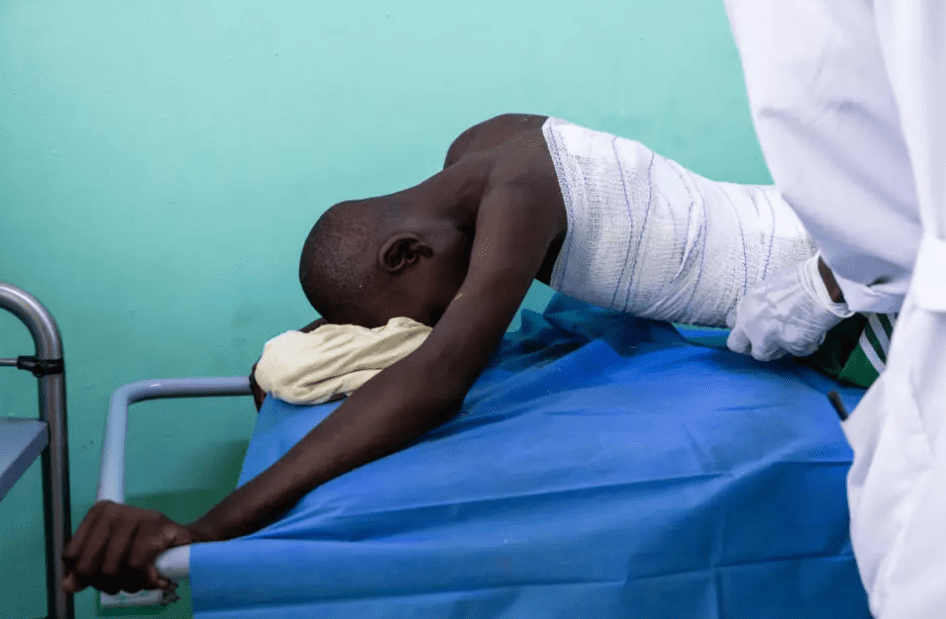
United Nations human rights office estimates indicate that more than 1,000 civilians were killed during the first five months of this year in drone attacks in Sudan. International organisations have also warned that this weapon has radically changed the nature of the conflict, as its targeting has expanded to include markets, residential neighbourhoods, hospitals and civilian infrastructure.
Human rights organisations say the past few months have seen an unprecedented escalation in the tempo and accuracy of strikes, which has led to a rise in civilian casualties and a widening of fear among residents, particularly in the Darfur region and the areas bordering Chad.
Chadian hospitals under growing pressure
As large parts of Sudan's health system have collapsed, the Chadian town of Tiné has become the first treatment stop for wounded people arriving from Sudan. Médecins Sans Frontières supports the local hospital there, which since its surgical department opened has received hundreds of casualties, the vast majority of them victims of drone strikes.
Health workers confirm that injuries caused by these attacks are often extremely severe, including extensive burns, complex fractures, amputations and eye injuries. Doctors say the hospital's capacities are limited, particularly in dealing with critical cases that require specialised and advanced care.
An exhausted health system and a war without horizon
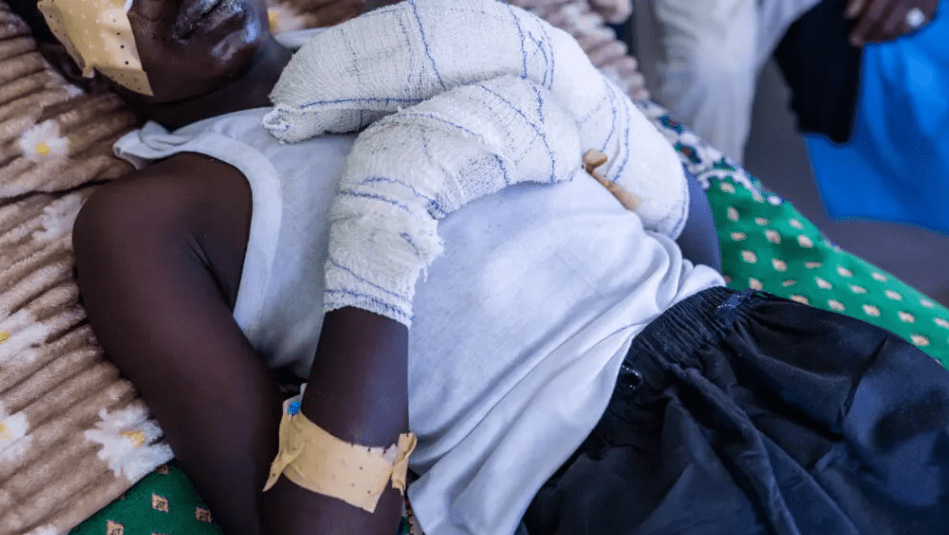
Sudan's health sector has faced an unprecedented crisis since the outbreak of war in April 2023. Hundreds of health facilities have been attacked, damaged or closed, while thousands of medical workers have been forced to flee conflict areas.
International reports indicate that hundreds of attacks on hospitals and health centres have been recorded since the start of the conflict, making access to medical care a daily challenge for millions of Sudanese.
As waves of displacement across the border continue, concerns are growing that fighting may spread to new areas, including those bordering Chad. Local residents warn that any further escalation could produce a new wave of refugees and wounded, at a time when humanitarian aid is declining and pressure on host communities is increasing.
While the war continues to claim lives inside Sudan, the scenes of wounded people lying in hospitals in Chad reveal another dimension of the tragedy: one that forces civilians to cross borders not only to escape death, but in search of a chance to stay alive.


