

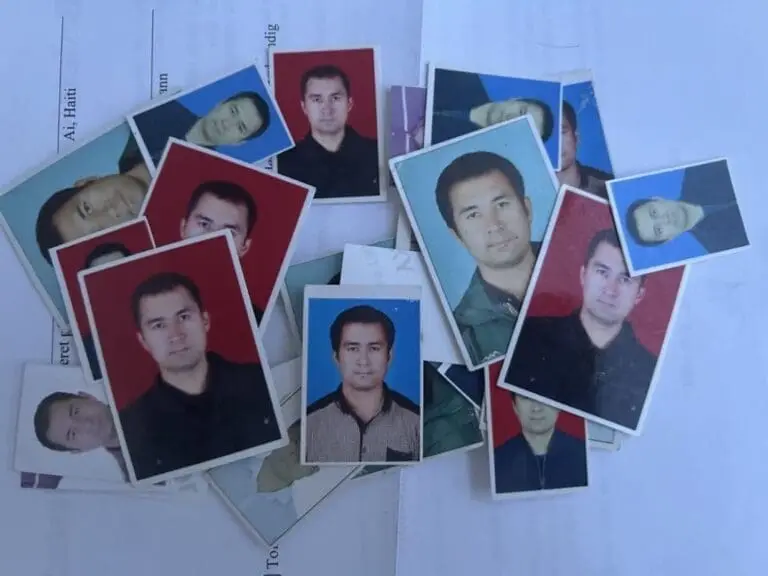
An Uyghur witness to China's detention camps, who died under unclear circumstances in Bosnia, was forcibly buried in a non-religious cemetery despite being a devout Muslim.
Ihmetjan Eyit, a 42-year-old Uyghur, died in May at the University Clinical Center in Sarajevo, Bosnia, in what global Uyghur activists described as "suspicious circumstances."
Ihmetjan is believed to have died of an infectious disease after returning from several months of work in Africa. Eyit worked as a teacher and guardian in China's detention camps in the Uyghur homeland (which China calls "East Turkestan") between 1437-1442 AH (2016 and 2021 CE), before later fleeing to Turkey in 1444 AH (2023 CE) and seeking asylum in Europe.
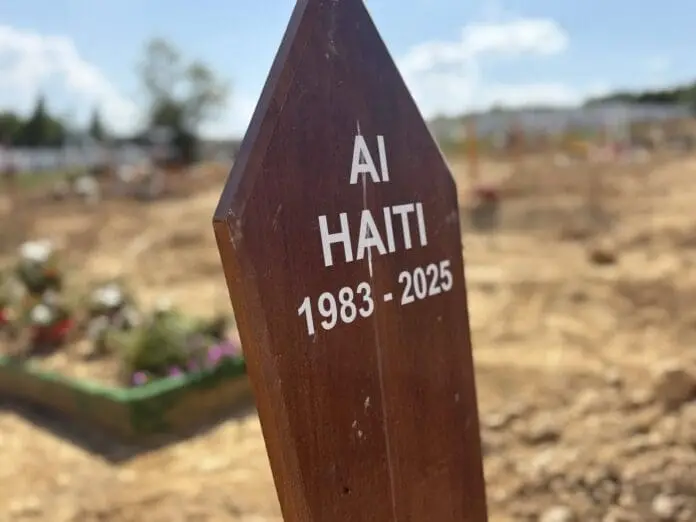
He was buried seventy days later, on 8 August, in the Vlakovo cemetery in Sarajevo, in the section designated for "atheists," despite being a Muslim Uyghur.
The Chinese embassy refused to deal with his body for more than seventy days, and even rejected requests from the World Uyghur Congress to bury Eyit in accordance with Islamic practices.
China has been known for interfering with the burial of Muslim Uyghurs, cremating the bodies of those who die inside and outside its camps, in complete contradiction to Islamic traditions.
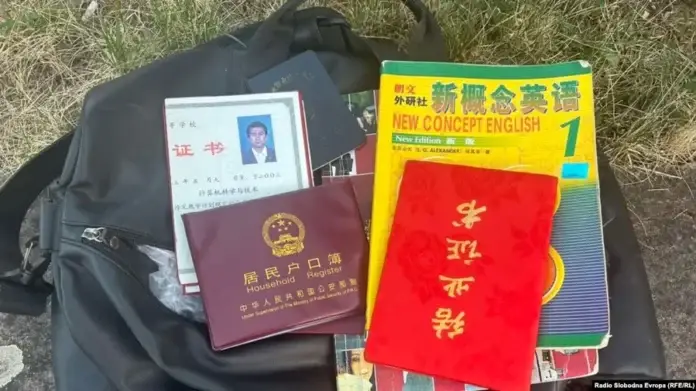
After multiple investigations by humanitarian organisations into Eyit's death, the Chinese embassy in Sarajevo confirmed that "Mr. Ai. Haiti died of an illness in Sarajevo," using the name Eyit was registered under in China.
Ihmetjan Eyit was buried under his Chinese name, Ai Haiti, in a plot of land designated for atheists, without any prior consultation with his friends or family members.
Eyit's Journey and the Suffering of the Uyghurs
His friend, Abduweli Ayup, an outspoken Uyghur activist, described Eyit's journey from being a forced implementer of the system to a person who exposed violations and sought freedom and asylum outside China.
Ayup told the Bosnian media outlet N1 that Eyit was forced to work in two camps within the East Turkestan region, which is occupied by China, as an assistant police officer.
This post had been created specifically to handle the mass detentions of Uyghurs and other Turkic Muslims under the "Strike Hard Campaign Against Violent Terrorism" launched by China in 1435 AH (2014 CE).
This campaign has been known for facilitating the commission of crimes against humanity, specifically targeting the Turkic Muslim population of East Turkestan.
It was reported that Eyit shared many internal details with his friend Ayup, despite the grave risks Uyghurs face when doing so.
As an activist residing in Norway, Ayup documented these same stories of Uyghur escapes and made them public to help raise awareness of the persecution they face.
Eyit managed to leave China in 1444 AH (2023 CE) via Uzbekistan after obtaining a passport in Chengdu, a task deliberately difficult for Chinese Uyghurs.
He then arrived in Turkey, where he changed his name and identity in the hope of escaping China's surveillance.
Ayup said: "He told me that he only wanted to live in a place free from the shadow of the Chinese Communist Party, but even in death, he was not freed from their grip."
In 1445 AH (November 2023 CE), Eyit testified at a session on Uyghur human rights in the Czech parliament; however, fearing reprisals against his remaining family in China, he refused to be recorded or to have his identity disclosed.
Nevertheless, his application for asylum in the Czech Republic was rejected, and he was forced to return to Turkey.
In 1446 AH (April 2025 CE), he found himself in Bosnia, again seeking asylum in Europe, where this place became the stage for his final rest.
Denial of Burial Rights to Uyghur Citizens from China
Abduweli Ayup told Radio Slobodna Evropa about the difficulties Uyghurs face even in their burial rites.
He said: "The way of burial shows a hostile policy toward its Uyghur citizens. The Chinese Communist government does not respect the Uyghurs and their religion while they are alive, and does not allow them to be buried as Muslims after death. They not only humiliate the Uyghurs while they are alive inside China, but do the same outside it, even in a country where Muslims also live."
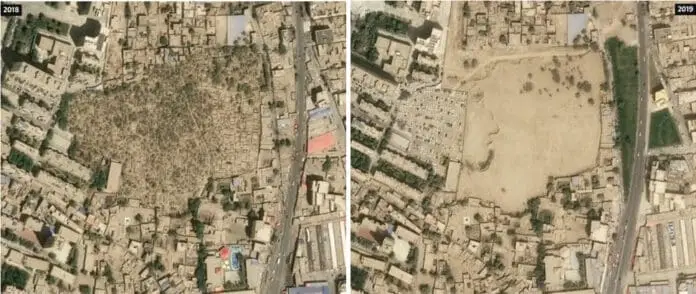
The Sultanim cemetery in the centre of Hotan city before 1440 AH (2019 CE), [right] after its destruction.
It is one of the most famous ancient cemeteries in East Turkestan. It was destroyed between January and March 2019. This is a satellite image. Source: Uyghur Human Rights Project.
Agence France-Presse (AFP) documented the depth of this issue in 1440 AH (2019 CE), reviewing how China destroyed Islamic cemeteries in which generations of Uyghurs had been buried.
AFP journalists reported finding fragments of human bones and piles of destroyed gravestones.
Uyghur activists around the world condemned these acts and considered them an arrogant attempt by China's leadership to erase the identity of the Uyghurs and other Turkic ethnic groups.
According to AFP's investigation and the use of satellite imagery, dozens of graves were destroyed.


