

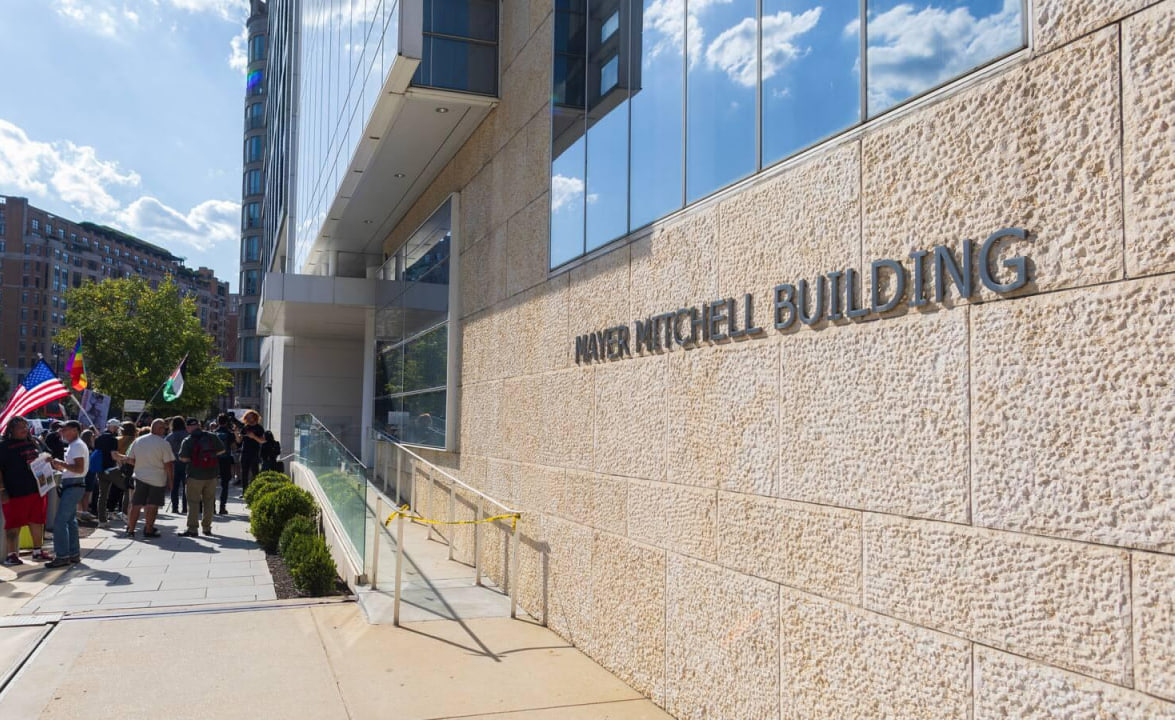
The American project "Track AIPAC", through its account on the platform "X" and an online database, reveals the scale of electoral funding provided by lobby groups supporting the Israeli occupation to American politicians, by tracking direct donations, independent advertising spending and networks of major donors, in an effort to show the financial relationships between these groups and members of Congress and election candidates.
The project, linked to a political committee named "Citizens Against AIPAC Corruption", relies on data from the US Federal Election Commission (FEC), alongside legislative records and politicians' public statements, to publish information cards showing the money that candidates received or that was spent to support them from lobby groups supporting the Israeli occupation state.
The data tracked by the project is not limited to the American Israel Public Affairs Committee "AIPAC", but includes a wider network of political action committees and donors linked to defending US-Israeli relations.
236 million dollars in the funding database
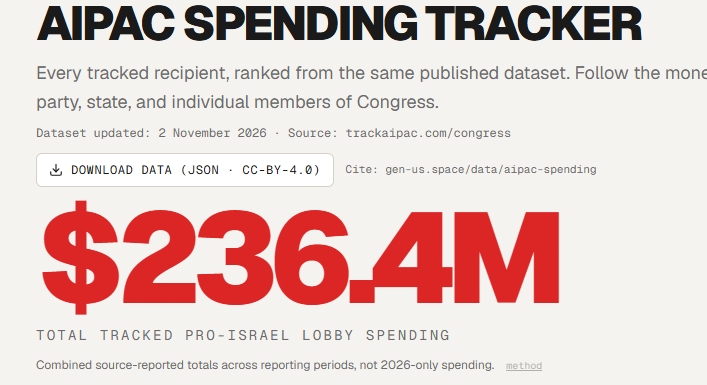
An independent database that re-compiled the figures published by the "Track AIPAC" project, according to an update dated 2 November 2026, recorded some 236.4 million dollars within the total funding and spending linked to lobby groups supporting the Israeli occupation for politicians listed in Congressional records.
According to the compiled data, electoral funding or spending linked to these groups appeared in the records of 498 members out of 529 records covered by the database.
The recorded amounts were distributed as some 175.3 million dollars linked to records of Democratic members, compared with 60.9 million dollars for Republicans, in addition to limited amounts in unclassified records.
However, these figures do not represent spending during the 2026 elections alone, but aggregate amounts from different electoral periods, some of which date back to the candidates' and members' earlier political careers.
Nor do they mean that all the money was transferred directly to politicians' accounts, as they also include independent spending on advertisements and electoral campaigns.
Prominent names and millions of dollars
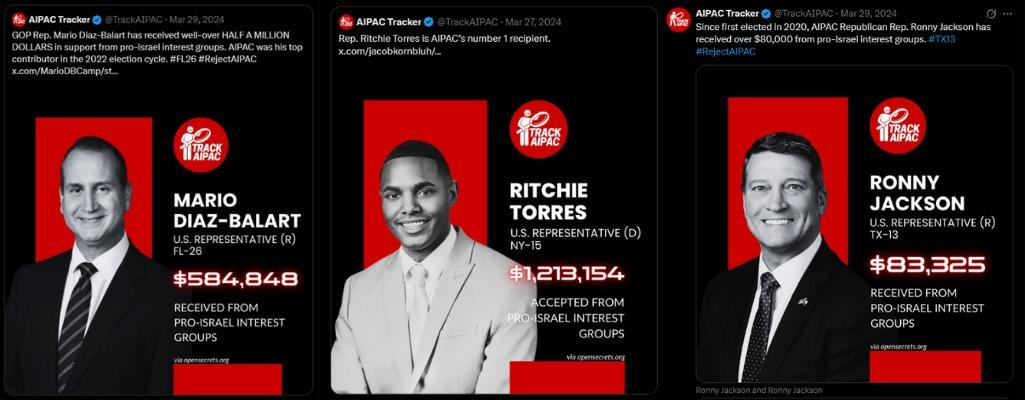
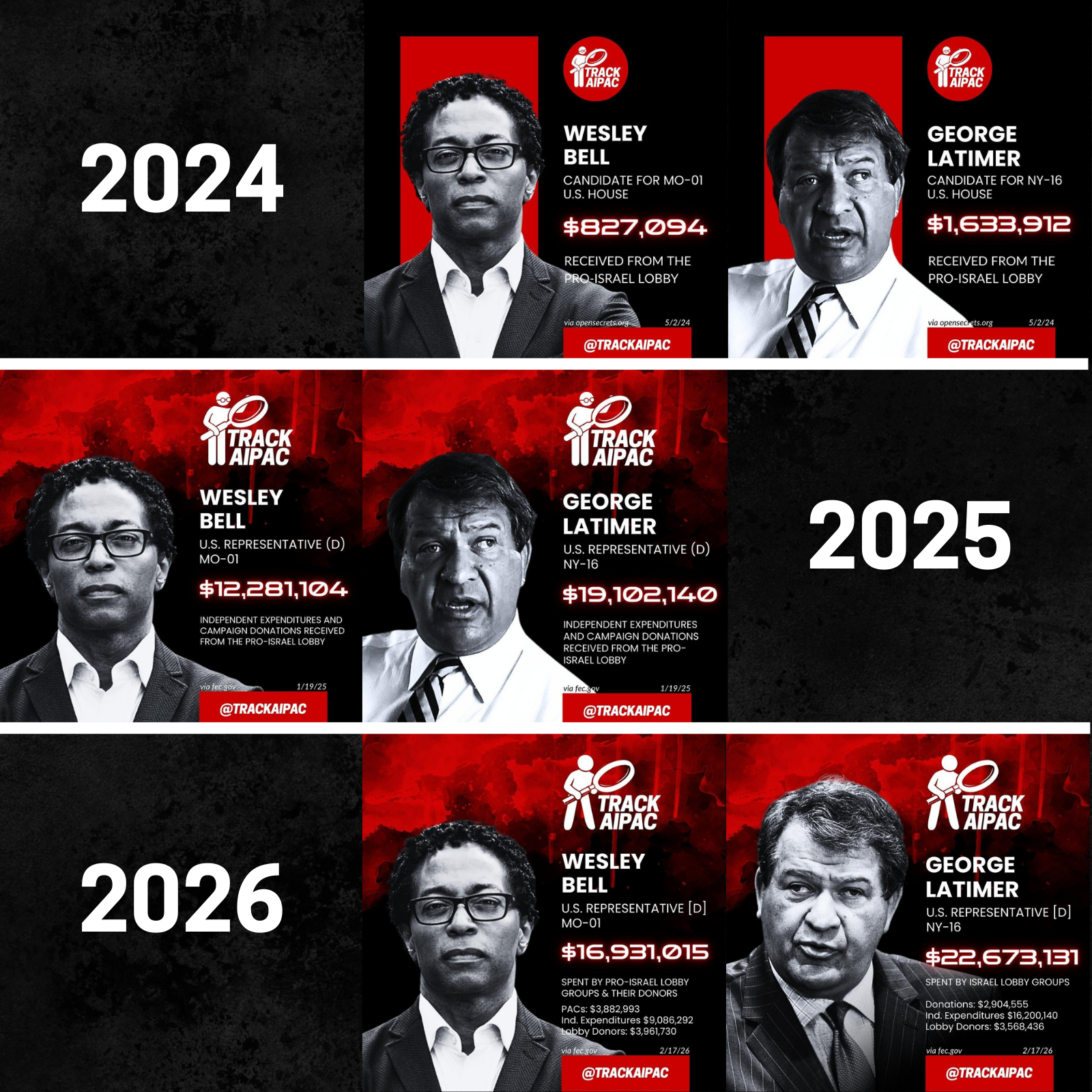
The database allows searching for politicians by name, state or electoral district, and viewing the total funding or spending that the project classifies as activity by lobby groups supporting the Israeli occupation.
Among the names appearing in the compiled records is Democratic Representative Haley Stevens of the state of Michigan, with a total of about 36.3 million dollars; Democratic Representative George Latimer of the state of New York, with about 19.2 million dollars; and Democratic Representative Glenn Ivey of the state of Maryland, with about 7.3 million dollars.
According to the project's methodology, these amounts include different forms of direct and indirect electoral support over multiple time periods, and are not necessarily sums received personally by the politicians.
How does the project track the movement of money?
"Track AIPAC" explains that its work is based on linking the names of candidates and members of Congress with publicly available donation and political spending records.
This includes donations made by political action committees, donations collected by donor networks in favour of candidates, and independent spending carried out by political committees to support a candidate or oppose their rival.
Independent spending legally differs from direct donation to a campaign; a political entity may spend millions of dollars on advertisements supporting a candidate without transferring the money to their electoral campaign.
The project's organisers say they seek to show financial relationships that may be difficult for voters to trace when they are spread across a large number of committees and donors.
The project also compares some funding data with legislators' political positions, including votes on military aid to the Israeli occupation and positions relating to the war in Gaza.
The project reviews its methodology after criticism
"Track AIPAC" acknowledged that the way figures were presented changed during 2026, after some of its estimates drew criticism for combining different forms of support into a single figure.
On 28 April, the project announced it was reverting to its previous version of the methodology on a temporary basis, explaining that the aim was to improve the clarity of the data and avoid confusion.
The project was criticised for including donations from multiple pro-Israeli-occupation entities within totals that observers might mistakenly interpret as money coming from "AIPAC" alone.
For its part, AIPAC rejected the project's accusations and criticised its methodology, stressing that the electoral contributions linked to it come from American citizens exercising their right to support candidates who hold positions favourable to US-Israeli relations.
Political activity beyond publishing data
"Track AIPAC" does not limit its activity to tracking funding; it also supports candidates who refuse to accept electoral assistance from lobby groups supporting the Israeli occupation, and calls for reducing the influence of big money in US politics.
It also calls for tighter transparency rules concerning lobby groups, and for reforms to campaign finance rules.
The project thus combines publishing data based on public electoral records with openly conducted political activism, which calls for distinguishing between officially recorded figures and the interpretations or positions its organisers present regarding the influence of this money.
Donations or campaign expenditures, once recorded, do not in themselves prove that a politician received money in exchange for a particular vote or adopted a political position as a result of specific funding.
Yet publishing these records allows journalists, researchers and voters to examine the scale of funding directed to candidates, and to compare their sources of support with their declared positions and legislative decisions.
The data published by the project highlights the breadth of the political funding network linked to groups supporting the Israeli occupation within the United States, and its presence in both the Democratic and Republican parties, at a time when debate continues over the influence of large electoral spending on American decision-making, particularly decisions concerning the occupation and the military aid provided to it.
Sources
- The official website of the Track AIPAC project, and an explanation of the money-tracking methodology.
- The compiled database updated on 2 November 2026, including the aggregate figures and the names mentioned.
- The project's clarification regarding its methodology change in March and April 2026.
- AIPAC's response regarding the donations and the Track AIPAC methodology.
- US Federal Election Commission – original records.


