


In the old city of Kashgar, the minarets of mosques, the call to prayer, and the markets surrounding the Id Kah Mosque, the Uyghur language written in the Arabic script, traditional clothing, and Islamic cemeteries were part of a social landscape shaped over centuries. In the oasis cities stretching from Khotan in the south to Aksu and Kashgar in the west, Islam was not merely a set of rituals practised by residents, but one of the essential elements that shaped Uyghur identity, culture and family life.
But this landscape has changed profoundly over the past decade.
In the region that China officially calls the "Xinjiang Uyghur Autonomous Region," and that many Uyghurs call "East Turkestan," broad aspects of Islamic life have been subjected to severe restrictions within a campaign that Beijing says targets "extremism, terrorism and separatism," while the United Nations and human rights organisations say the scope of the measures has gone beyond countering violence to reach ordinary religious and cultural practices.
In its comprehensive assessment published in 2022 (1444 AH), the United Nations Human Rights Office concluded that the restrictions imposed in the region included prayer, the possession of copies of the Quran, and access to mosques, and that the authorities' definition of "extremism" was so broad that it encompassed manifestations associated with ordinary Islamic and cultural life. It also said that the scale of arbitrary detention and discrimination may amount to "crimes against humanity."
The question today is no longer only: can Uyghurs practise Islam?
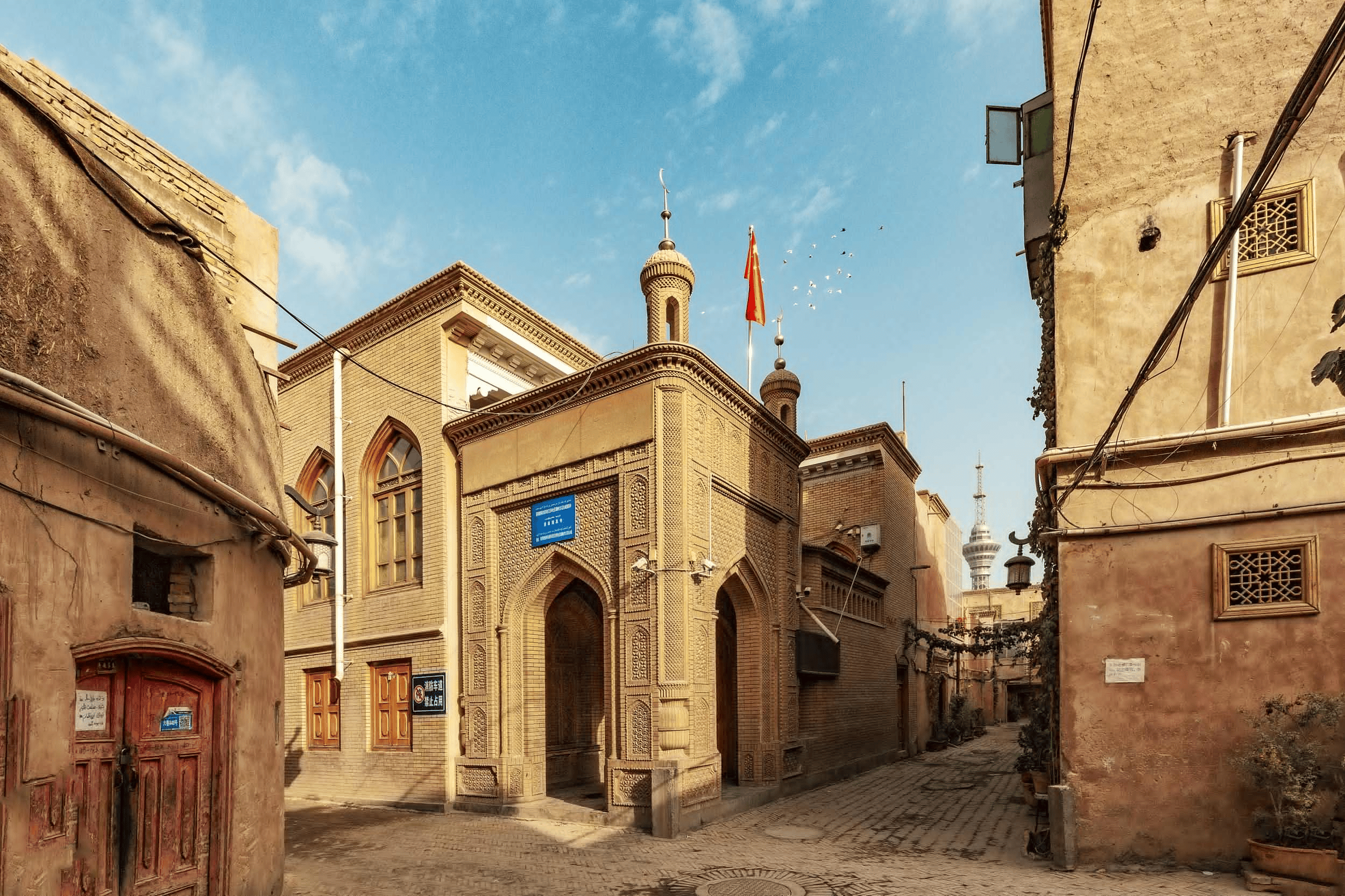
Islam in East Turkestan: More Than a Thousand Years
Islam reached the regions of East Turkestan gradually over centuries, and it became firmly established particularly after the Karakhanid state adopted Islam in the tenth century CE. Cities such as Kashgar, Khotan and Yarkand then became important centres of learning, trade and Islamic culture in Central Asia.
From this environment emerged prominent Turkic Muslim scholars and figures, foremost among them Mahmud al-Kashgari, author of the Compendium of the Turkic Dialects (Diwan Lughat al-Turk), and Yusuf Khass Hajib, author of the Kutadgu Bilig.
Over the centuries, Islam became intertwined with the Uyghur language and local customs, to the point that it has become difficult to separate Uyghur religious identity from their cultural identity.
The mosque was not merely a place of prayer; the cemetery was not merely a place of burial; Ramadan was not merely abstention from food; and Islamic names were not merely names.
All of this formed a network of symbols and practices through which identity was transmitted from one generation to the next.
Therefore, changing these elements does not only mean changing the way religion is practised; it affects the way Uyghurs understand themselves.
The Major Turning Point
Religious restrictions did not begin under President Xi Jinping. Human rights organisations have documented state surveillance of Islam in the region for decades.
In a report dating to 2005 (1426–1427 AH), Human Rights Watch documented an extensive system for monitoring mosques, imams and religious education, preventing minors from participating in religious activities, and linking some religious activity to political separatism.
But the greater shift came after 2014 (1435–1436 AH), and peaked from 2017 (1438–1439 AH).
The authorities launched wide-scale security campaigns to confront what they described as "terrorism and extremism," and established a network of detention and "re-education" centres, alongside an extensive system of digital and security surveillance.
Beijing says the measures were necessary to counter a series of violent attacks and extremism, and that the "vocational education and training" centres aimed to combat extremism and teach language and vocational skills.
However, testimonies gathered by the United Nations and international organisations describe widespread arbitrary detention, and people subjected to interrogation or detention because of religious and cultural activities that involved no violence.
The United Nations says the legal environment that emerged allowed the practice of religion and culture to be conflated with the concept of "extremism."
Here began the shift from regulating Islam to an attempt to redefine the acceptable form of it.
"Islam with Chinese Characteristics"
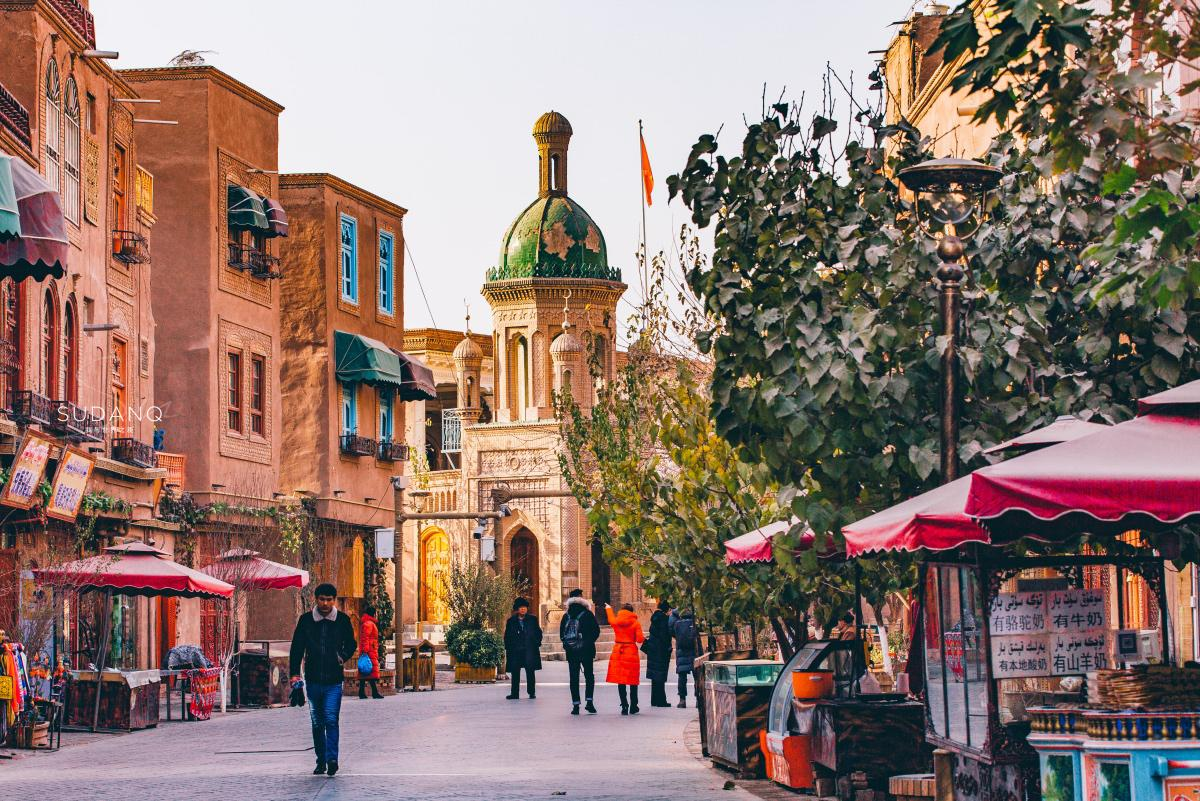
The Chinese government uses the concept of "sinicisation of religion," meaning making religious practice compatible with a Chinese culture defined by the state and with the political system and the Communist Party.
In the case of Islam, Beijing affirms that it does not seek to eliminate it, but to ensure that it is "compatible with socialist society" and remains distant from extremism and foreign influences.
However, the revised religious regulations for East Turkestan, which took effect in February 2024 (Rajab 1445 AH), went further in requiring religious institutions to move toward "sinicisation."
According to Human Rights Watch's analysis of these regulations, they reinforce the requirement that places of worship and religious practice display "Chinese characteristics," and increase government oversight of religious education, the administration of institutions, and rituals.
Here lies a key point: Islam has not formally disappeared from East Turkestan. Mosques still exist, some of them open, and the state officially recognises Islam among the religions recognised in China.
But the Islam that can appear publicly has become subject to a high degree of control by what the state permits, who practises it, where it is practised, and what may be taught in its name.
Islam in China: A Struggle for Existence That Continues\
Where Did the Thousands of Mosques Go?
The transformation of mosques may be the most visible manifestation of change. Mosques were a dense part of the urban and village fabric of Uyghur towns and villages. But since 2017 (1438 AH), satellite imagery has provided evidence of the demolition or destruction of large numbers of them.
These are research estimates, not statistics published by the Chinese government, which has objected to international reports about the destruction of mosques and says it protects freedom of belief and legal religious facilities.
However, satellite imagery and independent documentation have also shown another pattern: not every mosque was fully removed.
In some cases the building remained, but its domes, minarets, crescents or gates with Islamic character disappeared. This detail is extremely important for understanding what is happening to identity.
A mosque may remain physically standing, while the features that connect it to the region's Islamic history are altered.
The Id Kah Mosque: The Symbol That Remained
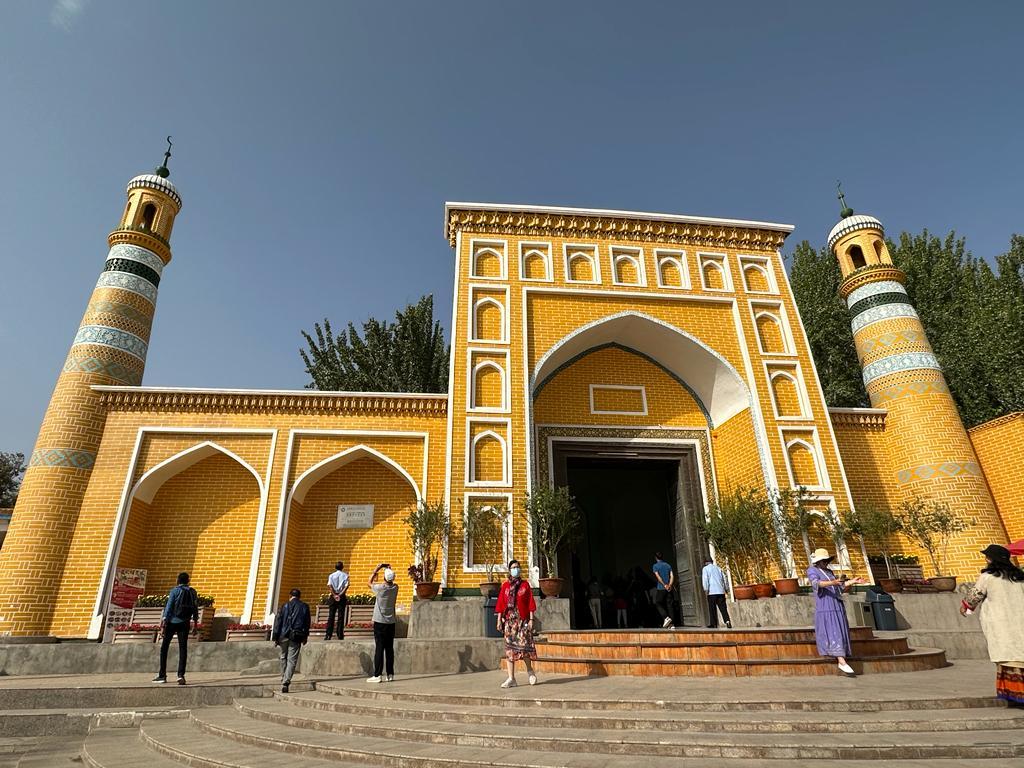
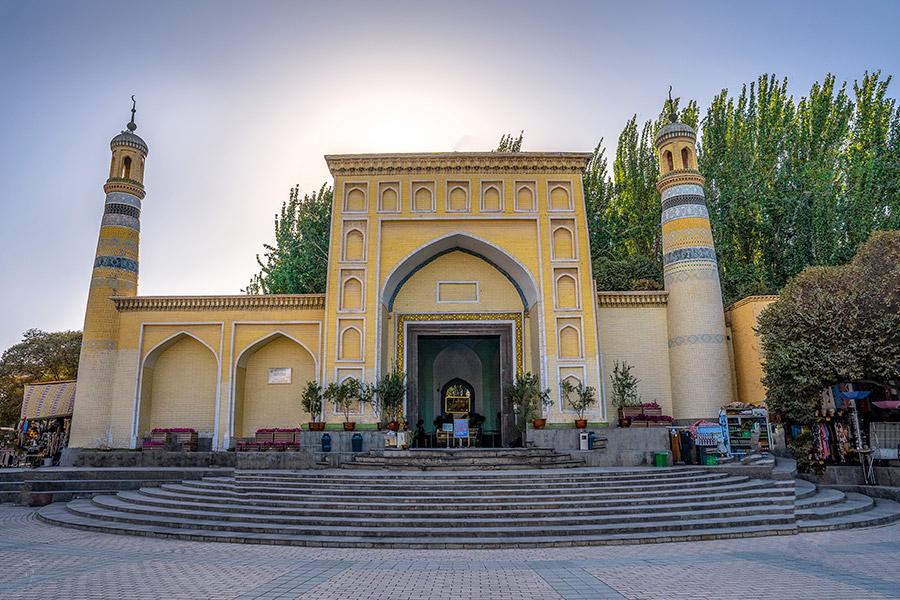
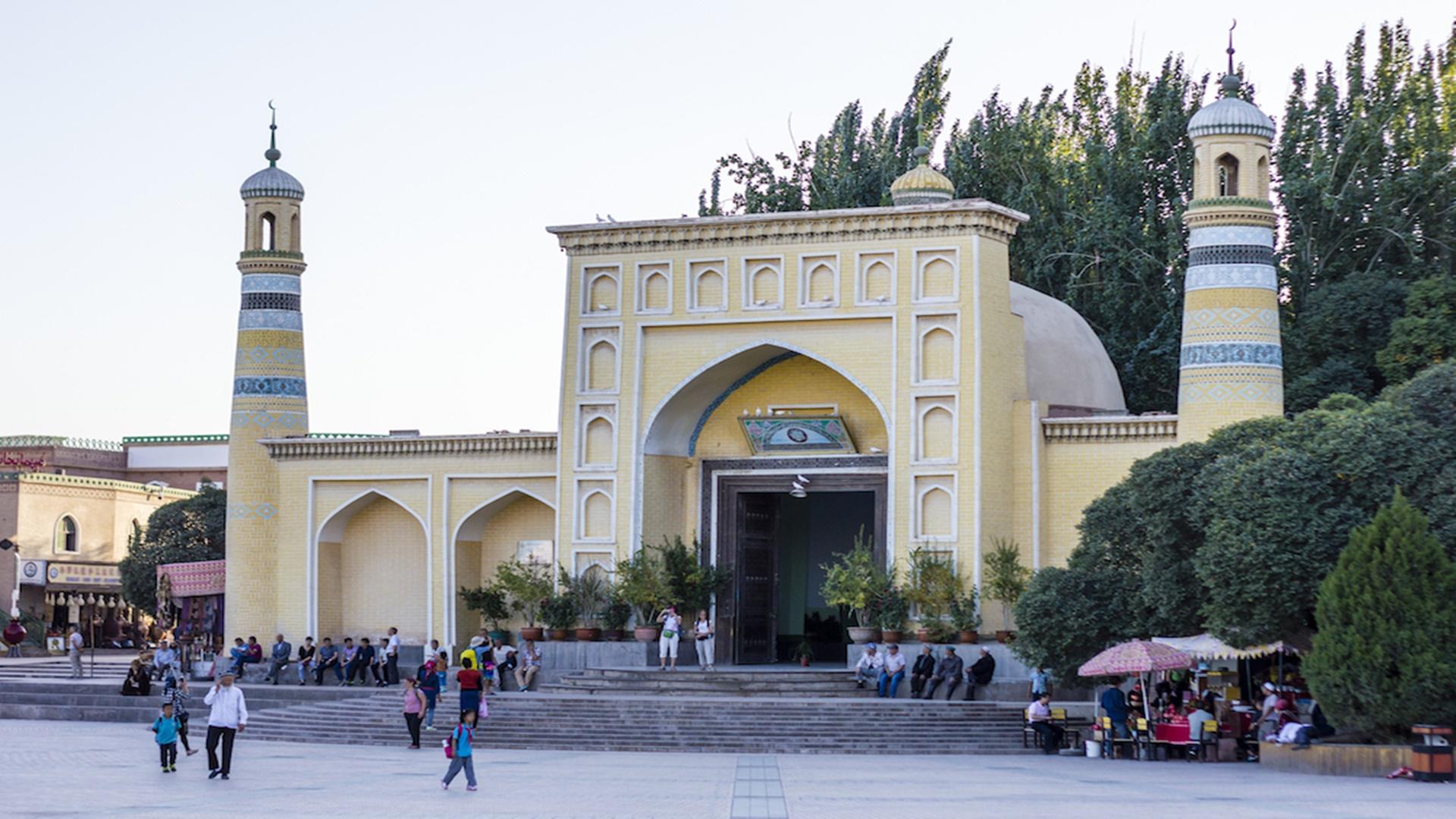
In the heart of Kashgar, the Id Kah Mosque still stands. It is the most famous mosque of the Uyghurs and one of the most important Islamic landmarks in Central Asia, and the site dates back centuries.
Its existence allows Beijing to point to the continuation of mosques and religious activity in the region, and the mosque appears in official visits and media tours.
But the survival of one large and famous mosque alone does not answer the question concerning everyday religious life.
Historically, Islamic identity did not depend on a single central mosque, but on a large network of small local mosques, imams, Quran teaching, family relationships, cemeteries and household customs.
Therefore, the true measure of Islam's survival is not only the number of famous mosques that remain open, but the extent to which a family can naturally pass its religion on to a child. Here the picture becomes more complex.
The Child Who Does Not Enter the Mosque
Among the policies with the greatest impact on the future of religious identity are restrictions concerning children.
The United Nations has documented that regulations in the region prevent minors from participating in religious activities, and that education and upbringing are subject to state oversight.
This undermines one of the most important mechanisms for the continuation of any religious identity: its transmission across generations.
A child usually learns religion from three places: the home, the mosque, and the surrounding community.
When religious activities for children are restricted, the mosque is under intense oversight, and practising religion within the family itself becomes a potential source of fear, the process of transmitting identity becomes more difficult.
Thus a grandfather may remain a devout Muslim, and a father may know the Quran and the rituals, while a son grows up in an environment where his organised engagement with religion is far more limited.
This may be more dangerous than the demolition of a mosque building, because a mosque can be rebuilt, whereas a break in knowledge between two generations is difficult to repair.
The Quran Inside the Home
People interviewed by the United Nations Human Rights Office described tightening restrictions since 2015 (1436 AH), including on prayer, the possession of copies of the Quran, and access to mosques.
In earlier testimonies, Human Rights Watch also documented the confiscation of prayer rugs, Qurans and religious materials, and some people the organisation interviewed said they had stopped praying out of fear of the consequences.
Here, surveillance moved from the public sphere into the private. The question was no longer only who preaches in the mosque, but what a person keeps in his home, how he prays, and which religious materials he reads or shares.
The broad digital surveillance documented by the United Nations and human rights organisations has intensified this sense; a phone, contact with relatives abroad, and digital religious materials have become factors that can be subjected to security scrutiny.
Ramadan: When Worship Becomes a Test of Loyalty
Ramadan is one of the clearest examples of the overlap between religion and surveillance.
The United Nations assessment noted that the authorities included, among the indicators of "extremism" in some policies, behaviours such as closing restaurants during Ramadan, alongside other religious manifestations.
Over several years, reports and testimonies have described pressures related to fasting, particularly on government employees, students and certain groups within state institutions.
By contrast, Chinese state media annually publish images of Muslims performing rituals, and affirm that fasting and worship are legally permitted.
This contrast sums up the picture: there is an official Islam that can be seen, but the human rights question concerns the space available for Islam independent of state supervision.
Beards, Headscarves and Names
Among the most criticised aspects of the regime, according to the United Nations, is the broad definition of "extremism."
The Office's assessment noted that the rules and practices associated with counter-extremism at various times included signs such as wearing certain forms of headscarf, "abnormal beards," an expansion of the concept of halal, closing restaurants during Ramadan, teaching religious texts online, and even what the regulations described as choosing "unusual" names for children.
The danger lies in the blurring of the boundary between Islamic identity and a security accusation.
When manifestations that were previously a normal part of daily life require political and security assessment, people may conceal them even without a direct ban in every case.
Thus social change occurs not only through law, but also through fear of the law.
Cemeteries: Targeting the Memory of Place
The transformations have not stopped at mosques. Studies and reports have documented the demolition or redevelopment of Uyghur cemeteries, places whose significance extends beyond burial.
A cemetery preserves the names of families and ancestors, and some date back hundreds of years.
Recent human rights studies point to the removal or alteration of a number of these sites, including extensive cemeteries.
Here the matter becomes one of memory itself. When a community loses its neighbourhood mosque, it may also lose its place of worship.
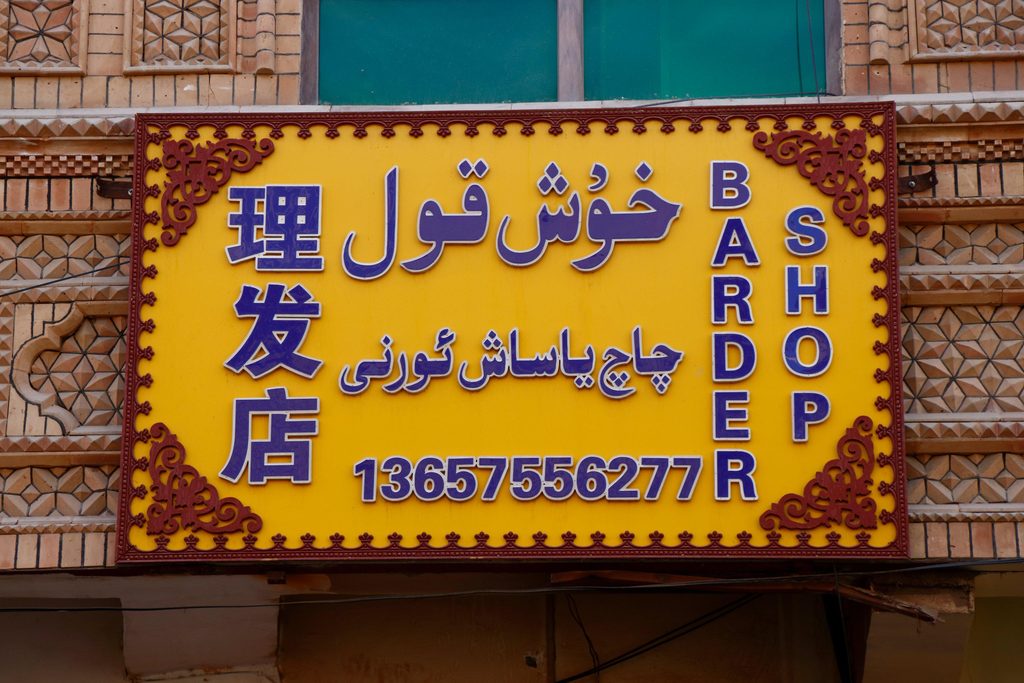
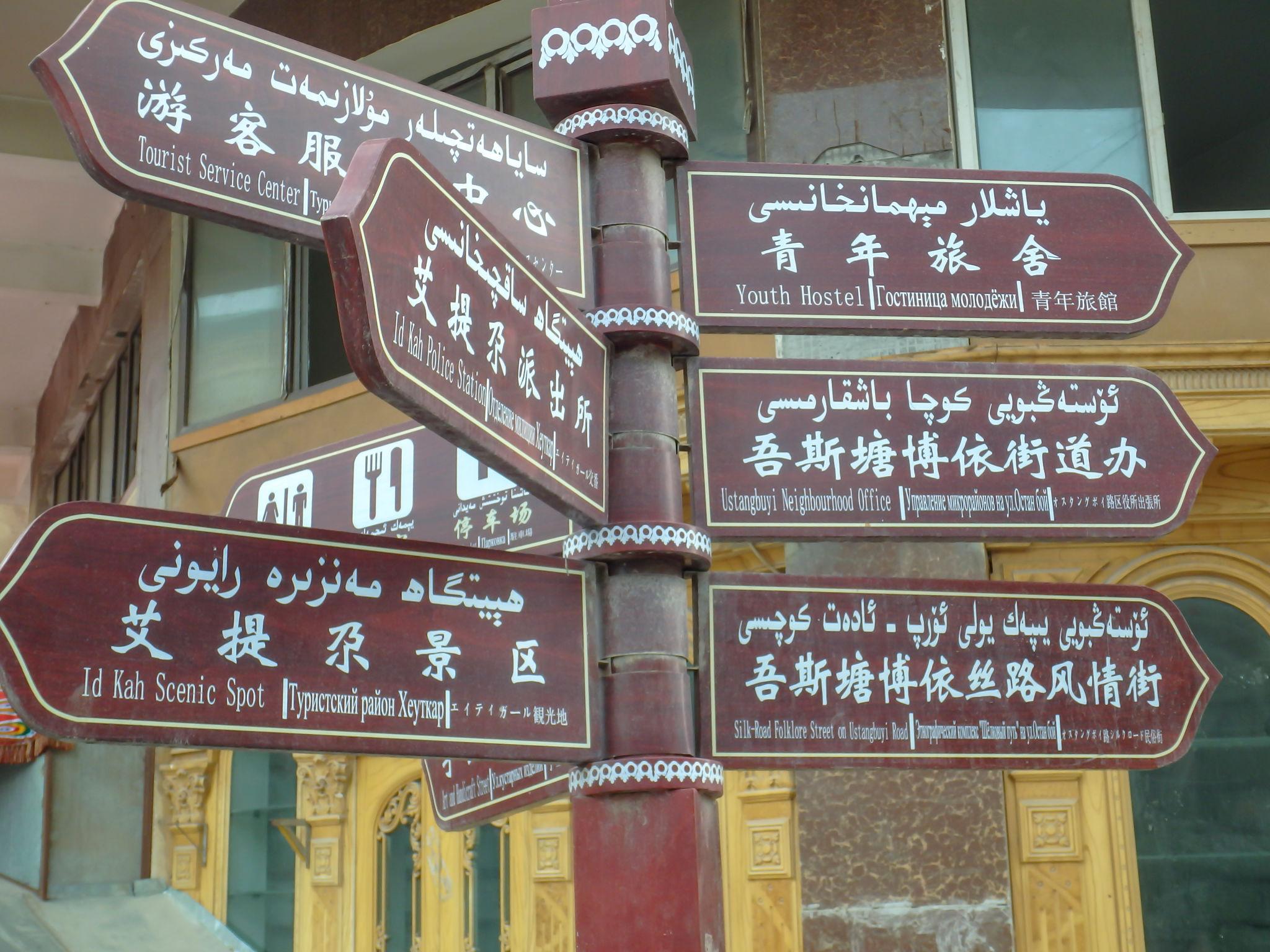
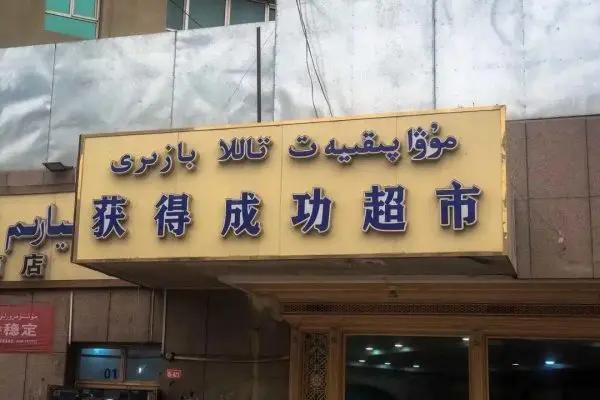
The Uyghur Language: The Other Vessel of Identity
Islam among the Uyghurs cannot be discussed apart from their language.
Uyghur is a Turkic language written today principally in an alphabet derived from Arabic, and it carries within its vocabulary a considerable part of the Islamic heritage.
With the promotion of education in Standard Mandarin Chinese and the decline of Uyghur's space in some areas of education and official life, activists and researchers fear that this will weaken another link in the chain through which identity is transmitted.
For the Uyghurs, language is not merely a means of communication. Through it pass stories, proverbs, poetry, religious vocabulary, the names of foods and occasions, and family memory. When the transmission of language weakens, part of the local Islamic memory weakens with it, even if attachment to Islam itself remains.
What Happened to the Imams and Scholars?
The stratum of imams and scholars was a central link in transmitting religious knowledge. But the current system ties official religious activity to institutions recognised by the state, and to imams who are subject to official accreditation and administration.
This is not a wholly new phenomenon: Human Rights Watch has documented, since the early 2000s, political training for imams, regular inspections of mosques, and monitoring of sermons. But the wide-scale arrests since 2017 (1438 AH) have heightened concerns about religious scholars, intellectuals and the bearers of traditional knowledge.
This has long-term effects. The Quran may remain, but fewer people may be able to teach it. The mosque may remain, but the imam's role may change. Prayer may remain, but the chains of learning that transmitted the details of religion from one generation to the next may be broken.
The Family Under Pressure
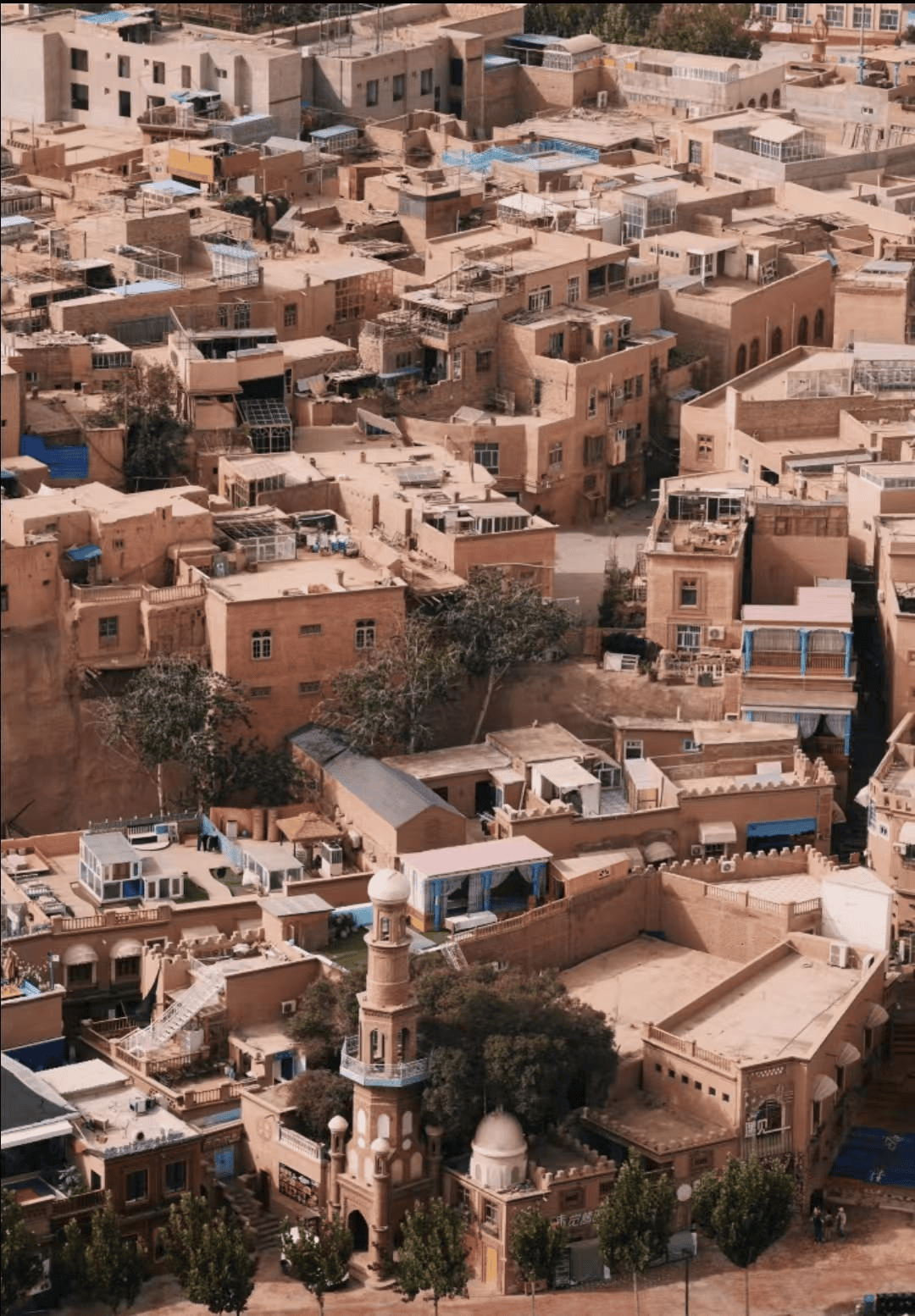
The home may be the last stronghold of identity and the most difficult to monitor. Even when religious manifestations disappear from the street, a family can in theory preserve its memory within the house: halal food, supplication, the names of ancestors, stories, Ramadan, Eid, marriage and burial.
Recent human rights reports indicate that the separation of children from their families and their education away from the traditional family environment represents one source of concern regarding the transmission of Uyghur identity. The "East Turkestan Human Rights Violations Index 2025" also lists restrictions on religion, children's rights and digital surveillance among the most significant violations it documented during the year.
Therefore, the struggle over identity does not take place only in the mosque. It concerns who raises the child, in which language, what history they learn, and who tells them who their ancestors were.
So Has Islam Disappeared?
In reality, the Uyghurs remain a people with a deeply rooted Islamic identity. Mosques still stand, Muslims still perform rituals within the spaces permitted to them, and Islamic names, customs and memory remain present.
But the evidence gathered by the United Nations and human rights organisations shows that the space in which Uyghurs can practise Islam independently has shrunk severely, and that essential elements of the structure that transmitted Islamic identity have been dismantled or reshaped.
A distinction must be drawn between two things: the survival of Islam as an identity, and the survival of the institutions that transmit Islam. The first remains strong, despite attempts to erase it, particularly in the collective memory of the Uyghurs and in the diaspora. The second has suffered deep blows.
The Diaspora: When Memory Moved Abroad
In Istanbul, Kazakhstan, Kyrgyzstan, Europe, the United States and Australia, Uyghur communities now live and increasingly bear part of the responsibility for preserving religion and language.
There are Uyghur schools, cultural centres, mosques, and institutions that preserve books, heritage and oral history.
For Uyghur children born outside their parents' homeland, these institutions have become a means of learning a language that their relatives inside the region may not be able to teach with the same freedom, and of becoming acquainted with a religious and cultural history that their parents fear may be lost.
But the diaspora also faces a painful paradox. The greater its capacity to preserve identity abroad, the greater the distance between it and the community inside East Turkestan.
The Identity That Moved from the Public Sphere to Memory
After years of campaigns, a profound shift can be seen in the form of Uyghur Islamic identity. Previously, that identity was visible in place:
the minaret, the mosque, the market, the cemetery, the school, dress, names, Ramadan, and the sound of the Qur'an.
Today, an increasing part of it lives in a less visible space:
within family memory, in language, in the stories of grandparents, in diaspora communities, and in the effort to preserve what can be passed on to the next generation.
This may be the most important answer to the question: what remains?
What remains is belonging, memory, and language despite the pressures; some mosques and rituals remain; and a people remains who see Islam as part of their historical definition of themselves. But many of the institutions and spaces that enabled this belonging to reproduce itself naturally from one generation to the next have undergone radical change.
The battle of the next generation
It may be easy to rebuild a minaret in the future, and it may be possible to restore a mosque or reopen a school. But the harder question is whether the chain of knowledge can be rebuilt if it has been broken.
A child who does not hear the Qur'an from his father, does not enter the mosque with his grandfather, does not fully learn his language, and does not know the cemetery where his ancestors are buried, may keep his Uyghur name and his affiliation with Islam, but he will inherit an identity different from the one his father inherited.
For this reason, the most dangerous developments in East Turkestan are not only what can be seen in satellite images of a mosque that has disappeared or a minaret that has been removed. They are what satellites cannot capture: the gap that slowly emerges between one generation and the next.
The struggle over Uyghur Islamic identity is no longer only about whether mosques survive, but about whether the ability to convey the meaning of the mosque to the child survives; not only whether the Qur'an survives, but whether there are people who can read and teach it; not only whether a Muslim name remains in the family register, but whether the history survives that enables its bearer to know why his ancestors carried that name.
From here, the issue appears larger than the question of freedom of worship alone.
It is a question about the future of an entire people: will the Uyghurs, after further decades, be able to pass on to their children the religion, language, and memory that shaped them, or will only what the state allows to remain be what survives?


