


Recent developments in the Syrian file point to a new phase in the Russian military presence in the country, as Moscow announced its intention to "restructure" the tasks of its military bases in Syria, a step that coincided with American moves to monitor the future of this presence and assess its regional repercussions.
The announcement came at a sensitive time, as the Armed Services Committee of the US House of Representatives approved amendments to the Department of Defense budget requiring the Pentagon to prepare periodic reports on the deployment of Russian forces in Syria. In parallel, Russian Foreign Ministry spokeswoman Maria Zakharova confirmed that Moscow and Damascus are discussing the future of military cooperation, including the reorganisation of the functions of Russian facilities in the country.
According to observers, this coincidence between the American and Russian moves reflects rising international interest in the fate of Russian bases in Syria, particularly after the political and military transformations that followed the fall of Bashar al-Assad's regime at the end of 2024, and the reshaping of the balance of power within the country that ensued.
A broad reduction in the Russian military presence
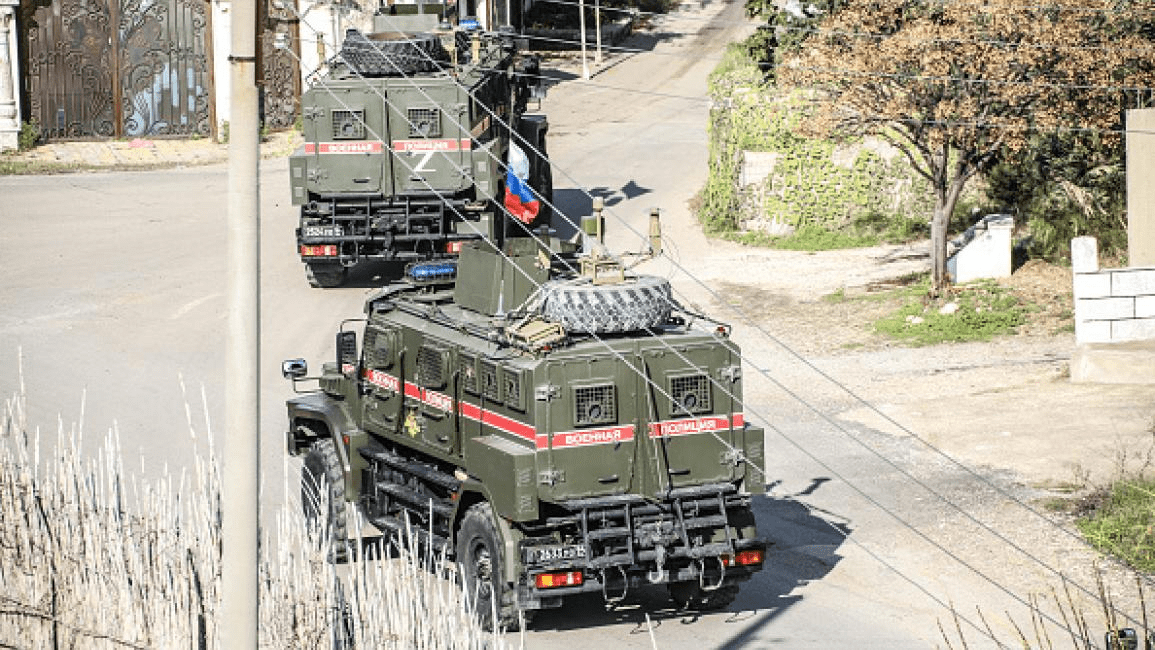
In recent years, the Russian military presence in Syria has shrunk considerably. After including more than 100 military sites spread across various governorates, it gradually declined to consist in practice of just two main bases:
- Hmeimim Air Base in Latakia
- Tartus naval base on the Syrian coast
Hmeimim Air Base is the centre of Russian air operations in Syria and the primary launch point for military and logistical operations in the Eastern Mediterranean, in addition to its role in supporting Russian movements towards Africa.
Tartus naval base is the only Russian naval base on the Mediterranean Sea and is considered a strategic centre for supplying and maintaining Russian ships, giving Moscow a permanent foothold in the region.
What is meant by "restructuring"?
Although Moscow has not issued a clear official definition, analyses indicate that the term does not mean a Russian withdrawal from Syria, but rather a reorganisation of the nature of the military presence.
Military experts believe that "restructuring" may include:
- Reducing the number of Russian forces in Syria
- Merging some units and redistributing them
- Closing small military points or converting them to support tasks
- Concentrating activity in the two main bases only
- Shifting part of the tasks from military to logistical or humanitarian
In this way, the Russian presence moves from a broad, field-based deployment to a more focused and specialised presence, subject to new understandings with Damascus.
From a broad military presence to limited positioning
Analytical estimates indicate that Russia has effectively moved from a wide network of military bases to a limited presence on the Syrian coast. This shift reflects a change in Moscow's priorities, which seeks to preserve its strategic influence at the lowest possible military cost.
Analysts believe the two remaining bases still represent a core pillar of Russian strategy, not only within Syria but also in linking its operations to the Mediterranean and Africa.
Political and strategic dimensions
The restructuring step is not separate from the broader international context. Washington is closely following the future of the Russian presence in Syria, while Moscow seeks to consolidate its presence through a new formula that is less sensitive and more amenable to understanding with the new Syrian government.
Observers note that Russia may be in the process of redefining its role so that it:
- Maintains its vital bases
- Strengthens its regional influence
- Reduces the direct military character of its presence
It is also believed that Moscow seeks to use the bases as tools of logistical and economic support, including transporting aid or supporting its operations in Africa, which gives this presence a more flexible character.
Conclusion
The "restructuring" of Russian bases in Syria does not appear to be a step towards withdrawal, but rather an attempt to reshape the Russian military presence to suit the new political reality in the country.
While the United States closely monitors this shift, Moscow is working to establish a new equation based on reducing the broad military deployment in exchange for consolidating a focused strategic presence at the Hmeimim and Tartus bases, with their functions expanded to include logistical, humanitarian and economic roles, thereby ensuring the continuation of Russian influence in the Eastern Mediterranean for years to come.


