


What are naval mines, and what does Iran possess?
Naval mines are explosive devices placed in water that detonate automatically to destroy submarines or surface ships. They are typically used to besiege an enemy or prevent it from reaching specific areas.
Naval mines have been used since the American War of Independence, but they spread widely during the Second World War, when American forces laid more than 12,000 mines in Japanese ports and sea lanes, sinking around 650 ships and completely paralysing maritime navigation.
Today, naval mines are manufactured in more than 30 countries, and more than 20 countries export them. Statistics indicate that naval mines have caused 77% of US ship losses since 1950.
Types of naval mines and how they are detonated
Also read: Captured Hezbollah members in southern Lebanon (photos).
Naval mines typically contain explosives weighing between 45 and 900 kilograms, and they are classified according to the method of their placement and detonation and their position in the water.
By type, there are:
Floating mines:
These mines drift with the current and are sometimes used to disrupt ship movement.
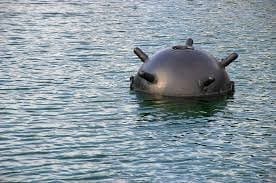
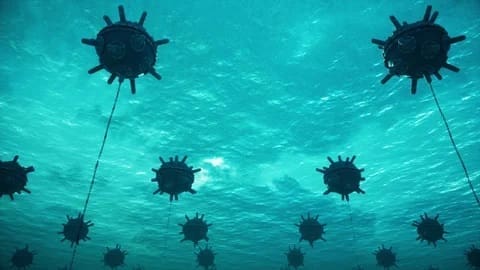
Moored mines:
These mines are tethered to an anchor and cable, and remain within a defined range.
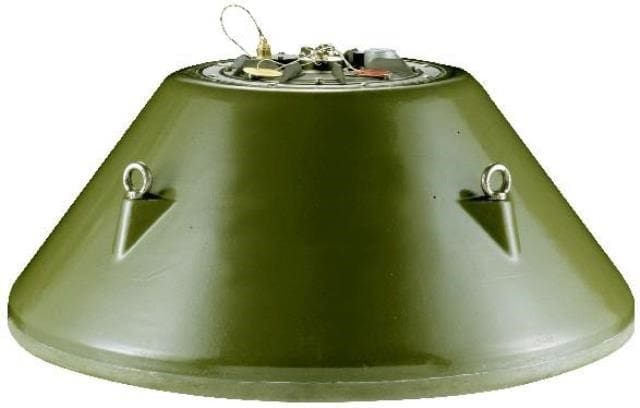
Bottom mines:
These mines are fixed to the seabed and can be detonated by shock, by direct contact, or remotely.
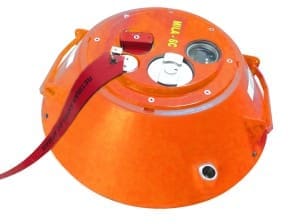
Limpet mines:
These are small explosive charges that divers attach to target ships' engines and underwater guidance systems. These mines explode after a predetermined period of time, allowing those who planted them to withdraw safely.
Detonation methods include the following:
Contact detonation: these mines explode upon touching a ship.
Shock detonation: these mines explode due to a magnetic field, sound, or pressure caused by an approaching ship.
Remote detonation: these mines are detonated from the shore or via remote control devices.
Methods of laying mines include the following:
Conventional surface vessels such as warships and patrol boats.
Small unconventional vessels such as fishing boats.
Aircraft or helicopters.
Submarines through torpedo tubes.
Cost of mines: Mines are relatively cheap compared with other weapons. The cost of simple contact-activated mines may not exceed 1,500 US dollars.
The US Defense Intelligence Agency estimates that Iran possesses more than 5,000 naval mines in its arsenal. Reports indicate that it may exploit the geography of the Strait of Hormuz, with its shallow waters and narrow channels, to facilitate laying mines using small boats.
During the Iran-Iraq "tanker war" in the 1980s, Iran laid mines in the Arabian Gulf, including in the Strait of Hormuz. One of these mines nearly sank the US destroyer USS Roberts in 1988.


