

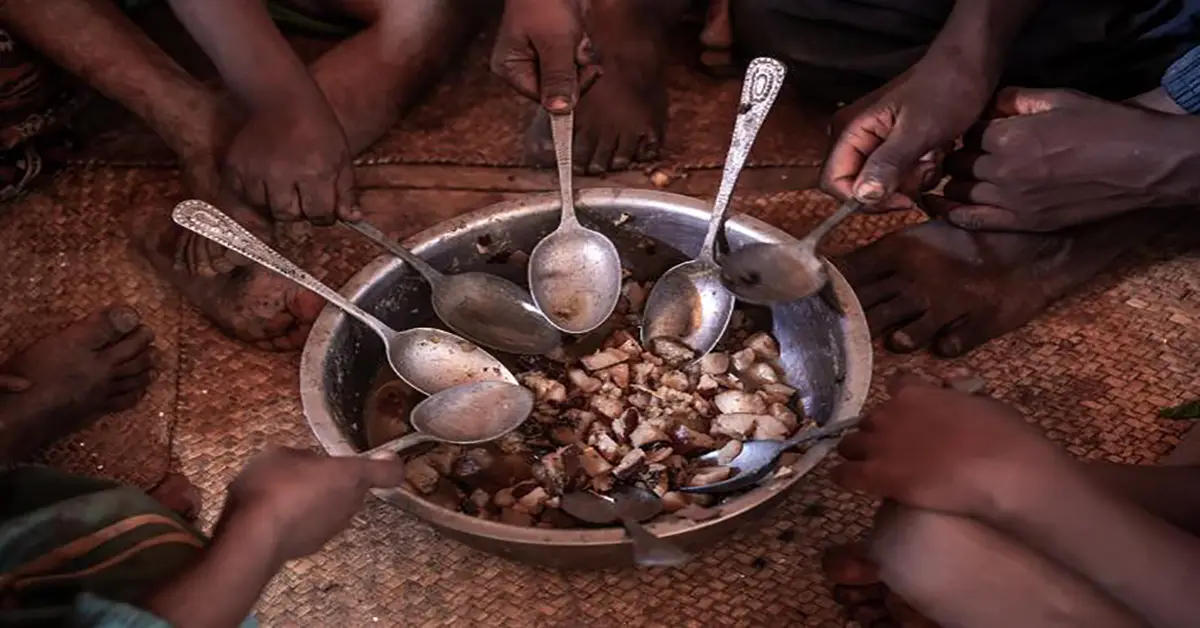
The World Food Programme (WFP) has warned of a worsening food insecurity crisis in the Central Sahel region, which includes Burkina Faso, Mali and Niger, amid continuing conflict, displacement, climate shocks, rising food and fuel prices, and a widening gap in humanitarian funding.
The programme explained that 5.6 million people across the three countries were expected to face critical levels of food insecurity during the lean season from Dhu al-Hijjah 1447 to Safar 1448 AH (June – August 2026), the period when household food stocks decline between harvests and access to sufficient food becomes more difficult.
It noted that some 1.5 million people had received emergency assistance from the programme during 2026 up to the end of August, while humanitarian needs remain high amid rising insecurity, population displacement and reduced access to aid in some areas.
Causes of the Worsening Food Crisis
The programme attributed the worsening of food insecurity and malnutrition to growing conflicts and displacement movements, in addition to chronic structural and environmental challenges, including rapid population growth, recurrent climate shocks, and limited natural resources and land degradation.
It also highlighted that logistical difficulties and restrictions on access to some areas affect the cost and effectiveness of delivering aid, noting that the disruption of main supply routes, coinciding with the conflict in the "Middle East," contributed to a sharp rise in food and fuel prices, which reduced households' purchasing power and increased humanitarian needs.
The programme stressed that its response is not limited to providing life-saving emergency assistance, but also includes supporting national priorities to strengthen food security and helping communities anticipate future shocks and build their capacity to withstand them, considering that investment in these efforts contributes to reducing future humanitarian needs and strengthening social cohesion.
The Programme's Efforts in Burkina Faso
The World Food Programme explained that it is carrying out an integrated response in Burkina Faso, amid regional security challenges, population displacement and growing pressure on livelihoods and basic social services.
The response includes providing emergency food and nutrition assistance, alongside investment in strengthening resilience, school feeding programmes, and support for local food systems and national institutions.
The programme also works to support local agricultural production and food processing, provide school meals and nutritional assistance to the most vulnerable groups, and develop innovative mechanisms to deliver aid to hard-to-reach areas through negotiated humanitarian access arrangements and local partnerships.
United Nations Humanitarian Air Service operations help maintain access to affected areas and the transport of humanitarian personnel and supplies, while the programme supports the government in strengthening emergency response, digitising humanitarian procedures, and developing early warning systems and crisis preparedness.
The Humanitarian Crisis in Mali
In Mali, the programme pointed to the continued overlap of insecurity, displacement, market pressures and reduced humanitarian access, factors that have pushed some 1.5 million people to face acute food insecurity during the 2026 lean season.
The programme's response combines food and cash assistance, targeted nutritional support and school feeding programmes, along with long-term investments to strengthen community resilience, improve livelihoods and restore productive assets.
Humanitarian air service operations also contribute to maintaining access to affected areas, while the programme works with national institutions to strengthen their capacities in food security analysis, emergency preparedness and response.
Niger: 2.4 Million People Facing Acute Food Insecurity
In Niger, some 2.4 million people face acute food insecurity, amid continuing conflicts, climate shocks, economic instability and repeated pressures on livelihoods.
The programme's efforts include providing food and cash assistance, nutritional support and school meals, alongside proactive measures to address crises, and investment in strengthening resilience, social protection and national capacities.
The programme also works to help communities restore degraded land and productive assets and improve livelihoods, as well as supporting early warning systems, food security analysis and emergency preparedness, in cooperation with the Nigerien government and partners.
$151 Million to Sustain Humanitarian Operations
Amid widening humanitarian needs and a shortage of funding, the World Food Programme announced that it requires $151 million to continue its operations responding to the crisis in Burkina Faso, Mali and Niger, for the period from Rabi al-Akhir to Ramadan 1448 AH (September 2026 – February 2027).
The funding aims to sustain the provision of food and nutrition assistance to the most vulnerable groups, support school feeding and social protection programmes, and strengthen communities' capacity to withstand shocks, alongside maintaining humanitarian access to affected areas.
The programme stressed the importance of sustained humanitarian support and investment in food security and livelihoods to limit the worsening of the crisis and help communities recover from the effects of conflicts, climate change and economic pressures.


