

Were the East Turkistan Camps Really Closed?
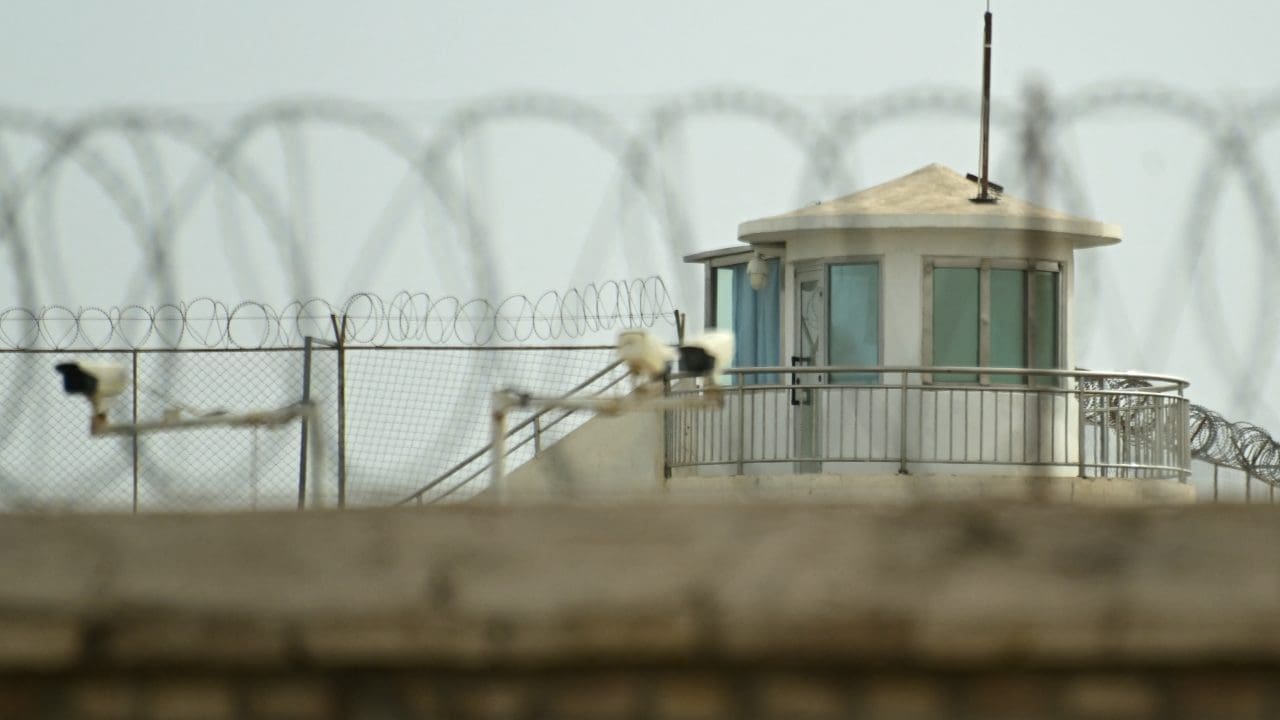
The Chinese government closed the detention camps in East Turkistan, known as "re-education centres," which were intended for Uyghurs and other minorities, under an alleged campaign to combat extremism. It turned out to be a claim, and repression continues; only one building was closed, while China continues to repress the people of East Turkistan.
The beginning of the camps
The Chinese authorities began establishing the camps on a large scale from 1438 AH (2017 CE), with more than one million people detained according to human rights reports, without formal trials. They were subjected to brainwashing, ideological instruction, and at times psychological and physical torture.
Tursunay Ziawudun, a Uyghur woman, says she was detained in the camp for more than 300 days and released on 18 Rabi al-Akhir 1440 AH (25 December 2018 CE). She described the harsh conditions inside the camps, such as cramped cells, psychological pressure, and forced training methods.
However, the Chinese government lied and claimed that the camps were vocational training centres, not detention facilities. But satellite images and reports from human rights organisations pointed to the heavily guarded security character of the camps, which human rights organisations considered a tool of repression.
Rajab 1440 AH (November 2018 CE) saw increasing international pressure, especially from the United States, with the introduction of the Uyghur Human Rights Policy Act, which called for investigations and sanctions against Chinese officials involved.
China closed them because it had completed its plan of internal repression between 1438 AH and 1443 AH (2017–2021 CE). Repression, detention and arrests have not ended and continue under the guise of training-camp buildings, while they are in fact detention centres for repressing Uyghurs.
Even after the camps were closed in 1443 AH (2021 CE), repression continued through regular prisons, digital surveillance, and religious and cultural restrictions.
The article indicates that China's ultimate aim is to maintain "complete stability" in East Turkistan, with continued control over the Uyghur society and other minorities through repression and forced detention.
Domino Theory.


