


As the dry season sets in, Rohingya refugees in Cox's Bazar report a sharp worsening of water scarcity. An urgent field survey was conducted through three community networks on the WhatsApp platform, covering more than 2,500 members, including teachers, students and humanitarian volunteers.
Of 387 respondents whose data was verified, approximately 50% reported that most residents in their housing blocks are currently experiencing, or are on the verge of experiencing, a severe shortage of water. This report provides real-time data addressed to international donors, United Nations agencies and the Government of Bangladesh.
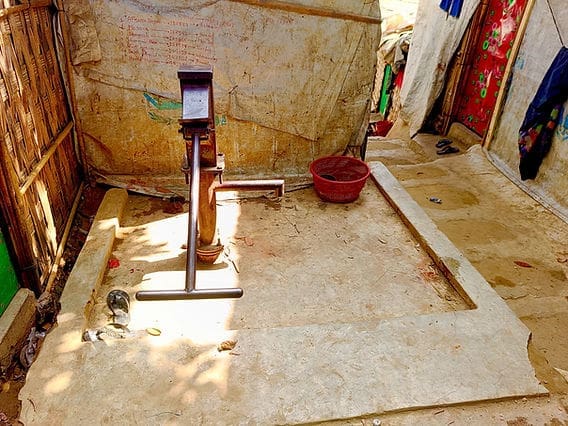
Methodology
- Platform: Three Rohingya community groups on the WhatsApp platform (with a total of 2,516 participants).
- Respondents: Community leaders, teachers, volunteers and residents spread across 33 camps.
- Sample size: 387 unique votes verified.
- Survey question: "In your area, what proportion of residents are currently experiencing water shortages, or are expected to experience them during this summer?"
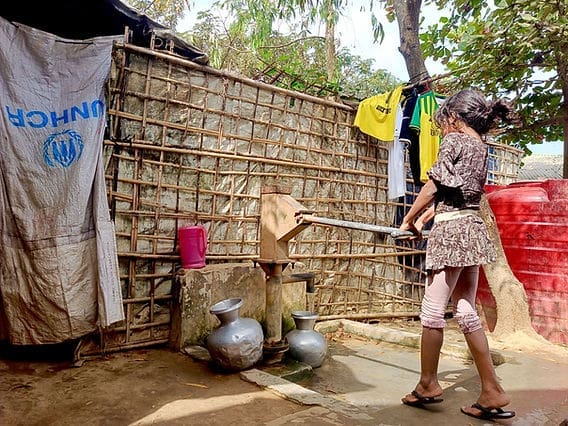
Samples of Community Observations
The following examples represent the 33 camps covered by the survey, with the specific causes of the crisis in each case noted:
- Infrastructure failure (Camp 13): Respondent Shoboo Kodor reported that the "NGO Forum" provides water for only one hour, four days a week, forcing families to spend 500 Bangladeshi taka per month to make up for the shortfall in their supply.
- Geographic barriers (Camp 20 – Extension): Mansur Alam noted that residents living on hilltops receive only two to three pots of water, due to weak pumping pressure and the distance of distribution points.
- Economic burden (Camp 26): Faruq Alam stated that families are forced to buy water, as the allocated ration of four containers per family is not sufficient to meet basic needs.
- Delayed maintenance (Camp 4 – Extension): Nur Mustafa highlighted the repeated breakdowns and slow repair operations at facilities belonging to NGOs operating on solar power.
- Water quality (Camp 06): Siddiqur Rahman reported that the available water is high in iron content and is pumped only for very limited periods of time.
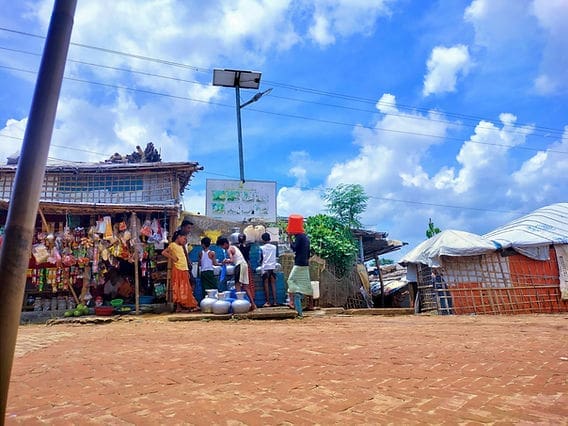
Analytical Findings
- High-risk areas: 49.9% of respondents reported living in areas where water systems are unable to meet the needs of at least half of the population.
- Infrastructure collapse: 12.4% of respondents pointed to an almost complete collapse in access to water (with an affected proportion ranging between 81% and 100%). In these sectors, solar-powered networks and tube wells repeatedly break down.
- Economic impact: When NGO facilities fail, refugees reported having to spend up to 500 Bangladeshi taka per month to buy water from local sources, a considerable financial burden on families.
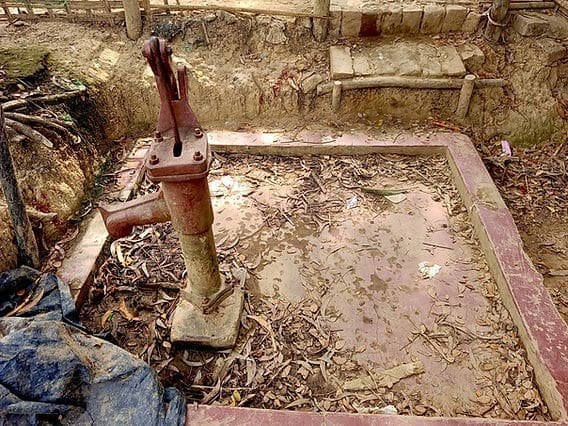
Broader Context
Groundwater pumping in the camps exceeds fifteen million litres per day, which has lowered the groundwater table by between five and nine metres in some sectors. This environmental pressure affects settlements in hilly areas and informal sites unequally. Weak maintenance of water distribution points, together with the seasonal depletion of shallow aquifers, has turned access to water into a humanitarian protection issue, with rising risks of waterborne diseases and physical strain from carrying water across rugged terrain.
Conclusion
The data indicates that water scarcity has become a widespread crisis in the Cox's Bazar camps. Unless urgent measures are taken to repair and strengthen the infrastructure before the peak of the summer season, the community will face a severe humanitarian crisis affecting public health and sanitation services.


