


This report summarises the most important events of this week, from Saturday 7 Rajab to Sunday 15 Rajab 1447 AH, in the Muslim world.
Palestine
Gaza Strip
In the latest update from the Ministry of Health in Gaza, published today:
- Hospitals in the Gaza Strip received 3 new martyrs over the past 24 hours, one of them as a result of the collapse of a building in the city of Khan Younis, and 13 new injuries.
Since the ceasefire (11 October):
- Total martyrs: 420
- Total injuries: 1,184
- Total recovered: 684
Cumulative statistics since the start of the aggression:
- Cumulative martyrs: 71,386
- Cumulative injuries: 171,264
- The death of a two-month-old infant from severe cold, bringing the number of deaths caused by the cold to 3.
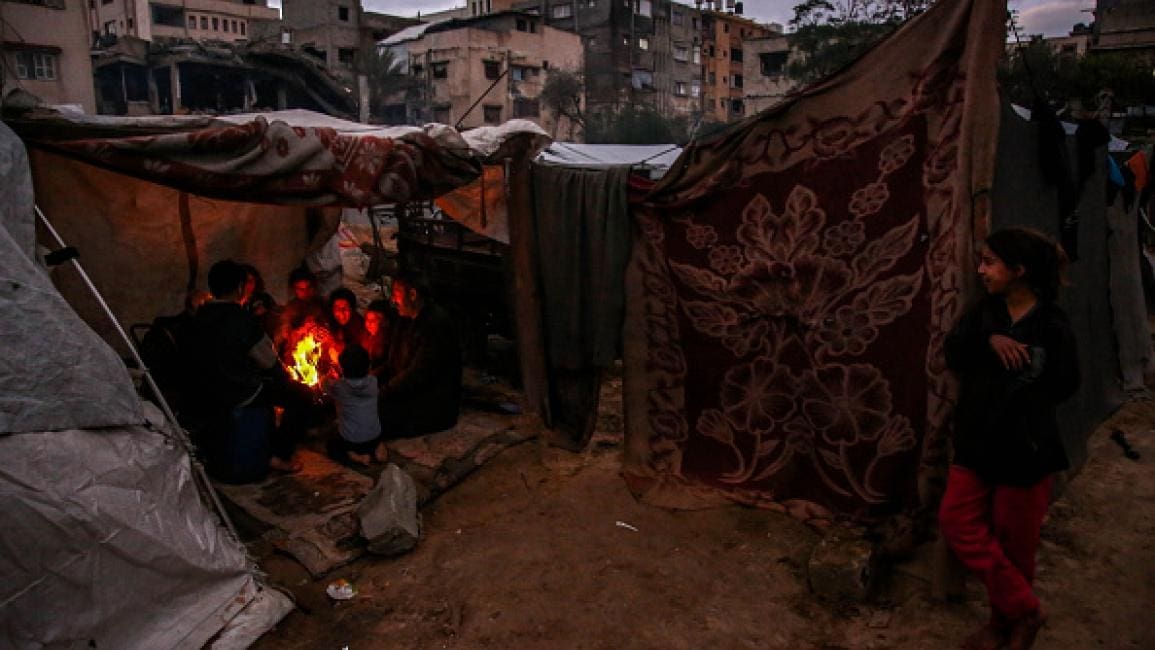
The spokesman for the Civil Defence in Gaza, Mahmoud Basal, announced the death of a child (7 years old) who fell into a rainwater collection well, and a woman who died when the wall of a dilapidated building collapsed as a result of the war of extermination.
The Israeli occupation army continues its artillery and aerial shelling, including by drones, on areas of the besieged Gaza Strip, while preventing the entry of aid to relieve the population after the genocide that lasted two years. Occupation artillery and drones are targeting several areas of the Strip, especially the eastern part, causing martyrs and wounded in most cases, while the Civil Defence in Gaza, with limited capabilities, continues to search for victims buried under the rubble during the genocide.
Deadlock continues to dominate discussions on moving to the second phase of the ceasefire agreement, despite repeated statements following the meeting of the Israeli occupation government head Benjamin Netanyahu and US President Donald Trump in Florida.
Tents of displaced people were submerged off the shore of the Khan Younis sea in the south of the Gaza Strip due to heavy rain.
The Civil Defence in Rafah said: "We are facing extremely harsh humanitarian conditions, and we are receiving continuous calls for help from displaced people because of the storm. The worn-out tents could not withstand the strong winds, which tore them apart, uprooted some of them and left families in the open."
The Washington Post revealed that some 1.6 million Palestinians in the Gaza Strip, more than 75% of the population, are still living in a severe state of food insecurity despite talk of a partial truce, at a time when the harsh winter has turned cold and rain into additional threats to life, as a result of the occupation's war and the ongoing siege. The newspaper notes that hundreds of thousands of displaced families, including large numbers of children, live in dilapidated tents or among the rubble without adequate protection from the rain and storms, after the occupation destroyed homes and infrastructure and forcibly displaced the population.
According to estimates, more than 100,000 children face the risk of severe malnutrition and need urgent medical intervention, while deaths, including of infants, have been recorded due to low temperatures, amid the continued occupation restrictions on the entry of aid, heating means and relief materials, making hunger and cold a direct result of occupation policies and two faces of an ongoing humanitarian tragedy in Gaza.
Scenes documenting the submersion of displaced people's tents by rain and sea waves in Khan Younis in the south of the Gaza Strip.
Local sources reported that at around 6 a.m. on 29 December, Israeli occupation forces suddenly opened the course of the Gaza Valley, after having built dams and water traps on the border to prevent its natural flow towards the Strip, causing the water to rush out suddenly. They explained that opening the course without any prior warning caused the tents of displaced people in adjacent areas to be swept away and aggravated the suffering of families living in dilapidated tents, amid the atmospheric depression and the continued absence of protection and rescue means.
Regarding cancer patients, the Ministry of Health in Gaza said:
- Cancer patients in the Gaza Strip face a slow death sentence, which heralds an unprecedented humanitarian and health catastrophe with serious consequences that cannot be remedied.
- The large shortage in the list of oncology medicines, the deprivation of patients from diagnostic services, and the continued closure of crossings preventing their exit for treatment abroad complete the triangle of death that threatens their lives at any moment.
- The only way to save their lives is to allow them to leave the Strip for treatment abroad, which requires urgent action from all concerned parties to ensure their safe and rapid exit without any delay.
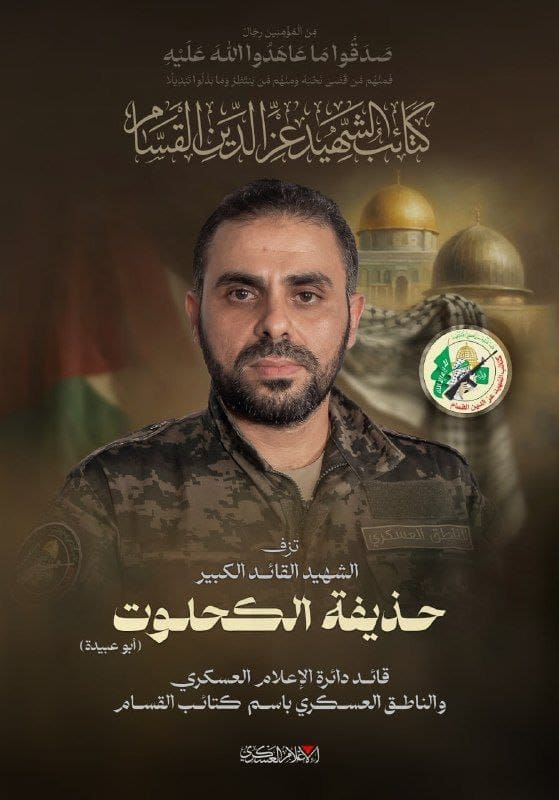
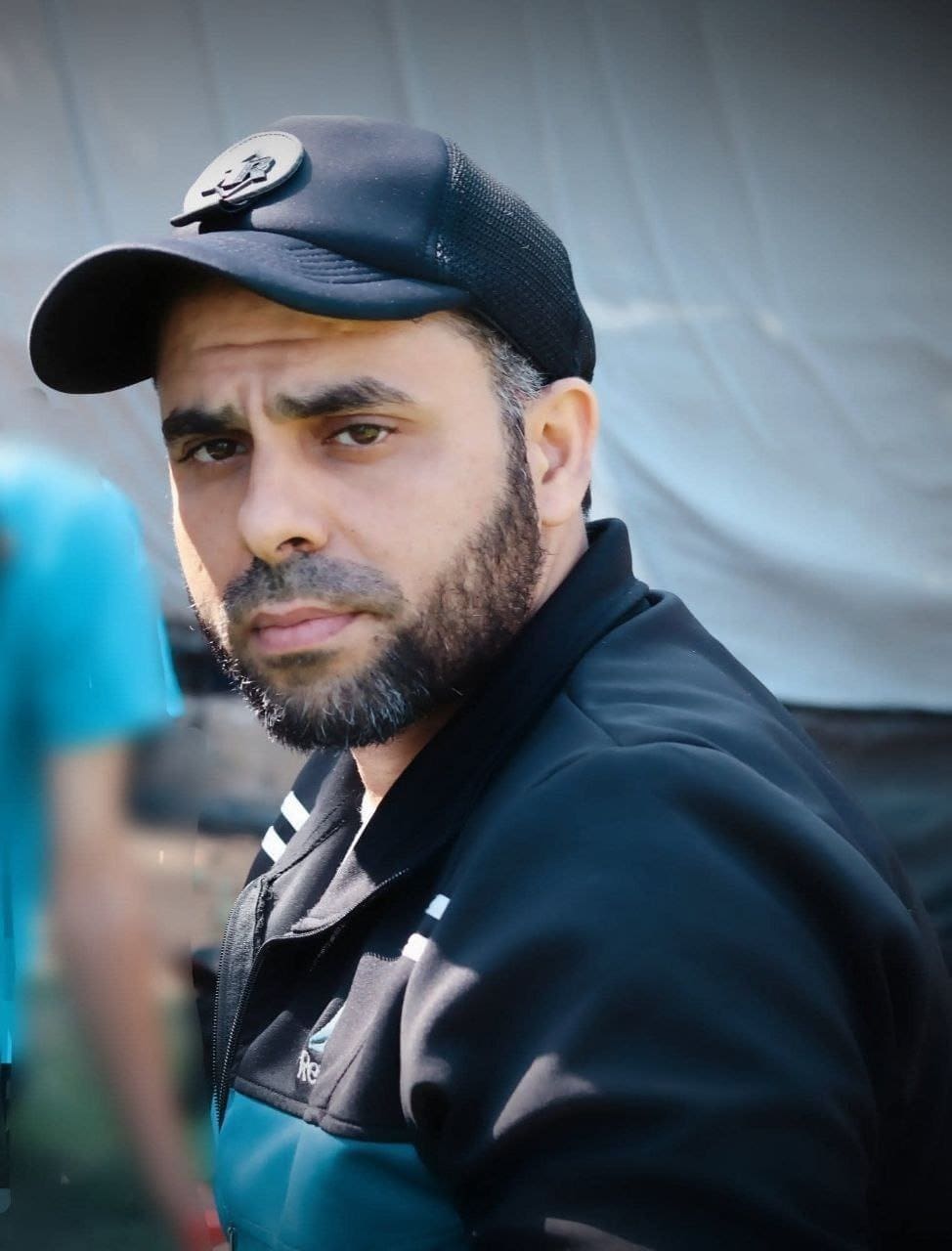
Official announcement of the martyrdom of Hudhayfa al-Kahlout "Abu Ubaida," head of the Military Media Department and military spokesman of the Al-Qassam Brigades.
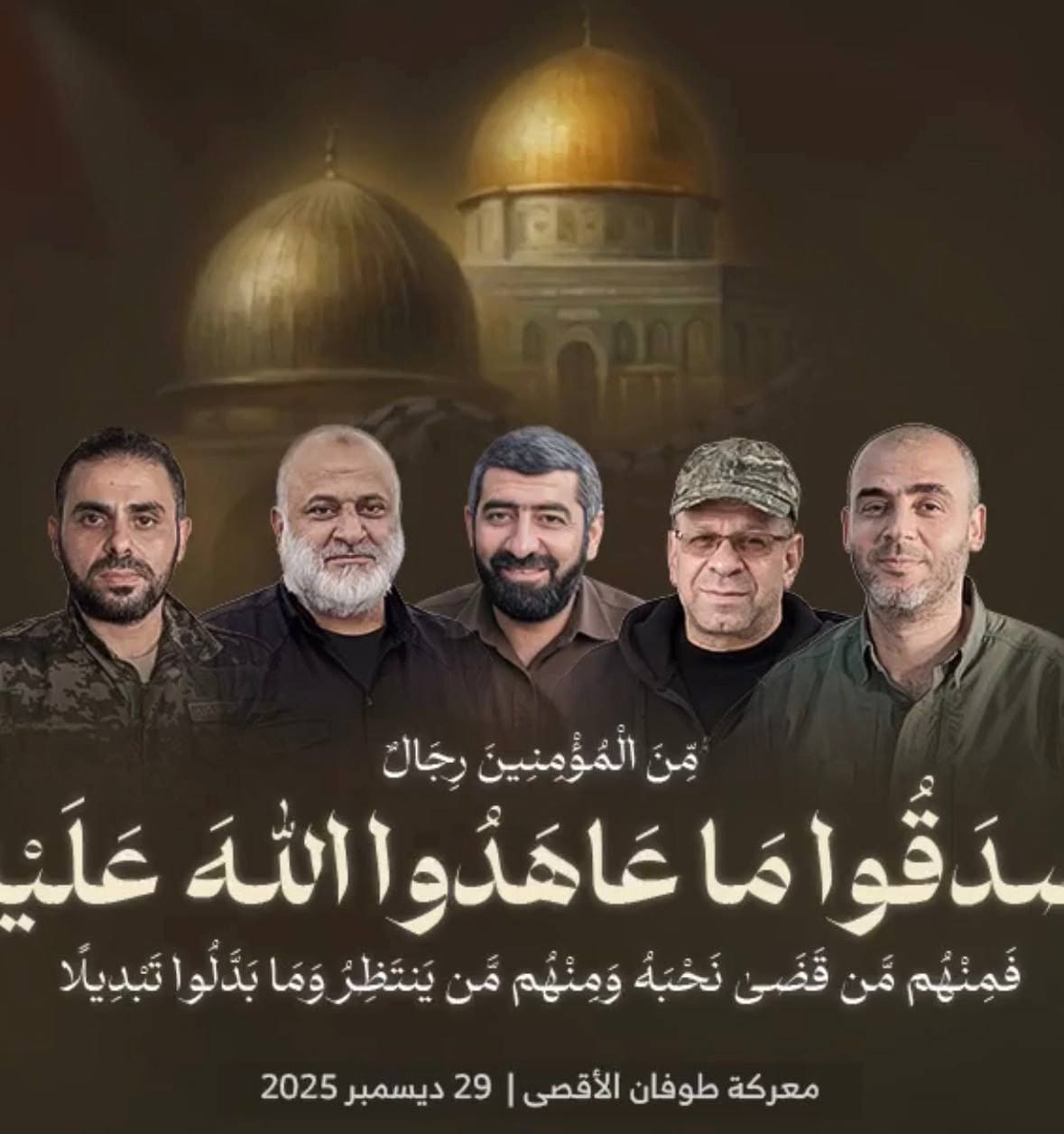
The Al-Qassam Brigades also announced the martyrdom of a group of its leaders and symbols: Abu Ubaida, Mohammed al-Sinwar, Mohammed Shabana, Raed Saad, and Abu Omar al-Suri.
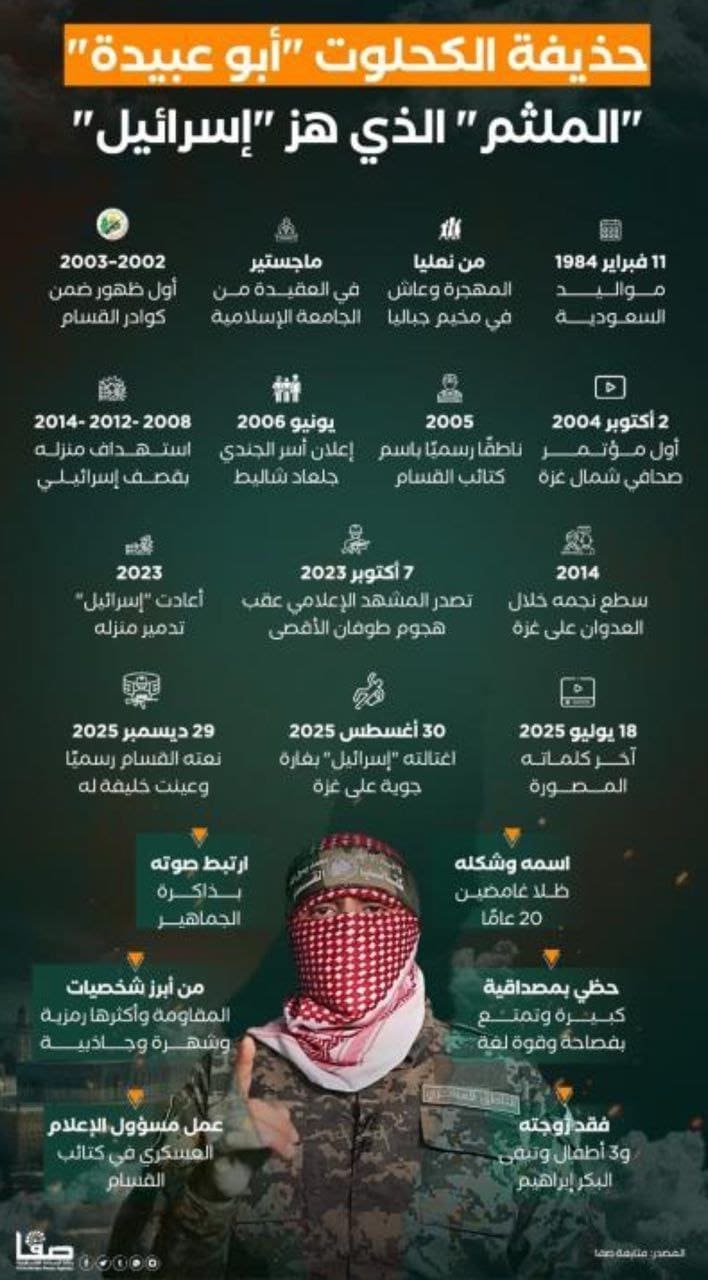
Who is Hudhayfa al-Kahlout "Abu Ubaida"?
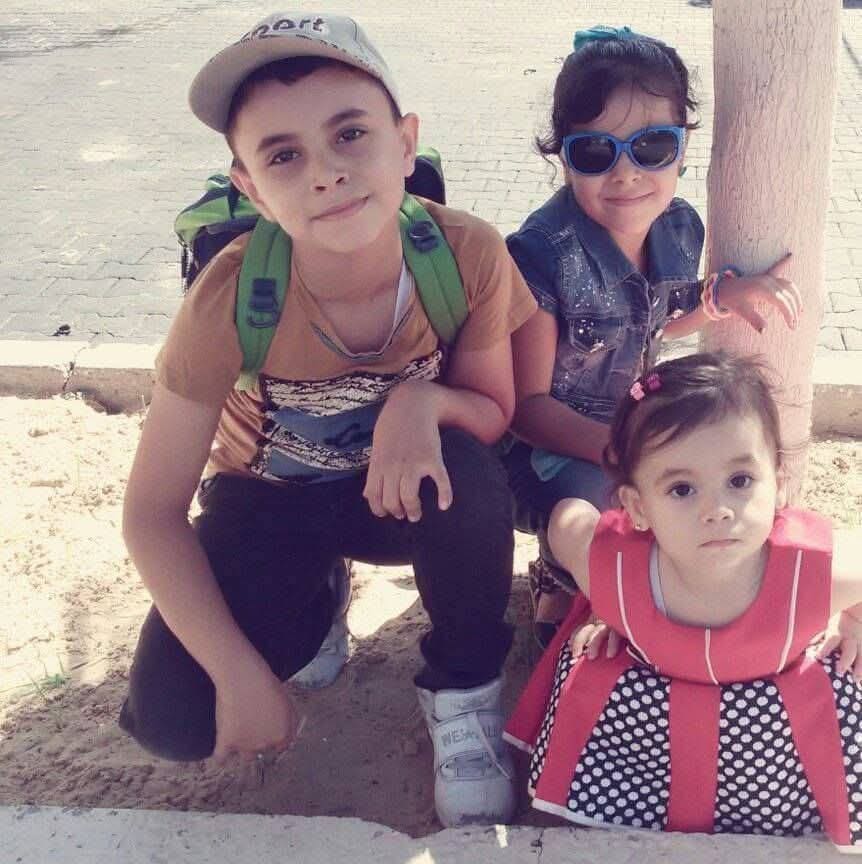
The family of commander Hudhayfa al-Kahlout (Abu Ubaida) who were martyred with him in the strike:
- His wife Israa Ghassan Jabr "Umm Ibrahim."
- His daughter Layan al-Kahlout.
- His daughter Mennat Allah al-Kahlout.
- His son Yaman al-Kahlout.
The West Bank and Jerusalem
The Palestinian News and Information Agency (WAFA) reported several new attacks carried out by Israeli settlers in the occupied West Bank, amid the continued escalation of settler violence. The agency quoted Eid Barahmeh, director of the Palestinian Prisoners' Club in Jericho and the Jordan Valley, as saying that a group of Israeli settlers attacked a Palestinian family near Jericho and assaulted several of its members "severely."
In the same context, WAFA reported, citing local sources, that another group of Israeli settlers stormed a mosque in the town of Deir Balout near Salfit and vandalised it.
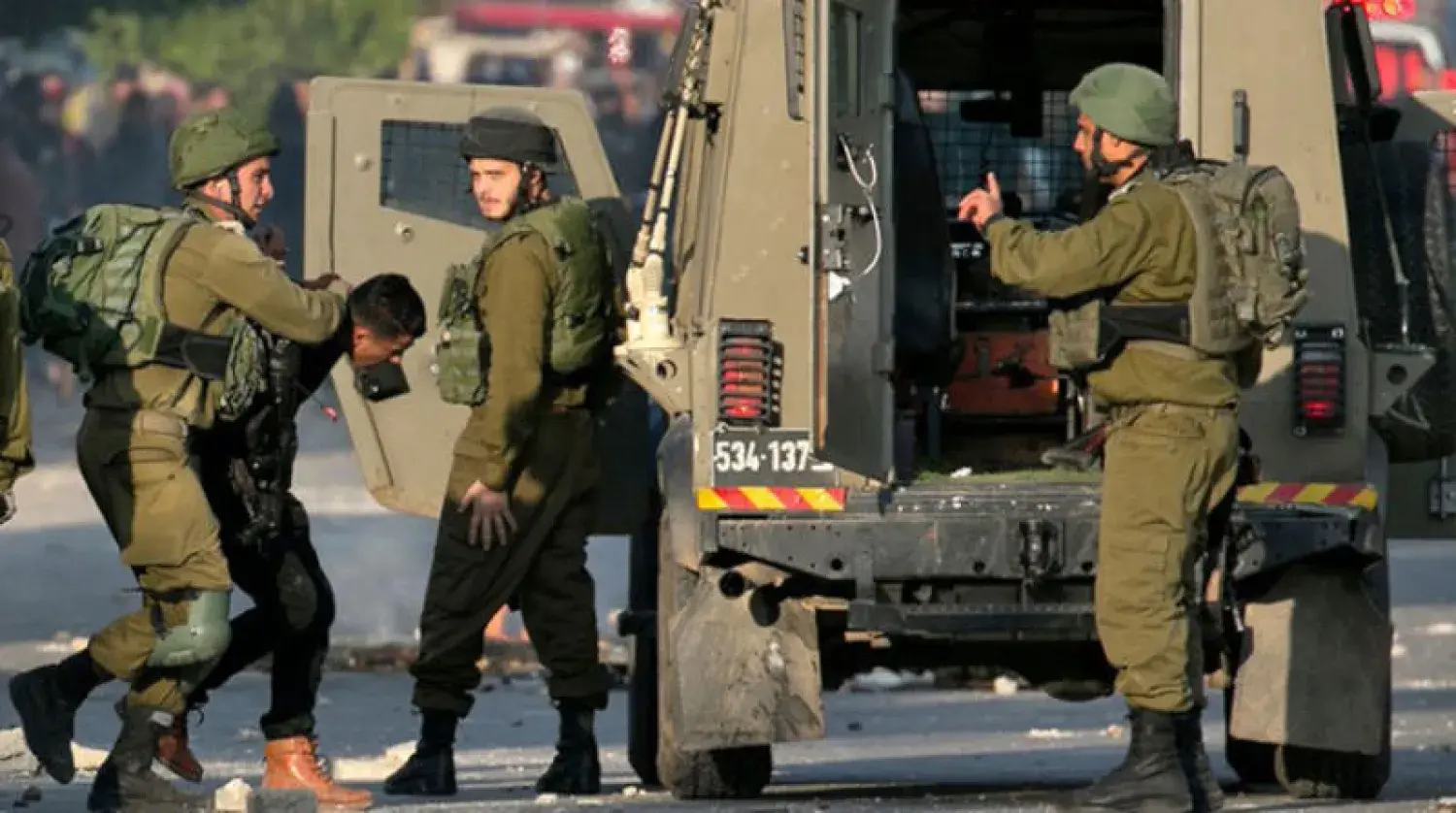
Expansion of settlement and steps to annex land in the West Bank
A new report issued by the Palestinian National Office for Land Defence and Resistance of Settlement stated that "Israel" continued last year to implement plans to expand settlements and advance steps for the de facto annexation of parts of the occupied West Bank, including tendering new construction contracts and taking measures to legalise settlement outposts established without licences.
In its weekly report covering the period from 27 December 2025 to 2 January 2026, the office said that 2025 was one of the most difficult years for Palestinians in the West Bank, pointing to the escalation of home demolitions, the displacement of Bedouin communities, the confiscation of land, and the expansion of settlement under the right-wing government led by Benjamin Netanyahu, particularly during Israel's war on Gaza.
The report explained that the Israeli authorities pursued what it described as two parallel policies: military operations in Gaza, and an acceleration of settlement expansion, demolitions and displacement in the West Bank. It added that Israeli officials and settler leaders intensified the promotion of plans aimed at annexing large areas of the West Bank, especially areas with low Palestinian population density, foremost among them the Jordan Valley.
According to the office, Israel has established hundreds of settlements in the West Bank since 1967, and by the end of 2025 their number had reached about 350, including nearly 200 outposts that the Israeli government is working to legalise retroactively. The report also pointed to the establishment of some 35 industrial zones, an extensive network of bypass roads, and the classification of vast areas of land as closed military zones or as grazing areas under settler control.
The office added that the Israeli authorities increasingly apply Israeli laws to the settlements, in a shift that it said means treating settlers as residents within a territory subject to Israeli sovereignty, rather than as civilians living under military occupation.
- Ben-Gvir leads new legislation to restrict the call to prayer inside the Green Line under the pretext of "preventing disturbance," with punitive powers against mosques and muezzins. This is a direct attack on religious freedoms and the Palestinian presence.
- Ben-Gvir told the Israeli Channel 14: our policy now in dealing with Palestinians who enter "illegally" from the West Bank is to shoot them.
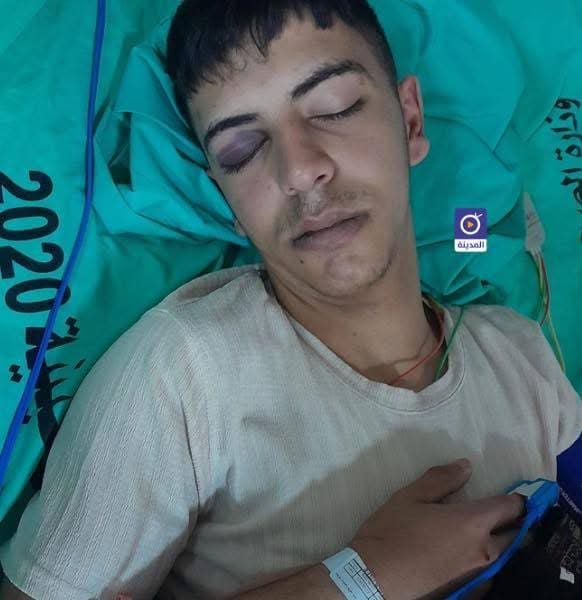
Mujahid Silwadi (17 years old) lies in intensive care in serious condition after a brutal assault by the occupation army, which stormed his home in the village of Tell and beat him before and after his arrest. His father says: despite his suffering bleeding in the liver and spleen, the soldiers dumped him at the Awarta checkpoint in his underwear, and he was later taken to hospital, where his condition remains critical.
The Knesset approves cutting electricity and water to UNRWA offices in Jerusalem: The Israeli Knesset gave final approval today, Monday, to a law providing for the cutting of electricity and water to the offices of the UNRWA agency in occupied Jerusalem, after it was passed in the second and third readings by a majority of 59 members to 7 opposed, and will take effect immediately.
The decision follows an earlier measure banning UNRWA's activity in occupied territory, at a time when Palestinians, especially refugees, increasingly need the agency's services after two years of the war of extermination on the Gaza Strip.
The Hebrew website Walla publishes: data of the Israeli army on the West Bank front during 1446-1447 AH (2025 CE):
- The Israeli army killed about 230 Palestinians.
- Arrested about 7,400 Palestinians.
- Confiscated about 1,340 weapons.
- Confiscated about 16 million shekels.
- Demolished about 30 homes of perpetrators of operations.
The prisoners file
The Israeli occupation army announced on Friday the arrest of about 100 Palestinians in various areas of the West Bank during the past week, on the claim that they were "wanted," as part of an ongoing wave of arrests in the West Bank since the outbreak of the war on the Gaza Strip in October 2023. The army said in an official statement that its forces carried out "security activities" in various parts of the West Bank resulting in the arrest of nearly 100 Palestinians, alleging that some of them belong to the "Hamas" movement.
According to army data, its forces arrested 38 Palestinians from more than 15 villages and towns in central West Bank, while arrests in the south of the West Bank included 18 Palestinians from Hebron Governorate, in addition to 22 others from the town of Beit Ummar. In the north of the West Bank, the army reported arresting 16 Palestinians from the Qabatiya area and 6 others from the village of Burqin, in the course of repeated raids and incursions.
Palestinian human rights institutions, including the Palestinian Prisoners' Club, the Al-Dameer Association, and the Commission of Detainees' and Ex-Detainees' Affairs, confirmed that Israel markedly escalated arrest campaigns and repressive measures in the West Bank during 2025.
These institutions documented about 7,000 arrest cases during the current year, including 600 children and 200 women, while the total number of arrest cases since 8 October 2023 reached about 21,000, including 1,655 children and 650 women, excluding detainees from the Gaza Strip and the occupied Palestinian territory of 1948.
- 10 prisoners from the Gaza Strip arrived at the "Martyrs of Al-Aqsa" Hospital in Deir al-Balah after the occupation released them.
Syria
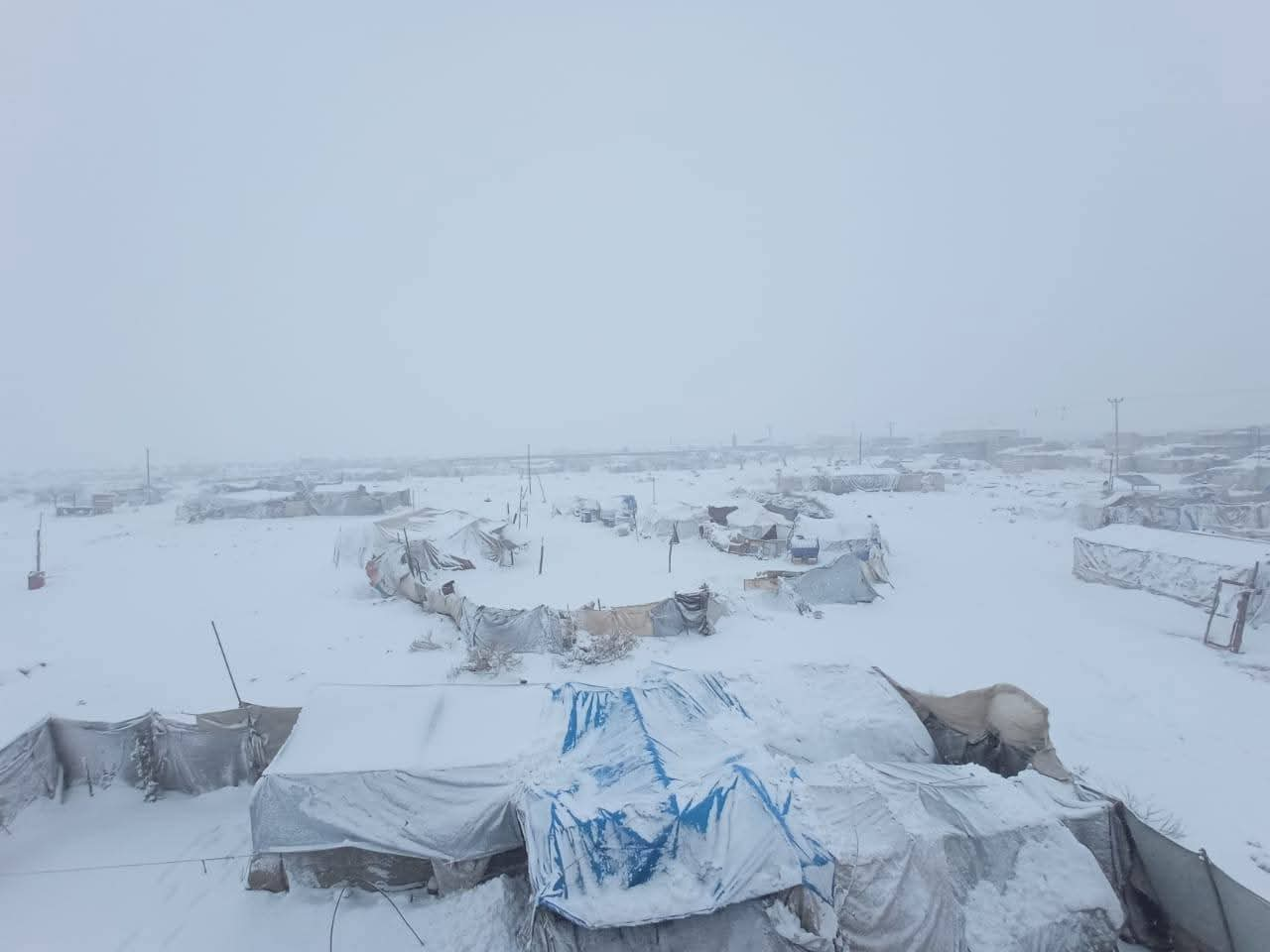
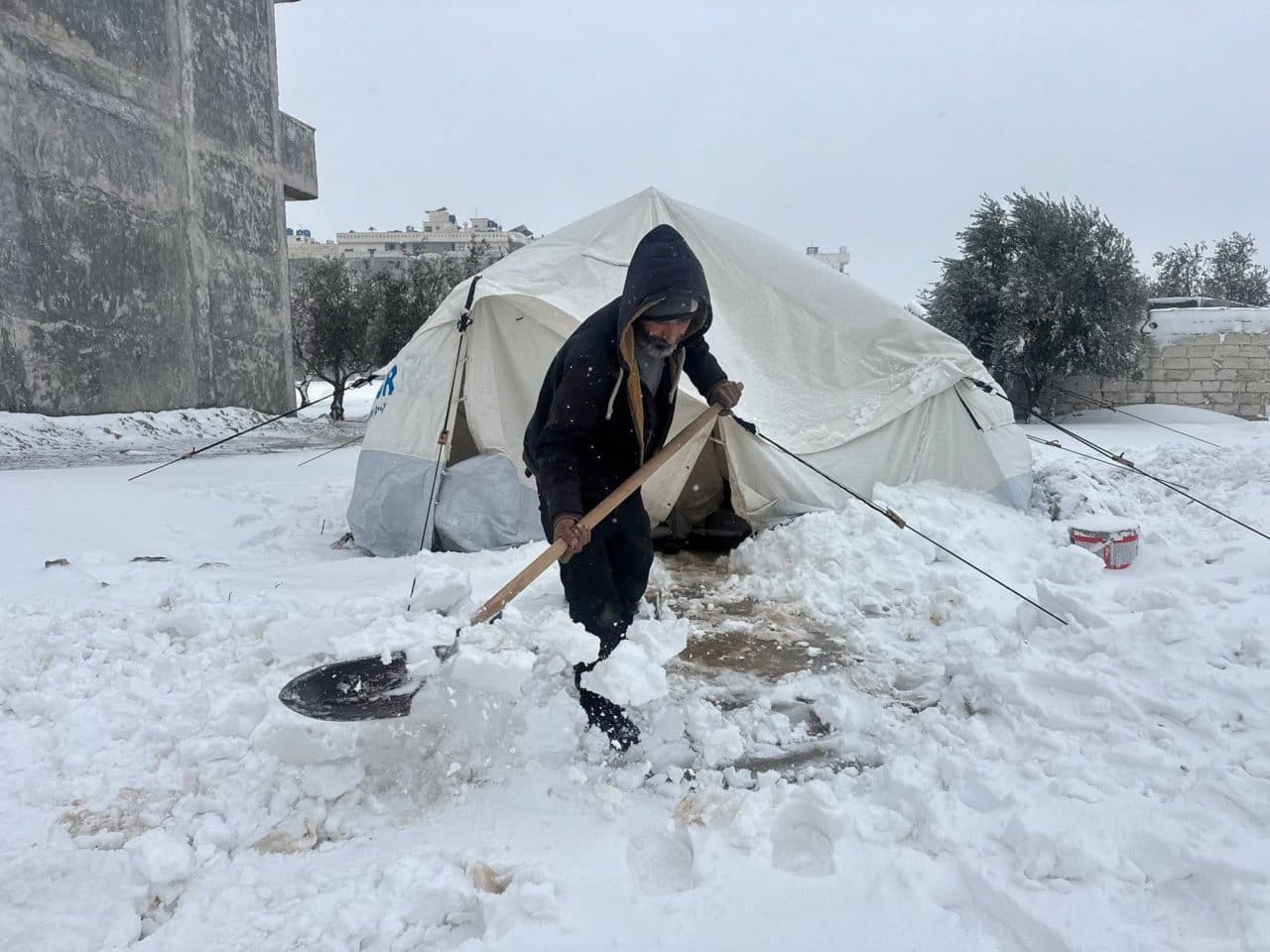
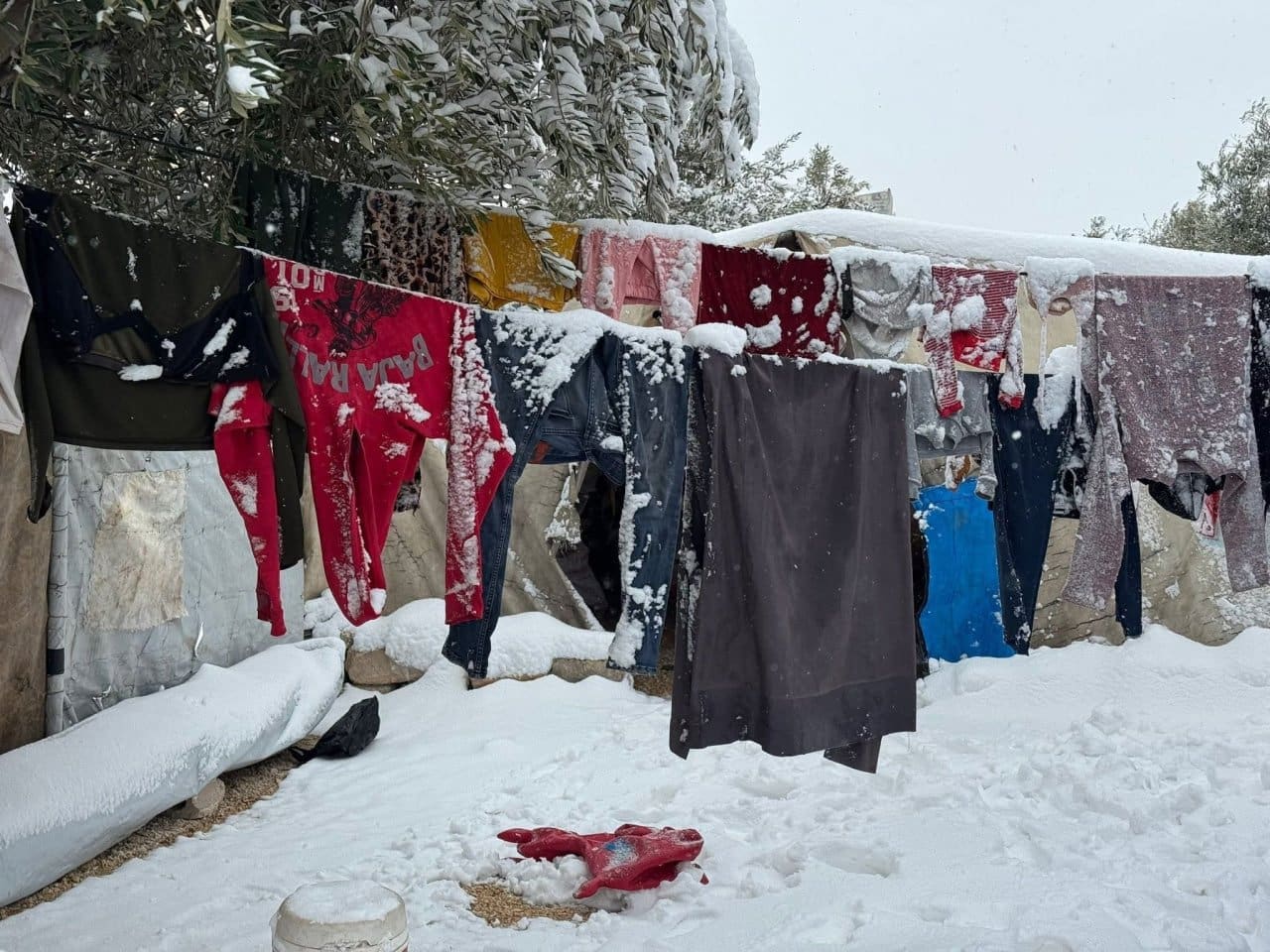
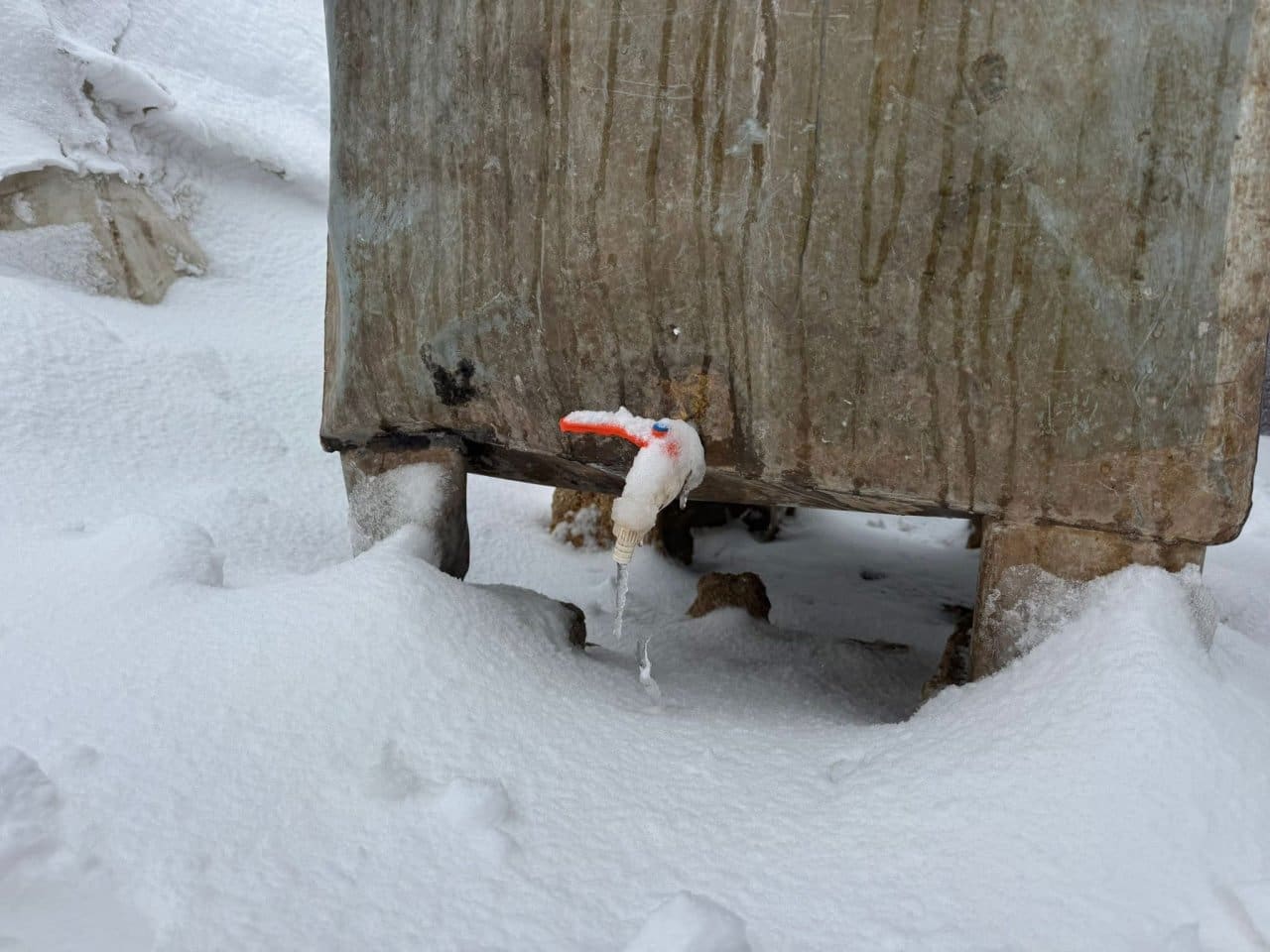
The tragic conditions in Syrian camps
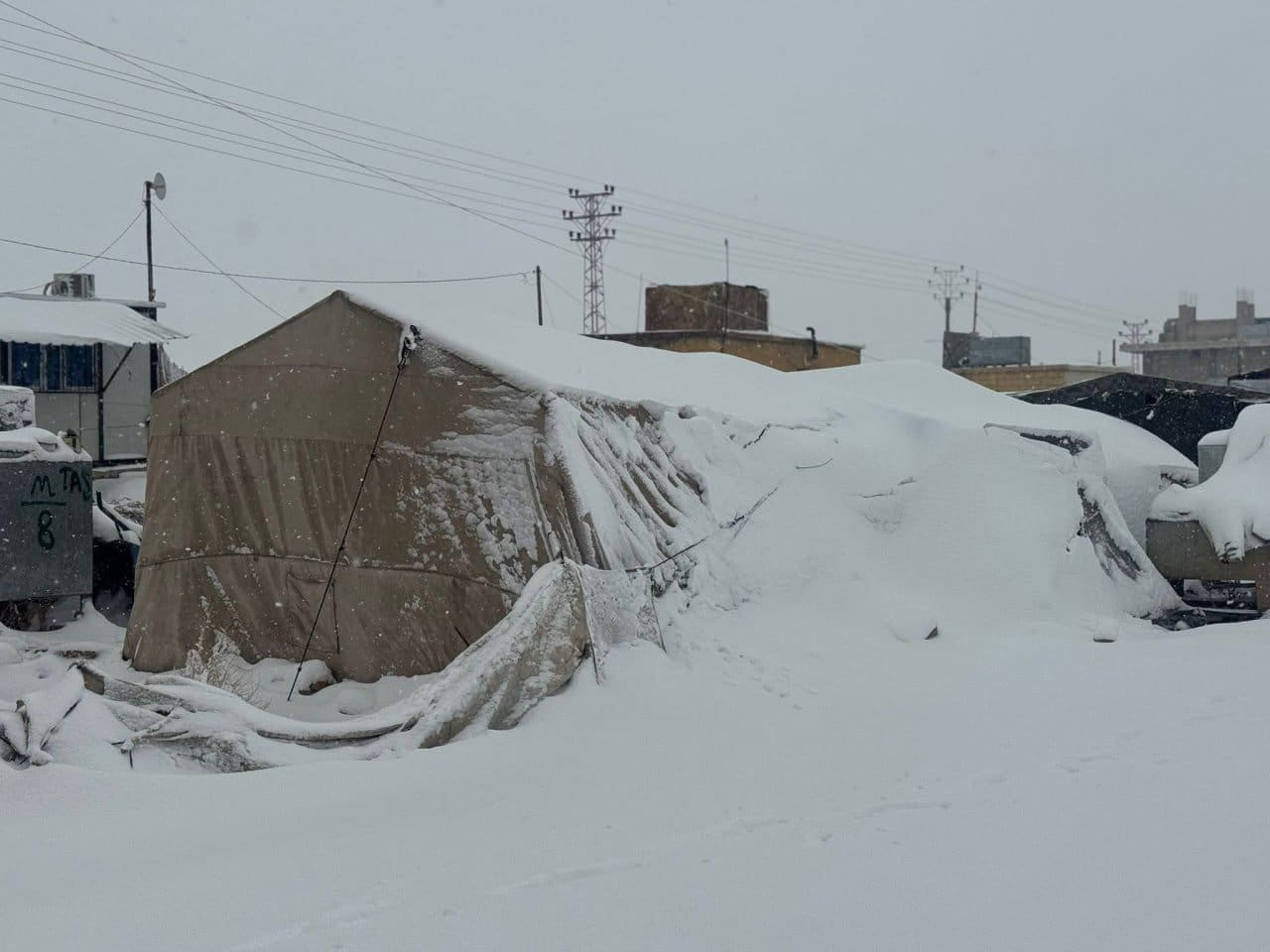
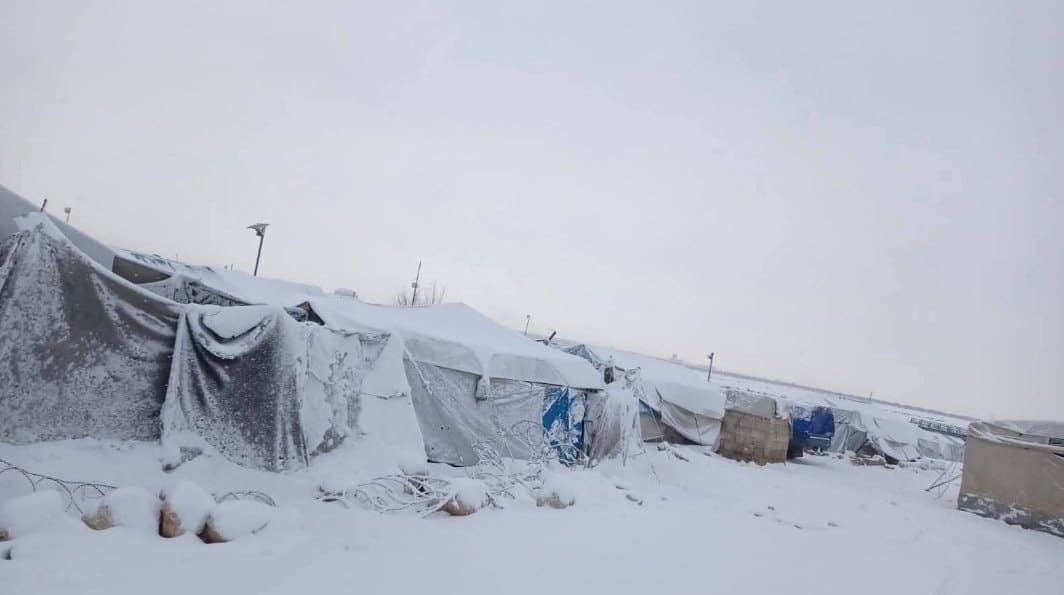
Urgent cry for help from the camps of northern Syria, amid a snowstorm sweeping the region.
Alawite demonstrations in Syria
Last Sunday saw demonstrations by Alawites demanding "federalism and the right to self-determination," in which at least three people were killed by gunfire in western Syria, according to the Syrian Ministry of Health; two of them by security forces' bullets, according to what the "Syrian Observatory for Human Rights" claimed. Later, the official Syrian news agency, citing the Health Directorate in Latakia, announced "the death of 3 people and the injury of 60 others in attacks by remnants of the former regime on security forces and civilians during the protests in the city." A security source confirmed that one of the dead was a member of the General Security within the police apparatus.
Thousands of Alawites had gone out in the coastal region and in central Syria on Sunday, two days after a bombing at a mosque frequented by Alawites in an Alawite area of the city of Homs, which killed eight people. Meanwhile, the spokesman for the Syrian Ministry of Interior, Noureddine al-Baba, said on Sunday that the protests in several governorates were the result of separatist calls.
The Nusayri religious figure known as Ghazal Ghazal called on his followers: "Tomorrow there must be a human flood, filling the squares. Our demand is federalism, and we do not want to terrorise them."
"Federalism, federalism… Alawite blood is not cheap…" chants of Nusayris in the village of Khirbet al-Tin in the western countryside of Homs.
Following the Alawite demonstrations, a Sunni demonstration took place in Jableh, which led to clashes between them, with the Nusayri protesters throwing stones at security forces.
Members belonging to the "Coastal Shield Brigades" and "Al-Jawad Brigades" also took part in the demonstrations called for by Ghazal, while issuing threats to internal security. These groups have been responsible for many assassinations, field executions, detonations of explosive devices, and attacks on internal security and army posts.
The commander of internal security in Latakia Governorate, Brigadier General Abdulaziz al-Ahmad, said: "We carried out many security operations in Latakia, Jableh and Qardaha, and arrested some inciting leaders, some of whom have strong links to remnants of the former regime, some to the Al-Jawad Brigades, and some whose role was incitement."
The moment a civilian was stabbed by Alawite protesters from the remnants of the former regime.
Launch of the new Syrian currency
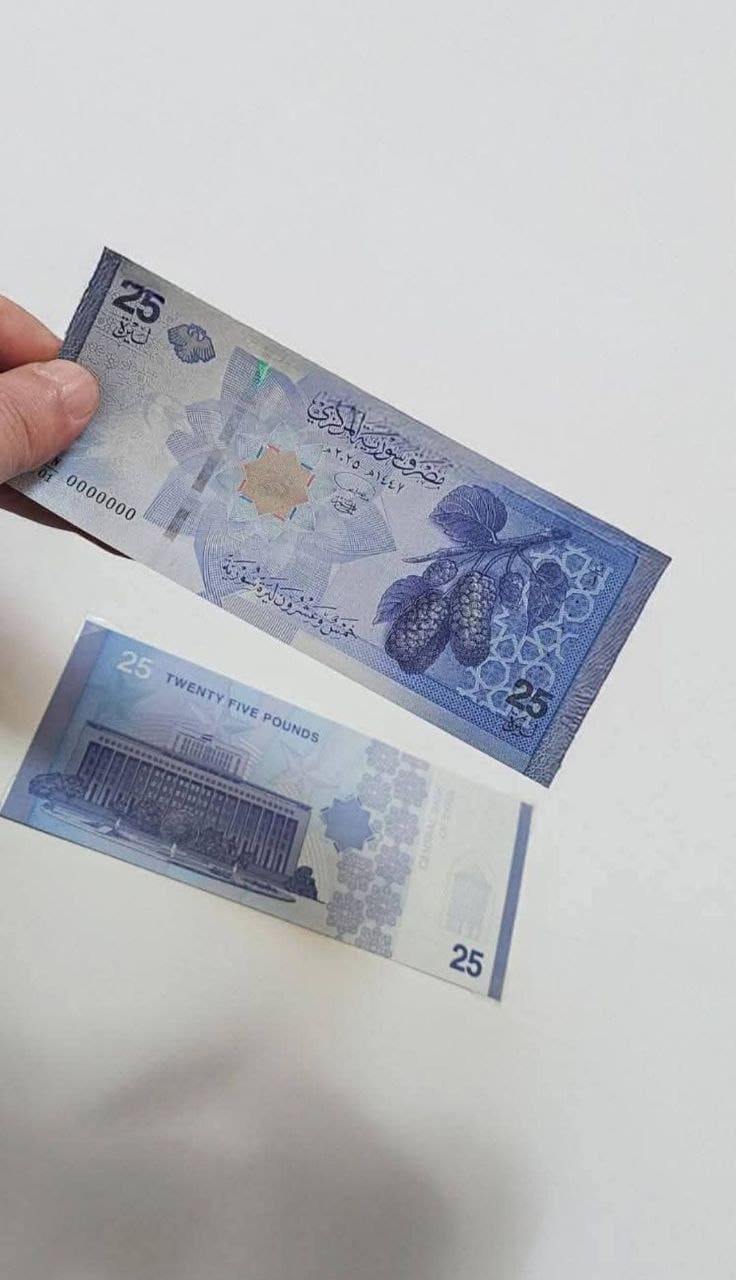
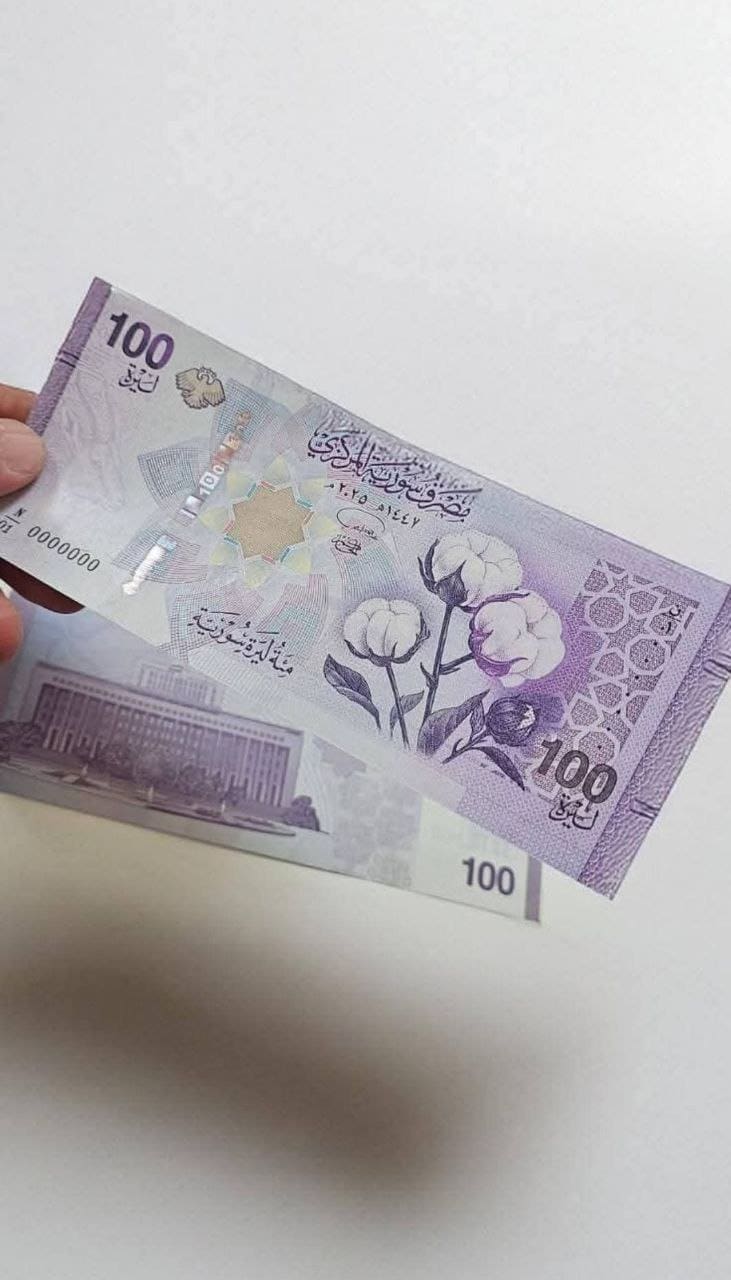
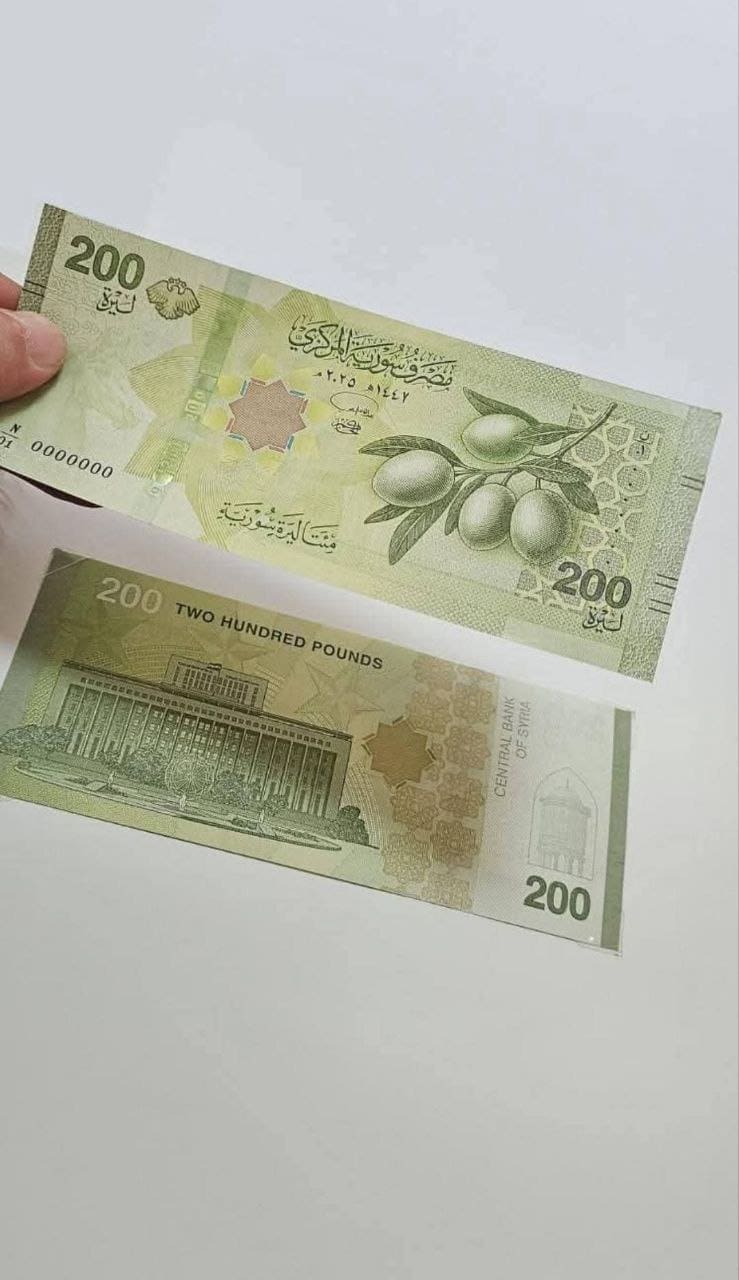
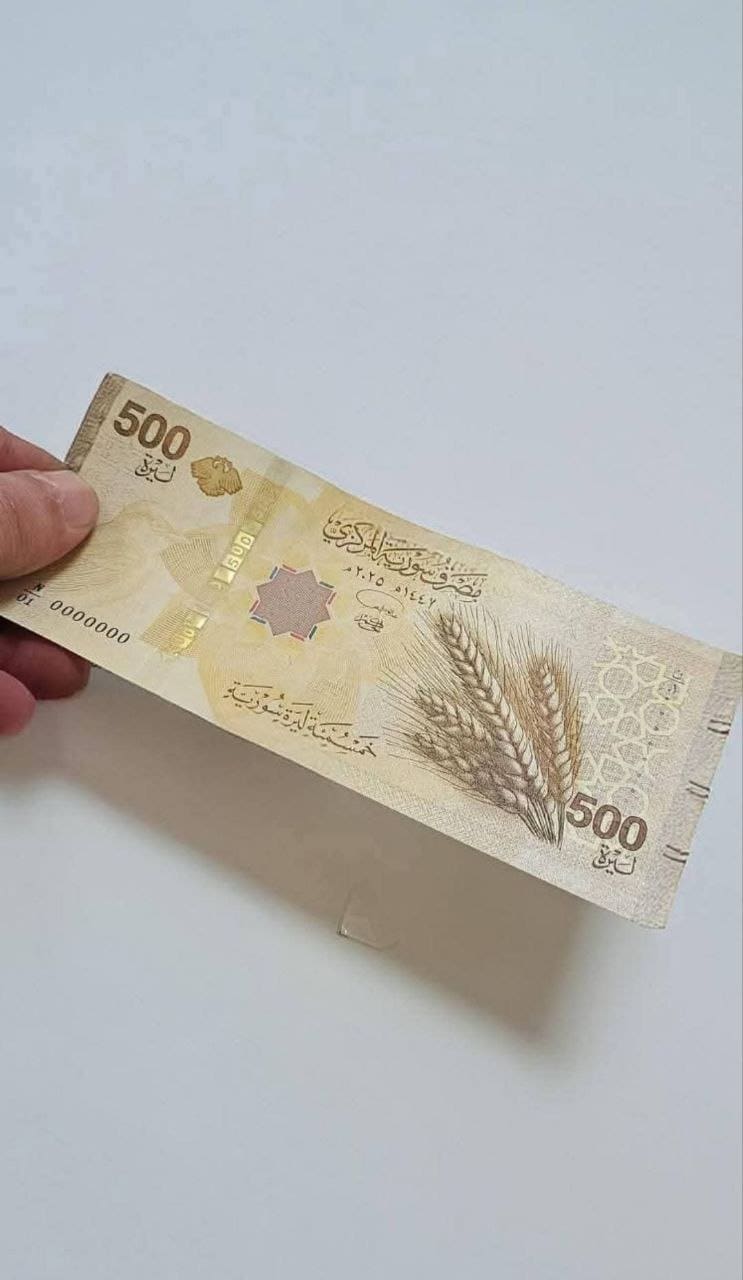
The Central Bank of Syria officially began exchanging the country's new currency last Saturday, after months of preparations. On Monday, Syria unveiled new banknotes, including a redesign that removes zeros and eliminates images, as a step towards strengthening national identity and restoring confidence in the economy.
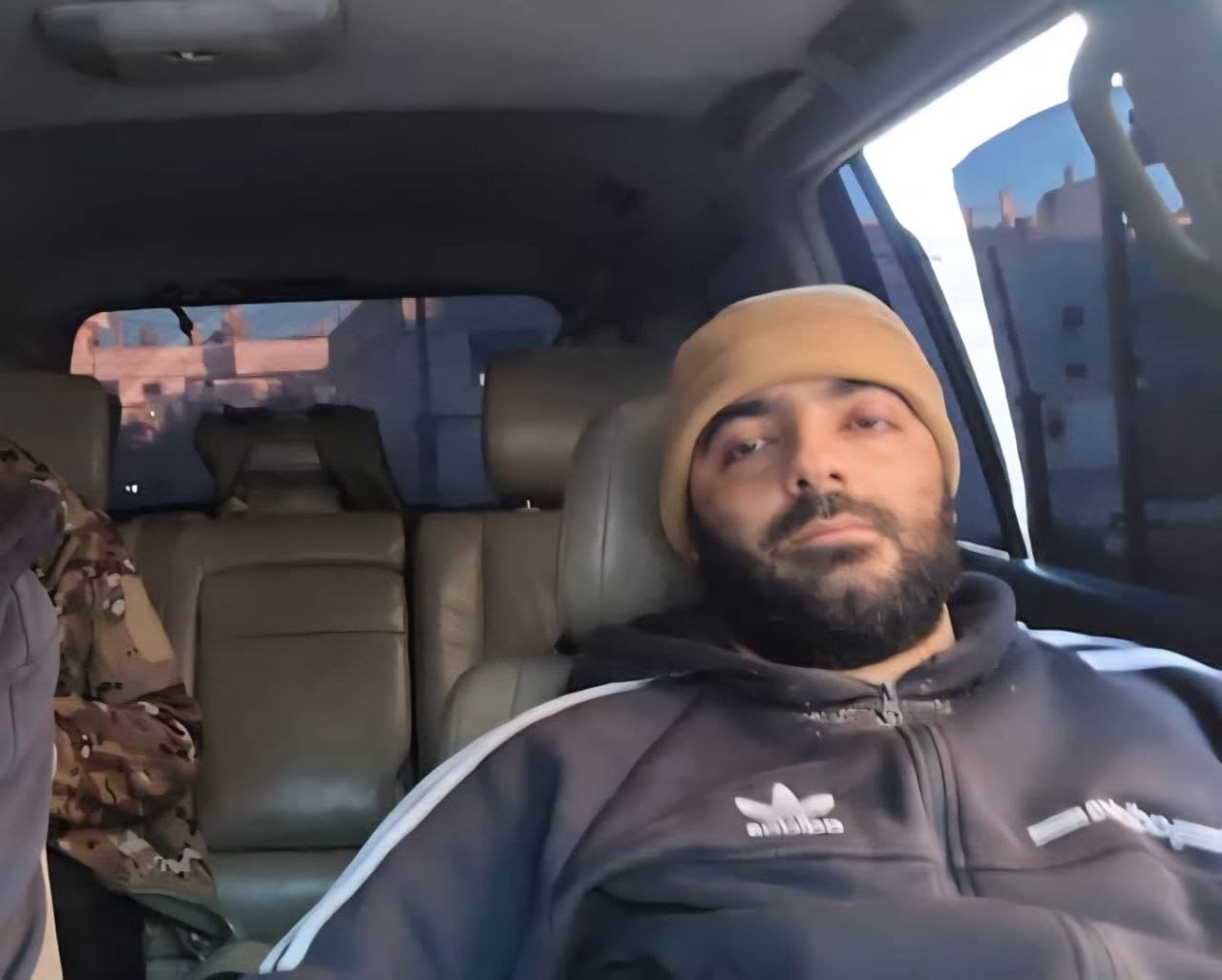
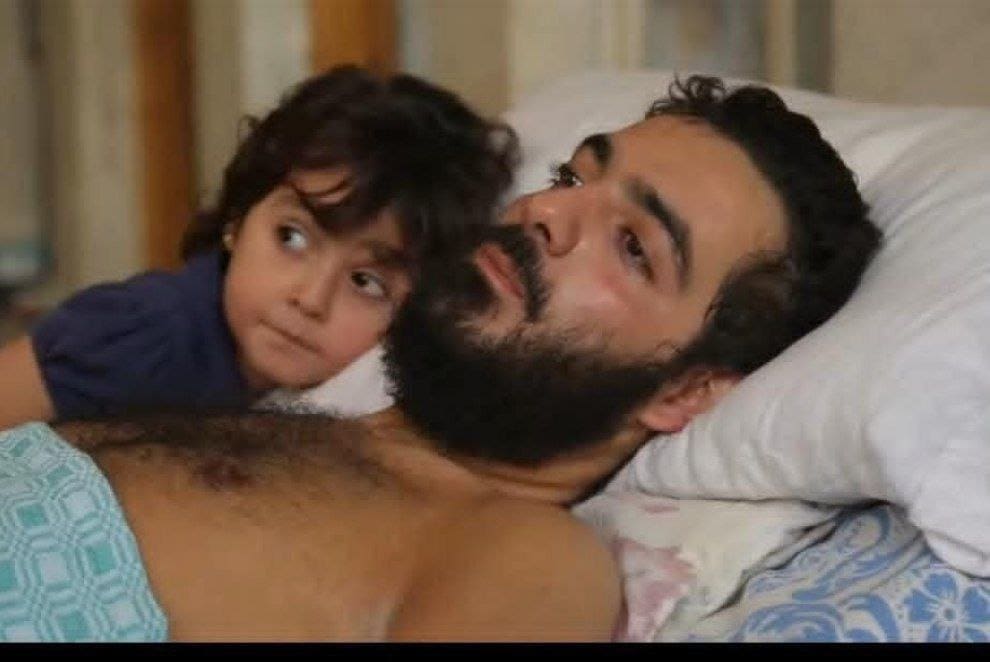
On the evening of last Sunday, the General Security arrested Anas Attal, known as Abu Osama, a quadriplegic who had previously served in the Abu Amara Brigades in the city of Aleppo, and took him to prison without knowing the reasons. He was later released after an appeal from his wife.
Anas Attal's wife speaks about what happened to her husband before his release.
Government popular delegations visited him after his release.
Israeli occupation violations continue in Quneitra
The Syrian news channel Al-Ikhbariya said this week that Israeli occupation forces targeted Tal al-Ahmar al-Sharqi in the southern countryside of Quneitra with machine guns.
The occupation forces released 4 Syrians after arresting them the previous day near the Kodna dam in the countryside of Quneitra.
A security source told Al-Ikhbariya yesterday, Saturday, that 3 rocket shells fell simultaneously on the Mezzeh 86 neighbourhood in Damascus and the vicinity of Mezzeh Airport, one of which caused damage to the Muhammadi Mosque in the Mezzeh 86 neighbourhood.
The Governor of Damascus, Maher Marwan Idlibi, said during his inspection of the Muhammadi Mosque: "Praise be to God that there were no casualties and no one among the residents was harmed. There is no need for concern; Damascus is well, and it and its people will remain well."
Leaks by Suhail al-Hassan "al-Nimr" about Hamas and Al-Aqsa Flood, obtained by an infiltrator posing as an Israeli officer: "I pray for you that this folly and this darkness called 'Al-Aqsa Flood' will end; God's curse upon them. These are the sons of the impure and filthy, and they cannot be trusted. We still need to get rid of them and purify ourselves of them."
Suhail al-Hassan led what is known as the "al-Nimr" elite force in the army of the former regime.
Jordan
The daughter of preacher Ayman al-Balawi said that her family still does not know where he was taken and has no information about him.
Yemen
The chairman of the Southern Transitional Council in Yemen, Aidarous al-Zubaidi, announced on Friday a two-year transitional period for a North–South political dialogue under the auspices of the United Nations.
The Southern Transitional Council called for:
- to facilitate a North-South dialogue leading to a popular referendum on the right of self-determination through peaceful mechanisms.
- the international community to sponsor talks on a path and mechanisms that guarantee the rights of the people of the South.
- He stressed the organisation of the revenue collection mechanism at the Central Bank in the capital, Aden, as an independent authority.
Today, Sunday, the Saudi-backed Yemeni government regained control of the capital of Hadramout Governorate, which had been seized by Southern separatists last month. Video footage obtained by the Associated Press showed Saudi-backed National Shield Forces being welcomed by residents as the troops passed through the streets in armoured vehicles. Forces were also seen driving around and outside Al-Rayyan Airport in Mukalla.
Ahmed Summan and Bakr Al-Khadri, residents of the towns of Hadramout Al-Qatn and Seiyun, told the Associated Press that the Saudi-backed separatist Southern Transitional Council (STC) had withdrawn from military camps.
Tensions in Yemen have increased pressure on relations between Saudi Arabia and the UAE. Both Saudi Arabia and the UAE share the declared goal of the coalition, namely restoring the internationally recognised Yemeni government.
The Saudi Ministry of Foreign Affairs said on Saturday that it would host a conference in Riyadh bringing together all Southern factions in Yemen "to discuss fair solutions to the Southern issue." The Southern Transitional Council welcomed the invitation to sponsor this dialogue, considering it "the only rational means to address political issues, foremost among them the issue of the people of the South and their right to restore their state."
Earlier today, Sunday, Hadramout Protection Forces carried out a field operation to secure government headquarters and vital facilities in the city of Mukalla, backed by men from the Hadramout Tribal Alliance.
The American Center for Justice said today, Sunday, that it had received numerous reports from residents of Mukalla stating that forces affiliated with the Southern Transitional Council distributed weapons to their supporters and to civilians before leaving the city.
The Yemeni Network for Rights and Liberties held the UAE-backed Southern Transitional Council fully responsible for the abduction of the director general of Mukalla port, engineer Salem Ali Basamir, and his forcible transfer, along with four other people, to unknown locations.
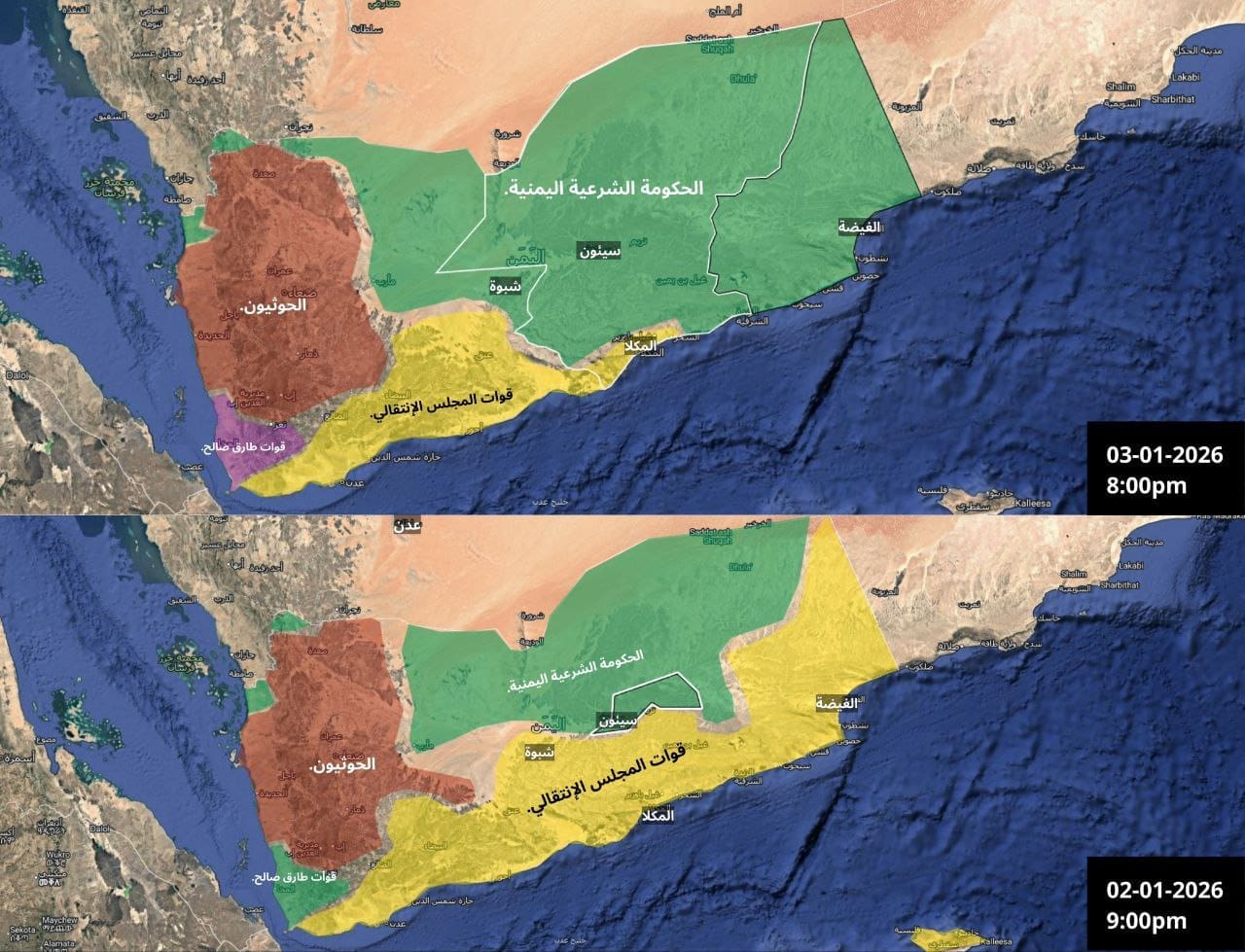
Image published yesterday, Saturday, titled: Changes in control within 24 hours in Yemen in both Al-Mahra and Hadramout.
Activists on social media circulated footage of the explosion of a citizen's car in Al-Qatn on Friday night, where the car was passing while Saudi-led coalition aircraft targeted an armoured vehicle, causing it to explode.
Saudi Arabia's ambassador to Yemen, Mohammed Al Jaber, had held the head of the Transitional Council, Aidarous Al-Zubaidi, directly responsible for the escalation witnessed in the southern governorates of Yemen. In a post on the platform "X", Ambassador Al Jaber accused Al-Zubaidi of implementing an agenda that harmed the interests of the people of the southern governorates and their cause, and contributed to creating a rift between them and Saudi Arabia.
Al Jaber revealed Al-Zubaidi's refusal to issue a permit for an aircraft carrying an official Saudi delegation on 1 January to Aden, despite agreement on its arrival with a number of Transitional Council leaders, to find solutions and ways out that serve everyone and achieve the public interest.
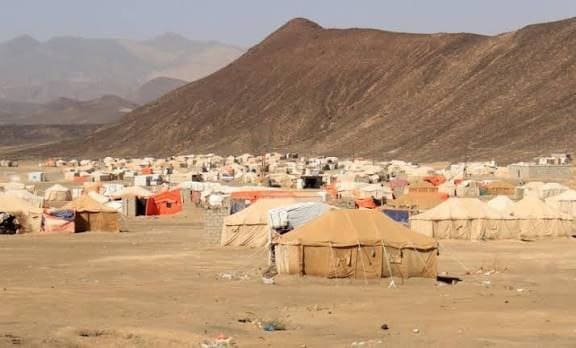
The United Nations Office for the Coordination of Humanitarian Affairs confirmed on Thursday that 1,228 families had been displaced from Hadramout to Marib as of 21 December 2025.
The city of Marib and Marib Al-Wadi host most of these displaced families.
In its report, the office pointed to rising security tensions in parts of Hadramout during the past week, which increased the risks of civilians being harmed, further displacement of residents and disruption of services. Rapid Response Mechanism assistance has reached 1,224 families, while the remaining stock remains limited, and additional groups are awaiting access.
According to the UN report: measures such as restrictions on carrying weapons within city centres have helped improve security perceptions, but ambiguity surrounding the military deployment and administrative arrangements may continue to pose operational and administrative challenges for humanitarian actors.
Sudan
A senior UN official said on Monday last that international aid workers who were able to enter the city of El Fasher in Sudan for the first time since a paramilitary force seized it found the city almost empty of residents, with a small number of people sheltering inside buildings or under plastic sheeting.
Survivors reported ethnically motivated mass killings and widespread arrests during and after the seizure of the city. The fate of a large number of people in El Fasher and the surrounding areas remains unknown.
In an interview with Reuters on Monday, Denise Brown, UN Resident and Humanitarian Coordinator in Sudan, described the city of El Fasher as a "crime scene." She said: "The city was not teeming with people. The number of people we were able to see was very small," speaking of a visit by UN staff to El Fasher on Friday that lasted several hours. She added that the UN's conditions for ensuring safe passage and freedom of movement took weeks to negotiate, despite attempts by the Rapid Support Forces to portray the city as having returned to normal shortly after seizing it.
Doctors perform surgery without anaesthesia as the siege intensifies
Medical sources announced on Saturday a severe shortage of medicines and medical supplies, including anaesthesia, as the number of casualties from shelling in Dilling, South Kordofan State, rose. Medical sources told the Sudan Tribune that essential supplies such as gauze and cotton had run out, forcing doctors to carry out surgical operations without anaesthesia. They noted that this shortage comes as more wounded arrive at facilities, while families cannot afford medicines due to sharply rising prices.
The Sudan Doctors Network said that intensive shelling by the Rapid Support Forces and the Sudan Liberation Army is causing daily deaths and civilian injuries. The group noted that an accurate casualty count is impossible due to the cutting of communications.
The Rapid Support Forces (RSF) and the Sudan People's Liberation Movement-North (SPLM-N) led by Abdelaziz al-Hilu have increased artillery shelling and drone strikes on Sudan's second-largest city in South Kordofan, in tandem with attacks on Kadugli.
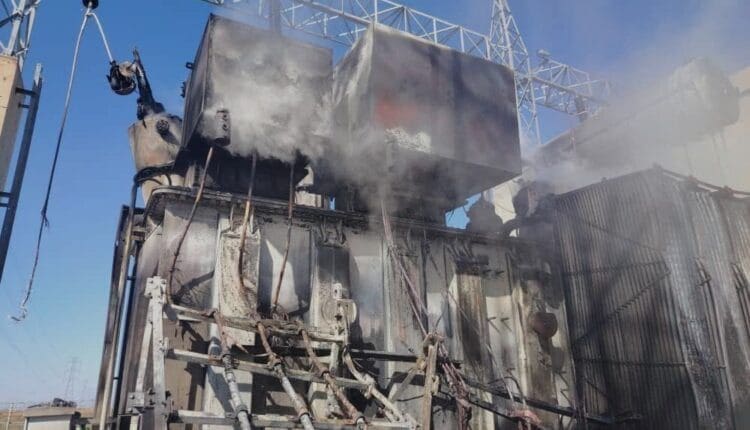
The Rapid Support Forces carried out a drone attack on the power station in El Obeid on 4 January 2026.
Rapid Support Forces drones struck several vital sites in El Obeid, the capital of North Kordofan State, and in White Nile State in central Sudan between Saturday night and Sunday morning.
Eyewitnesses reported seeing suicide drones targeting civilian and strategic sites in both areas during the night and dawn hours. The Sudanese Electricity Company said in a statement that the thermal power station in El Obeid was attacked at dawn on Sunday. The attack caused direct injuries and started a fire in the machinery building. Civil defence forces extinguished the fire, and officials said a technical assessment is under way to determine the extent of the damage before repairs begin.
"Somaliland"
After Israel became the first to formally recognise the self-declared Republic of Somaliland as an independent and sovereign state (on 26 December 2025), Prime Minister Benjamin Netanyahu said that Israel would seek immediate cooperation with Somaliland in the fields of agriculture, health, technology and the economy. In a statement, the president of Somalia, Abdirahman Mohamed Abdullahi, congratulated him, praised his leadership and invited him to visit Israel. Israeli broadcaster Kan reported, citing sources, that the president of the separatist Somaliland region, Abdirahman Irro, plans an official visit to Israel next month.
Netanyahu said the announcement "is in line with the spirit of the Abraham Accords, which were signed at the initiative of President Trump."
There have been reports of a possible resettlement of Palestinians in the "Somaliland" region, but the Somaliland government denied this.
International and local reactions
- The official spokesman of Al-Shabaab, Sheikh Ali Mahmoud Rage, delivered a statement titled {"You will surely find the most hostile of people to those who believe to be the Jews and those who associate others with Allah"}, in which Rage expressed the movement's "absolute rejection and our opposition to this tyranny displayed by the Jews in seizing part of our lands or using them." He said they would not allow any Jewish presence on "parts of our land, and we will fight them."
Statement by the official spokesman of the Mujahideen Youth Movement (Al-Shabaab), Sheikh Ali Mahmoud Rage.
- A group of Arab and Islamic countries issued a joint statement expressing their absolute rejection of Israel's announcement of its recognition of the "Somaliland" region located in the Federal Republic of Somalia, "in light of the serious repercussions of this unprecedented step on peace and security in the Horn of Africa and Red Sea region, and its grave effects on international peace and security, which also reflects Israel's clear and complete disregard for international law." The countries signing the statement: Saudi Arabia, Egypt, Turkey, Iran, Pakistan, Qatar, Jordan, Algeria, Iraq, Kuwait, Oman, Libya, Palestine, Somalia, Sudan, Yemen, the Comoros, Djibouti, Gambia, the Maldives, the Federal Republic of Nigeria, and the Organisation of Islamic Cooperation. Countries that did not sign: the UAE, Morocco and Lebanon.
- British investigative journalist Jody McIntyre, who has been based for three months in Hargeisa, the capital of "Somaliland," said that the idea that six million Muslims in the Horn of Africa have suddenly adopted what calls itself "the only Jewish state" is a fabricated deception. Across Somaliland, people feel panic and shock at the agreement made with Netanyahu, who is wanted for justice and accused of committing genocide.
Arrests and silencing of opponents of normalisation
- Somaliland authorities arrested Sheikh Mohamed Kariya for publishing a statement rejecting Israel's recognition. In response, he said: "It is an honour for me to be arrested for opposing Netanyahu."
- The scholar Abdirashid was detained on Friday evening by security forces in Somaliland. During Friday prayers this week, Abdirashid delivered a fiery speech against the praise of Somaliland's president, Irro, for Netanyahu and his agreement to join the Abraham Accords, saying: "We advised him and urged him not to do so… but now he is on his way to Tel Aviv." Abdirashid continued: "When the UAE joined the Abraham Accords, they wanted to arrest everyone who opposed Israel, but they were many! And now we are walking the same path."
A demonstration in Burao rejecting Somaliland's normalisation with the Israeli entity, in which participants raised the Palestinian flag. Burao is a city in north-western Somalia, specifically in the Awdal region, and is the regional capital, and is considered one of the cities of the "Somaliland" region.
Demonstrations in Somalia against the "Israeli" recognition, with the Palestinian flag being waved.
Turkey
The Interior Minister said Turkish police detained 357 suspects in a nationwide operation against the Islamic State group on Tuesday, a day after three police officers and six gunmen were killed in a shootout in north-western Turkey.
Interior Minister Ali Yerlikaya said authorities carried out raids in 21 provinces across the country.
Police clashed with the gunmen on Monday in an eight-hour siege on a house in the town of Yalova on the Sea of Marmara coast south of Istanbul, a week after more than 100 suspected members of Daesh were arrested over alleged plans to carry out Christmas and New Year attacks.
Afghanistan
Return of 2.8 million Afghans to the country during 2025
The United Nations High Commissioner for Refugees (UNHCR) reported that more than 2.8 million Afghan migrants returned to Afghanistan during 1446-1447 AH (2025 CE). The commission explained that the vast majority of returnees came back from Iran and Pakistan, and that a large proportion of them were forced to return.
The report added that most returnees entered the country with very limited financial means, while a number of them face serious challenges in obtaining job opportunities and housing.
For the first time, industrial equipment was exported from Herat Province to Tajikistan by the Dez Foulad company, with this shipment including a preheating furnace, a lifting system, a billet conveyor, stone crushers, a complete set of coolers, and material storage silos, as the Yaqeen network also reported.
Company officials stated that the total value of the shipment amounts to 2 million and 200 thousand dollars.
Muslim minorities
Rohingya
- Fire in a Rohingya camp in Bangladesh: A fire broke out in a Rohingya refugee camp in Bangladesh last Sunday night, damaging dozens of homes, according to the International Organization for Migration. The organisation confirmed that its teams have been working on the ground since the start of the fire, in cooperation with volunteers and local authorities, to contain the damage. Local media reported that between 20 and 25 houses burned down, and no injuries were recorded. It is worth noting that Bangladesh hosts more than 1.2 million Rohingya refugees in Cox's Bazar, most of whom fled Myanmar during a military campaign in 2017 that human rights organisations described as genocide.
- Arming of Rakhine settlers and restrictions on the Rohingya in Buthidaung: Local sources in the city of Buthidaung in Rakhine State reported that the Arakan Buddhist militias (Arakan Army) established a new settlement for Rakhine families in the village of "Sin Oh Pain", armed the new residents, and prevented the Rohingya from passing through the village. These restrictions blocked the main roads that the Rohingya use to move between villages and forced them to use longer and more difficult routes, raising serious concerns about the security and daily life of the nearby Rohingya communities.
- Forced recruitment of Rohingya children and women in Maungdaw: Local residents in the Lasa neighbourhood and Shwe Zar village in the city of Maungdaw in Rakhine State reported that the Arakan Buddhist militias compiled lists of Rohingya households, including males and females, among them those under 18 years of age, to force them into military service. The source explained that all girls and women are being recruited by force if there is no male on the lists, and that residents were divided into two groups to facilitate the recruitment process.
- Assault on a Rohingya woman in Indonesia: Sources in the Indonesian city of Pekanbaru reported that a Rohingya woman named "Harisa Begum" was subjected to physical and sexual assault by human traffickers, after they lured her with the pretext of providing protection. She was later found and taken to the Rohingya camp in Pekanbaru, where she suffers from psychological disorders and deep trauma. Refugees confirmed that the incident reflects the great dangers the Rohingya face while trying to seek safety.
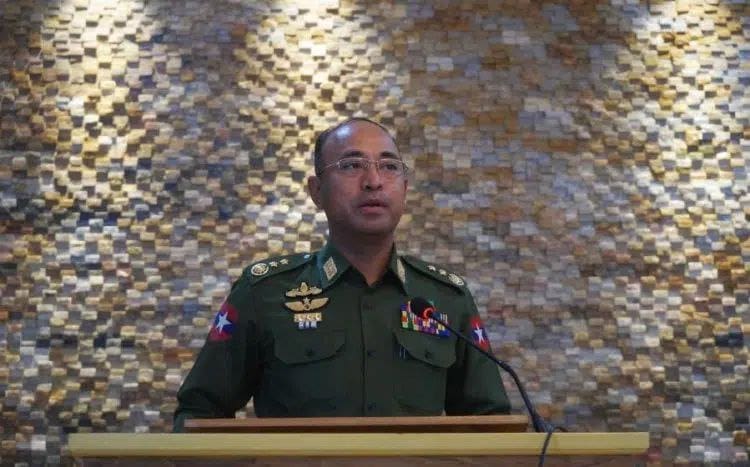
- Defeat of a Myanmar general linked to the campaign against the Rohingya: General "Aung Aung", linked to atrocities committed against the Rohingya, lost the parliamentary election in the city of Taunggyi in Shan State to "Nan Khin", a candidate of the National Unity Party, by a margin of more than 10,000 votes. Aung Aung is known for his former role as commander of Light Infantry Division 33, which led a deadly military campaign against the Rohingya in 2017, and he faces accusations of extrajudicial killing, rape and the destruction of Rohingya homes.
Uyghurs
Sons and daughters of East Turkestan in exile bring the voice of the Uyghurs to the whole world.
India
An video clip showing a police officer in Ghaziabad placing what appeared to be a smartphone on the back of a Muslim man, claiming it could "identify illegal immigrants," has sparked widespread outrage, prompting the district police to order an internal investigation. The clip, which spread widely across social media, shows the officer asking the man: "Are you a Bangladeshi? The device shows that you are, right?" The man replied that he is from Araria district in Bihar state. He has been identified as Mohammad Sadiq.
In a sharp response to the incident, the president of the All India Majlis-e-Ittehadul Muslimeen party, Asaduddin Owaisi, described it as a blatant example of sectarian bias, saying: "This is a clear model of hatred and prejudice. The victim's name is Mohammad Sadiq, and he is a resident of Araria, Bihar." Reports said the officer in question belongs to the Ghaziabad police, and that the incident occurred during what police later described as a "routine drive to enforce security control" in one of the slum areas.
Jammu and Kashmir
Indian party launches campaign to hunt Rohingya in Jammu and Kashmir: The Shiv Sena (UBT) party in Jammu and Kashmir launched a campaign on Saturday to hunt Rohingya and Bangladeshis residing illegally, and began field tours that included verifying identity documents of suspects.
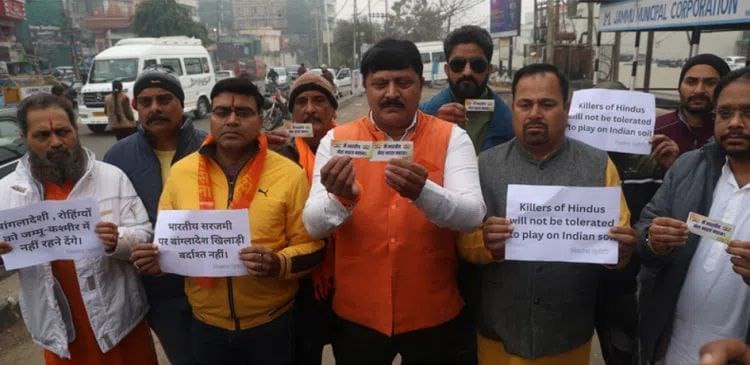
The party said a team of its leaders led by "Manish Sahni," the party's president in Jammu and Kashmir, carried out field tours that included verifying "Aadhaar" cards and other identity documents of suspected individuals, including street vendors in the Indira Chowk, bus station and Dogra Chowk areas of the city of Jammu. Sahni explained that if vendors cannot produce any identity document, the relevant police station is notified to take appropriate legal action, while if the documents are verified as valid, stickers of the "My Bharatiya – Mera Bharat Mahaan" campaign are affixed to the vendors' stalls and carts.
Last December, Jammu witnessed protests demanding that authorities take immediate measures to deport Bangladeshi citizens and Rohingya refugees residing illegally, alleging that they had obtained basic services such as water and electricity and live in temporary dwellings built on government land.
Last May, the administration of the Indian Union Territory of Jammu and Kashmir prevented 400 Rohingya children, classified as illegal immigrants from Myanmar, from enrolling in government schools, following an administrative decision not to admit them without official proof of identity, chiefly an Aadhaar card, which Indians hold, according to the Arakan News Agency.
Jammu police open inquiry into Kashmiri player over placing Palestinian flag on his helmet
Controversy erupted in Jammu after Kashmiri cricket player Furqan ul Haq Bhat (also known as Furqan Bhat), from Tangipora area in Pulwama district, placed the Palestinian flag or a symbol representing it on his helmet during a private cricket match held on 12 Rajab 1447 AH (1 January 2026 CE).
On 13 Rajab (2 January), police began a preliminary inquiry lasting fourteen days under Section 173(3) of the Bharatiya Nagarik Suraksha Sanhita (BNSS) at Domana police station. The inquiry aims to examine the facts, the player's motives, his background, and any possible links, given "the sensitivity of the matter and its potential repercussions on public order."
The Bharatiya Janata Party (BJP) in Jammu condemned the act. Senior leader and member of the Legislative Council R. S. Pathania described the incident as an attempt to promote a "subversive agenda" or as ignorance of India's position on the issue of Israel and Palestine, and called for a detailed investigation.
United States
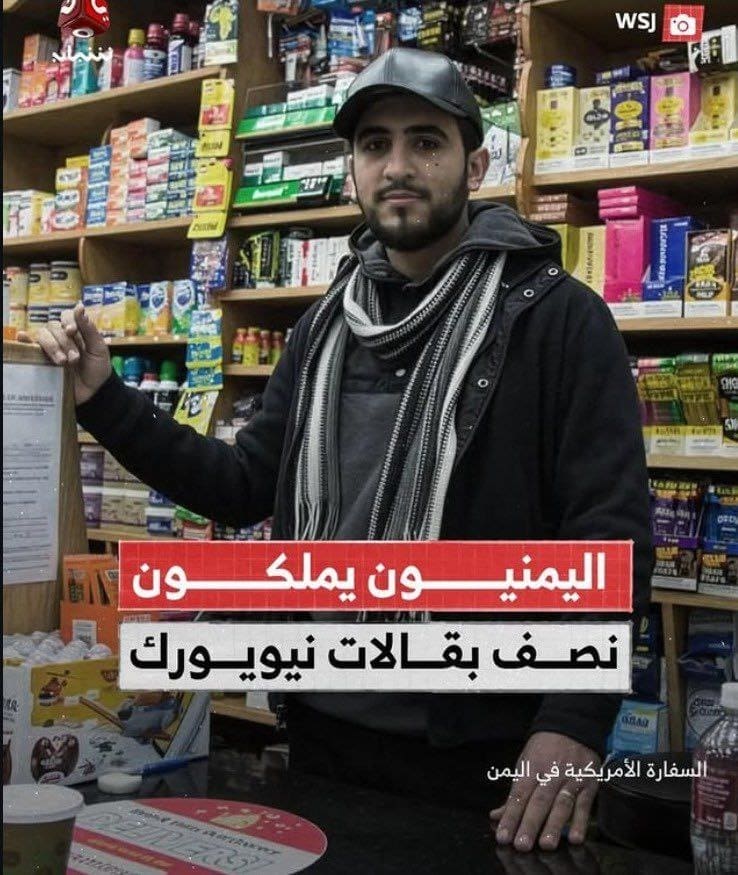
A statement issued by the US Embassy in Yemen said:
Americans of Yemeni origin own up to 50% of the grocery stores in New York, contributing to job creation and strengthening community spirit.
Italy
Italy arrests Palestinians on charges of financing Hamas through charities
Italian authorities arrested nine people from the Palestinian community, including the president of the Association of Palestinians in Italy, as part of investigations alleging that funds collected by licensed charitable organisations were channelled to support the Hamas movement. During an operation named "Domino," the Italian financial police announced the seizure of assets estimated at about 8 million euros, alleging that part of the humanitarian donations were diverted through three local charities.
Palestinian activists and human rights advocates believe these accusations, the investigations into which extend over more than two decades, are part of a broader trend to criminalise humanitarian work and solidarity with Palestinians, and to conflate humanitarian aid with political and security contexts.


