


If Edirne represented the moment when the Ottoman state moved from Anatolia into the Balkans, Constantinople represented the moment when the state transformed from a rising regional power into a great empire.
The city, known in Islamic sources as Constantinople, was one of the greatest cities of the ancient and medieval world, and the centre of the Byzantine Empire for more than a thousand years. Attempts to conquer it remained present in Islamic history from the earliest centuries, until Sultan Mehmed II, known as Mehmed the Conqueror, succeeded in taking it in 857 AH/1453 CE after a siege that lasted fifty-four days.
Yet the city's importance in Islamic history does not begin on the day it fell, nor does it end with its conquest. The Ottomans rebuilt it politically, architecturally and intellectually, and within the following decades turned it into one of the most important capitals of the Islamic world.
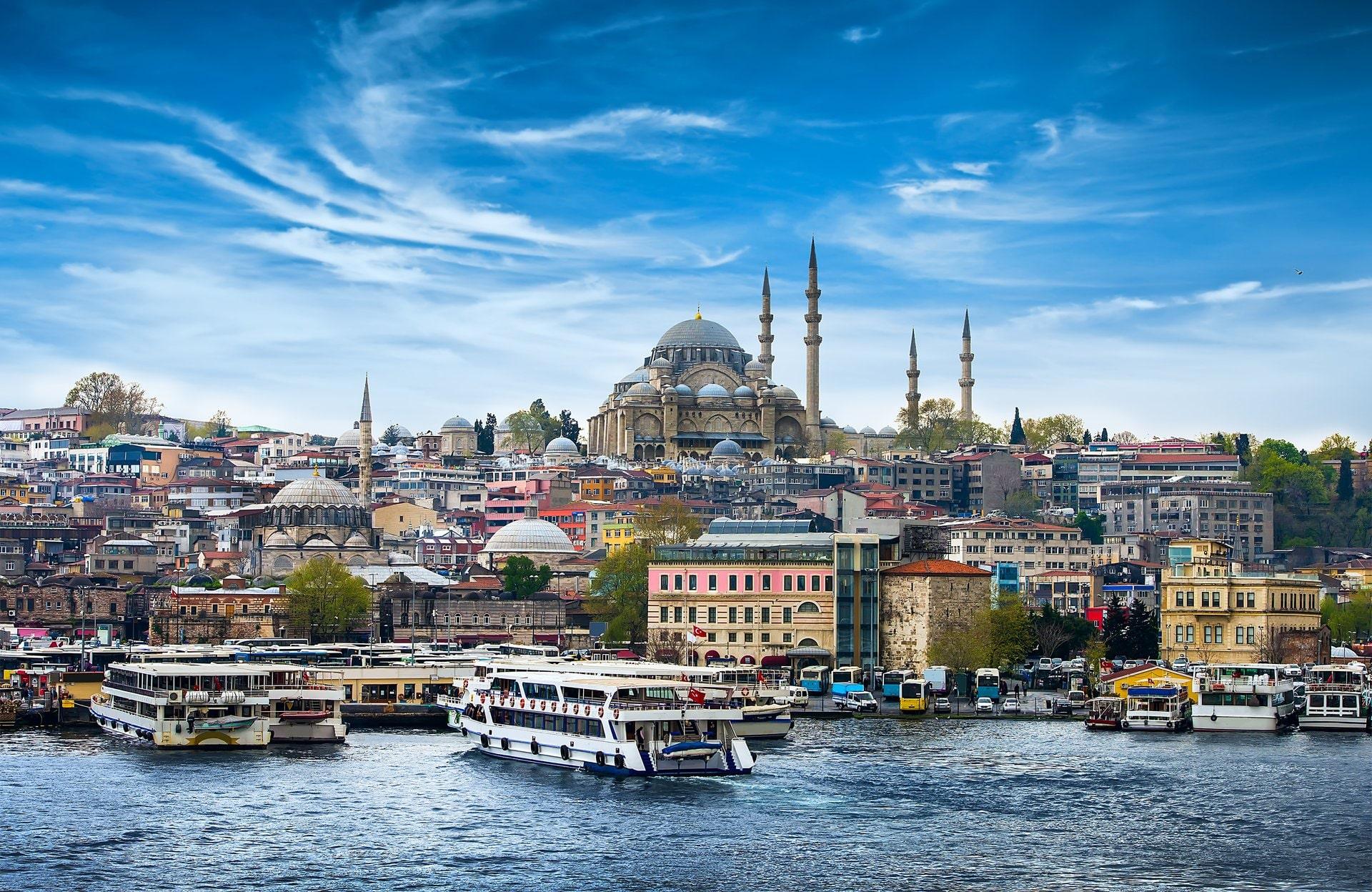
Constantinople: The City That Straddled Two Continents
Constantinople was founded on a site of great strategic importance at the Bosphorus Strait, where the sea and land routes between Europe and Asia meet.
The city became the capital of the Eastern Roman Empire from the fourth century CE, when the Emperor Constantine made it the new centre of the empire in around 330 CE.
From that date the city was associated with imperial authority, international trade, ports and massive walls.
For Muslims, Constantinople appeared early in the political and military memory of the Islamic state, and military attempts to reach it were made during the Umayyad and Abbasid periods. The Muslim siege of the city under Mu'awiya ibn Abi Sufyan was among the most well-known of those attempts.
The city then remained a recurring objective in Islamic memory up to the Ottoman era.
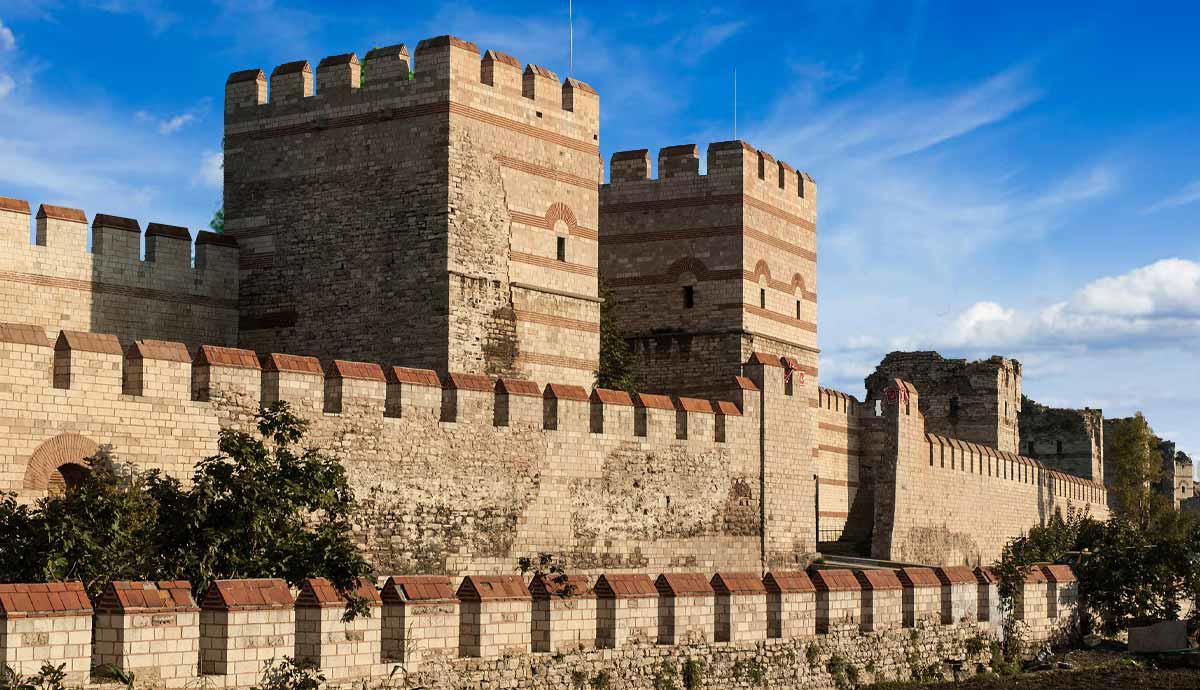
The Ottomans Approach Constantinople
Constantinople was not far from the Ottoman sphere when Mehmed II assumed the sultanate for the second time in 855 AH/1451 CE.
Ottoman territories surrounded it on several sides, while the Byzantine Empire retained only limited areas beyond the city.
Mehmed II understood that the city remaining outside Ottoman control posed a strategic problem for the state. The city lies almost at the heart of Ottoman lands, controls the sea passages between the Black Sea and the Sea of Marmara, and separates the parts of the state in Anatolia and the Balkans.
For this reason, from the first months of his reign, the sultan began preparing the project of conquest.
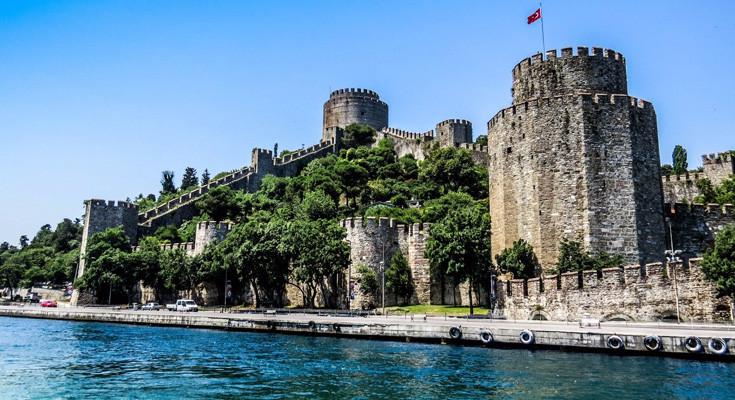
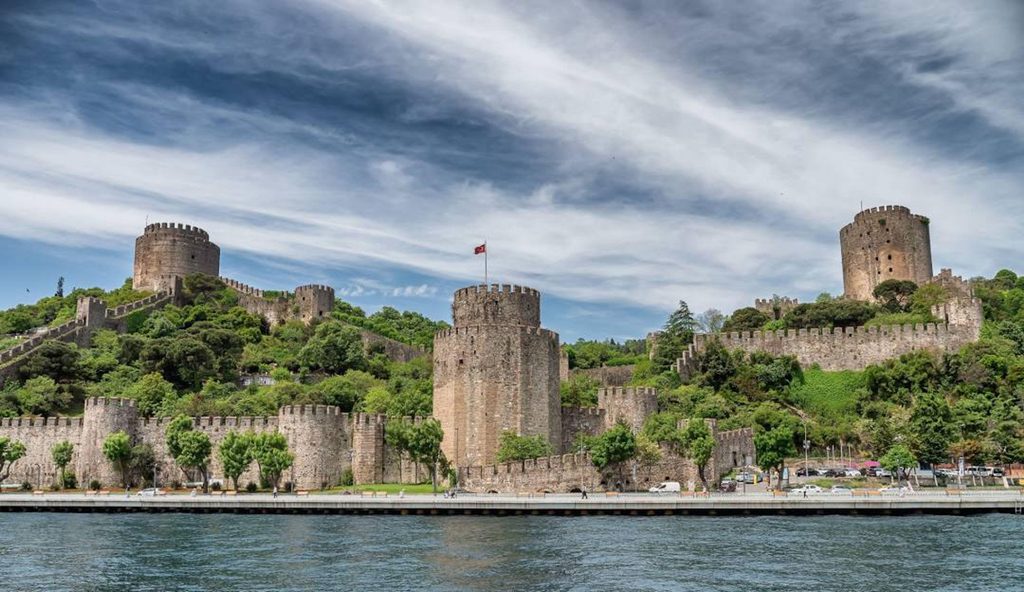
Rumeli Hisarı: Closing the Road to the City
The first major measure was the construction of Rumeli Hisarı as a blockade on the European side of the Bosphorus. Work on it began in 856 AH/1452 CE, and the construction was completed within a few months.
This fortification became part of the military plan that preceded the siege, alongside the preparation of artillery, the army and the navy.
At the same time, the Ottoman forces were reorganised, large numbers of soldiers were gathered, and huge cannons were prepared, which played a prominent role in bombarding the walls.
The Siege of 857 AH/1453 CE
The actual siege of Constantinople began on 26 Rabi' al-Awwal 857 AH, corresponding to 6 April 1453 CE, and lasted until 20 Jumada al-Ula 857 AH, corresponding to 29 May 1453 CE.
The Ottomans used artillery intensively, and batteries were set up opposite different sections of the walls, while the defenders tried to repair the damage caused by the projectiles.
At the same time, the Ottomans sought to gain control of the Golden Horn, whose entrance was protected by a huge iron chain that prevented ships from entering.
Faced with the difficulty of getting past the chain, Mehmed the Conqueror decided to transport a large number of ships overland along a prepared route, so that they could enter the Golden Horn from another direction.
This manoeuvre was part of the growing pressure on the city from land and sea.
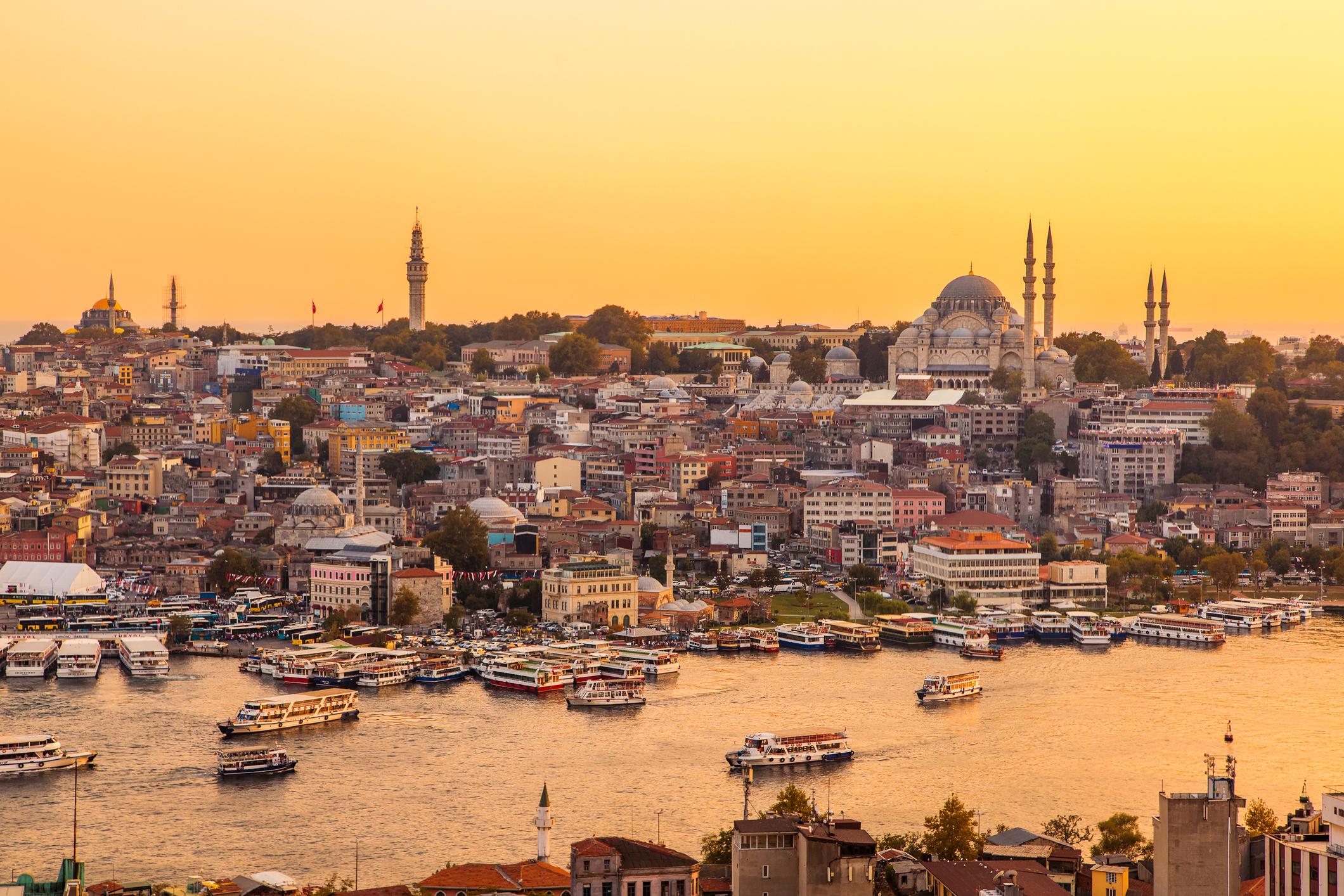
29 May 1453 CE: The Fall of Constantinople
At dawn on 20 Jumada al-Ula 857 AH, corresponding to 29 May 1453 CE, the final Ottoman assault began.
The fighting concentrated on sections of the land walls, and Ottoman soldiers managed to enter the city after breaching the defences.
The Byzantine Emperor Constantine XI was killed during the fighting, and with that the existence of the Byzantine Empire as an independent state came to an end.
That moment marked the beginning of an entirely new phase: the Ottomans were no longer merely a force besieging Constantinople, but had become the masters of the city and the seat of the former Byzantine Empire.
From Constantinople to Ottoman Istanbul
The most important decision after the conquest was to make the city the centre of the state. On 30 May 1453 CE, Mehmed the Conqueror began measures to stabilise order within the city, and then declared it the capital of the Ottoman state.
By that time the city had suffered from the siege and war, and its population had declined during the preceding decades. The sultan therefore began a broad project to rebuild it and resettle its population.
The aim was not merely to repair what had been destroyed, but to rebuild a new imperial city.
Inhabitants were brought in from various regions, markets and quarters were reorganised, and religious, educational and charitable institutions were established. Thus began the transition from Byzantine Constantinople to Ottoman Istanbul.
Mehmed the Conqueror and the Building of the New City
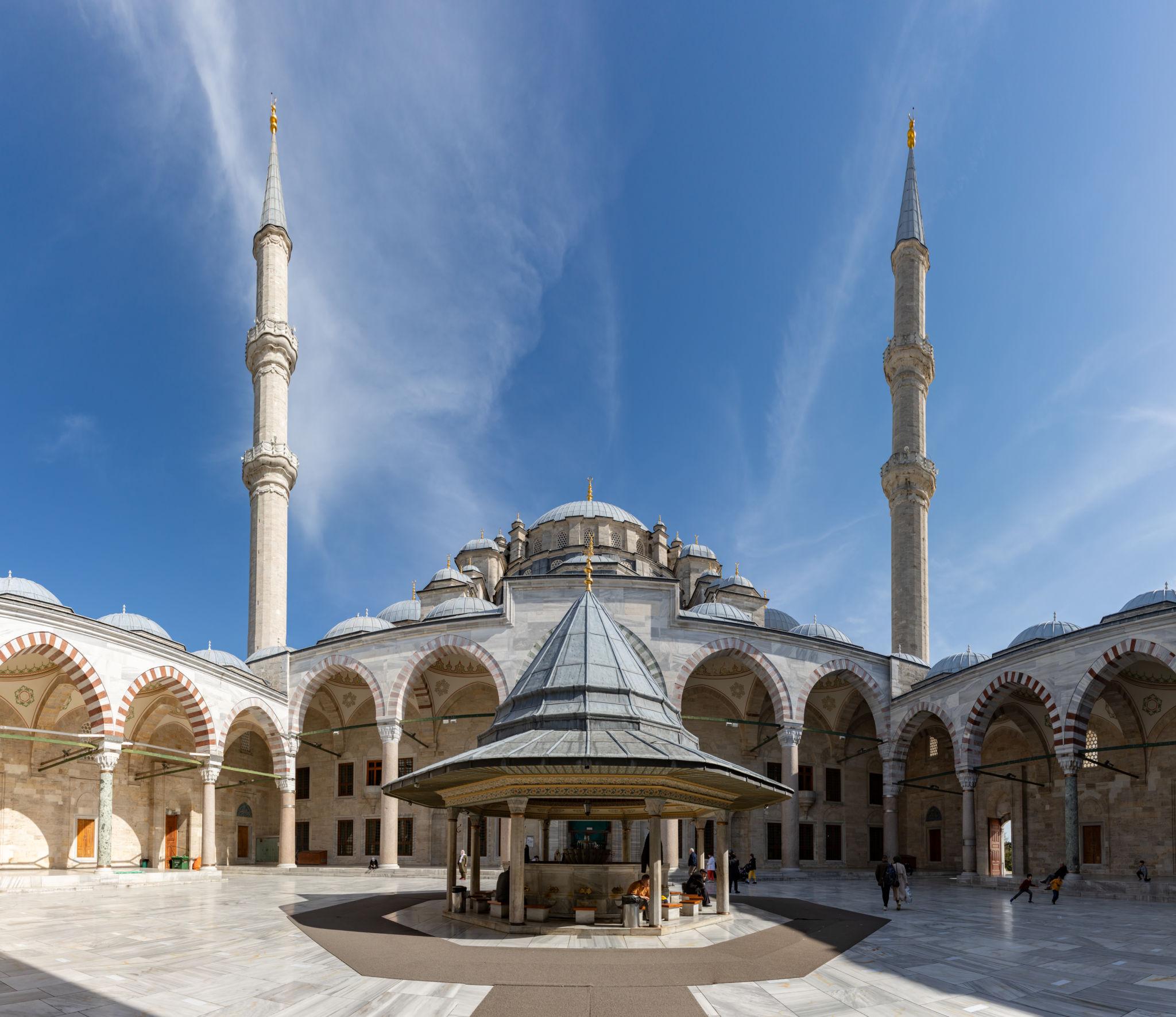
Mehmed the Conqueror established his complex known as the Fatih Complex in the area he chose to become a new religious and scholarly centre.
The complex included a mosque, schools, and charitable and service facilities, and became one of the most prominent scholarly institutions in the Ottoman capital.
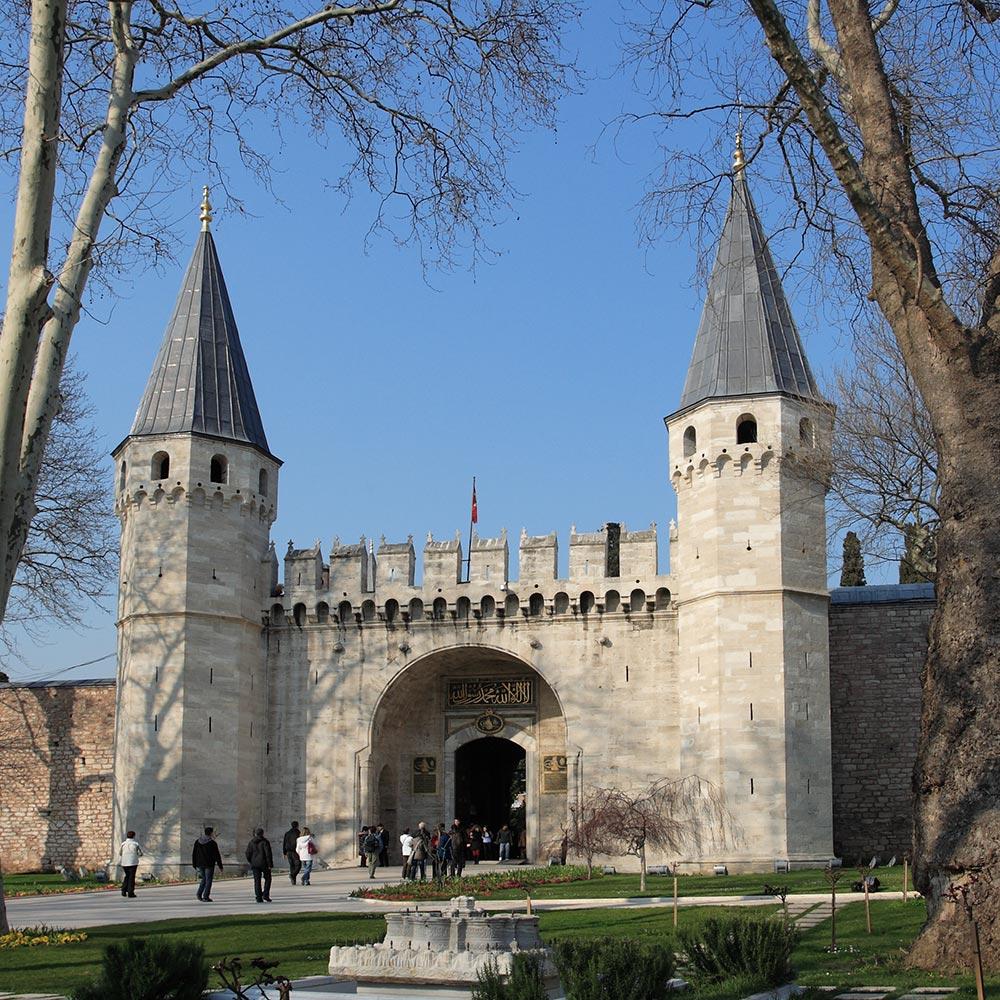
Construction also began on the new palace that was later known as Topkapı Palace, within the area enclosed by the imperial walls, and it became the seat of government and sultanic administration.
The palace was not merely a residence; it gradually became the political and administrative centre of the state, associated with the Divan, the officials and the institutions of government.
At the same time, markets and khans expanded, and the city began to regain its international commercial function.
Istanbul and the Institution of Learning
After the conquest, Istanbul became an important scholarly centre in the Islamic world. Mehmed the Conqueror founded the schools attached to his complex, brought in scholars and teachers, and linked the new capital to the network of learning in Anatolia and the wider Islamic world.
In the tenth century AH, Istanbul became a centre for leading scholars in jurisprudence, hadith, exegesis, language, astronomy and medicine.
Among the most renowned of them was Abu al-Su'ud al-Imadi, who held the office of Shaykh al-Islam during the reign of Sultan Suleiman the Magnificent, and had a major influence on jurisprudence, the judiciary and religious administration.
The libraries of palaces, schools and mosques also became centres for preserving manuscripts and transmitting knowledge.
From Mehmed the Conqueror to Suleiman the Magnificent
The process of building the city did not stop with Mehmed the Conqueror. During the reign of Bayezid II, the network of complexes and charitable institutions expanded, and Ottoman architecture in Istanbul reached a prominent stage during the tenth century AH/sixteenth century CE.
Sultan Suleiman the Magnificent was among the most prominent rulers who reshaped the city architecturally.
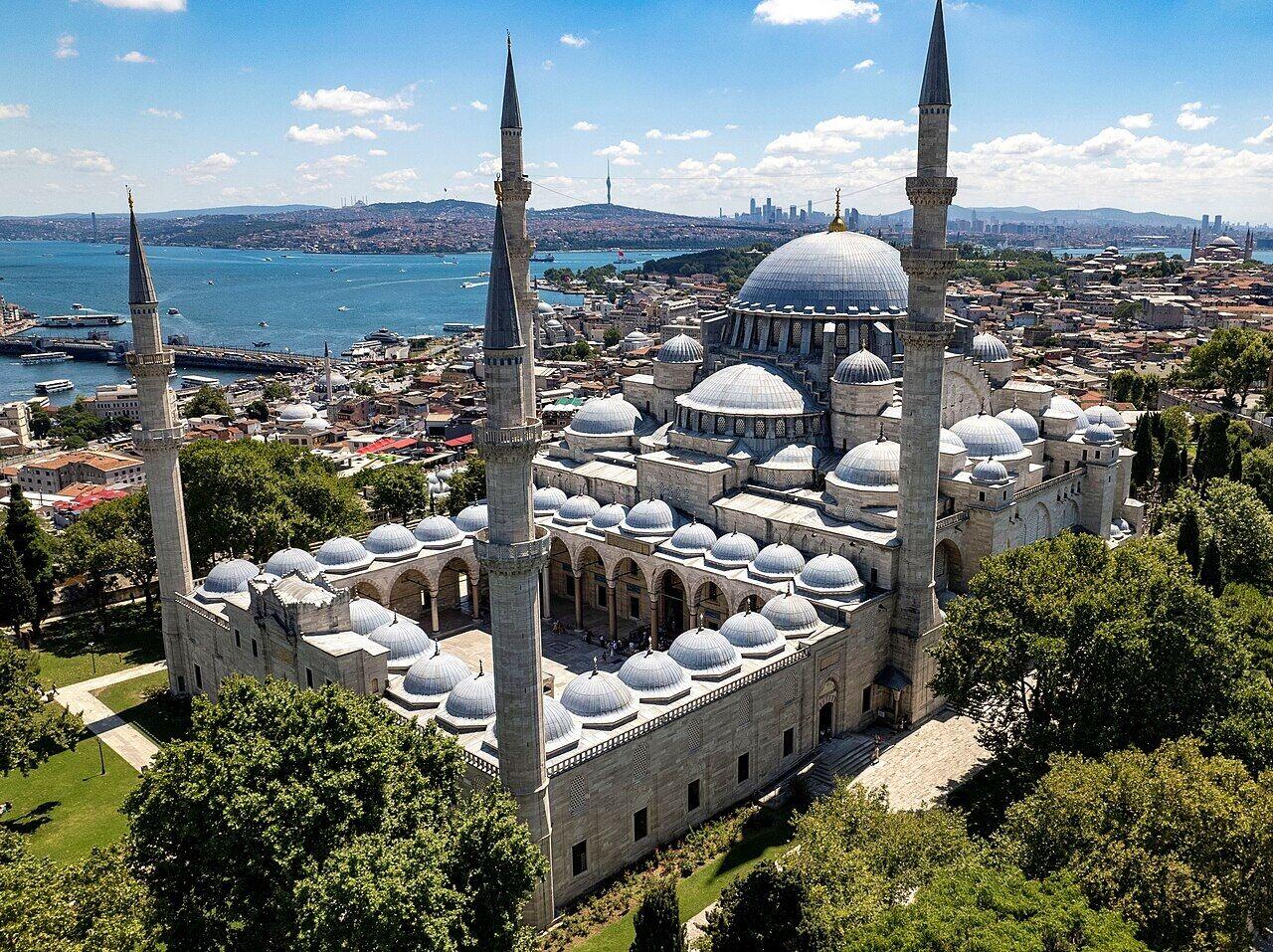
During his reign the architect Sinan built the Süleymaniye Complex between 957 and 964 AH/1550 and 1557 CE approximately, and the complex became one of the most important landmarks of Istanbul.
The Süleymaniye was not only a mosque; it included schools and charitable and service facilities, embodying the model of the integrated Ottoman complex.
Hagia Sophia and the Ottoman Mosque
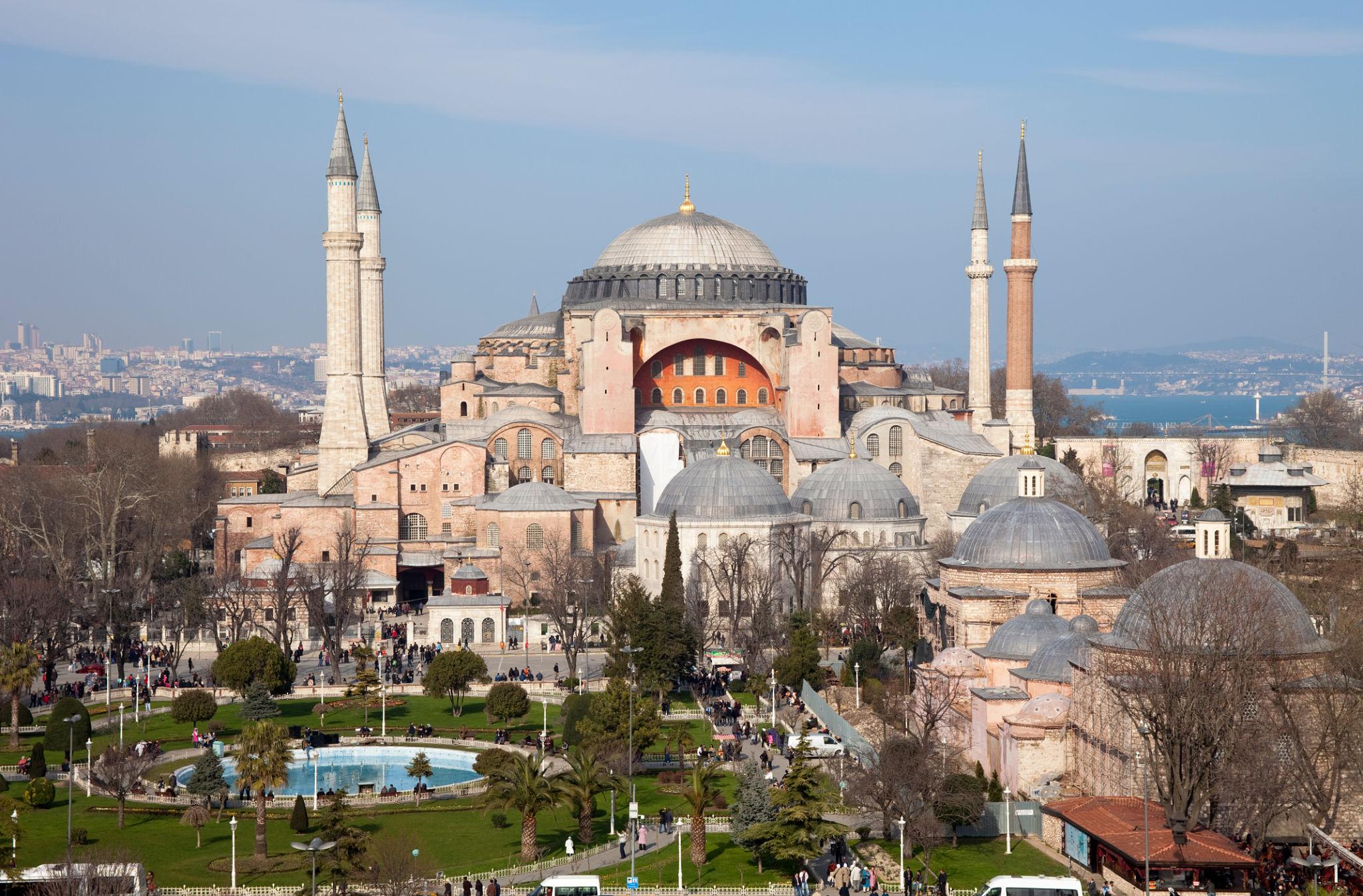
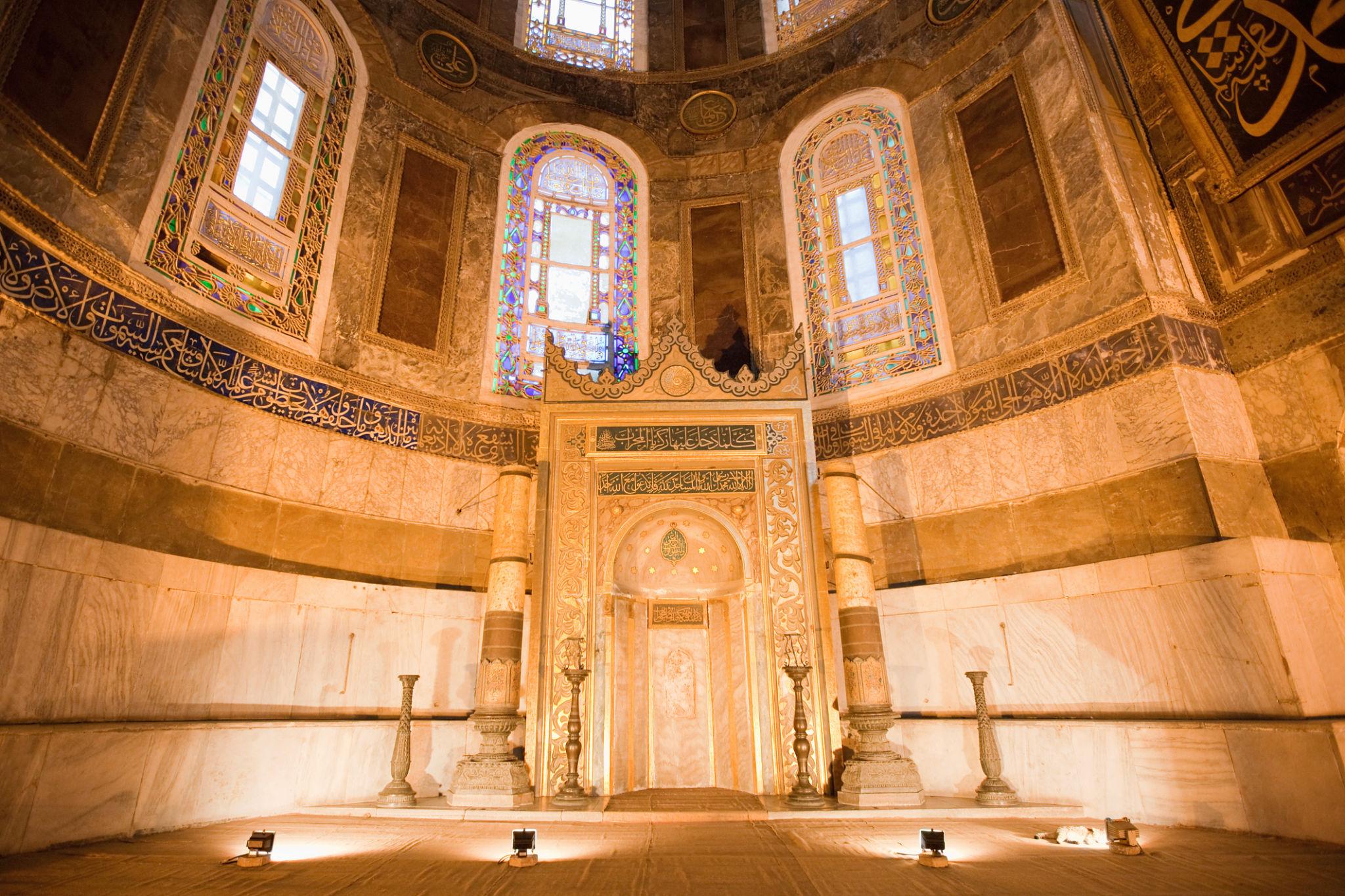
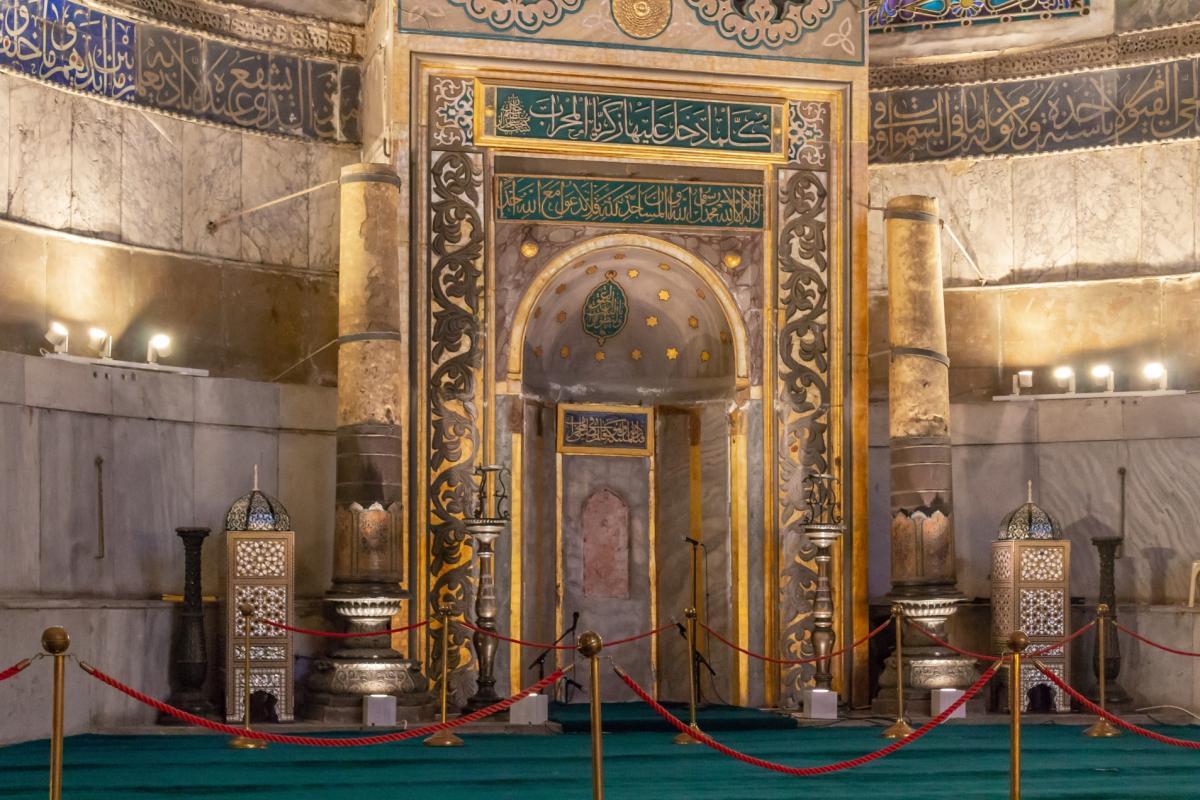
Hagia Sophia held a special place in the city's history. After the conquest in 857 AH/1453 CE it became a congregational mosque, and Islamic architectural elements were later added in various stages, including minarets, buttresses and structures associated with the mosque.
Over time Hagia Sophia became part of the Islamic architectural landscape of Istanbul.
But the city did not rely on a single building. It was filled with great mosques, such as the Fatih Mosque, the Bayezid Mosque, the Şehzade Mosque, the Süleymaniye, and then the Sultan Ahmed Mosque in the eleventh century AH/seventeenth century CE.
Thus domes and minarets became part of the urban skyline that characterised Ottoman Istanbul.
Istanbul: The Heart of Global Trade
The city's location between the Black Sea and the Mediterranean was among the greatest sources of its economic strength.
Its ports, markets and khans made it a centre of trade between Europe, Anatolia, the Black Sea and the Islamic world.
The Grand Bazaar and the surrounding markets became part of a vast economic network, while the khans played a role in receiving merchants, storing goods and organising commercial activity.
The state imposed an administrative system on markets and crafts, while endowments (waqf) contributed to financing mosques, schools, soup kitchens and public facilities. Thus the economy, architecture, endowments and religious institutions intertwined in shaping the city.
Istanbul and the Islamic World
After the conquest, Istanbul became the centre of the Ottoman Empire, and as the state expanded the city became a point of contact between broad regions of the Islamic world.
Scholars, jurists and students arrived from Anatolia, the Balkans, the Levant, Egypt, the Hijaz and Iraq, and books and manuscripts reached it from various centres of learning.
In the Ottoman period the office of Shaykh al-Islam, the courts, the imperial schools and the endowment institutions became part of a broad administrative and scholarly system.
Istanbul thus gained its standing as a political, scholarly and cultural capital at the same time.
Istanbul After the Age of the Conqueror
The city continued to expand in the following centuries. In the eleventh century AH/seventeenth century CE the Sultan Ahmed Mosque appeared, and in later centuries new palaces, structures and markets were added.
The city also witnessed major developments in the later Ottoman period, and new architectural styles entered it as a result of growing contact with Europe.
Nevertheless, the Ottoman Islamic character remained evident at the heart of the city, from mosques and complexes to markets, khans, baths, schools and cemeteries.
Landmarks of Istanbul
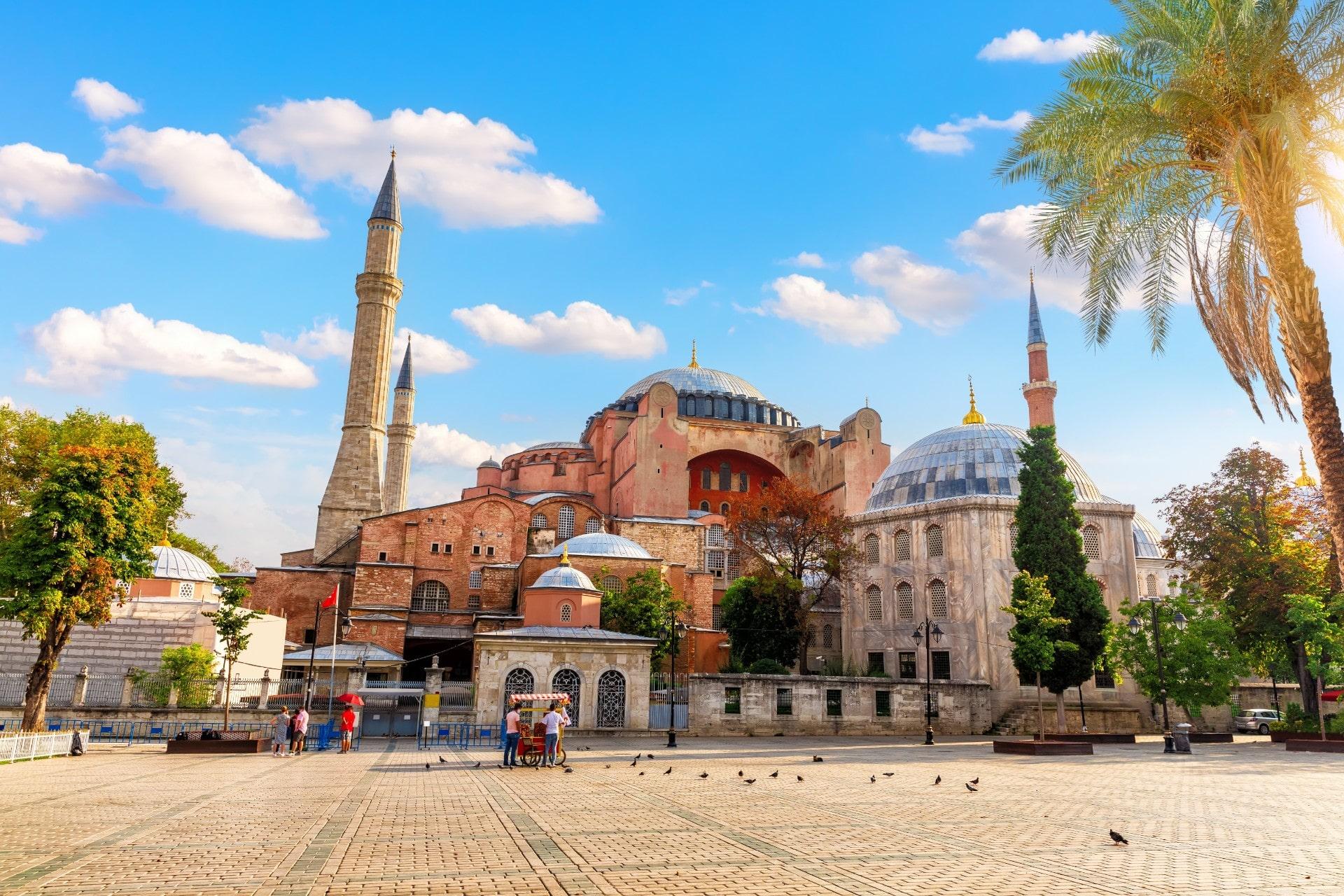
Today Istanbul retains architectural layers that reveal its long history. In the Fatih district traces of the early Ottoman city appear, and in the Sultanahmet area Hagia Sophia, the Blue Mosque and Topkapı Palace stand side by side, while the Süleymaniye Complex represents one of the most important phases of classical Ottoman architecture.
The historic walls, the Golden Horn, the Bosphorus and the old markets remain essential elements for understanding the city's location and role.
Yet what has remained most important is not the buildings individually, but the model of the city itself: a great imperial capital, a scholarly centre, an international port, and a city of mosques, schools, endowments and markets, shaped over centuries of Islamic Ottoman history.


