

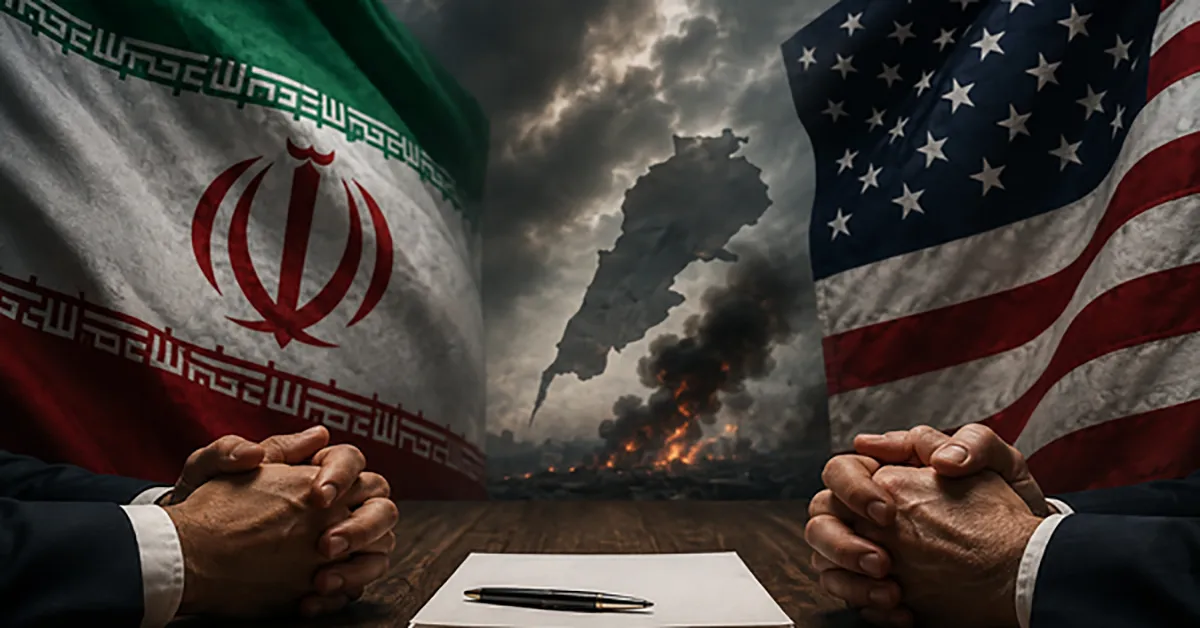
Intensive Diplomatic Efforts to Reach an Agreement Between Washington and Tehran: Divisions Within the Trump Administration Over the War on Iran
Diplomatic efforts aimed at reaching an agreement between the United States and Iran continue, amid mediation led by Qatar and Pakistan and indications of movement toward resuming indirect negotiations between the two sides. At the same time, the administration of U.S. President Donald Trump is divided over the future of the confrontation with Tehran, between a current that favours giving diplomacy a chance and another that calls for continued economic and military pressure.
In this context, the State of Qatar affirmed that its mediation efforts between Washington and Tehran are continuing, and denied the accuracy of statements attributed to the Qatari prime minister regarding the failure of the negotiations. It stressed that efforts to bring positions closer and reach an understanding that ends the escalation are ongoing.
J.D. Vance Takes Part in Indirect Talks Between Washington and Tehran
The U.S. news site Axios reported, citing two informed sources, that U.S. Vice President J.D. Vance took part in indirect talks with Iran that addressed the possibility of reaching a ceasefire and resuming negotiations between the two sides.
According to the sources, Vance held discussions with mediators from Qatar and Pakistan on the possibility of holding a meeting at the level of experts, as part of efforts to create conditions for resuming the negotiating track.
These contacts coincide with growing readiness on the part of President Donald Trump to give room to diplomatic efforts, which opens the door to discussing a possible agreement with Tehran amid continuing regional mediation.
Qatar and Pakistan Lead Mediation Efforts Toward an Agreement
Qatar and Pakistan are continuing their diplomatic efforts to bring positions closer between the United States and Iran, seeking a formula for understanding on a ceasefire and a return to the negotiating table.
Mediation is of particular importance given the continued gap between the two sides' positions and the need for understandings on the disputed files that prevent the direct resumption of negotiations.
Also read: The "Abrahamic" Movement and Its Syrian Branch: A Reading of the Normalisation Project
In this framework, reports indicated the possibility that Iranian officials would return to the Qatari capital, Doha, within days, and perhaps today, to continue consultations on a possible agreement with the American side.
Division Within the Trump Administration Over Ending the War on Iran
On the other hand, the Wall Street Journal, citing a White House official, reported that President Donald Trump is in no hurry to decide on Iran, amid differing positions within his administration and between his advisers and allies on the options before him.
According to the newspaper, the disagreement concerns two main paths: first, ending the war and giving political negotiations a chance; and second, resuming military strikes and continuing pressure on Tehran.
The newspaper also reported, citing officials, that U.S. Secretary of State Marco Rubio and the Treasury Secretary are moving toward tightening economic sanctions and maintaining the blockade imposed on Iran, as instruments of pressure in dealing with Tehran.
Also read: Working in the Cause of God: Reward and Sincere Intention, Not Reputation and Showing Off
This divergence reflects a difference in assessing the options available to the American administration: relying on the diplomatic track to reach an agreement, or keeping economic and military pressure tools in place during negotiations.
Proposal to Shorten U.S.–Iran Negotiations From 60 Days to Two
Among the most notable developments reported by the Wall Street Journal is a proposal to reduce the duration of talks between the United States and Iran from 60 days to just two days.
The proposal comes in the context of efforts to speed up reaching understandings and to shorten the time needed to settle the files on the negotiating table.
If agreed upon by the two sides, this approach would place the negotiations on an intensive timetable, requiring the disputed issues to be resolved within a short period, amid the continuation of Qatari and Pakistani mediation.
The Future of U.S.–Iranian Negotiations Between Diplomacy and Escalation
Current diplomatic movement between Washington and Tehran places the region at an important stage, as efforts continue to achieve a ceasefire and prevent the confrontation from widening.
While Qatar and Pakistan move to bring positions closer, the stances of the American administration remain a factor influencing the course of negotiations, particularly as officials continue to differ over ending the war or maintaining pressure on Iran.
The return of Iranian officials to Doha and the possibility of holding a meeting at the level of experts remain the most anticipated stages in the mediation process, amid anticipation of what contacts may yield regarding an agreement that puts an end to the escalation and opens the way to a political settlement between the two sides.


