


Concerns are growing within US military and medical circles about the long-term effects of the war with Iran, after official reports revealed that hundreds of American soldiers have sustained brain injuries as a result of Iranian drone and missile attacks, while the military has tightened cybersecurity measures to prevent the leak of information that Tehran could exploit.
According to data issued by the US Department of Defense (the Pentagon) and US Central Command (CENTCOM), more than 600 US servicemembers have been injured since the war broke out on 28 February 2026. Estimates indicate that blast-related brain injuries account for the largest share of these injuries, although many soldiers returned to service after receiving initial treatment.
Drones Pose New Challenges
Neurology experts believe that Iran's intensive reliance on suicide drones has changed the nature of the threat facing US forces. These drones often explode over their targets, increasing the exposure of the head and upper body to blast waves and raising the likelihood of brain injuries whose symptoms may not appear immediately.
Specialists stress that these injuries are among the most complex war-related injuries, as they can lead to cognitive and psychological disorders that persist for years, even in cases that appear minor at the time they occur.
Concerns Over Long-Term Effects
Although the Pentagon has announced that most of those injured have returned to their duties, researchers warn that brain injuries may leave chronic effects that require lifelong medical care.
Data from the US Department of Defense indicate that approximately 500,000 blast-related brain injuries were recorded among US military personnel between 2000 and 2025. Specialists are calling for increased research funding, after the budget for brain injury research fell from $175 million in 2024 to $40.5 million in 2026.
US forces have also begun using portable devices that rely on blood sample analysis to rapidly detect indicators of brain injury, in an attempt to speed up diagnosis and identify cases that require specialised treatment.
Tighter Restrictions on Mobile Phones
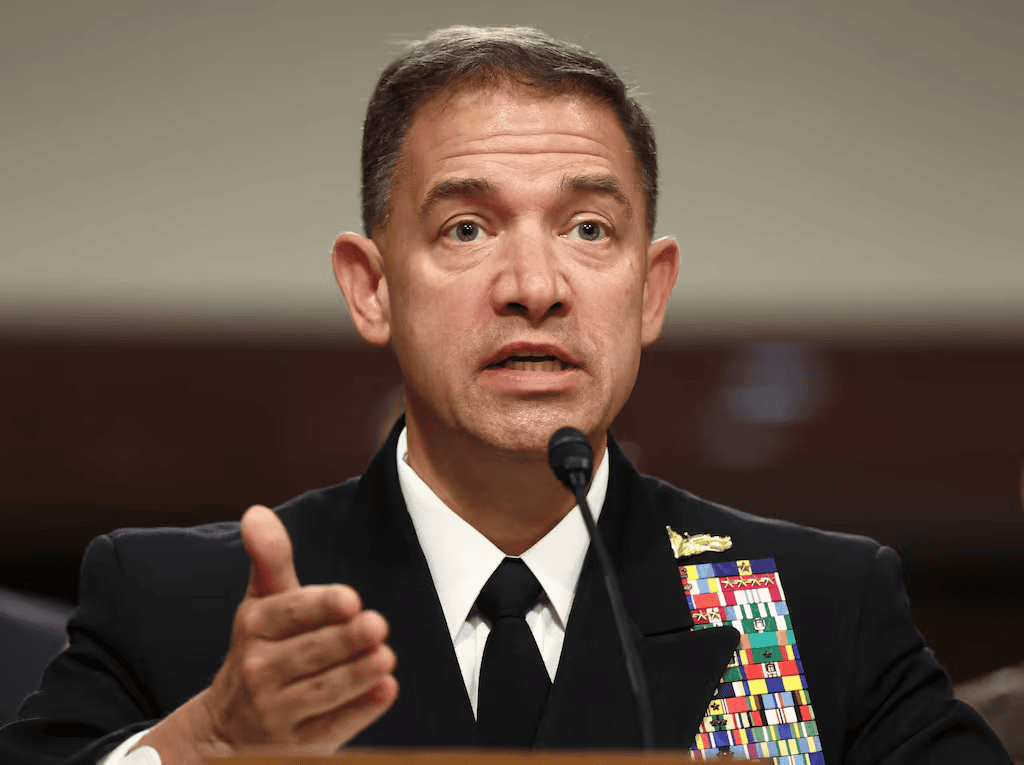
At the same time, Reuters revealed that US Central Command warned soldiers against using mobile phones and posting photos or videos from military bases, after it became clear that Iran is making use of material published online to assess the results of its attacks and to identify its targets more precisely.
According to a message sent by the commander of CENTCOM, Admiral Brad Cooper, photos and videos posted by soldiers or the media help Iran learn how successful its strikes have been, which could pave the way for new and more accurate attacks.
A War Revealing New Challenges
Experts see the current war as a new model of modern conflict, in which drone attacks intersect with the widespread use of smartphones and social media. This poses unprecedented challenges at both the military and medical levels and increases the need to develop tools for diagnosing brain injuries and to strengthen operational security measures within US forces.


