


Testimonies from doctors and Palestinian health data reveal an alarming rise in rates of miscarriage, premature births and congenital malformations in the Gaza Strip, amid the continuing repercussions of the Israeli war that broke out on 7 October 2023, and the accompanying widespread bombardment, mass displacement, collapse of the health system and acute food crisis.
Data from the Palestinian Ministry of Health also recorded 3,958 cases of miscarriage during the first half of 2026, figures that doctors said do not reflect the true scale of the crisis, given that many women are unable to reach hospitals and cases are difficult to document within the displacement camps spread across the Strip.
War and Health Deprivation
Specialists in obstetrics and gynaecology believe that the rise in miscarriage rates is not due to a single cause, but to a set of factors directly linked to the conditions of war.
Doctors affirm that a large proportion of pregnant women in Gaza suffer from severe anaemia and malnutrition, alongside the spread of infectious diseases, water contamination, and the deterioration of sanitation services, as well as the continuous psychological pressure resulting from bombardment, displacement and fear.
The Integrated Food Security Phase Classification (IPC) report also warned that around 1.4 million people in Gaza face critical or worse levels of food insecurity until the end of 2026, while nearly 25,000 pregnant and breastfeeding women need urgent nutritional support.
Specialists say these conditions combined weaken the ability of pregnant women to carry their pregnancies to term, and may also increase the likelihood of premature birth and health complications for foetuses.
The Suffering of Displaced Women
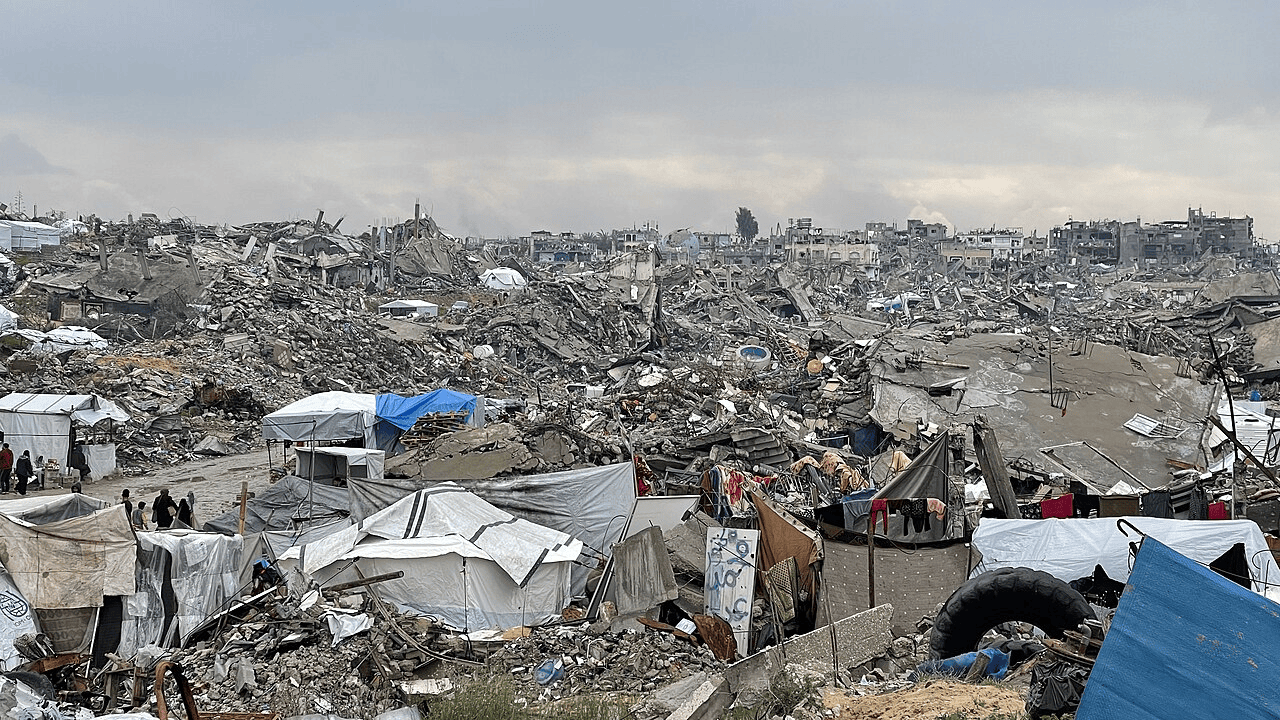
The stories of displaced women reflect the scale of the daily suffering endured by pregnant women in the Strip, as many are forced to cover long distances on foot to reach hospitals due to destroyed roads and the absence of transport.
Women who have lost their pregnancies say they live in tents lacking the most basic necessities of life, amid high temperatures, overcrowding, a shortage of food, and the continuing sound of shelling and drones. They view these conditions as having left deep psychological and physical effects during pregnancy.
The collapse of the economic situation has also led most families to rely on limited food aid, at a time when fresh fruit, vegetables and meat have become out of reach for the majority of the population.
Premature Births and Congenital Malformations
The crisis is not limited to the rise in miscarriage rates. Doctors point to a noticeable increase in cases of very premature births, in addition to an alarming rise in congenital malformations among some newborns.
The United Nations Children's Fund (UNICEF) stated in an earlier report that around one in every five babies born in Gaza needed intensive care or incubators, as a result of maternal malnutrition, chronic psychological stress and weak pregnancy follow-up services.
Doctors also spoke of repeated cases of severe congenital malformations being recorded, at a time when hospitals suffer from an acute shortage of intensive care beds for premature infants, reducing their chances of survival.
A Worsening Humanitarian Crisis
Doctors and health officials believe that the continuation of the war and its humanitarian repercussions threaten the health of mothers and children in both the short and long term, amid fears that the current environmental and health conditions could have long-lasting effects on future generations.
They affirm that improving the survival prospects of pregnant women and their children requires halting the deterioration of the humanitarian situation, ensuring the delivery of food and medical aid, and rehabilitating health services, so as to make the necessary care available to pregnant women and newborns.


