


The US Commission on International Religious Freedom has called on US President Donald Trump to raise the issue of religious violations in China, foremost among them the treatment of the Uyghurs and other Turkic Muslims in East Turkestan, directly with Chinese President Xi Jinping during the anticipated US-China summit in Washington.
In a statement issued on Friday, 18 September 2026 (7 Rabi al-Thani 1448 AH), the Commission said the summit scheduled for 24 September should address what it described as "systematic, continuous and grave violations" of freedom of religion and belief in China.
The Commission singled out the Uyghurs and other Turkic Muslim peoples, and Commissioner David Anderson said the Chinese Communist Party, led by Xi Jinping, has carried out what he described as a "campaign of genocide" against them, alongside policies targeting other religious groups across China. This characterisation is the Commission's own, while Beijing rejects international accusations concerning human rights violations in East Turkestan.
The Commission also pointed to the Law on Promoting Ethnic Unity and Progress, which entered into force in China in July 2026, arguing that it expands the legal framework authorities use to impose Communist Party policies on ethnic and religious groups. It said the law has raised international concerns and questions from United Nations Special Rapporteurs and members of the US Congress.
Hundreds of thousands remain in prisons
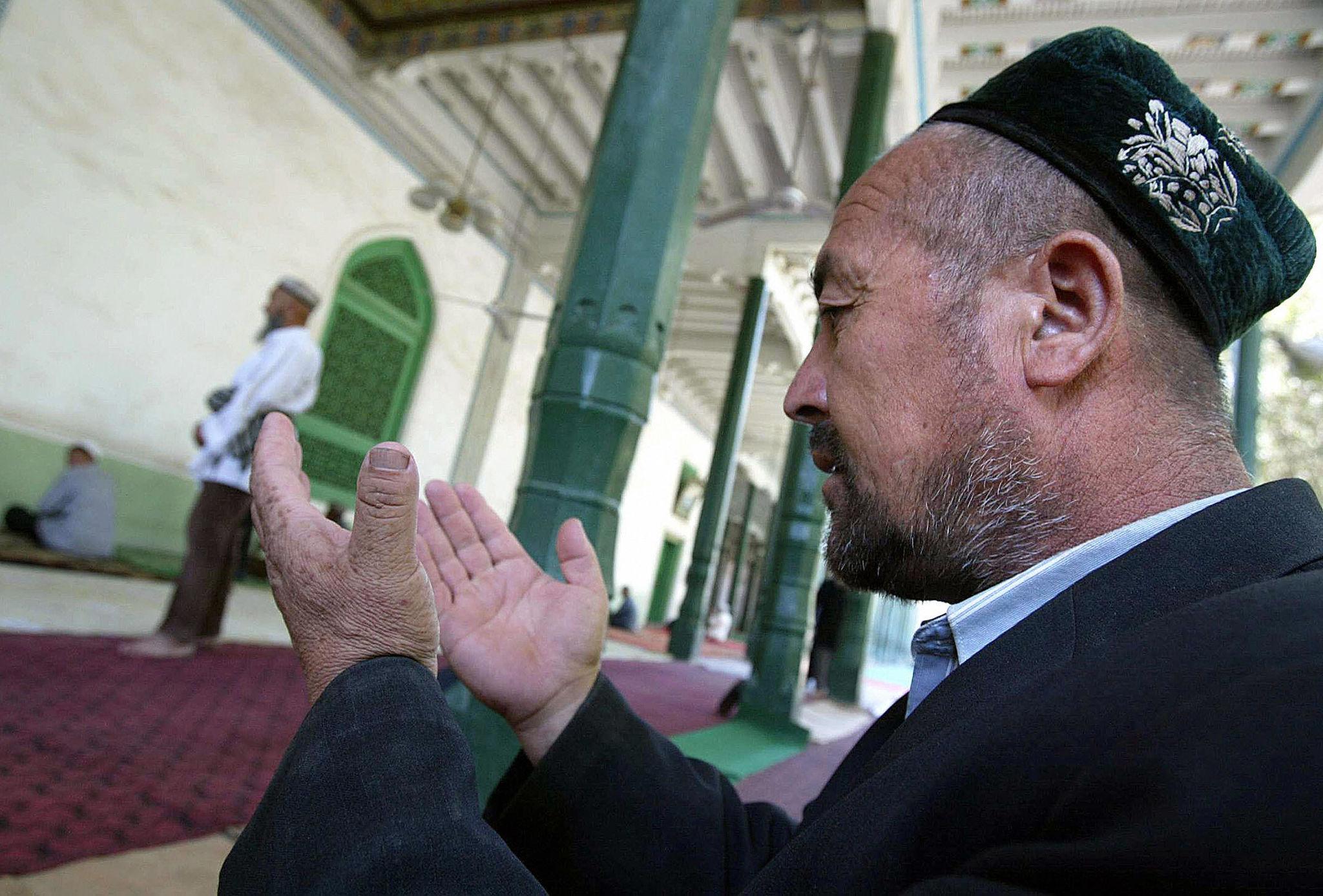
The US call comes weeks after a recent report by Human Rights Watch, which said the broad crackdown targeting the Uyghurs and other Turkic Muslims in East Turkestan continues nearly a decade after it intensified.
The organisation said the available evidence indicates the continuation of widespread arbitrary detention, unfair imprisonment, mass surveillance, the erasure of cultural and religious expression, restrictions on travel and communication, and pressure on Uyghurs living outside China.
According to the organisation, hundreds of thousands of Uyghurs and other Turkic Muslims remain in prison, based on the official figures available, although some of the "political education" camps in which large numbers of Uyghurs were held at the height of the detention campaign appear to have been closed.
Among the figures who remain imprisoned, according to the report, are academic Ilham Tohti, researcher of Uyghur heritage Rahile Dawut, doctor Gulshan Abbas, writer Yalqun Rozi, and businessman Ekpar Asat.
The detention campaign reached its peak after security measures escalated in East Turkestan from 2016. Human rights estimates indicate that around one million Uyghurs were subjected to arbitrary detention in camps the authorities called education and training centres, before repression in later stages shifted to long prison sentences and other forms of surveillance and control.
Human Rights Watch also said Uyghurs abroad still face difficulties communicating with relatives inside East Turkestan, while it documented transnational pressure targeting individuals from the Uyghur diaspora and activists living outside China.
The UN Office of the High Commissioner for Human Rights concluded in its 2022 report that the serious violations committed in East Turkestan may amount to crimes against humanity. In February 2026, UN High Commissioner for Human Rights Volker Türk expressed regret that China had not followed up on previous recommendations or on the question of accountability.
The new US statement brings the issue of the Uyghurs and religious freedom in East Turkestan back to the forefront of relations between Washington and Beijing ahead of the anticipated summit, after years of international reports documenting mass detentions and restrictions on the religion, culture, language and social life of Uyghur Muslims.
Observers believe Washington is using the East Turkestan file as a pressure card in its rivalry with China, rather than out of concern for the rights of Muslim minorities.


