


The Pakistan-administered Kashmir region, officially known as Azad Jammu and Kashmir (AJK), is witnessing one of the largest popular protest movements in recent decades. Demands rooted in economic grievances over rising electricity and flour prices have grown into a broader movement criticising the way the region is governed and its relationship with the central government in Islamabad.
For years, international attention has focused on the Indian-administered part of Kashmir, where the armed conflict, military deployment and tensions between India and Pakistan have dominated the spotlight. Recent developments on the Pakistani side, however, have revealed a different internal crisis: one concerning political representation, unemployment, public services and a sense of marginalisation.
From a Cost-of-Living Crisis to a Broad Political Protest
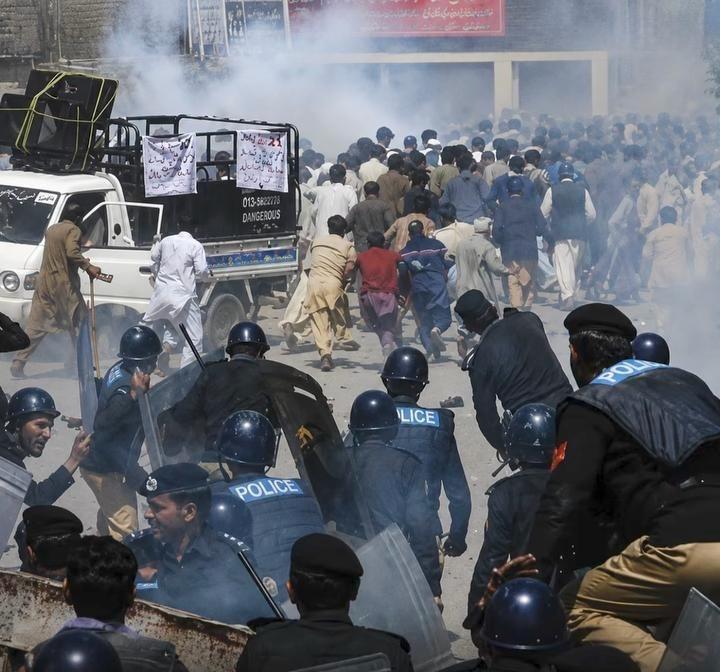
The protests began primarily over rising electricity bills, flour prices and taxes, but they quickly expanded into a movement demanding deep political reforms.
The movement is led by the Joint Awami Action Committee (JAAC), a coalition that includes traders, lawyers, students, civil society activists and local figures, and that has emerged outside the framework of the traditional parties.
Supporters of the movement argue that the political parties operating in the region have become closely tied to Islamabad and no longer reflect the daily concerns of the population.
This shift reflects a change in the nature of political discourse among a new generation in the region, where the priority is no longer only the historical conflict between India and Pakistan but has become linked to domestic questions: Who governs? How are resources distributed? And do the people possess their own political decision-making?
Unemployment and Poverty Fuel Public Anger
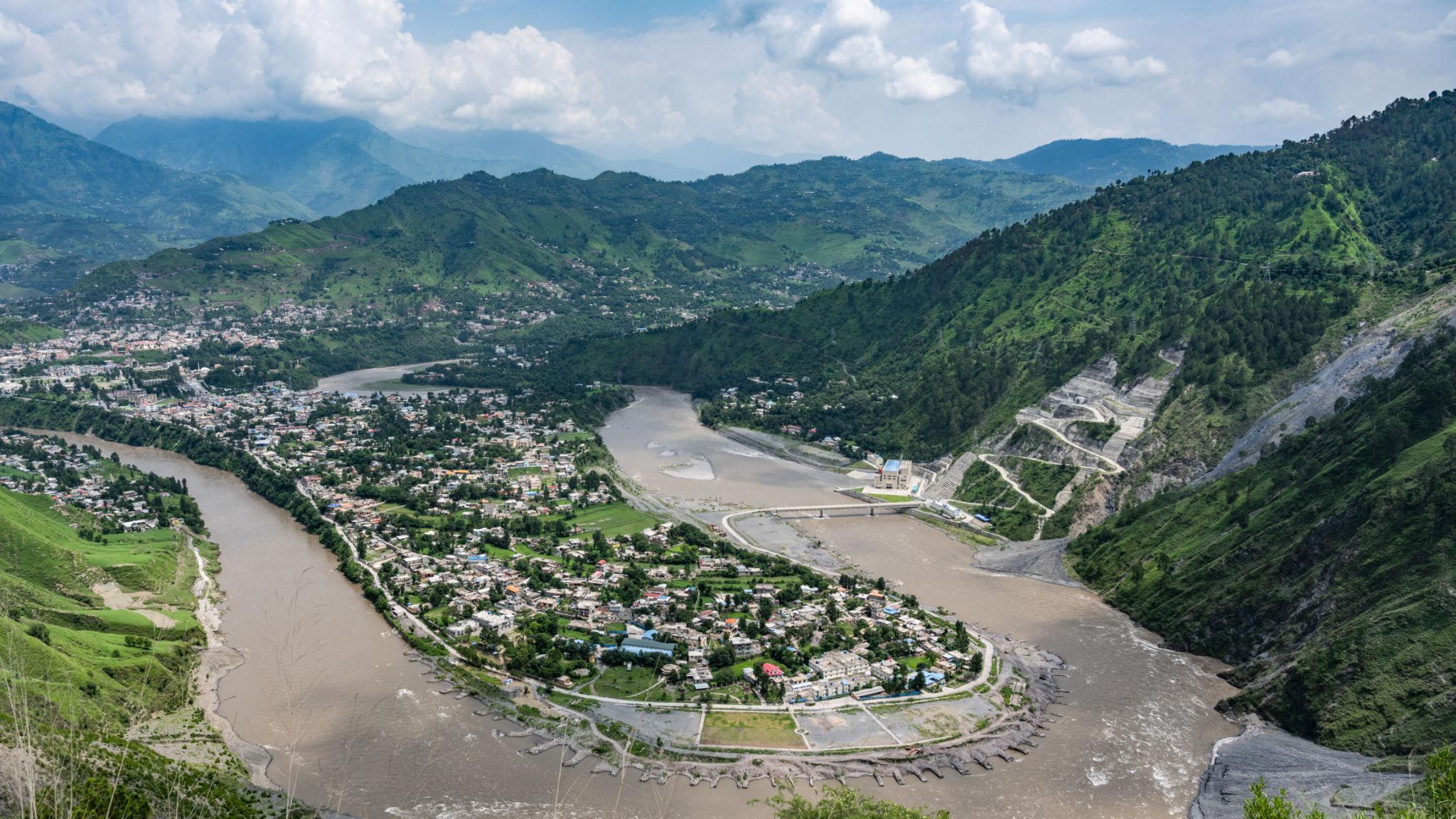
Pakistan-administered Kashmir faces major economic challenges despite its strategic location and its tourism potential.
Economic estimates indicate that youth unemployment in the region stands at around 27%, a rate far higher than the national average in Pakistan, while women's participation in the labour market remains extremely limited.
The region also suffers from weak infrastructure, particularly in roads, health services and education, problems that become harder to address during the harsh winter, given the mountainous terrain.
The effects of the 2005 earthquake, which killed tens of thousands of people, remain visible in many areas, reinforcing residents' sense that development has not reached them as it should.
Lowering Prices Did Not End the Crisis
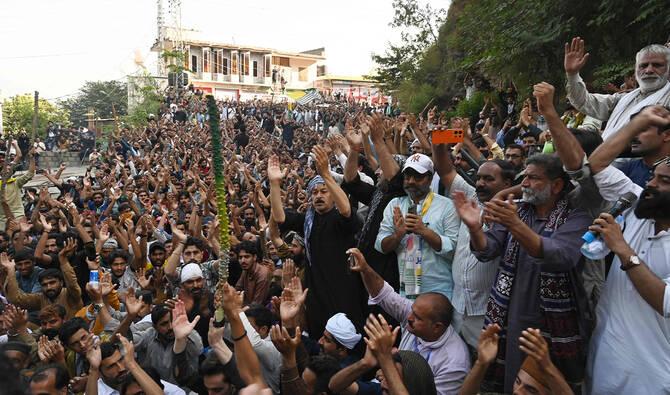
During 2024 and 2025, the protests pushed the government to make concessions, most notably reducing electricity prices and providing wheat subsidies.
However, activists considered these measures temporary solutions that do not address the root causes of the problem.
Political economy researchers say that lowering prices addressed the immediate anger but did not change "the deep structure of economic and political exclusion."
As a result, the protesters' demands shifted from improving living conditions to calling for a reconsideration of the form of governance and the mechanisms of decision-making.
The Battle over Refugee Seats
One of the most contentious points concerns the electoral system in the region, particularly the seats reserved for Kashmiri refugees living outside the territory.
The Legislative Assembly of Pakistan-administered Kashmir has 53 seats; the region's residents elect 33 of them, while 12 other seats are reserved for Kashmiris who migrated to other areas of Pakistan during the wars of 1947 and 1965.
Supporters of this system argue that these seats safeguard the rights of refugees and uphold the Pakistani position that the whole of the Kashmir region remains internationally disputed territory.
However, the JAAC and other opponents consider that these seats give the federal government considerable influence in forming local governments.
Critics say that voters living outside the region have become able to influence the selection of governments inside Kashmir, which has led to political instability, with several local prime ministers succeeding one another within a short period.
A Crisis of Political Legitimacy and Contested Elections
The protests and calls to boycott elections over the issue of reserved seats led to a significant drop in voter turnout.
Local elections were held in phases between late July and early August 2026, but weak turnout raised questions about the legitimacy of the new assembly and its capacity to represent the population.
Accusations also escalated among Pakistani parties: the Pakistan Peoples Party accused the government led by the Pakistan Muslim League-N of manipulating the elections.
At the same time, the slogan "Kashmir Will Become Sovereign" (Kashmir Banega Khudmukhtar) gained greater prominence during the protests. The discourse goes beyond the traditional choice between India and Pakistan and calls for greater self-rule.
The Confrontation between the Government and Protesters
The Pakistani authorities pursued a policy combining concessions with tight security measures.
Negotiations initially led to reductions in the prices of some goods, but as the protests spread and political demands escalated, the authorities' position changed.
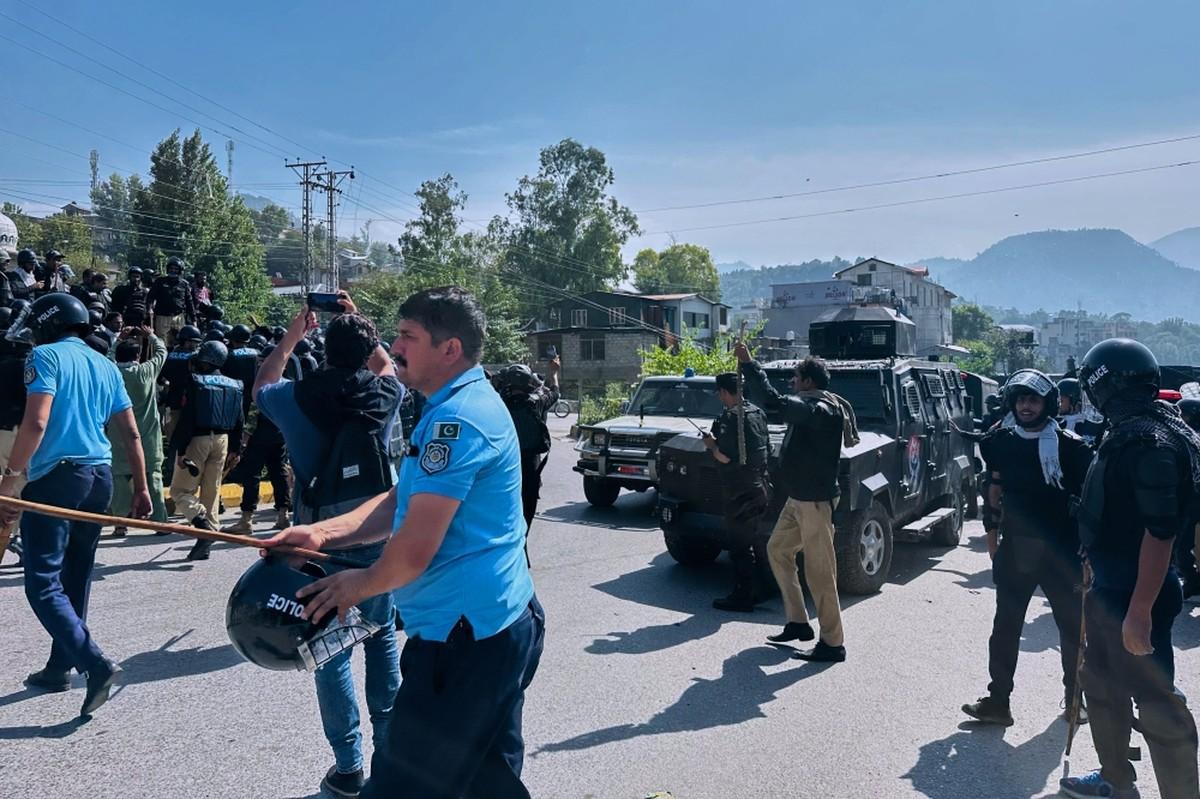
The government banned the movement under counter-terrorism laws and arrested a number of its leaders, while the movement accused the authorities of using excessive force against demonstrators.
Independent estimates indicate that more than 45 people have been killed since the start of the recent confrontations, including protesters, security personnel and civilians, though verification has been difficult due to internet shutdowns and curfews.
The JAAC rejects government accusations linking it to foreign parties and affirms that its demands are peaceful and focused on the economic and political rights of the population.
The Impact of Internet Shutdowns and Unrest on Daily Life
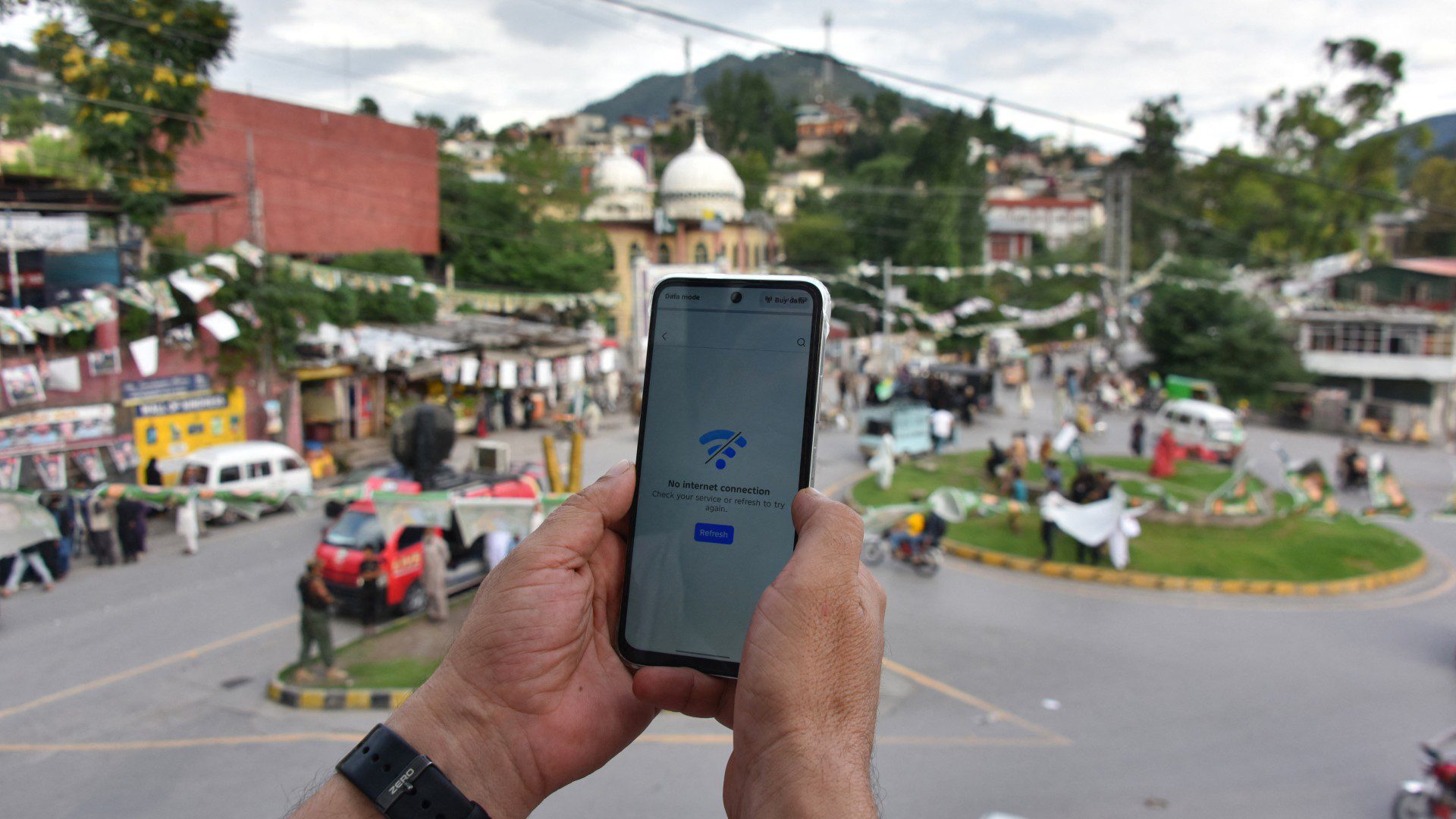
The effects of the crisis have not been limited to politics; they have extended into residents' daily lives.
Internet outages have disrupted trade, tourism and services, while closures and security checkpoints have caused heavy losses to traders, particularly in cities such as Rawalakot, one of the centres of the protest movement.
Residents have become caught between a worsening economic crisis and an open political confrontation with the authorities.
The Shadow of the Conflict with India and the Repercussions of Article 370's Revocation
These developments come against a broader backdrop: India's 2019 decision to revoke the special status of Indian-administered Kashmir by abrogating Article 370 of the Indian Constitution, a step that reshaped the political landscape across the region.
The Indian move provoked widespread anger in Pakistan and in Pakistan-administered Kashmir. However, some residents have also begun to criticise how Islamabad handles the issue, arguing that focusing on the external conflict is no longer sufficient to meet their internal needs.
Major infrastructure projects, such as the China-Pakistan Economic Corridor, have also sparked debate about the future of the region's legal status, amid concerns among some residents that its administrative status could change in the future.
Kashmir between the Question of Identity and the Question of Governance
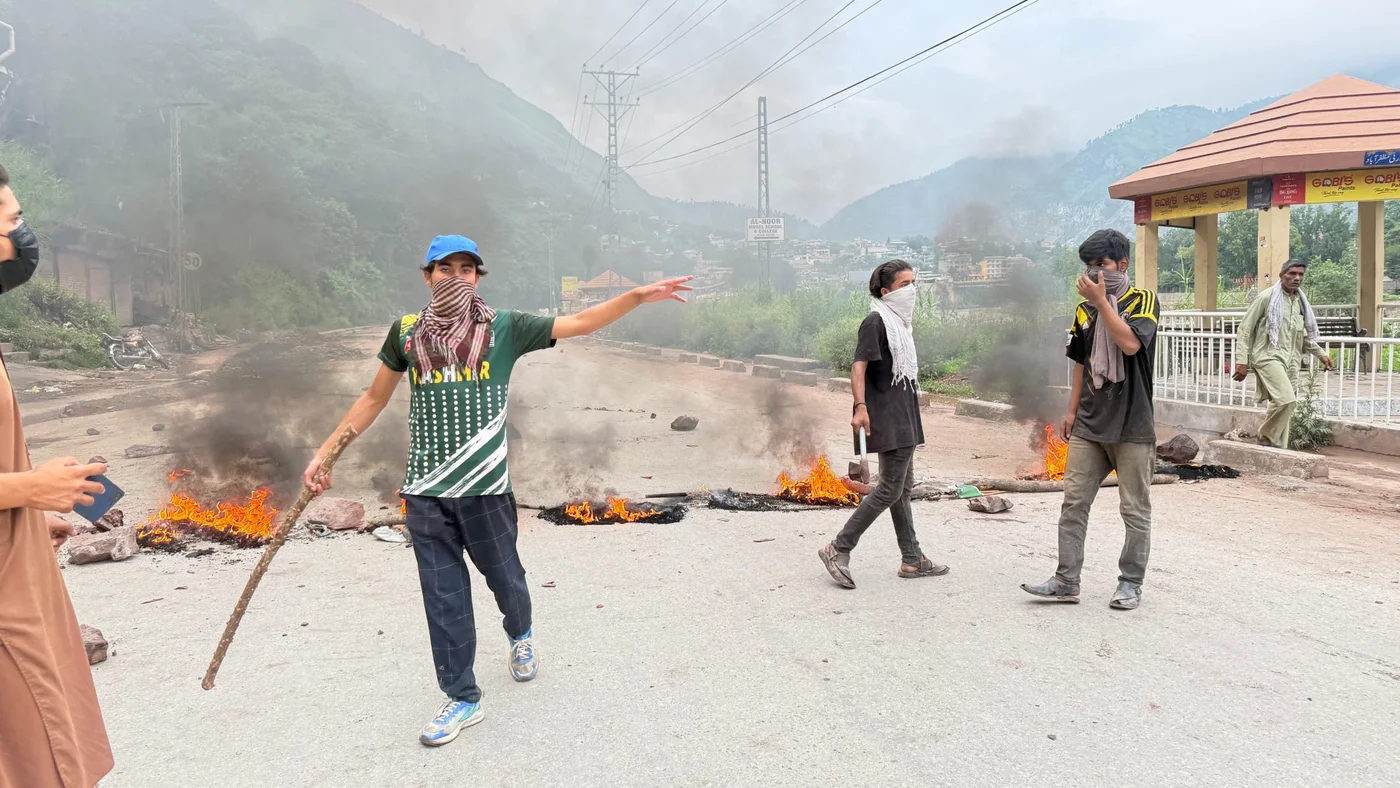
The current protests in Pakistan-administered Kashmir reveal an important shift in the nature of the political struggle within the region.
After decades in which debate revolved mainly around the Indo-Pakistani dispute, a new generation is emerging that focuses on governance, economic justice and political representation.
The larger question remains: will Islamabad be able to contain popular anger through genuine reforms, or will the continuation of the crisis lead to escalating demands for a deeper change in the region's relationship with the central government?


