


- Sharp rise in attacks: Germany and France, in particular, saw an unprecedented increase in Islamophobic incidents during 2024 and 2025, with thousands of attacks recorded.
- Discrimination seeping into policy: Islamophobia has shifted from an individual phenomenon into a component that permeates political discourse and legislation in several European countries, reflecting a shift toward institutional discrimination.
- Muslim women most targeted: Reports indicate that Muslim women make up the largest share of Islamophobia's victims.
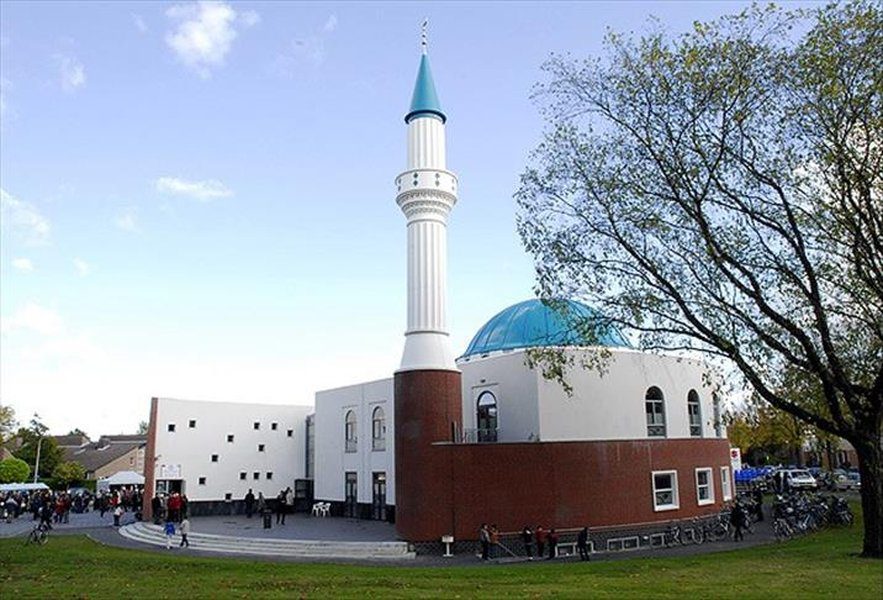
Human rights report documents alarming rise in attacks against Muslims in Germany during 2025
The history of attacks on Muslims in Europe is a long and complex story stretching across centuries, ranging from ancient historical conflicts to modern waves of hatred and discrimination. In recent decades, particularly as Muslim communities on the continent have grown in number, Islamophobia has risen noticeably, becoming an integral part of the social and political landscape in many European countries.
The Network Against Anti-Muslim Hostility in Germany (CLAIM) revealed in recent hours a significant rise in incidents of hatred and discrimination against Muslims during 2025, warning that the documented figures do not reflect the true scale of the problem, given the large number of incidents that go unreported, as well as what it described as the growing "gradual normalisation" of manifestations of Islamophobia within German society.
This came during a press conference the network held in Berlin to coincide with the release of its annual report, which drew on data gathered by advisory centres and civil initiatives in 15 German states, in addition to crime statistics for politically motivated offences, police reports, and what was published by local media.
More than four thousand incidents in a single year
According to the report, the number of documented cases linked to hostility toward Muslims during 2025 reached approximately 4,096, covering a wide range of violations, from verbal insults and discrimination in daily life to physical assaults and serious crimes.
The network explained that 224 of these incidents were physical assaults, stressing that these figures reflect only the cases that could be documented, while other cases remain outside official records because many victims are reluctant to file complaints.
Unreported cases
The network affirmed that non-reporting is one of the most prominent challenges in tracking the scale of Islamophobia in Germany, noting that many cases of discrimination occur within schools or while dealing with government institutions and the police, yet victims refrain from filing complaints for various reasons, including weak confidence in the usefulness of procedures or fear of legal and social complications.
The organisation warned that the repetition of these incidents has led to a kind of "habituation" among some of those affected, such that insults and discrimination have become part of their everyday experiences, which reduces reporting rates and makes the problem larger than official figures show.
Wide media attention within Germany
The report received notable attention from German media, particularly newspapers and magazines with left-leaning and liberal orientations, which covered its findings as an indicator of the rise of hostility toward Muslims within society.
The magazine Der Spiegel noted that the report had recorded what it described as "gradual normalisation" of insults and hate speech, explaining that many forms of everyday racism are no longer reported due to their repetition, which leads victims to treat them as ordinary.
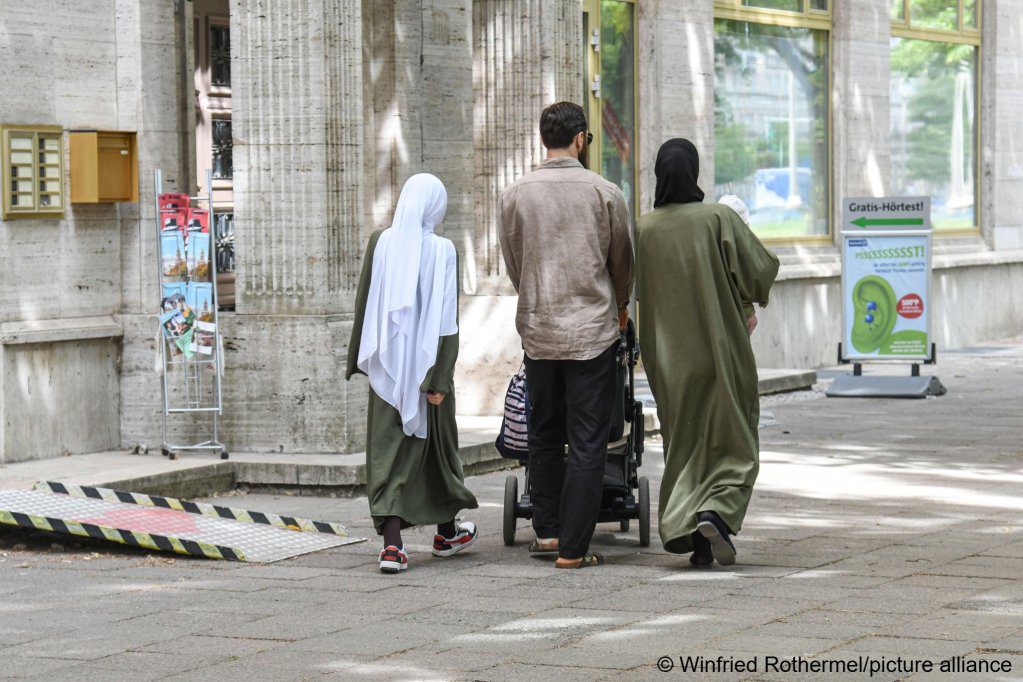
Documented cases reveal the scale of suffering
The report reviewed a number of cases documented by the network over the past year, among them an incident in which a girl in the city of Greifswald was subjected to racist insults after a young man tried to forcibly pull off her headscarf in front of a group of boys.
The report also documented another incident in the city of Düsseldorf, in which a 52-year-old Muslim woman was violently assaulted because of her headscarf, resulting in serious injuries that required treatment.
The report stressed that attacks are not limited to physical violence, but also include psychological pressure and ongoing discrimination in daily life.
Among the examples cited in the report was the testimony of a Muslim student in the state of Schleswig-Holstein, who said that he is constantly subjected, inside school, to questions from his teacher whenever issues of terrorism or extremism are raised, being asked to comment on the actions of people who share his religion or to declare his personal position on terrorism, which he considered a form of stigmatisation and discrimination.
Declining trust in institutions
For her part, the network's co-director Rima Hanano, in statements carried by the newspaper taz, said the real number of incidents of hostility toward Muslims far exceeds what has been documented, adding that many victims have lost trust in the authorities, the police and the government, which leads them to refrain from reporting the violations they face.
Hanano cited the findings of the study "Being Muslim in the EU," issued by the European Union Agency for Fundamental Rights, which showed that only 4% of Muslims who experienced discrimination during the past year filed official complaints about what they had faced.
Verbal assaults and serious crimes
According to taz, verbal assaults made up the largest share of documented incidents, accounting for 61% of the total.
Women most targeted
Data showed that Muslim women were the most exposed to attacks, with 64% of incidents targeting women, compared with 34% targeting men. The report attributed this to the combination of religious discrimination and gender-based discrimination, particularly for women who wear the headscarf and become more vulnerable to targeting in public spaces.
A crime that sparked controversy
According to the report, the young woman was attacked by her neighbour, aged 31, in front of her home, where he stabbed her several times in the chest and abdomen, causing her death. Among the most prominent incidents cited in the report is the killing of the young woman Rahma (A), aged 26, in the state of Lower Saxony in June 2025.
The report noted that the German judiciary sentenced the defendant to life imprisonment, but that he did not acknowledge a racist motive for the crime, which drew criticism from the network.
Discrimination extends to official institutions
The report did not limit itself to monitoring individual attacks; it also addressed manifestations of discrimination within some official institutions.
Taz reported the results of a survey of 468 Muslims, which showed that 44% of them had experienced discrimination in employment offices, while 55% reported being treated in a discriminatory manner when dealing with foreigners' affairs departments.
The report considered these practices to contribute to entrenching a sense of inequality among Muslims and to affecting their trust in public institutions.
Media and migration under debate
The report pointed out that the stereotype linking Muslims to terrorism, crime, or migration and asylum problems feeds a climate hostile to Muslims, considering that some political and media discourse contributes to rising social tensions and racism.
Taz quoted Rima Hanano as saying that attacks motivated by hostility toward Muslims increasingly originate from the far right, but have also begun to appear among circles belonging to the centrist political current.
A growing sense of not belonging
For its part, the newspaper Frankfurter Rundschau noted that the report's findings reflect a growing feeling among Muslims that they are not regarded as part of German society.
The newspaper added that public debate often presents Muslims as a potential source of danger or crime, while ignoring that they are victims of repeated attacks, which reinforces the denial of the existence of anti-Muslim racism.
Warning that discourse is turning into violence
Meanwhile, the website nd cited Saeed Idris Hashmi, a researcher who took part in preparing the report, warning that the spread of anti-Muslim rhetoric in the political and media spheres could turn into acts of violence on the ground.
Hashmi affirmed that Islamophobia is no longer a marginal phenomenon but has become a reality lived by many Muslims in Germany, while expressing concern that the German government does not give this phenomenon sufficient attention.
He also pointed out that the network's continued work could face future challenges in light of the restructuring of government funding programmes on which the organisation relies to carry out its activities and track incidents of hostility toward Muslims.
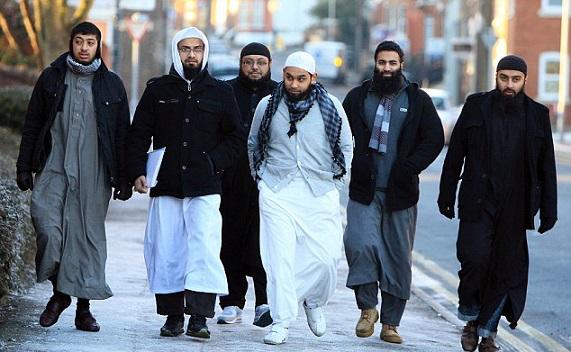
Historical roots of attacks on Muslims in Europe
Europe's history has not been free of periods of tension and conflict related to the presence of Muslims, from the early Islamic conquests and historic battles to the Ottoman presence in the Balkans and Eastern Europe.
The term "Islamophobia" began to spread widely from 1997, describing growing hostility and prejudice against Islam and Muslims. Over time, the concept shifted from merely describing individual feelings of hostility into a framework encompassing a wide range of discriminatory practices, from verbal and physical abuse to attacks on mosques and Islamic institutions, and institutional discrimination in employment, education and services.
Recent years, particularly since the beginning of the third decade of the millennium, have witnessed an unprecedented acceleration in the pace of Islamophobic incidents in Europe. Reports issued by human rights organisations and research centres have revealed a steady increase in the number of attacks, indicating that this phenomenon is no longer isolated incidents but has become an increasing pattern.
France: rising hostile acts
Among the countries witnessing attacks on Muslims is France, where statistics show a worrying trend. In the first months of 2025, French authorities recorded a 75% increase in anti-Muslim acts, with a sharp rise of 209% in attacks on individuals, reaching 99 cases. These figures confirm the escalation of hostility directed against Muslims in French society, which manifests in harassment and verbal and physical abuse.
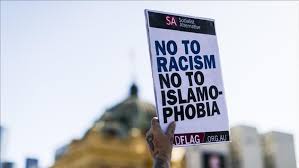
Risks across Europe in general
This phenomenon is not confined to Germany and France alone; reports point to rising attacks in other European countries such as Austria, Belgium and Bulgaria since October 2023.
Numerous reports show that Muslim women are the most exposed to Islamophobia and discrimination; in 2022, Muslim women made up 81% of Islamophobia's victims in some studies.
Far-right rhetoric and some media outlets play a pivotal role in spreading Islamophobia. Racist and biased statements, and linking Islam with extremism or terrorism, contribute to feeding negative stereotypes and justifying discrimination.
Studies have shown that social media has become a major source of negative images and prejudice against Muslims in the United Kingdom and elsewhere, which amplifies the impact of hate speech and widens its reach.
Discrimination seeping into official policies
What is alarming is that hostility toward Muslims has begun to turn into a "familiar phenomenon" and to seep into official policies in several countries. This includes enacting laws or taking discriminatory measures that target Muslims directly or indirectly, making discrimination part of the institutional structure of the state.


