


United States Raises Military Service Age From 35 to 42: What Lies Behind the Report?
The United States has raised the military service age from 35 to 42, meaning that anyone aged 42 would be eligible to join the soldiers who fight in wars.
Activists on social media shared the report, referring to the American Jew (Ben Shapiro) because he is 42 and is considered the greatest advocate of war (warmonger) and described as "bloodthirsty."
They asked: Will Shapiro go to the battlefield and fight for his country?
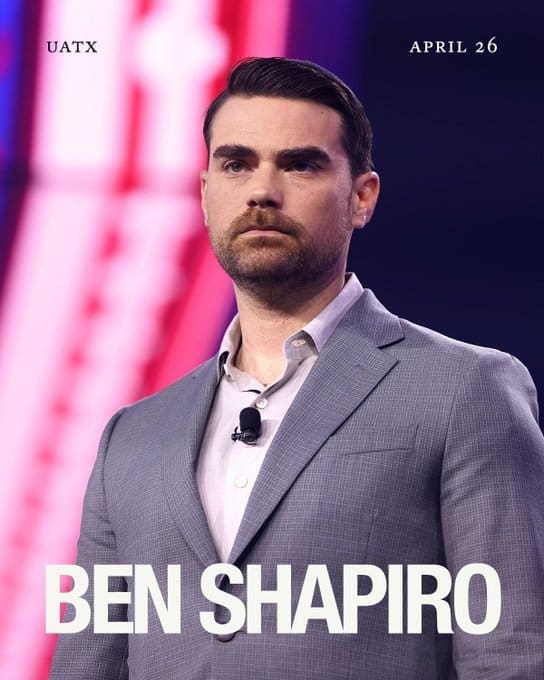
Shapiro is a prominent media figure whose wealth is estimated at more than $60 million, all derived from promoting entry into war, in addition to $10 million a year from his media appearances promoting wars as well.
What Lies Behind This Report?
It carries implications far deeper than a mere administrative adjustment to the military service age.
Indicator of an Expanded Mobilisation Base
Raising the service age to 42 means the state is seeking to widen the "human reservoir" available for combat, which normally happens in only two cases:
- An anticipated shortfall in manpower as a result of a long or multi-front war.
- Or advance preparation for a scenario of broad escalation that may require comprehensive mobilisation.
In other words: the decision, if confirmed, reflects a shift in thinking from "limited wars" to the prospect of "prolonged conflict."
Reading the Level of Threat
Major powers, led by the United States, do not change military service criteria easily, because this is tied to training costs, readiness and combat effectiveness. Raising the age in this way may be understood as:
- A sense of rising global threat levels.
- Or an assessment that coming confrontations may be longer and more attritional than usual.
The Political and Media Dimension
Bringing the name of the Jewish commentator into the discussion is not an incidental detail; it carries a critical dimension, as it highlights the contradiction between "calling for wars" from behind the screens and readiness to bear their consequences on the ground.
This kind of debate reflects a growing popular critical sense toward media discourse that promotes conflicts without bearing their cost.
The Psychological Message to Society
Such a decision (or even its circulation in the media) has a significant psychological effect in preparing society to accept war as a realistic possibility, and in breaking the traditional age barrier, which suggests that "everyone is concerned." It raises anxiety levels, while at the same time it may strengthen the discourse of "national preparedness."
The Broader Strategic Significance
If we place the report in the context of international tensions (the Middle East, Ukraine, Asia), the most important message is that the world is moving toward a less stable phase, and that major powers are recalculating on the basis of "potential major wars" rather than merely localised disputes.
Conclusion
This report reflects a shift in strategic mood: from a phase of managing crises to a phase of preparing for broader conflicts. In essence, it raises a pointed question that still has no clear answer:
Is the world heading toward a long war in which societies are drained, or are these merely deterrence messages in a game of major balances?


