


The United Nations condemned the continued cross-border attacks by the Iran-backed Houthis against Saudi Arabia, including attempts to target the capital, Riyadh, while warning of the expansion of the Houthi offensive and military escalation in the governorates of Marib, Taiz and Lahj, and the serious consequences for civilians inside Yemen and across the region.
UN Secretary-General spokesperson Stéphane Dujarric said on Monday, 21 September 2026, that the organisation "remains deeply concerned by the ongoing military escalation in Yemen and its surroundings," pointing in particular to Houthi attacks in Taiz, Lahj and Marib.
He added that the United Nations condemns the continued Houthi cross-border attacks on Saudi Arabia, including the recent attempts to target Riyadh, explaining that the attacks hit civilian areas and vital energy infrastructure in the kingdom.
The United Nations called on all parties to exercise restraint and prevent further escalation, and to abide by international humanitarian law, including the prohibition of direct attacks on civilians and civilian objects, according to its statement.
The UN position comes as the UN Special Envoy for Yemen, Hans Grundberg, continues his diplomatic efforts, holding talks in the Omani capital, Muscat, with senior Omani officials and representatives of the Houthis in an attempt to contain the escalation.
Rapidly Growing Displacement
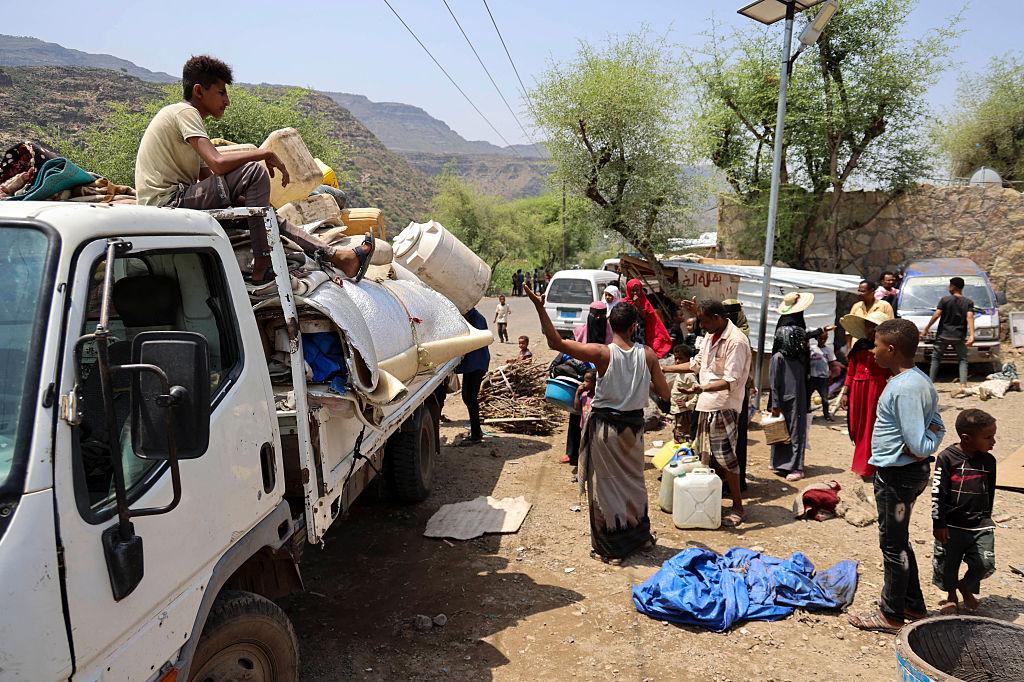
Alongside the military developments, the United Nations warned of a worsening humanitarian crisis as fighting continues and spreads.
The UN Office for the Coordination of Humanitarian Affairs said that around 21,000 families have been displaced across Yemen since 1 August, most of them concentrated in the governorates of Taiz and Lahj, and noted that the figure is likely to rise as displaced families continue to be registered.
Families who fled combat areas urgently need food, shelter and basic services, while humanitarian organisations face a shortage of funding and difficulties accessing affected areas.
Data from the International Organization for Migration shows the scale of the displacement wave caused by the escalation on the west coast more clearly: the organisation recorded the displacement of around 109,000 people between 1 and 16 September alone, 57 per cent of them in Taiz governorate and 27 per cent in Lahj.
More Than 120,000 Displaced
Carl Skau, Acting Executive Director of the World Food Programme, told Reuters on Monday that more than 120,000 Yemenis have been displaced within the country due to the latest wave of fighting, while thousands of others have fled by boat across the Red Sea towards Africa.
He added that the programme has scaled up its response and has so far provided hot meals and food supplies to around 60,000 people, and is working to increase its stocks and capacity to reach hundreds of thousands of affected people.
Attacks on Ambulances and Health Facilities
The repercussions of the escalation have not been limited to displacement, as the United Nations said health workers and health facilities are paying an increasing price for the fighting.
The Office for the Coordination of Humanitarian Affairs reported that ambulances were attacked in Lahj governorate on Friday, killing a driver and a medical emergency responder.
Nine health facilities or sites in Taiz, Lahj and the city of Hodeidah were also damaged, closed or directly attacked, while hospitals receiving the wounded began to suffer shortages of blood, anaesthetics and surgical supplies.
The UN statement did not identify the party responsible for each of these attacks on health facilities, and therefore they cannot all be attributed to a specific party without additional information.
Pregnant Women Giving Birth in the Open
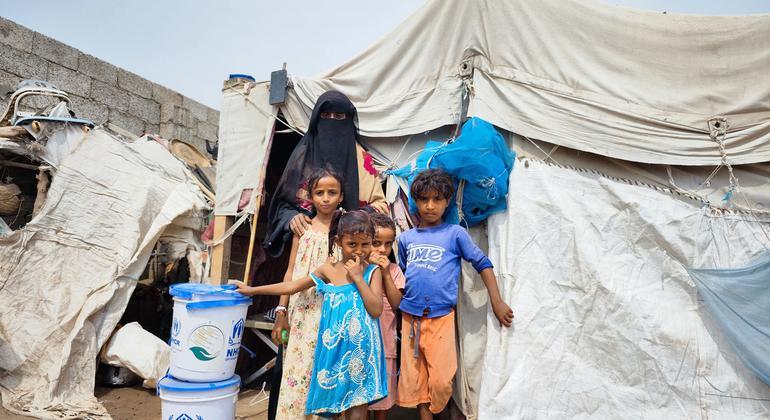
The United Nations Population Fund warned of an extremely dangerous situation for displaced women, especially pregnant women.
The Fund estimates that there are more than 2,700 pregnant women among the more than 120,000 people displaced by the latest escalation, and expects around 300 women to give birth over the coming two weeks.
At least 500 women need specialised emergency obstetric and newborn care due to the possibility of complications.
However, the escalation in fighting has led to the closure of reproductive health facilities and safe spaces for women and girls, or a reduction in their operations, and the Fund said some displaced pregnant women have begun giving birth in the open without qualified medical staff present.
The Fund estimates that more than 30,000 women of reproductive age have been affected by the recent displacement, amid reduced access to health and protection services on the west coast and the southern Taiz fronts.
A Humanitarian Crisis Widens Along the Front Lines
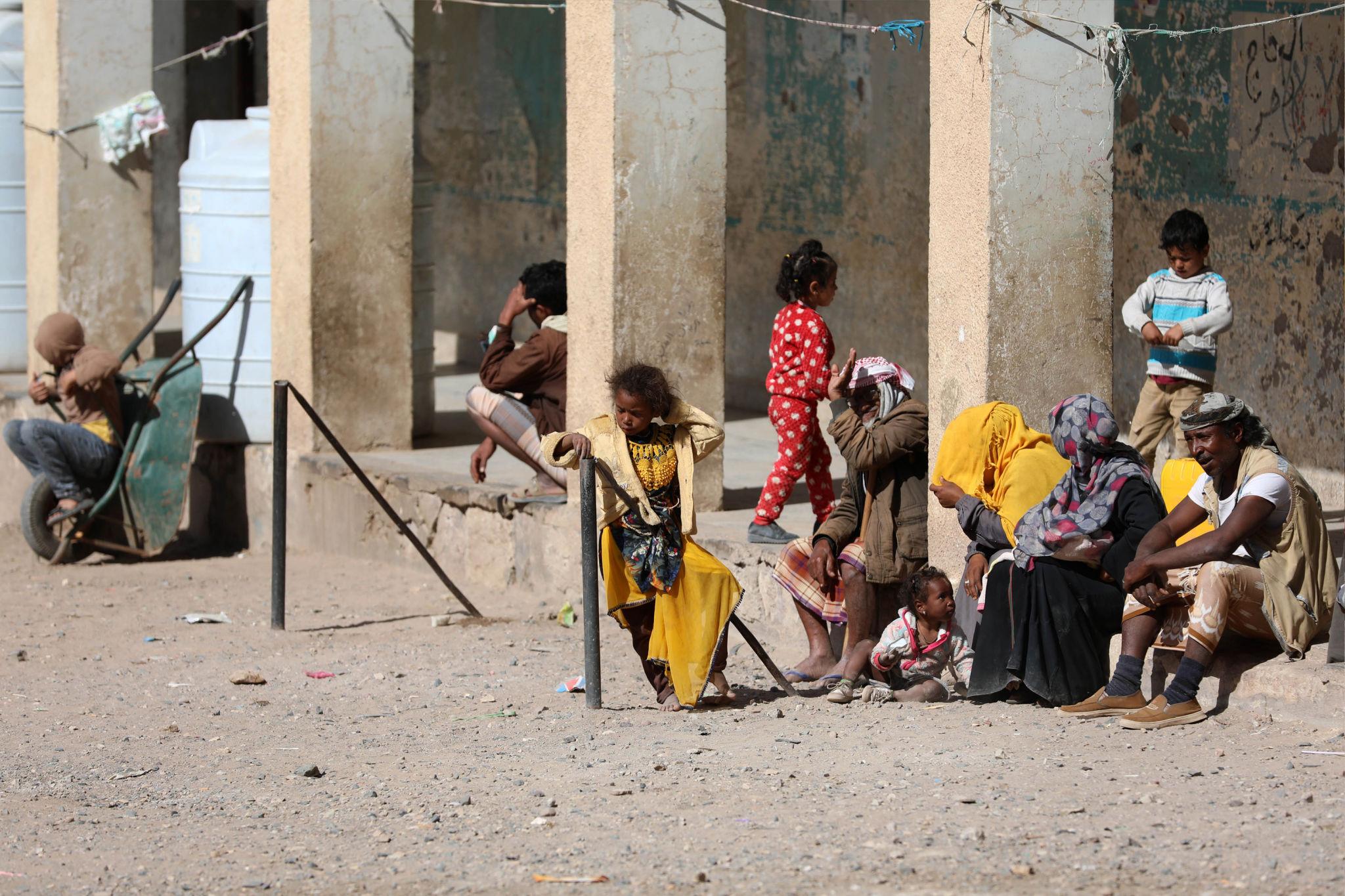
The UN warnings come as fighting spreads from the west coast to a number of internal fronts.
UN envoy Hans Grundberg had warned the Security Council that the risk of Yemen returning to full-scale war, which he had been warning about for months, has become a "harsh reality" following the major Houthi offensive on the west coast and the group's takeover of Mokha, and the expansion of confrontations into Marib, al-Jawf and al-Bayda.
Clashes also continued in Taiz, Lahj and areas near Bab al-Mandab, while Saudi Arabia intensified its airstrikes in parallel with Houthi launches of missiles and drones towards Saudi territory.
The latest data indicate that civilians bear the greatest burden of this escalation, with mass displacement, food shortages and damage to health services coinciding with a humanitarian crisis that has existed for years.
Yemen is now experiencing continued escalation that will lead to growing needs, at a time when relief operations already suffer from acute funding shortages.


