


Two migrants die attempting to cross the English Channel off Gravelines
French authorities announced the first migrant deaths of 2026 near Gravelines, as the United Kingdom and France extended their migration agreement by two months, despite their differences over methods of intercepting migrants.
Two migrants died on Wednesday while attempting to cross the English Channel from northern France to Britain near Gravelines, according to French maritime authorities. French officials described the incident as the first recorded death linked to Channel crossings in 2026.
According to the Missing Migrants Project of the International Organization for Migration, other migrants died during Channel crossing attempts this year, with the body of one found in an inland canal before reaching the sea, while another died on the road while attempting to board a vehicle.
The French Maritime Prefecture for the Channel and the North Sea said rescue teams assisted eight people who were in distress while trying to board the boat. Some 30 people gathered early that morning near Gravelines. Local reports indicated that many of them were standing in cold water up to their shoulders, or slipping from the inflatable boat while more people were being loaded onto it.
Police sources identified the deceased as a man from Sudan and another from Afghanistan. A woman received treatment at Dunkirk hospital for non-serious injuries, while five other people were detained. German media, citing the local newspaper La Voix du Nord, reported that a search operation is underway for one additional person believed to be missing.
A Turkish national, who was rescued after the tragic incident, was arrested on suspicion of organising the crossing attempt, according to French police sources quoted by Agence France-Presse. French authorities also carried out several other rescue operations in the Channel that day, rescuing an additional 111 people.
Deaths on the Channel route
Agence France-Presse, citing official French and British sources, reported that at least 29 deaths occurred on the Channel route in 2025. That year, French figures indicate that nearly 50,000 people attempted to cross from France on 795 boats. British authorities reported that 41,472 people arrived on small boats, the second-highest annual figure after 45,774 in 2022.
Britain and France extend border security agreement for two months amid stalled negotiations
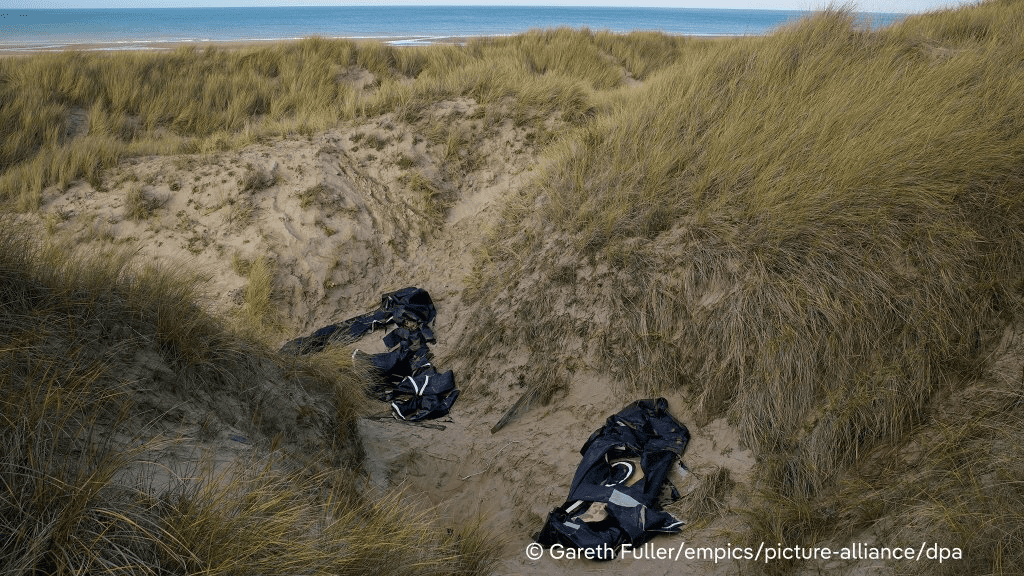
Archive photo: Belongings on the beach at Gravelines, northern France, taken on 11 December 2025. Migrants often attempt to cross the English Channel to the United Kingdom on small boats from here
Data from the British Home Office, released on Wednesday (1 April), showed that 4,441 migrants arrived during the first three months of 2026, a decrease of 33% from 6,642 migrants in early 2025, and 18% from 5,435 migrants in early 2024. This figure exceeds early 2023 levels by 17% (3,793 migrants), but is 2% lower than early 2022 levels (4,548 migrants).
Authorities attribute part of this decline to changeable weather conditions, including lower temperatures, poor visibility, shorter daylight hours, and storms. The number of people on each boat rose, with an average of 63 people per crossing from January to March, compared with 56 people in early 2025 and 62 people throughout 2025.
Extension of UK-France cooperation
The incident came a day after France and the United Kingdom agreed to extend the Channel migration agreement by two months, while a long-term agreement is being negotiated. Under the renewal of the 2018 agreement in 2023, Britain allocated around 545 million euros over three years to fund French surveillance and enforcement operations along the northern coast. The extension adds 16.2 million pounds sterling to support around 700 French personnel.
So far, the talks have focused on interception methods. British officials wish to establish performance conditions linking funding to results, and more effective maritime interventions, with Home Secretary Shabana Mahmood noting that the French interception rate has fallen from 50% of attempts in 2023 to around one-third at present.
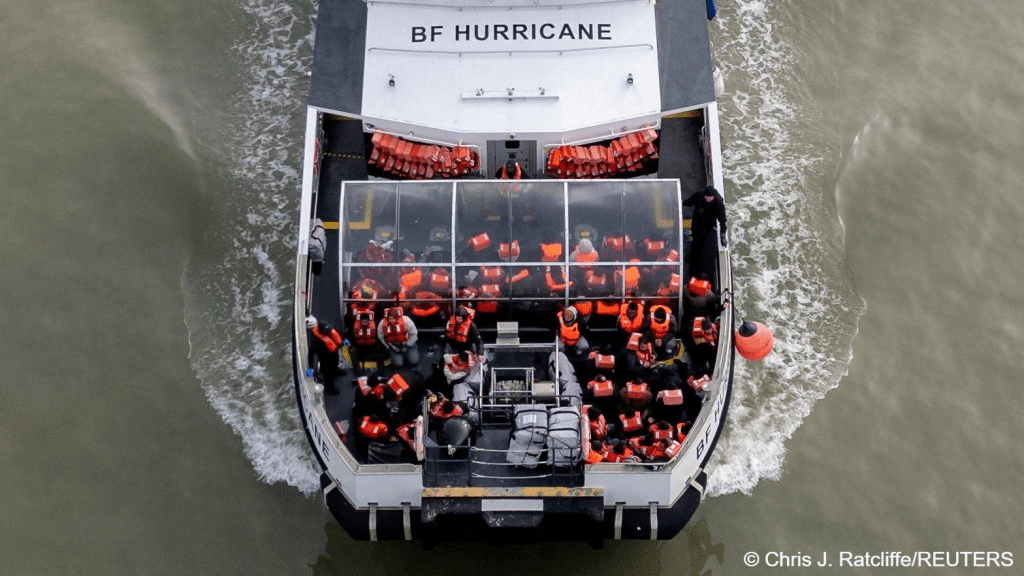
Archive photo: A British Border Force vessel after intercepting an unknown number of migrants on 6 March 2026
France stresses legal constraints, noting that officials cannot effectively intervene in the transfer of migrants from shallow waters to inflatable boats on the open sea. Instead, operations focus on dismantling camps, seizing equipment, and targeting smugglers on land.
French Navy Minister Xavier Dusseaux told lawmakers that linking funding to specific results could increase risks for migrants, workers and operations, stressing the importance of prioritising a "rescue first" approach.
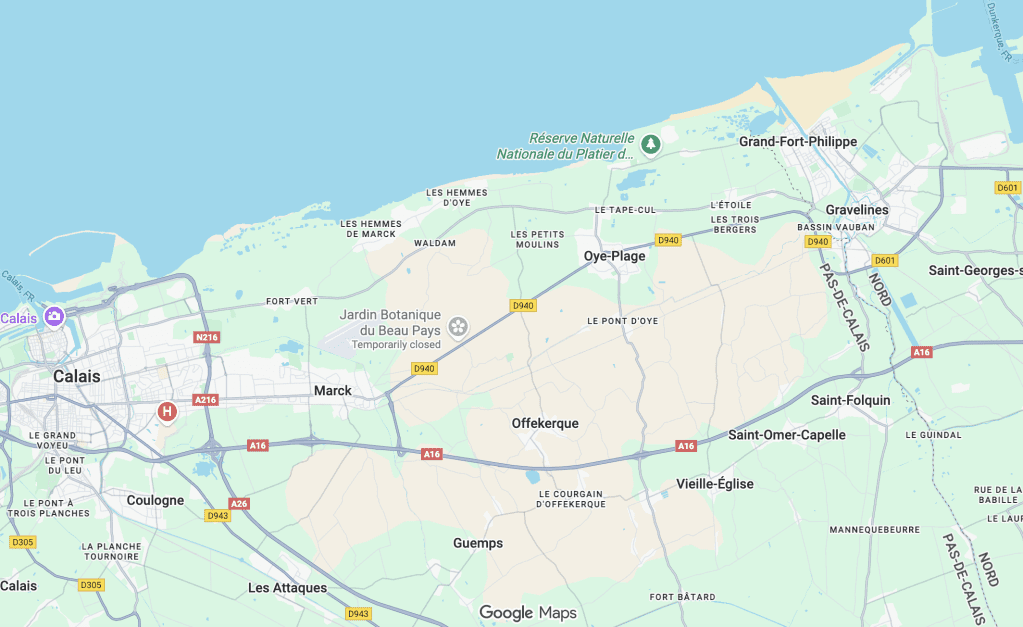
Map showing the Aa canal, which passes through the French town of Gravelines before reaching the sea
Since the United Kingdom left the European Union, it has relied on bilateral agreements such as the Channel migration agreement with France, lacking earlier EU mechanisms such as the Dublin Regulation for returning migrants. London seeks a disruption rate of up to 80% to dismantle smuggling networks, while Paris prioritises prevention within the legal limits of maritime interventions. Some British political figures continue to call for stricter measures.
Human rights organisations continue to criticise the government's approach, arguing that such deaths are preventable. Steve Smith, chief executive of the refugee charity Care4Calais, told ITV: "This latest tragedy comes just hours after the Home Secretary agreed to extend the cruel border deal with France, and that is a clear indication."
The British government described the border as a "silent killer resulting from political choices", and stressed that if the British government "truly wishes to save lives and end Channel crossings, it must immediately establish safe routes for refugees to seek asylum in the United Kingdom".
22 migrants die during week-long journey of death
Rising sea deaths on Wednesday
Since the start of the year, a very large number of deaths have been recorded at sea, particularly in the Mediterranean, due to bad weather and dangerous conditions. Alongside the Channel deaths, two other separate incidents occurred on the same day in the Mediterranean. The Italian coast guard found 19 bodies aboard a vessel 135 kilometres from Lampedusa, in Libyan search and rescue waters. Seven survivors, including two children, received the medical care needed for hypothermia and exposure to hydrocarbons, while 58 others, including five children, reached Lampedusa amid waves reaching seven metres in height. Italian reports attribute the deaths to hypothermia amid winds, rain and temperatures of 10 degrees Celsius.
In a second incident off the coast of Bodrum, Turkey, authorities rescued 21 Afghan nationals, including an infant, from a sinking inflatable boat that had fled a security patrol, resulting in the deaths of 19 others.
The International Organization for Migration has recorded 831 deaths or disappearances of migrants in the Mediterranean since January.
Agence France-Presse and Deutsche Presse-Agentur (dpa)


