

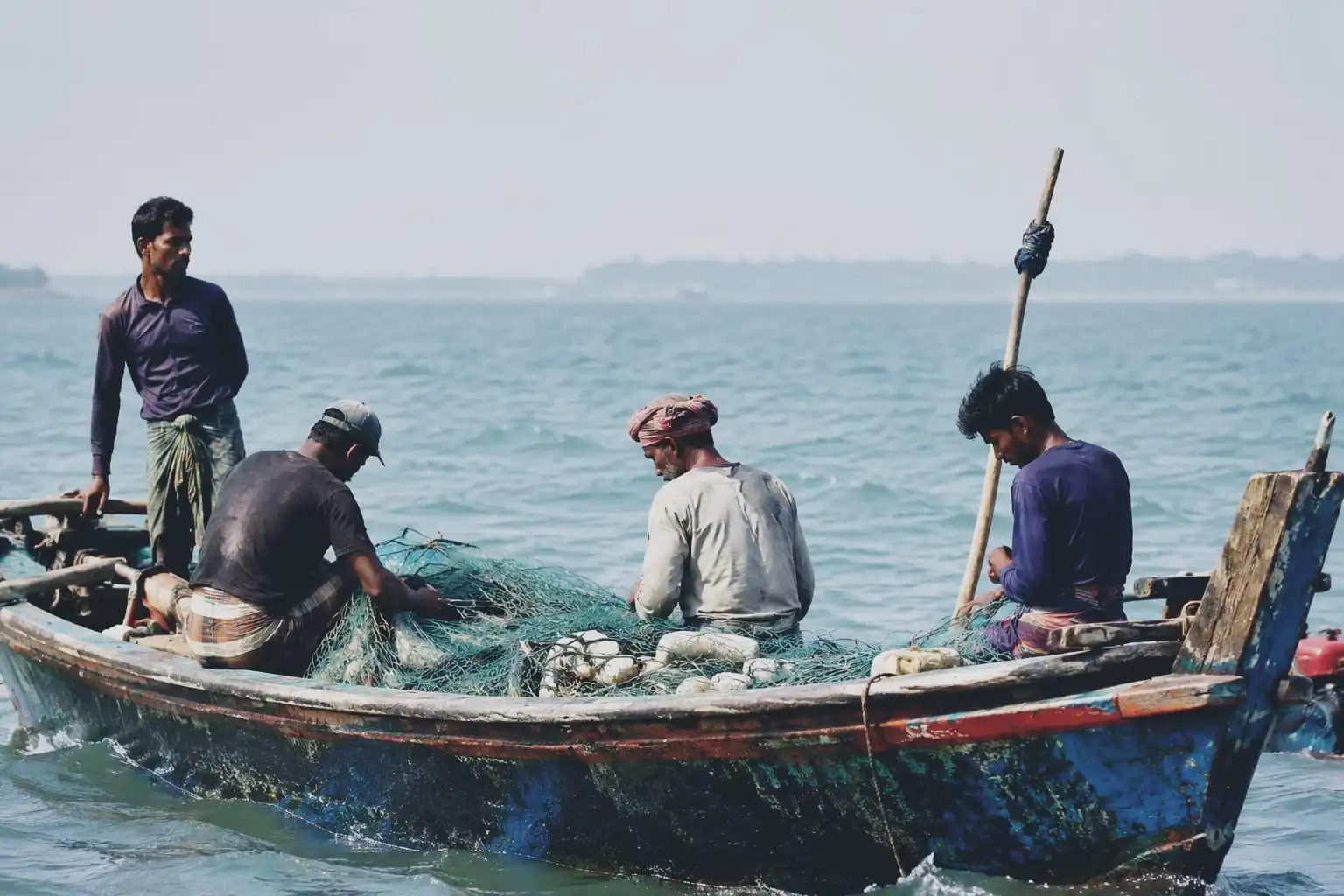
Three fishermen from the Muslim Rohingya minority, including a 16-year-old boy, were killed, and a fourth was seriously wounded, losing one of his legs, after gunfire reportedly attributed to naval forces of the Myanmar army struck their fishing boat near the city of Sittwe, capital of Rakhine State in western Myanmar, according to local information published by the Rohingya Khobor network on Saturday, 31 October 2026.
The network cited local sources as saying the dead are Mohammed Salim (30 years old), Mohammed Yunus (40 years old), and the boy Halaya (16 years old). The fourth fisherman, Boudiya (48 years old), survived and was admitted to Sittwe General Hospital for treatment after losing one of his legs.
The sources said the four fishermen come from the Anauk Ye camp, also known as "West Ye", for internally displaced persons in the town of Buthidaung in Rakhine State.
Gunfire on a fishing boat
According to the local account, the fishermen left their camp on a motorised fishing boat at around 2:00 p.m. on 24 October. About two hours later, the boat was reportedly fired upon from a speedboat attributed to the naval forces of the Myanmar army.
The sources accused army personnel of seizing the fishing boat after the shooting.
No independent information was available establishing the circumstances that preceded the incident, or the reasons that, according to the published account, led Myanmar's forces to fire on the boat.
Discrepancy in the initial toll
The Rohingya Khobor network noted that initial reports spoke of the deaths of all four fishermen, but updated information from local sources indicated that Boudiya survived the incident despite his serious injury.
The network said it had not been able to independently verify the survivor's condition or determine the precise date of the shooting.
The Rohingya between displacement and the risks of seeking a livelihood
The incident again highlights the difficult security and humanitarian conditions faced by members of the Muslim Rohingya minority in Rakhine State, where years of violence, displacement and restrictions on movement have undermined the livelihoods of many families.
Some displaced communities in coastal areas depend on fishing to secure food and income, amid limited job opportunities and difficulty accessing basic services.
The recent incident carries particular significance given that the four victims lived in a camp for internally displaced persons, which reflects the risks displaced people may face while trying to meet their basic needs.
Rakhine State is witnessing an armed conflict between the Myanmar army and the Arakan Army, with civilian communities, including the Rohingya, continuing to be exposed to the risks of military operations, displacement, and alleged abuses by parties to the conflict.
Establishing responsibility for the gunfire on the fishing boat remains dependent on an independent investigation into the circumstances of the incident and verification of survivor testimony and local sources.
At the same time, the event raises questions about the protection of civilians and displaced people in coastal areas, and about ensuring their safe access to sources of food and work without exposure to violence.


