


Wasl News | Three Days into the Truce: Will Israel Undermine the Fragile Ceasefire with Iran?
The two-week temporary ceasefire between the United States and Iran, mediated by Pakistan, enters its third day amid rising tensions. The agreement faces a difficult test from Israel, which continues its intensive strikes against Hezbollah in Lebanon, threatening the collapse of the entire truce.
Terms of the Ceasefire and Israel's Position
According to reports by the Wall Street Journal and official American and Iranian sources:
Duration: Two weeks, extendable, beginning on 8 April.
Core condition: Reopening the Strait of Hormuz to international navigation.
Regional dispute: Iran insists that the ceasefire includes Lebanon, while Israel categorically rejects this and continues its operations against Hezbollah.
The Israeli occupation army continued its intensive raids on Lebanon, resulting in hundreds of casualties, announcing that "there is no ceasefire in Lebanon." Netanyahu affirmed that operations against Hezbollah will continue "until the objectives are achieved."
Lebanese authorities announced that the death toll from the intensive Israeli airstrikes carried out on Wednesday has risen to 357 killed and 1,223 wounded. The Israeli occupation army claims that among the dead were 200 members of the Lebanese Hezbollah militia.
Agreement to reduce the intensity of operations in Lebanon
Israeli and American media reported that Israel complied with the American request to reduce the intensity of operations in Lebanon and to refrain from attacking the Lebanese capital Beirut and the southern suburbs during the negotiations with Iran.
For his part, Israeli Chief of Staff "Eyal Zamir" pledged to continue the army's strikes on Lebanon "without pause," saying the army will continue targeting Hezbollah, and affirming that every opportunity will be exploited to strengthen what he described as the security of northern Israel.
Hezbollah
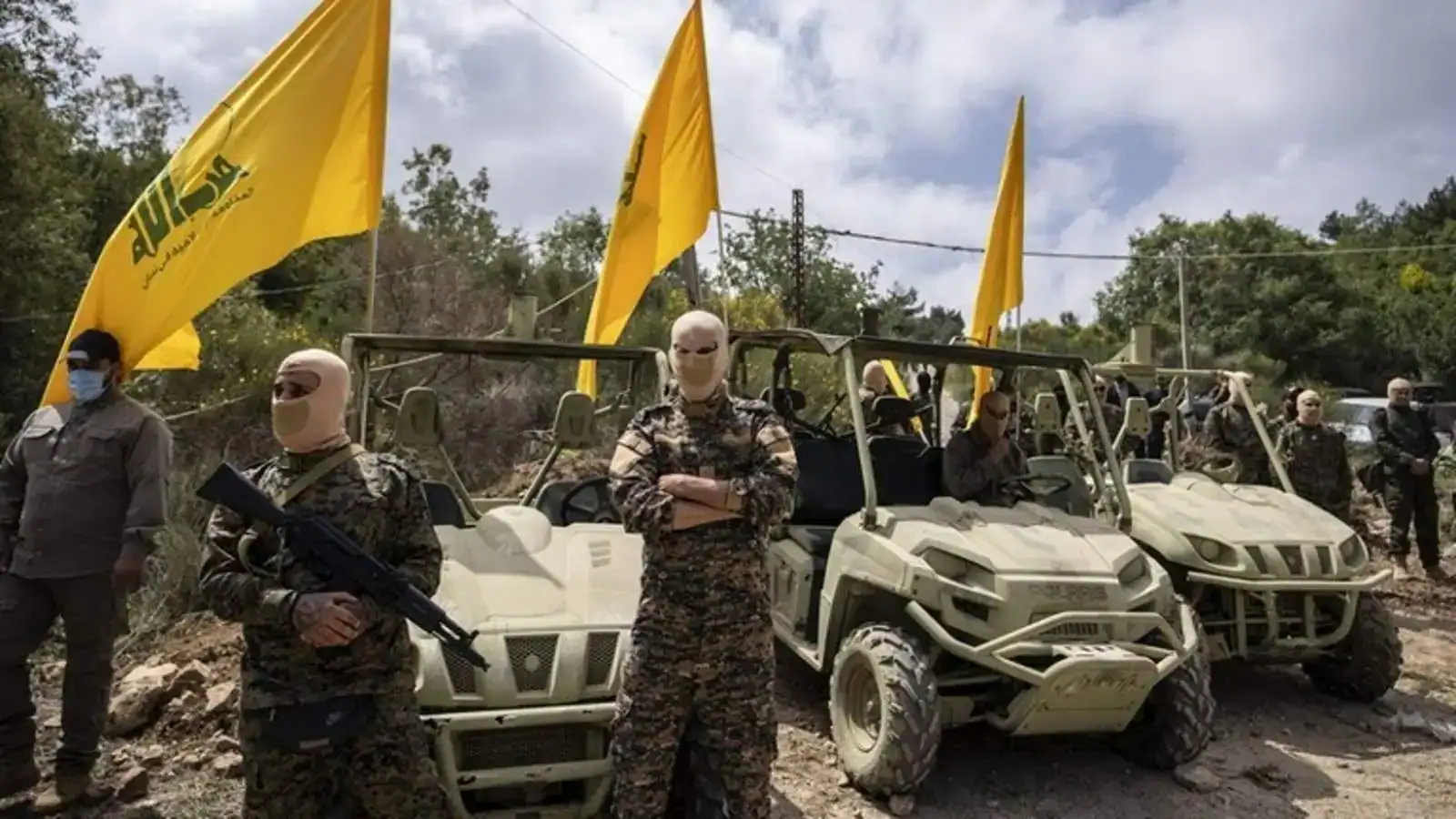
For its part, the Hezbollah militia continued firing rockets at settlements in northern occupied Palestine and toward Israeli occupation forces that advanced 14 kilometres into some areas of southern Lebanon. The Israeli occupation army announced today, Friday, that two soldiers were wounded in southern Lebanon as a result of the explosion of a suicide drone near its forces.
Europe criticised the Israeli strikes, and some countries described them as "unacceptable" in light of the American-Iranian truce.
Trump expressed anger at Iran's "poor performance" in reopening the Strait of Hormuz, while Tehran partially closed it in response to the strikes in Lebanon.
Upcoming Negotiations
Vice President J. D. Vance is scheduled to chair talks in Islamabad tomorrow, Saturday 11 April, and Iran demands a complete halt to strikes on Lebanon, while Israel insists on continuing its operations.
Direct Negotiations Between Lebanon and Israel
The Lebanese Presidency announced a phone call, the first of its kind, on Friday evening between Lebanon's Ambassador to Washington, "Nada Hamadeh Moawad," and Israel's Ambassador to Washington, "Yechiel Leiter," with the participation of the US Ambassador to Beirut, "Michel Issa," who is in Washington, and that it was agreed to hold the first meeting next Tuesday at the headquarters of the US State Department, to discuss the announcement of a ceasefire and set a date for the start of negotiations between Lebanon and Israel under American sponsorship.
Read also: The continued closure of the Strait of Hormuz threatens a rise in global oil prices.
American Military Reinforcements
According to the Wall Street Journal, large American military reinforcements are heading to the Middle East, including fighter aircraft and the American aircraft carrier "USS George H.W. Bush" with its strike group, to join the two other aircraft carriers already in the region (USS Abraham Lincoln and USS Gerald R. Ford). At least two thousand soldiers, including marines and logistical support units, are heading to the region.
This deployment aims to strengthen American capabilities and ensure the implementation of the ceasefire terms, particularly the reopening of the Strait of Hormuz, while maintaining military options in the event of its collapse.
Economic and political repercussions:
Oil prices fell temporarily after the announcement, but the continuing tensions in Lebanon portend a new rise. In Israel, the conflict with Iran has become a battleground for elections, with the popularity of the Likud party declining.
Opinion polls indicate that most Israelis oppose a ceasefire with Iran, considering it a concession that weakens Israel's position. As a result, the Likud party led by Netanyahu has suffered a decline in opinion polls, according to Israeli media.
Conclusion: A fragile truce on the verge of collapse
Israeli media describe the ceasefire as "extremely fragile" due to the continuation of military operations in Lebanon, which Iran considers an integral part of the ceasefire agreement. While each side claims "victory," the continuation of Israeli strikes and the possibility of an Iranian response make the continuation of the ceasefire uncertain. The world is awaiting the outcome of the Islamabad talks as a "decisive moment" for the future of the region.


