


On 28 July 2014, the Yarkand area (Yarkand/Yarkent) in the Xinjiang region (East Turkestan), which has a Uyghur majority, witnessed one of the bloodiest episodes in the history of tensions between the Chinese authorities and the Uyghur population. More than a decade later, the details of the incident and its death toll remain shrouded in ambiguity.
Each year, the Uyghurs commemorate what they call the "Yarkand Massacre," while the Chinese authorities describe it as a security operation against a "terrorist attack." Between these two contradictory accounts, the full truth has remained absent, amid continuing calls for an independent international investigation into what happened in those days.
Two Conflicting Accounts of the July 2014 Events
The events took place in the town of Elishku and the surrounding areas of Yarkand County, areas with a large Uyghur population. According to Uyghur accounts, the crisis began during the final days of Ramadan, under strict security restrictions on Uyghur religious practices.
Testimonies relayed by Uyghur organisations state that tensions escalated after security raids targeting homes and mosques, and that the arrest of women who had gathered to pray and recite the Quran prompted their relatives to come out demanding to know their fate.
Other accounts spoke of an Uyghur family being killed during a security operation, which led residents to protest what they considered excessive use of force.
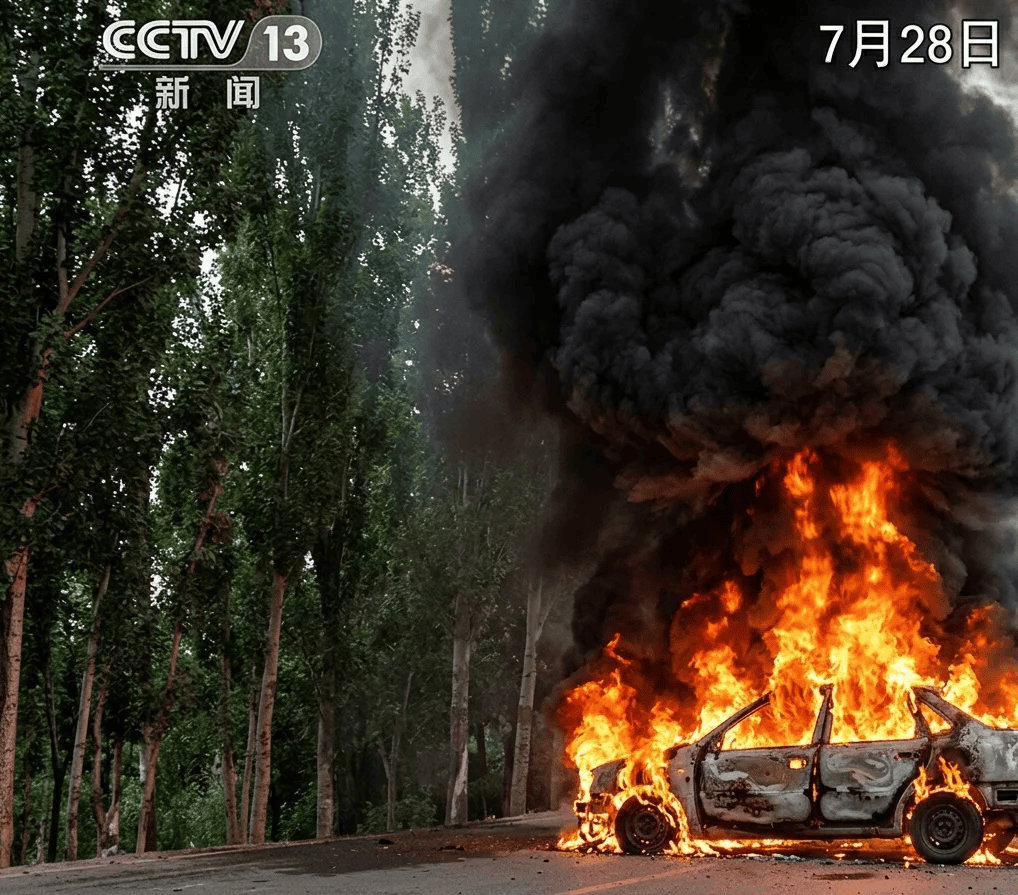
The Chinese authorities announced that the incident was an "organised terrorist attack," stating that armed individuals attacked government facilities, police stations and vehicles, and that 37 civilians and 59 attackers were killed, in addition to the arrest of more than 200 people.
However, critics of the official account point out that the authorities have not published a complete list of the names of those killed, and have not allowed independent bodies to investigate the circumstances of their deaths or determine responsibility in each case.
The Death Toll: An Unknown Figure Amid Widespread Opacity
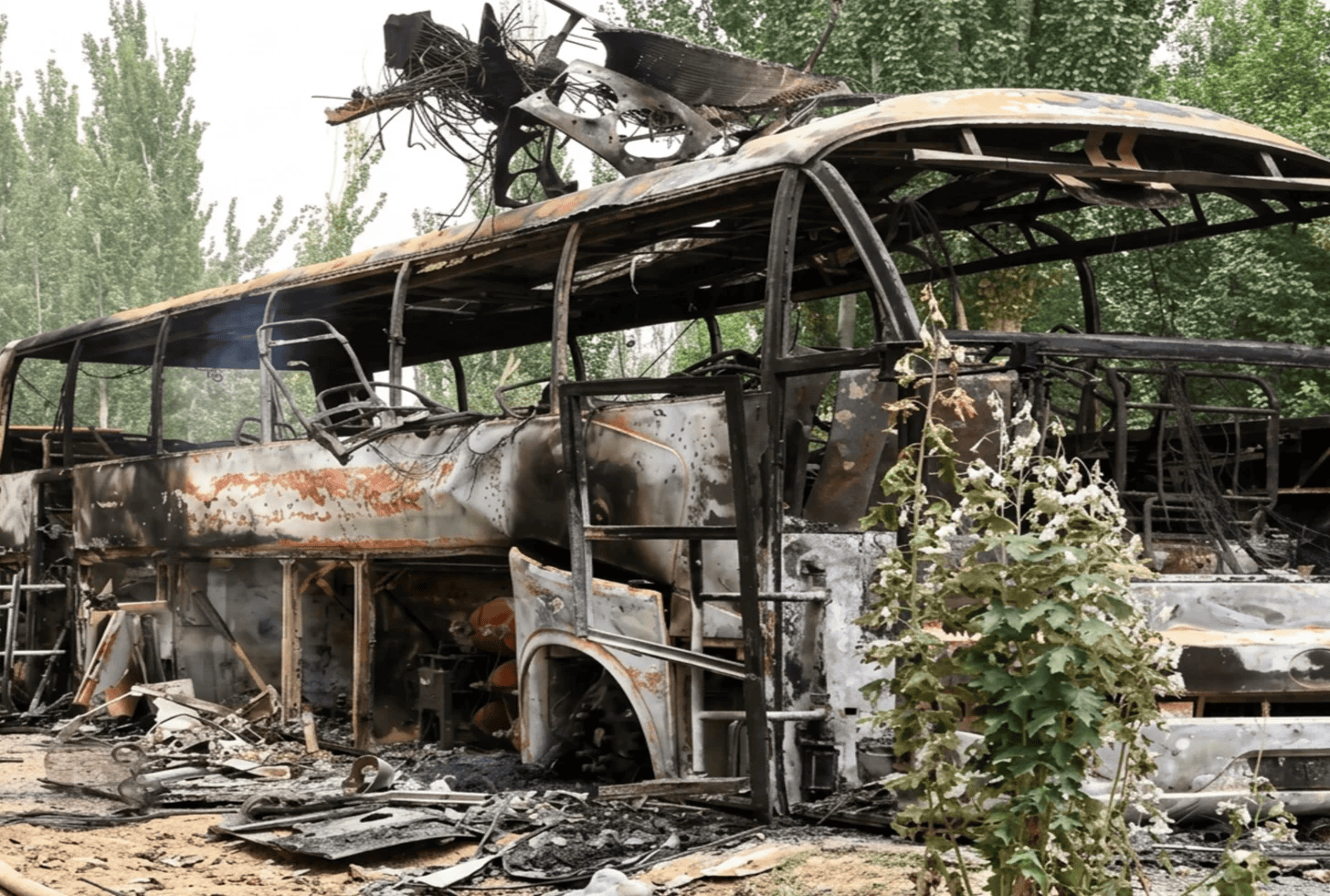
After the events, the Chinese authorities imposed broad restrictions on communications and closed the area to journalists and observers, making access to independent information extremely difficult.
Reports from Uyghur organisations and international media indicate that the number of victims may have been far greater than the official figure. Radio Free Asia cited Uyghur sources with estimates suggesting that thousands of people may have been killed, while other sources spoke of figures ranging between 3,000 and 5,000 dead or missing.
However, these figures cannot be independently verified due to the absence of open investigations.
Uyghur activists believe the problem concerns not only the number of victims, but also the fate of people who disappeared without their families knowing where they were buried or whether they had been killed.
From Yarkand to Mass Detention Camps
Many researchers consider the Yarkand events to have been a prelude to the larger escalation that began after 2017, when the Chinese authorities launched a broad campaign of detention and political re-education in Xinjiang.
During that campaign, international human rights organisations said that hundreds of thousands, and possibly around one million, Uyghurs and other Muslim minorities were detained in facilities that Beijing described as "vocational training centres," while critics described them as mass detention camps.
Human rights reports accuse the Chinese authorities of using mass arrests, extensive surveillance, and restrictions on religious and cultural practices, in addition to allegations of forced labour.
Beijing rejects these accusations and affirms that its measures aim to combat terrorism and extremism and to achieve development and stability.
Testimony from Inside the Chinese Security Apparatus
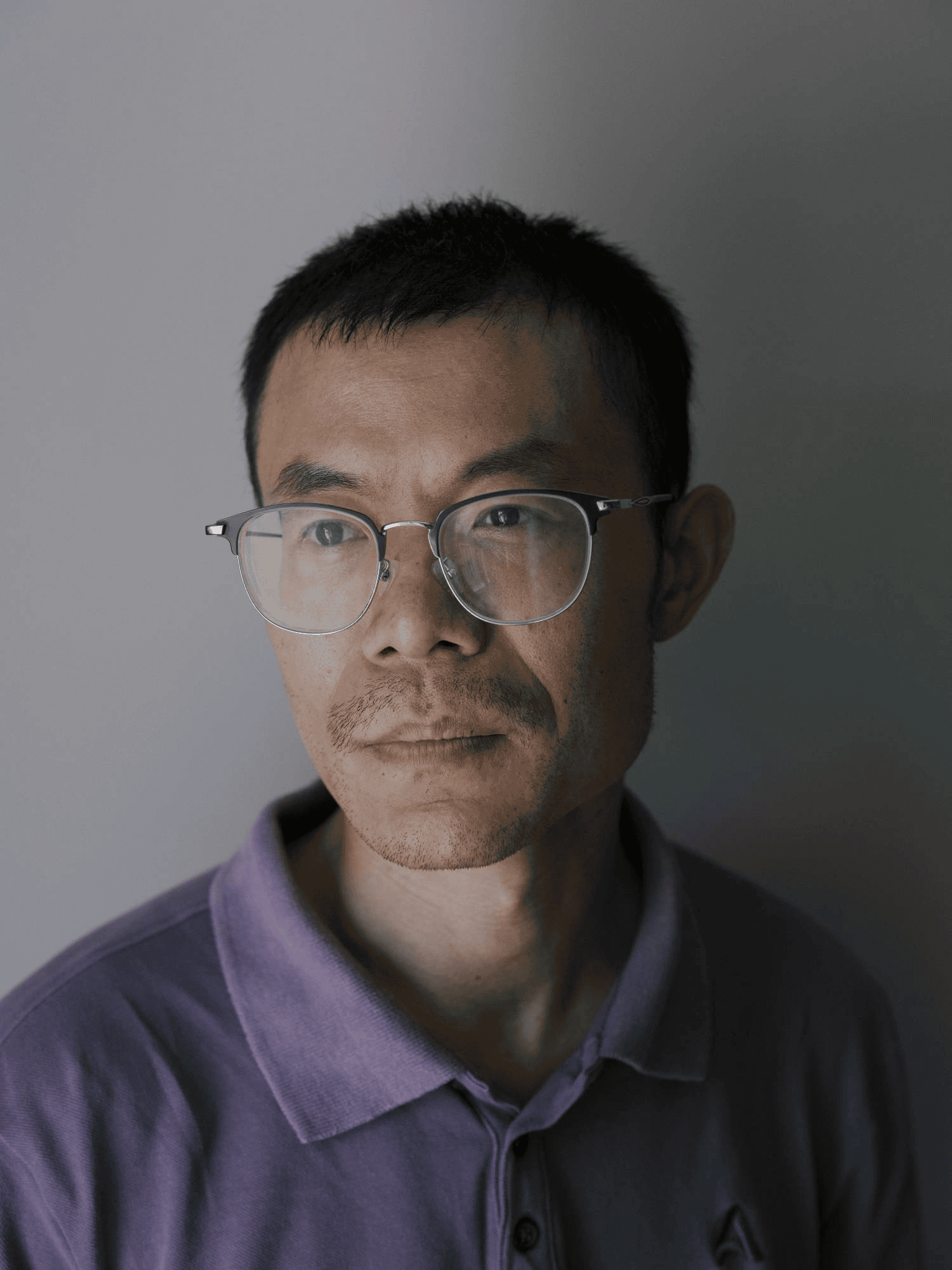
In a new development that sheds light on the nature of the security system in Xinjiang, former Chinese police officer Zhang Yabo spoke about his experience within the agencies that took part in monitoring and detaining Uyghurs.
According to a report published by The New York Times, Zhang served for about nine years in the Xinjiang police, where he took part in operations of surveillance, detention and transfer of detainees.
Zhang, who has applied for asylum in Germany, said the region was akin to a "huge prison surrounded by iron walls," and that the system did not only imprison Uyghurs, but also affected the people tasked with implementing it.
He explained that he initially believed the official narrative that described the detainees as "terrorists and separatists," but later began to re-examine what he had witnessed after leaving China and using the internet beyond government censorship.
Acknowledging Responsibility or Justifying a Role?
Zhang says he did not directly torture anyone, and that his role was limited to carrying out orders, administrative duties and guarding, placing responsibility on senior leadership.
However, critics point out that working within a repressive system does not fully absolve individuals of responsibility, even if they were not the ones making final decisions.
Some researchers believe Zhang's testimony is important because it offers a view from inside the Chinese security apparatus, but at the same time it requires independent assessment, especially since he also seeks recognition as a victim of the system he served in.
Uyghur activists said the suffering of personnel within the system cannot be compared with the suffering of residents who were subjected to surveillance, arrest, forced labour and the loss of family members.
A Memory That Has Not Been Erased

Twelve years after the Yarkand events, the case remains a symbol of the deep dispute over China's policy in Xinjiang.
For the Uyghurs, it represents the memory of victims who lost their lives or disappeared without answers. For Beijing, it is part of its struggle against what it describes as terrorism and separatism.
While human rights organisations call for the disclosure of victims' names and for an independent investigation, the Chinese authorities maintain that their measures were necessary to protect national security.
Yet the question remains: why has the area not been opened to an independent international investigation? And why have many details about the dead and missing remained undisclosed?
For many Uyghur families, the Yarkand events did not end with the reopening of roads and the lifting of the blockade; the wound remains open, and the search for the truth continues.


