


Wasl News | Opinion | The War on Iran and Our Shia Brothers: Which Brotherhood Are They Talking About?
During and after the war on Iran, a vast media machine linked to the Muslim Brotherhood and Iran comes to the surface, playing on the strings of "Islamic brotherhood," "shared destiny," and "confronting global arrogance." This discourse, which attempts to portray any conflict with the Iranian regime as a war on "the Shia" or a targeting of "our brothers," as they call them, today faces a solid wall of blood-soaked facts in major Arab countries.
The question the Arab street is asking today, from the Atlantic to the Gulf, is not about the legitimacy of the war or its lack thereof, but about the reality of that "brotherhood" they speak of: which brothers are they talking about, when their daggers are still lodged in the flanks of Baghdad, Damascus, Sanaa, and Beirut?
First: The Philosophy of "Brotherhood" from the Iranian Perspective (Subordination, Not Partnership)
Before delving into the field realities, it is necessary to understand the "political doctrine" that drives the Iranian regime. Since the 1979 revolution, Tehran has not dealt with its neighbours as sovereign states, but as arenas for exporting the revolution. In the Iranian political lexicon, brotherhood does not mean "equality," but "absolute loyalty to the Guardian Jurist." From this standpoint, Muslims are divided into two categories: "brothers," those who revolve in the Iranian orbit, and "enemies," everyone who opposes them.
Second: Crimes in Iraq..
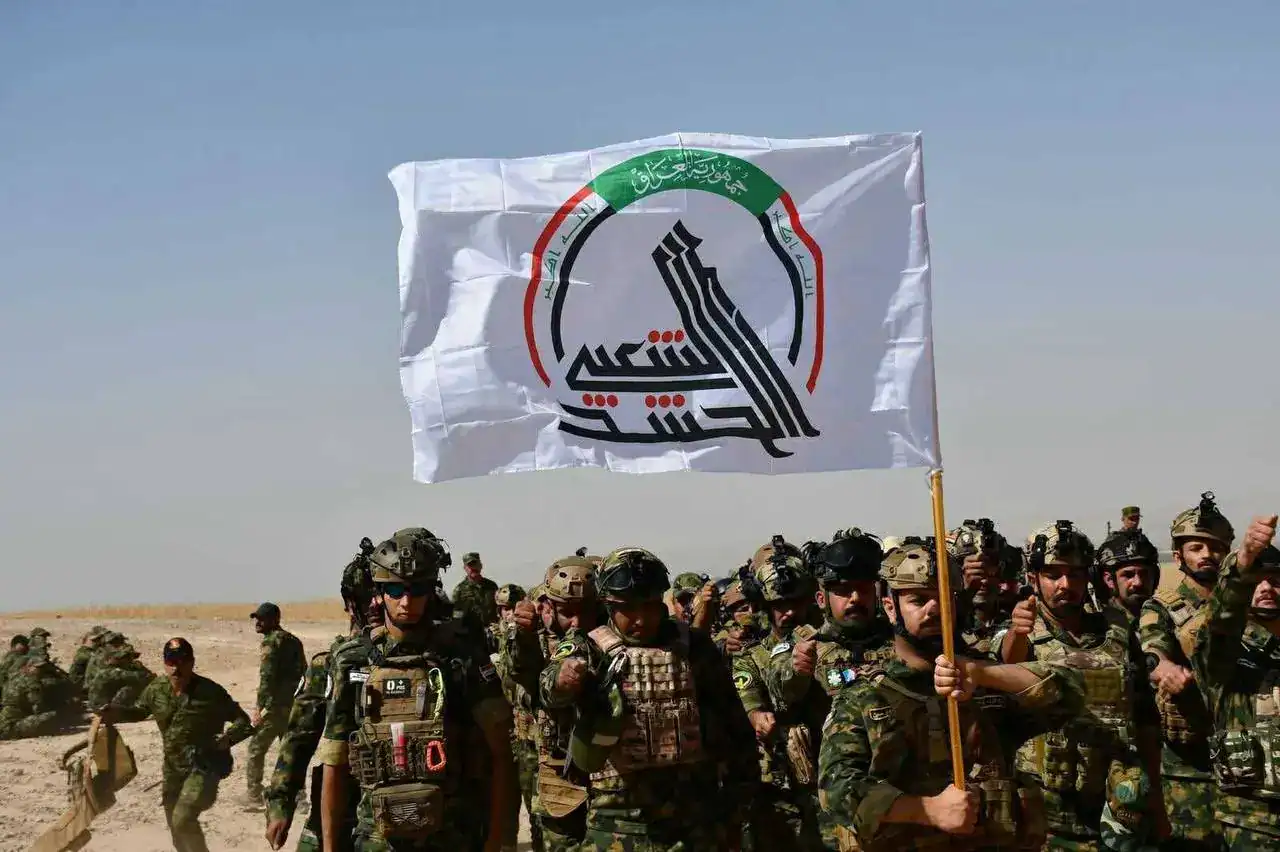
Assassinations and Liquidations:
Iran-affiliated militias (such as Asa'ib Ahl al-Haq, Badr, and Kataib Hezbollah) carried out extensive sectarian liquidation operations against scholars, preachers, those who resisted the American occupation, and everyone who opposed Iranian influence.
Demographic Change:
The crimes in Iraq included the bulldozing of entire towns (such as Jurf al-Sakhar) and preventing their residents from returning, turning them into Iranian military barracks.
The bullets did not distinguish between one sect and another; the criterion for "brotherhood" was the degree of submission to Tehran.
Suppression of the October Uprising:
When young Shia men in Basra, Najaf, and Karbala rose up demanding a "homeland" free from the influence of the mullahs under the slogan "Iran out, out," the Iranian response, carried out through militia snipers in cold blood, proved that "brotherhood" collapses immediately when it conflicts with Tehran's interests.
Third: Crimes in Syria.. Slaughtering the People to Protect the Throne
The Syrian revolution represents the greatest moral collapse of the Iranian "resistance" project. Here, Iran sent the Quds Force and dozens of cross-border militias to prevent the fall of the Assad regime.
Systematic Extermination Campaign:
Iran directly participated in the siege of cities and the starvation of their people in Madaya, Zabadani, and Aleppo. The crimes in Syria were not merely a military conflict, but an attempt to uproot Syrians from their land and replace them with new settlers within what is known as "useful Syria."
The leaked footage of torture and summary killings carried out by the supposed "brothers" constitutes crimes that will never be forgotten.
How can anyone speak of "brotherhood" having seen the aircraft and militias funded by Tehran demolish mosques and homes on the heads of their residents? The blood of the Syrians revealed that the "axis of resistance" is nothing but an axis for entrenching Iranian influence, even on the rubble of burning cities.
Fourth: Crimes in Yemen..
In Yemen, Iran used the "Houthis" card to destabilise the Arabian Peninsula. Under the slogan "the Scream," launched by the Houthi movement, the real victim was the Yemeni people.
Mines and Destruction:
The Houthi militias, with Iranian technical support, planted millions of landmines. The crimes in Yemen extend from the bombing of civilian facilities to the siege of the city of Taiz for many years. It is the city inhabited by "brothers" who were starving.
Recruitment of Children:
The Houthis transformed schools into camps for recruiting children and indoctrinating them with sectarian ideas that ensure the continuation of the conflict for generations to come.
Fifth: Iran's Crimes in Lebanon.. The Falsehood of Brotherhood Under the Banner of the Axis of Resistance
In Lebanon, Iranian influence is more evident than anywhere else, as Hezbollah, Tehran's direct military and political arm, has turned the state into a hostage to the agenda of the axis of resistance. Here Iran does not merely speak of "Islamic brotherhood," but imposes it by force, just as it did in the crimes in Iraq, Syria, and Yemen. "Brotherhood" here means absolute loyalty to the Guardian Jurist in exchange for funding and arms, and any dissent is met with assassination or destruction.
Sixth: The Duplicity of Iranian Discourse
Iran uses "the Palestinian cause" as an emotional shield, while it squeezes the Palestinians in Iraq and was slaughtering them in the camps of Syria. It is a "utilitarian brotherhood" that ends the moment political interest ends. Tehran demands solidarity with it, yet it has not left these peoples a single moment of safety.
Arab awareness today has moved beyond the phase of slogans. Everyone has realised that the Iranian project is an expansionist project under a religious cloak. During the war, the regime in Tehran found itself alone before peoples who have tasted its suffering. The Arab memory, charged with the pain of the crimes in Syria, Iraq, and Yemen, will not be erased by stirring speeches, and Arab peoples will not rise to defend a regime that destroyed their cities, killed their youth, and displaced their children.
All these testimonies make calls for "brotherhood" nothing more than a wretched attempt to throw dust in people's eyes.
The victims in Iraq, Syria, and Yemen are the true witnesses to the "falsehood of brotherhood."


