

The US-"Israeli" war with Iran was not merely a new military confrontation in the Middle East. It became an unprecedented test of the security system on which the Gulf states had relied for decades. Although Gulf air defences succeeded in intercepting most Iranian missile and drone attacks, the war exposed the limits of American protection, the depletion of interceptor missile stocks, and the vulnerability of maritime corridors and energy and water facilities. In an extensive strategic study, the International Institute for Strategic Studies warns that the region faces a phase in which it may be forced to reformulate its defence doctrine, its military alliances and its economic model.
In a study titled "The Gulf at War: Geopolitical, Defence and Geo-economic Dimensions", published by the International Institute for Strategic Studies (IISS) on 30 October 2026 to coincide with the Manama Dialogue, a team of researchers provides a comprehensive review of the war's repercussions for the six member states of the Gulf Cooperation Council: Saudi Arabia, the UAE, Qatar, Kuwait, Bahrain and the Sultanate of Oman.
The dossier was edited by Hassan al-Hassan and Emile Hokayem, with the participation of experts in military, security and economic affairs. The study addresses developments in Gulf relations with Iran and the United States, the performance of air defences, the future of US bases, the Strait of Hormuz crisis, and the impact of the war on energy, trade, food and water security.
The study rests on a central finding: the Gulf states demonstrated considerable capacity for military and economic resilience, but they also discovered that possessing advanced weapons, hosting US bases and being deeply linked to the global economy are not, on their own, sufficient to guarantee protection from a wide regional war.
First: More than six thousand missiles and drones: an unprecedented test for Gulf defences
The study begins with the scale of the attacks the region endured during the first phase of the war, which ran from 28 February until the ceasefire of 8 April 2026.
According to the Institute's estimates, Iran launched more than six thousand ballistic missiles and drones against 12 countries during that period.
The attacks targeted US military installations, air bases, economic facilities and civilian infrastructure, in addition to energy facilities, ports and airports.
This volume of attacks represents an exceptional test for air defence systems, not only because of the number of projectiles but also because of their variety, ranging from high-speed ballistic missiles and low-cost suicide drones to cruise missiles.
The study notes that Gulf air defences, supported by US and allied forces, succeeded in intercepting most Iranian projectiles and preventing them from reaching their targets.
It cautions, however, against treating interception rates exceeding 90% cited in some official announcements as figures independently confirmed.
Nevertheless, the researchers argue that the absence of the widespread destruction that could have resulted from thousands of targets being hit supports the conclusion that a large share of the attacks were in fact thwarted.
Yet defensive success did not prevent significant damage to economic and vital facilities, nor did it prevent Iran from sustaining military and economic pressure.
This points to one of the study's most prominent conclusions: air defence can win most engagements while the state it protects suffers major strategic damage.
The equation, therefore, does not depend solely on the number of projectiles shot down, but on the disruption the attacks caused to the economy, shipping and confidence in the region's future security.
Second: The American umbrella: considerable military strength and guarantees in question
For decades, the Gulf security system rested on close partnerships with the United States, including the purchase of advanced air defence and combat aircraft systems, the hosting of military bases, and security and intelligence coordination.
The basic assumption was that the broad American presence provided a deterrent that would prevent adversaries from launching major attacks against the states of the region.
The IISS study, however, argues that the war has put this assumption to an unprecedented test.
The United States fought the war against Iran alongside "Israel", even though the Gulf states had sought to avoid a wide confrontation with Tehran because of the direct risks it posed to their territory and economies.
At the same time, US bases and facilities within the Gulf states became part of Iran's list of targets.
According to the analysis, the United States focused its initial military planning on a broad offensive campaign against Iranian facilities and capabilities and on protecting its deployed forces and "Israel", but it did not adequately prepare for the war's repercussions on navigational security in the Strait of Hormuz and on the economic infrastructure of the Gulf states.
The Institute believes this gap weakened Gulf confidence in American guarantees.
The study does not necessarily anticipate an end to the American military role in the region, nor does it consider that the Gulf states could quickly dispense with American technologies and systems.
Advanced air defence systems, command and control infrastructure, early-warning capabilities and interceptor munitions continue to tie Gulf security closely to the United States.
The Gulf states thus face a strategic dilemma: they need American protection, yet they have become more anxious about exclusive reliance on it, and about the possibility that their territory could become a battlefield because of Washington's conflicts with its adversaries.
Will US bases move away from the Gulf?
A chapter of the study, titled "The United States, the Gulf States and the Making of a Post-American Gulf", discusses the possibility of a redistribution of the American military presence in the Middle East.
The researchers consider it likely that the fragility of US bases and facilities in the Gulf in the face of Iranian attacks will push Washington to move a larger share of its deployments towards the eastern Mediterranean.
This approach might reduce the exposure of some US forces to direct attacks, but it could be interpreted in the Gulf as a retreat from the American commitment to protect the region.
Nevertheless, this possibility represents an assessment of the future of military deployment, not a final American decision to leave Gulf bases.
The question the study raises here goes beyond the locations of bases: will American security guarantees retain the same strength if US forces are geographically farther from the states they pledge to protect?
Third: Iran did not win the battle militarily, but it demonstrated its capacity for disruption
The study offers a layered reading of Iran's military performance.
On the one hand, Iran was subjected to wide-ranging US and "Israeli" strikes that targeted commanders, military facilities and missile and naval capabilities, and some elements of its conventional strength declined.
On the other hand, it was able to continue using missiles, drones and maritime threats to inflict economic damage and impose costs on its adversaries.
The Institute believes that the Iranian strategy was not primarily based on achieving air or naval superiority against the United States, but on endurance and on preventing its adversaries from imposing a rapid end to the war.
To achieve this, Tehran relied on widening the geographical scope of the confrontation, so that Iran would not bear the costs of the war alone, while neighbouring states and the global economy would suffer damage that pushes towards de-escalation.
The researchers call this mechanism "horizontal escalation", meaning the transfer of pressure to other theatres and targets rather than confining the fight to direct confrontation with US and "Israeli" forces.
This included targeting military and economic interests in the Gulf, disrupting navigation through the Strait of Hormuz, and drawing on the capabilities of armed groups allied to Iran in the region.
According to this interpretation, the limited direct damage caused by most Iranian missiles and drones does not mean the campaign failed to achieve a strategic effect.
The war affected shipping, insurance, investment and energy, areas in which economic losses can exceed direct military losses.
The study does not, however, establish that Iran achieved a comprehensive military victory; rather, it indicates that Iran absorbed heavy losses while retaining capabilities that allow it to continue applying pressure.
The result it highlights is that conventional military superiority alone does not guarantee an end to an adversary's ability to impose long-term strategic costs.
Fourth: Four gaps reshaping Gulf defence
The Institute identifies four military areas that it believes will move to the top of Gulf priorities after the war.
1. The interceptor missile crisis
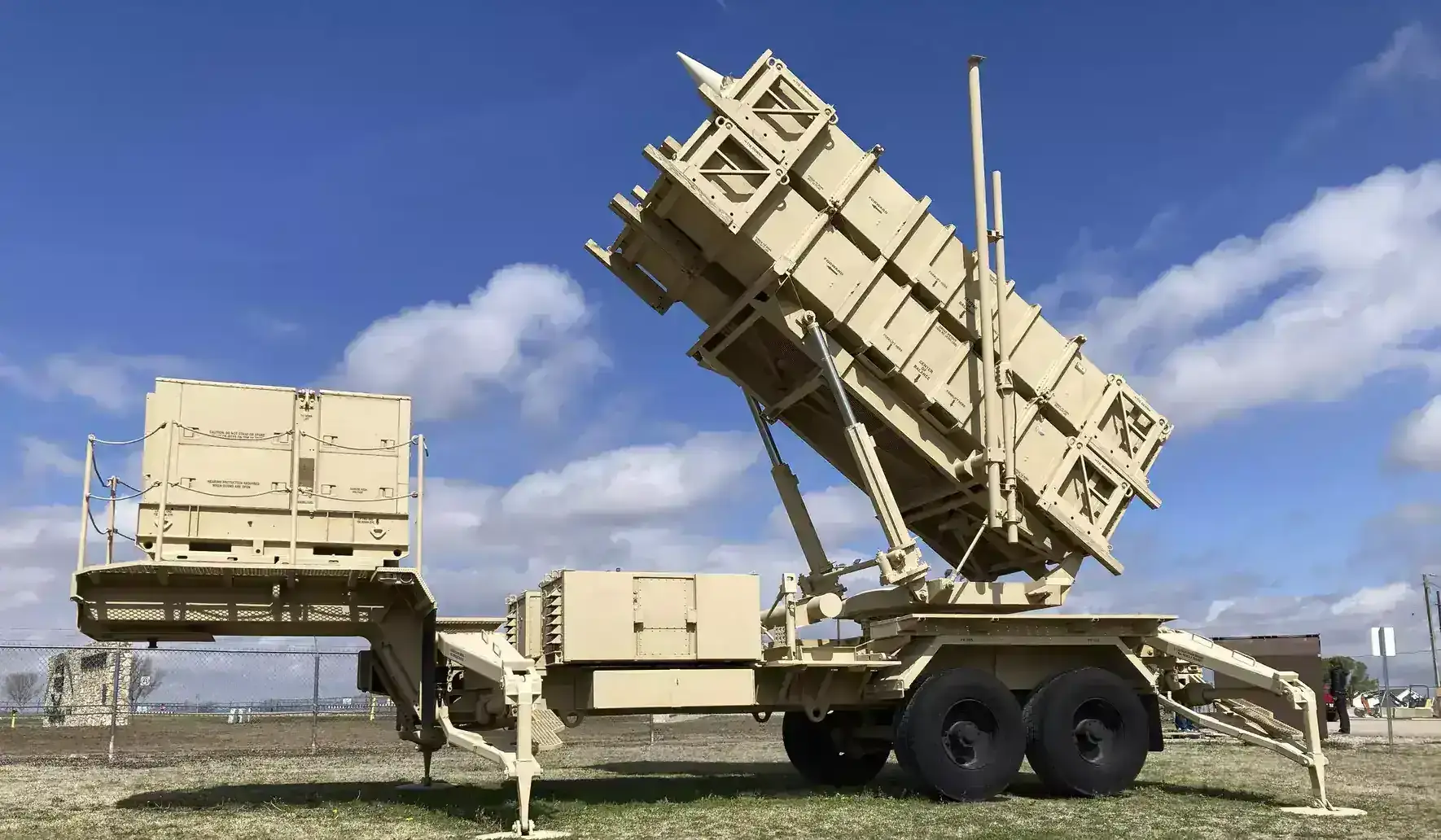
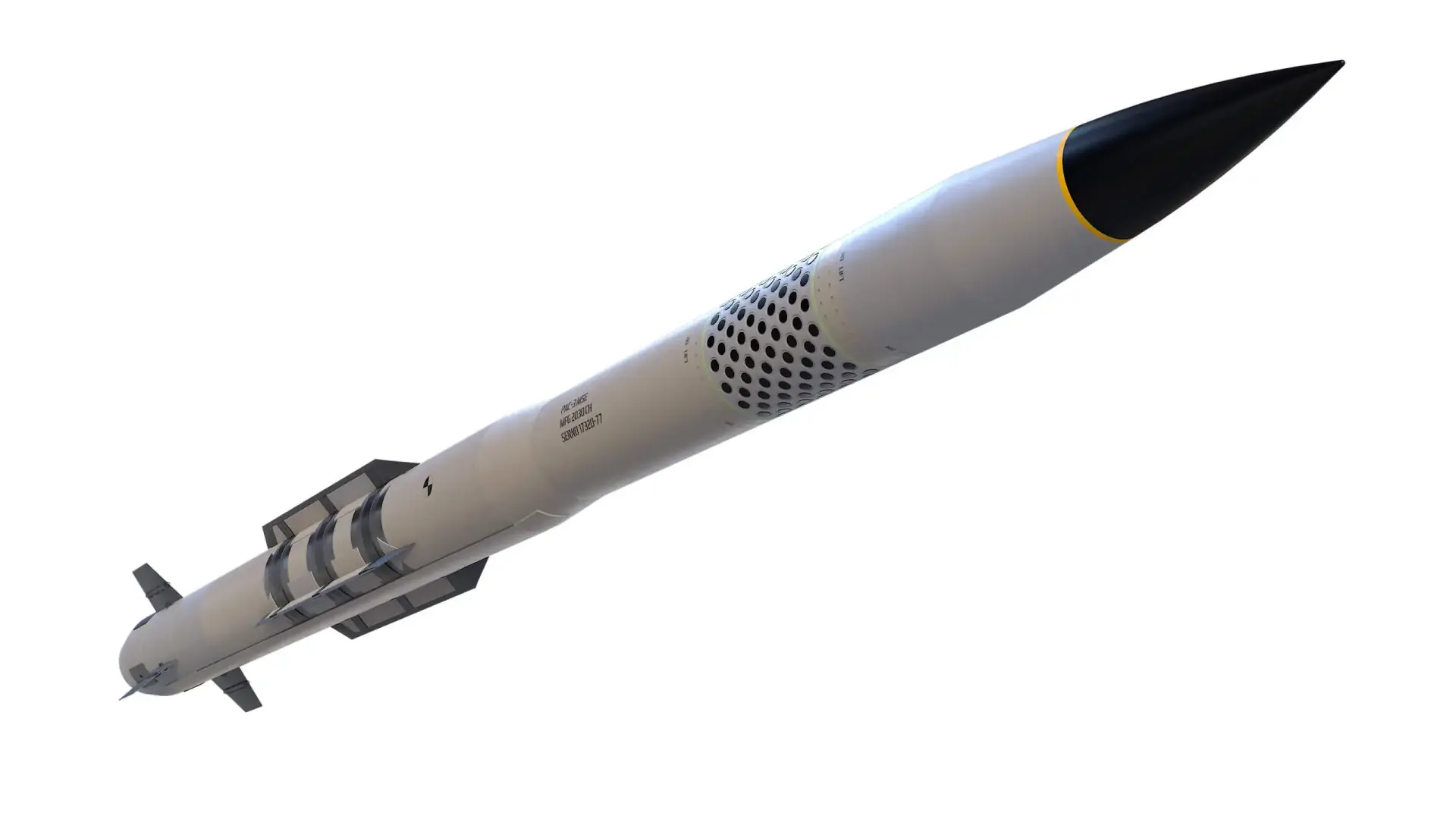
Gulf states rely extensively on advanced air defence systems, including Patriot and other American and Western systems.
These systems have proven their capacity to intercept serious missile threats, but they face a problem relating to the cost of munitions, their rate of consumption and the speed of replenishment.
In a war involving repeated waves of projectiles, depletion of defensive stocks may become an extremely critical challenge.
This problem is compounded when the countries that produce interceptor missiles are simultaneously required to meet the needs of other theatres.
The study argues that sustaining the effectiveness of Gulf defences requires deeper stockpiles, a faster capacity for replenishment, and interception means whose cost of use is proportionate to the type of threat.
2. Cheap drones upset defensive calculations
The war exposed an economic imbalance in some air defence operations.
A defender may be compelled to use a high-cost weapon to intercept a much simpler and far cheaper drone.
This paradox does not mean that drones can always penetrate defences; the Institute stresses that they remain vulnerable to interception, particularly where integrated systems for detection, jamming and destruction are available.
However, their continued launch in large numbers can impose cumulative costs on the targeted state.
Accordingly, the researchers call for the development of multi-layered defence systems that combine advanced interception means for major threats with lower-cost solutions for dealing with drones.
They stress that the success of these systems also depends on integrating radars, sensors and command and control systems, not merely on acquiring new weapons.
3. Deterrence is not achieved through defence alone
The Institute puts forward the idea that defensive capabilities, however effective, are not sufficient on their own to rebuild deterrence.
An adversary may keep up its attacks if it believes the other side will be content with intercepting them, without possessing the capacity or the will to impose matching costs.
For this reason, the researchers expect some Gulf states to review their long-range offensive capabilities, as part of efforts to rebuild deterrence against Iran.
The study nevertheless stresses that possessing long-range strike means is not enough in itself.
The effectiveness of these means requires advanced intelligence, surveillance and reconnaissance infrastructure that makes it possible to identify targets and assess the results of operations.
The development of these capabilities remains tied to sensitive political and strategic choices, because strengthening offensive deterrence may at the same time carry the risks of an arms race and escalation.
4. Naval defence: the link the war showed to be weak
Naval capabilities occupy a central place in the Institute's recommendations.
The Hormuz crisis demonstrated that possessing combat aircraft and advanced air defences does not guarantee the continuity of commercial navigation.
Gulf states need greater capacity to counter sea mines, anti-ship missiles and threats from aerial and maritime drones.
They also need broader systems for monitoring ship movements and detecting threats at an early stage.
The study holds that long reliance on the US Navy and international forces has left gaps in certain local capabilities needed to protect ports, trade routes and energy lines.
These gaps may remain significant even if air defences succeed in reducing the impact of missile attacks on cities.
Fifth: The Strait of Hormuz reveals the limits of US naval power
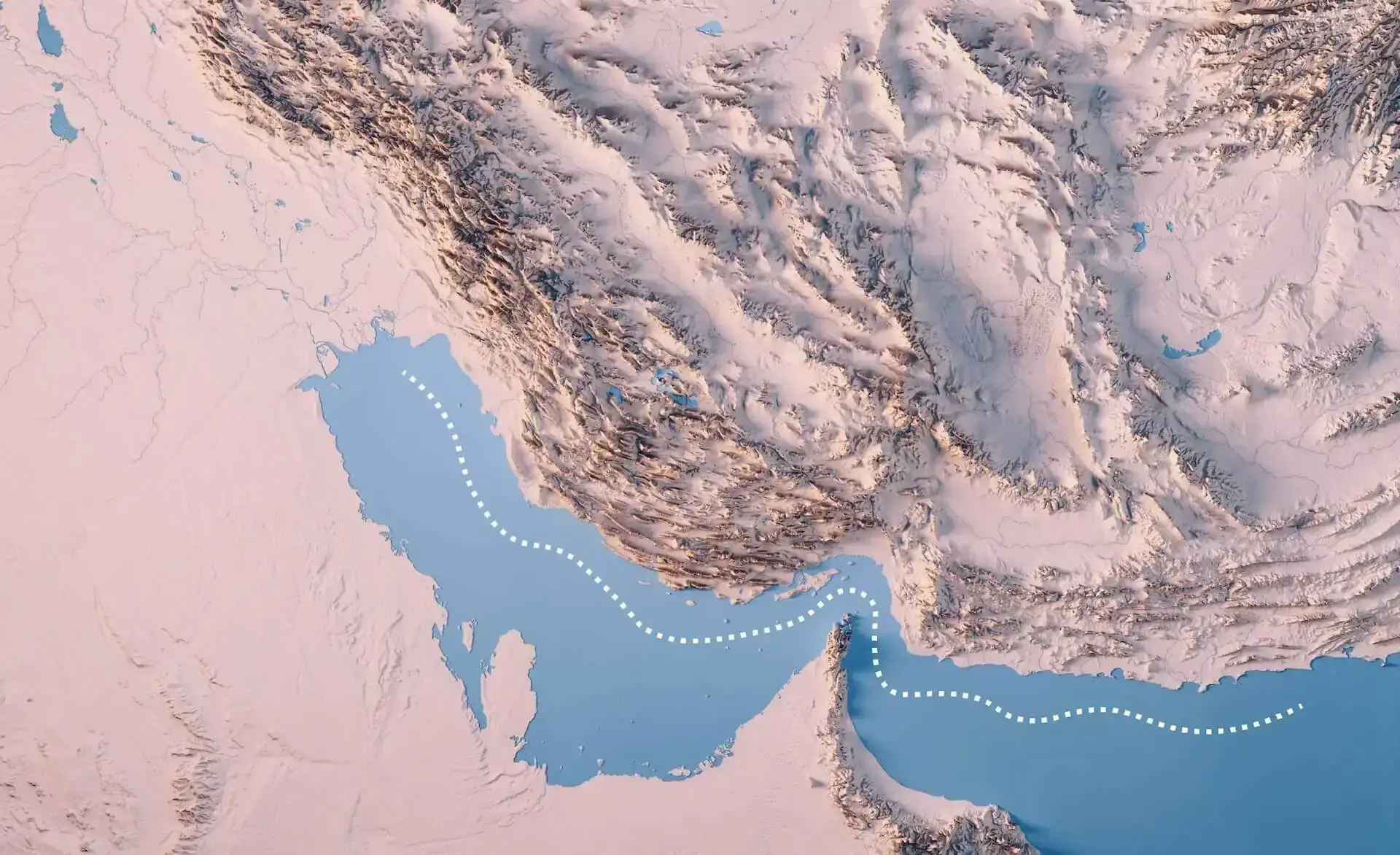
The Strait of Hormuz was one of the most prominent arenas of conflict during the war, owing to its position in the flow of global oil and gas exports.
Military operations revealed the difficulty of guaranteeing freedom of navigation in a narrow passage that can be threatened by asymmetric means, such as missiles, drones, mines and small boats.
The Institute believes the United States succeeded in weakening some Iranian capabilities used to threaten navigation, but did not manage to eliminate all sources of danger definitively.
Iran, for its part, exploited its geographical position and its capacity for intermittent threats to ships to keep risks and costs high.
The study notes that energy export flows through the strait improved compared with the periods of most severe disruption.
According to a range of estimates it reviewed, oil and oil product flows through the strait were assessed at around 5 to 10 million barrels per day in mid-September 2026.
However, this traffic remained dependent on American naval protection and on the level of risk that shipping and insurance companies are prepared to accept.
For this reason, the Institute warns that the continuation of navigation does not necessarily mean the strait has returned to its normal state.
Stability requires more than escorting ships; it requires security and political arrangements that allow trade without permanent threat.
From Hormuz to Bab al-Mandab
The study links the Hormuz crisis to the attacks carried out by the Iran-backed Houthis against shipping in the Red Sea and Bab al-Mandab.
It argues that both episodes showed the capacity of actors possessing means cheaper than major fleets to disrupt trade routes of global importance.
Even with advanced naval forces present, it may not be possible to eliminate completely all threats deployed along coastlines or used against ships.
This situation is made harder by the difficulty of finding safe alternative routes, since diverting exports from the Gulf to the Red Sea does not necessarily remove the risk of attacks.
Protecting regional trade thus becomes a multi-front issue that cannot be confined to a single strait.
Sixth: Why the losses of the six Gulf states differ
The study confirms that the GCC states were not affected by the war to the same degree.
Geography, infrastructure and export options played a decisive role in determining each state's capacity to cope with the navigation crisis.
Saudi Arabia has outlets on the Red Sea, while the UAE can benefit from the port of Fujairah outside the Strait of Hormuz, and Oman has ports overlooking the Arabian Sea.
These outlets provided partial alternatives for exporting energy and importing goods.
Qatar, Kuwait and Bahrain, by contrast, face greater constraints with respect to sea routes for oil and gas exports, because of their direct reliance on passage through the Strait of Hormuz.
The Institute clarifies, however, that the existence of alternative ports does not mean the ability to replace all disrupted energy exports, since these alternatives are tied to specific capacities, pipelines, and storage and transport facilities.
Alternative routes may themselves be vulnerable to attack or operational bottlenecks.
This disparity helps explain some of the variation in the priorities of Gulf states in dealing with Iran and with the future of maritime security.
A state with multiple export options faces pressures different from those of a state that depends almost entirely on a single maritime passage.
ومن هنا ترى الدراسة أن بناء موقف خليجي موحد سيظل مهمة معقدة، رغم تقارب المخاطر التي تواجه جميع الدول.
سابعًا: الأمن الخليجي لم يعد عسكريًا فقط.. المياه والغذاء في دائرة الخطر
من أكثر الجوانب أهمية في الدراسة انتقالها من تحليل الصواريخ والقواعد العسكرية إلى أمن المياه والغذاء.
فقد طالت الهجمات الإيرانية منشآت للطاقة والمرافق المدنية والخدمية، ما أثار مخاوف بشأن سلامة محطات التحلية وتوليد الكهرباء.
وتعتمد دول خليجية عديدة بدرجات متفاوتة على تحلية مياه البحر لتلبية جانب أساسي من احتياجاتها.
ويزيد هذا الاعتماد أهمية حماية المنشآت الساحلية وشبكات توزيع المياه والكهرباء.
لكن الدراسة تسجل أيضًا نتيجة مهمة ينبغي عدم إغفالها: رغم الهجمات والمخاطر، لم تتعرض دول الخليج لانقطاع واسع ومستمر في إمدادات المياه، ولم تشهد نقصًا غذائيًا شاملًا خلال الفترة التي تناولها التقرير.
فقد تمكنت المؤسسات الحكومية والشركات من المحافظة على استمرار الخدمات الأساسية، مع اتخاذ إجراءات لتغيير مسارات الإمداد واستخدام الاحتياطيات وتكييف العمليات التجارية.
وتؤكد هذه النتيجة أن القدرة على الصمود كانت أعلى مما قد توحي به مشاهد الهجمات وحدها.
لكن استمرار الخدمات لا يلغي هشاشة بعض الأنظمة الحيوية أمام حرب أطول وأكثر كثافة.
وفي هذا السياق، يوضح صندوق النقد الدولي، في تحديثه الاقتصادي الصادر خلال أبريل 2026، أن الواردات الغذائية تمثل أكثر من 80% من الاستهلاك الغذائي في البحرين والكويت وقطر والإمارات، وأكثر من 50% في السعودية وعمان.
كما تشير بياناته إلى اعتماد مرتفع على المياه المحلاة في عدد من الاقتصادات الخليجية، ومنها قطر والبحرين والإمارات.
وهذه المعطيات تجعل الموانئ ووسائل النقل ومحطات التحلية ومرافق تخزين الغذاء جزءًا لا يتجزأ من منظومة الأمن القومي.
ولهذا يوصي معهد IISS بتوزيع المنشآت الحيوية بصورة تقلل الاعتماد على مواقع محدودة، وزيادة المخزونات الاستراتيجية، وتطوير القدرة المحلية على إنتاج الغذاء والمياه، وتعزيز بدائل التشغيل عند تعرض المرافق لهجمات.
فالمنظومة الأمنية التي تحمي المدينة من الصواريخ، لكنها تعجز عن المحافظة على وصول الماء والغذاء والطاقة إليها أثناء حرب طويلة، تظل منظومة غير مكتملة.
ثامنًا: اقتصاد الخليج يواجه تحديًا يتجاوز أسعار النفط
تتناول الدراسة التأثير البعيد للحرب على المكانة الاقتصادية لدول الخليج.
فقد عملت هذه الدول خلال العقود الماضية على بناء صورتها بوصفها مراكز مستقرة للاستثمار والنقل والطيران والخدمات المالية والتكنولوجيا.
واستند جزء كبير من هذا النموذج إلى قدرتها على توفير بيئة آمنة للشركات والمستثمرين والعمالة الدولية، رغم وقوعها في منطقة تشهد صراعات متكررة.
لكن الحرب الإيرانية وضعت هذا الافتراض أمام اختبار جديد.
فالهجمات على المطارات والموانئ ومرافق الطاقة، وارتفاع تكاليف التأمين، وتعطل حركة الشحن، كلها عوامل يمكن أن تؤثر في قرارات المستثمرين والشركات العالمية.
وتشير الدراسة إلى أن توقعات النمو الاقتصادي لدول مجلس التعاون لعام 2026 تراجعت بنحو نقطتين مئويتين، بسبب تداعيات الحرب وفي مقدمتها اضطراب صادرات الطاقة.
ولا يعني ذلك أن اقتصادات الخليج انكمشت بالفعل بالنسبة نفسها، بل إن تقديرات النمو أصبحت أقل مما كان متوقعًا قبل الحرب.
كما أن أثر ارتفاع أسعار النفط يختلف بين الدول؛ فقد تستفيد منه الدولة القادرة على مواصلة التصدير، بينما قد تواجه الدولة المتضررة بشدة من تعطل الشحن خسائر رغم ارتفاع الأسعار العالمية.
ويحذر المعهد من أن استمرار الإنفاق العسكري وأعمال الإصلاح وإعادة الإعمار وارتفاع تكاليف الاقتراض قد يقلل الموارد المتاحة لبعض المشاريع التنموية الكبرى.
لكنه يشدد في الوقت نفسه على أن الحرب لم تُلغِ ضرورة التنويع الاقتصادي.
بل على العكس، فقد أبرزت مخاطر الاعتماد المفرط على النفط والغاز وعلى طرق النقل التي يمكن تعطيلها أثناء الأزمات.
تاسعًا: هل يفقد النفط الخليجي ميزته الاستراتيجية؟
تطرح الدراسة سؤالًا يتعلق بمستقبل مكانة الخليج في أسواق الطاقة العالمية.
فلم تكن أهمية النفط والغاز الخليجيين تقوم على حجم الاحتياطيات وحده، بل على قدرة الدول المنتجة على تزويد الأسواق بصورة منتظمة وموثوقة.
وهذه السمعة منحت صادرات المنطقة ميزة أساسية لدى المستوردين، خصوصًا في آسيا.
لكن الهجمات على المنشآت الحيوية وتعطيل الملاحة دفعت بعض المشترين إلى إعادة تقييم مخاطر الاعتماد الكبير على صادرات تمر بممرات بحرية حساسة.
وتشير الدراسة إلى أن المستوردين الآسيويين قد يطالبون مستقبلًا بشروط تعاقدية وتسعيرية تأخذ مخاطر الإمداد في الحسبان.
كما قد تتزايد الاستثمارات في مخزونات الطاقة والطرق البديلة ومصادر الاستيراد المختلفة.
ولا يعني هذا أن الأسواق العالمية تستطيع الاستغناء سريعًا عن نفط الخليج وغازه، فحجم الإنتاج والبنية الصناعية للمنطقة يجعلانها لاعبًا رئيسيًا يصعب تعويضه.
لكنه يعني أن الثقة في استقرار الإمدادات أصبحت عاملًا يحتاج إلى إعادة بناء.
وبذلك قد يصبح الاستثمار في أمن الطاقة والموانئ وخطوط الأنابيب جزءًا من المنافسة الاقتصادية العالمية، وليس مجرد استجابة عسكرية طارئة.
عاشرًا: هل يتجه الخليج نحو منظومة أمنية جديدة؟
تخلص الدراسة إلى أن الحرب عززت الحاجة إلى مراجعة العلاقات الأمنية الخليجية، لكنها لم تنتج نموذجًا بديلًا جاهزًا للنظام الذي يتمحور حول الولايات المتحدة.
فمن جهة، تتزايد أهمية تنويع الشراكات الدفاعية وتطوير القدرات المحلية والتنسيق الإقليمي.
ومن جهة أخرى، يصعب استبدال التكامل العسكري والتكنولوجي الذي بُني مع واشنطن خلال عقود، خصوصًا في الدفاع الجوي والإنذار المبكر والذخائر والقيادة والسيطرة.
كما لا تتبنى جميع دول الخليج موقفًا واحدًا تجاه إيران.
فبعضها يعطي أولوية أكبر للردع وتعزيز القدرات العسكرية، بينما يفضل بعضها الآخر الحفاظ على قنوات الحوار وخفض التصعيد وتجنب الدخول في صراع مباشر.
وترى الدراسة أن هذه الاختلافات تزيد صعوبة الوصول إلى بنية أمنية خليجية موحدة.
وتضيف عاملًا آخر يتمثل في إعادة تقييم العلاقات مع "إسرائيل"، التي ينظر إليها بعض صناع القرار الخليجيين، وفق تحليل المعهد، باعتبارها مصدرًا إضافيًا للاضطراب الإقليمي.
وهذا يعني أن إعادة تشكيل الأمن الخليجي لن تتوقف على شراء المزيد من الأسلحة، بل ستتأثر أيضًا بالعلاقات مع واشنطن وطهران، وبكيفية إدارة الخلافات بين الدول الخليجية نفسها.
ويبرز هنا أحد التحديات التي حددها المعهد منذ سنوات، وهو ضرورة تطوير منظومة متكاملة لتبادل بيانات الإنذار المبكر وتتبع الصواريخ والأهداف الجوية بين دول المنطقة.
فامتلاك كل دولة دفاعات جوية متقدمة لا يحقق بالضرورة الفاعلية نفسها التي يمكن أن تنتج عن شبكة إقليمية منسقة.
غير أن التكامل العسكري يحتاج إلى تفاهمات سياسية وإجراءات لتبادل البيانات الحساسة، وهي تحديات لم تتمكن دول الخليج من تجاوزها بالكامل حتى الآن.
الحادي عشر: هل انتهت الحرب فعلًا أم دخلت مرحلة مختلفة؟
رغم وقف إطلاق النار الذي أنهى المرحلة الأولى عالية الكثافة في 8 أبريل، فإن الدراسة تحذر من التعامل مع ذلك التاريخ باعتباره نهاية نهائية للصراع.
فقد استمرت المواجهة الاقتصادية والبحرية، مع تبادل الضغوط والتهديدات، وتعرض بعض المنشآت والممرات لمخاطر جديدة.
ويصف المعهد الوضع الناتج بأنه حالة بين الحرب والسلم، لا تتوافر فيها تسوية شاملة تزيل أسباب المواجهة، ولا تعود فيها العلاقات الأمنية والاقتصادية إلى وضعها السابق.
ومن هذا المنطلق، يحذر الباحثون من احتمالات عودة التصعيد، سواء نتيجة ضربة عسكرية كبيرة، أو حادث بحري، أو انهيار التفاهمات المؤقتة، أو تصاعد الضغوط الاقتصادية والسياسية.
لكن هذه السيناريوهات تبقى احتمالات بحثية، وليست توقعات مؤكدة باندلاع حرب جديدة.
فمستقبل المواجهة سيعتمد على القرارات السياسية والعسكرية في واشنطن وطهران، وقدرة الدول الخليجية على دفع الأطراف نحو التهدئة، ومستوى المخاطر الذي تقبل الشركات والأسواق العالمية تحمله.
الخلاصة: قوة الخليج بعد الحرب لن تُقاس بحجم السلاح وحده
تكشف دراسة المعهد الدولي للدراسات الاستراتيجية أن الحرب مع إيران لم تؤد إلى انهيار الدفاعات الخليجية، كما لم تثبت عجز دول المنطقة عن حماية مؤسساتها واقتصاداتها.
فقد نجحت منظومات الدفاع الجوي في التصدي لمعظم الهجمات، وحافظت المؤسسات الحكومية على استمرار الخدمات الأساسية، وأظهرت الاقتصادات الخليجية قدرة مهمة على التكيف مع اضطراب الملاحة والطاقة.
لكن هذه النجاحات تزامنت مع انكشاف حدود نموذج أمني اعتمد طويلًا على التفوق التكنولوجي الأمريكي والقدرة على حماية المنشآت الحيوية ومنع تعطيل الممرات التجارية.
وأظهرت الحرب أن امتلاك منظومات دفاع متقدمة لا يلغي مخاطر الاستنزاف، وأن الوجود العسكري الأمريكي لا يمنع بالضرورة استهداف الدولة المستضيفة، وأن حماية المنشآت النفطية لا تكفي إذا أصبح نقل الصادرات إلى الأسواق العالمية معرضًا للتهديد المستمر.
كما كشفت أن الأمن الاقتصادي والغذائي والمائي مرتبط مباشرة بالاستعدادات الدفاعية، وأن استمرار الحياة الطبيعية أثناء الحرب لا يقل أهمية عن النجاح في اعتراض الصواريخ.
ولهذا فإن التحدي الذي تواجهه دول الخليج، وفق الدراسة، ليس الاختيار البسيط بين البقاء تحت المظلة الأمريكية أو الاستغناء عنها، وإنما بناء قدرة أكبر على الردع والصمود والاستقلال في اتخاذ القرار، مع المحافظة على شراكات عسكرية وتقنية يصعب تعويضها في المدى القريب.
إن التحول الذي أحدثته الحرب لا يتعلق بمن يمتلك عددًا أكبر من الطائرات أو الصواريخ، بل بمن يستطيع حماية اقتصاده ومياهه وطاقته وممراته التجارية ومجتمعه خلال مواجهة طويلة، دون أن يصبح أمنه مرهونًا بالكامل بقرار قوة خارجية.
وهذه هي النتيجة الاستراتيجية الأبرز التي تخرج بها دراسة IISS: أن مستقبل الأمن الخليجي لن تحدده الصفقات العسكرية وحدها، بل قدرة دول المنطقة على تحويل دروس الحرب إلى عقيدة دفاعية أكثر تكاملًا، وبنية اقتصادية أكثر صمودًا، وسياسة إقليمية تقلل احتمالات جرها مرة أخرى إلى حرب لم تكن تسعى إليها.


