

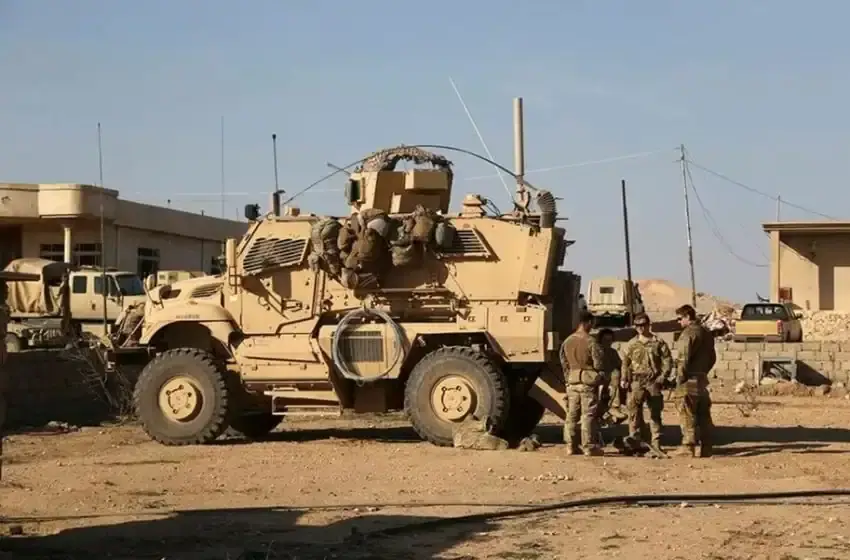
Iraq is approaching the close of one of the longest chapters of US military presence on its territory. By 30 September 2026 (19 Rabi' al-Akhir 1448 AH), the military mission of the US-led international coalition against the Islamic State in Iraq is due to formally end, following a process of withdrawal and handover of military sites carried out in stages under the understanding reached by Baghdad and Washington in 2024. The Iraqi government has confirmed that the date is "final and fixed," while Washington has affirmed its commitment to completing the transition on the same date.
Strictly speaking, the step does not mean a severing of military and security relations between the United States and Iraq. Rather, it marks the end of the coalition's mission in its current form and the transition to a bilateral security partnership between Baghdad and Washington. This distinction is important, because describing the development as "the end of the American presence in Iraq after more than twenty years" requires this clarification.
From the Invasion of Baghdad to the First Withdrawal
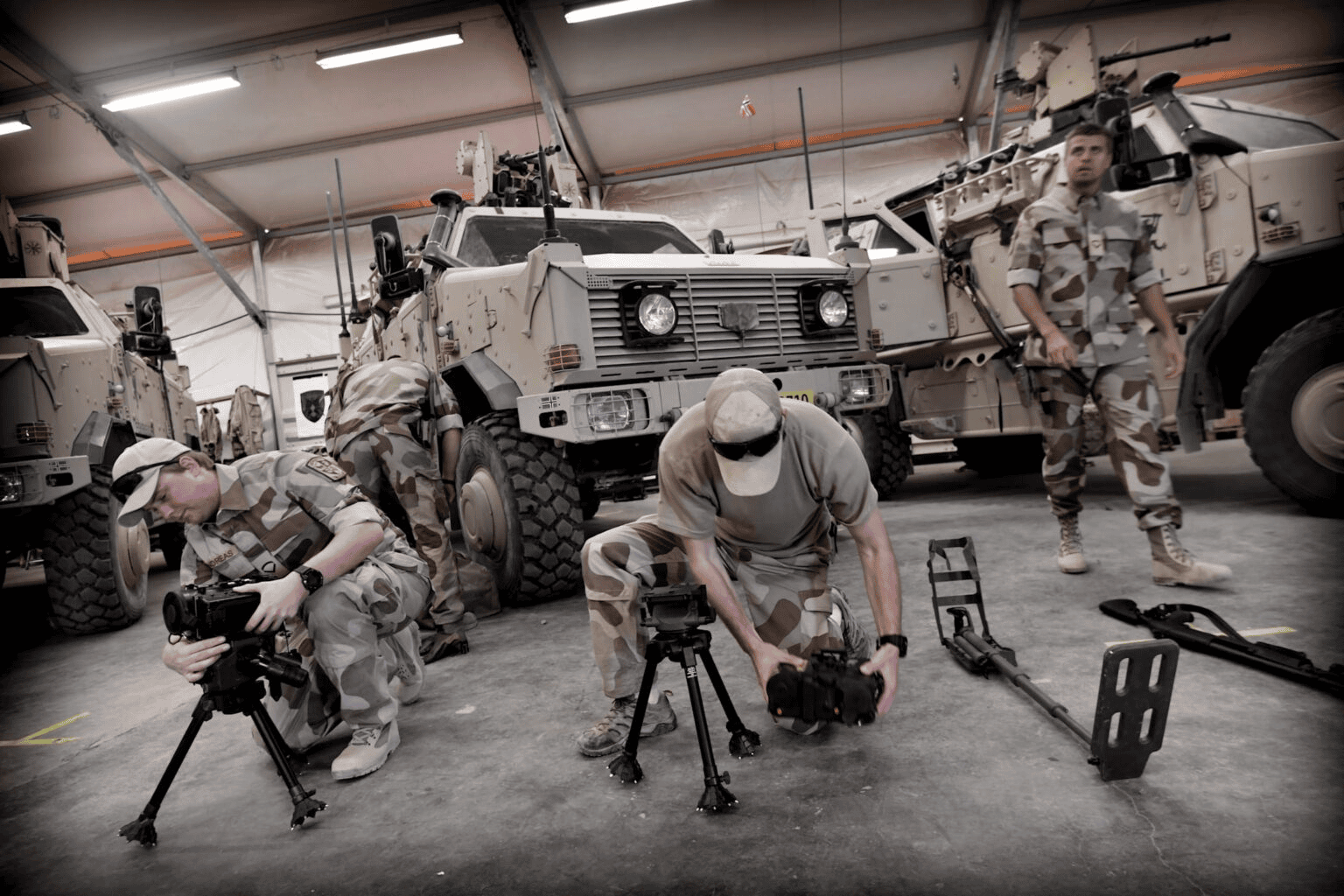
The largest phase of the US military presence in Iraq began on 20 March 2003, when the United States and Britain led the invasion of Iraq to topple the regime of Saddam Hussein. Baghdad fell on 9 April, beginning a period of occupation and a prolonged armed conflict that transformed the structure of the Iraqi state and the political and security balances in the region.
At the peak of military operations in 2007, the number of US forces in Iraq reached more than 170,000 troops. After years of war, armed insurgency and sectarian violence, the main US combat forces withdrew in December 2011.
But the withdrawal was not the end of the story.
The Islamic State Brings US Forces Back to Iraq
In the summer of 2014, the Islamic State swept across large areas of northern and western Iraq and took control of Mosul and other cities and districts, in one of the largest collapses experienced by Iraqi forces after 2003.
The Iraqi government requested international assistance to confront the group, and US forces returned to Iraq. The international coalition against the Islamic State was formed, with dozens of countries participating. It carried out air strikes and provided training, advice and intelligence to Iraqi forces and the Peshmerga.
After the Islamic State lost its extensive territorial control, the coalition's combat operations in Iraq officially ended in 2021, but advisers and supporting forces remained to assist Iraqi forces in confronting the group's cells.
The 2024 Agreement Charts the Path Out
In September 2024, Baghdad and Washington announced a transitional plan to end the coalition's military mission in stages, with a subsequent shift to a bilateral security relationship.
The original concept envisaged ending the coalition's mission inside Iraq, while some Iraqi sites would continue to be used for an additional period to support operations against the Islamic State in Syria. Following later developments, 30 September 2026 became the announced final deadline for ending the coalition's mission and the departure of its remaining forces.
The withdrawal accelerated in recent months. US forces had withdrawn from most bases in areas under direct federal government control, while a coalition presence remained in the Kurdistan Region before the final phase of the withdrawal began. In August, the last German forces left Erbil, in parallel with movements to transfer US equipment and forces out of the region.
In January 2026, the Iraqi Higher Military Committee announced the completion of the evacuation of all bases and military headquarters in federal areas of coalition advisers.
Days before the final deadline, the file saw another symbolic step, with the signing of an agreement to hand over the diplomatic support site adjacent to Baghdad International Airport to the Iraqi government.
What Will Happen After 30 September?
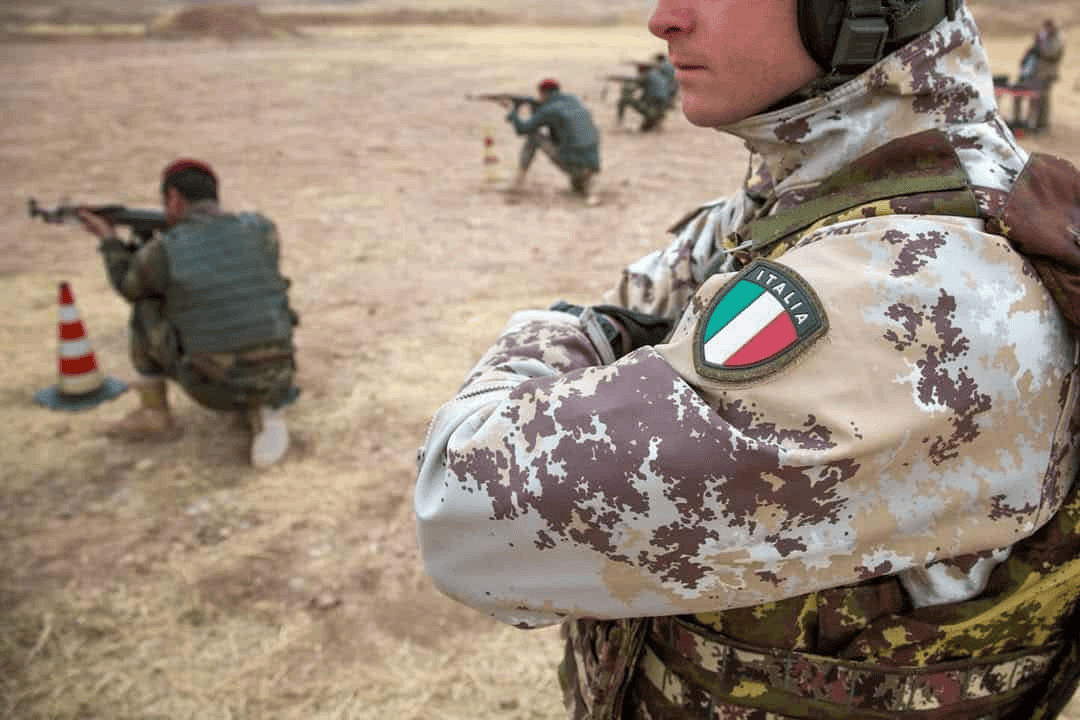
This is the most important point in reading this development.
The end of the international coalition's mission does not necessarily mean the end of US–Iraqi military cooperation. Baghdad and Washington have agreed to move from a multinational coalition framework to more conventional bilateral security relations, which could include training, intelligence cooperation, armament and security coordination under agreements between the two countries.
Nor does the end of the coalition's mission mean the end of the threat posed by the Islamic State. Washington has affirmed that Iraqi security forces and the Peshmerga will assume primary responsibility for countering the group within Iraq after the international mission ends.
The Iraqi government says its forces are now capable of taking on this task, and presents the end of the coalition's presence as a transition to a phase in which security and military responsibility rests with the Iraqi state.
Another File Awaiting Baghdad: Weapons Outside the State
The departure of coalition forces coincides with a more complex domestic test concerning Iran-backed armed factions.
The Iraqi government has also set 30 September as a target date for placing weapons under state control, but some armed factions have opposed giving up their weapons and have demanded guarantees of a lasting US withdrawal and the end of other forms of US influence. Reuters reported this month that the government faces difficulty implementing its plan due to resistance from a number of powerful armed groups linked to Iran.
Thus, the end of the coalition's mission removes one of the most prominent justifications these groups have used for keeping their weapons outside official institutions, but it simultaneously places the Iraqi government before a harder question: can the state enforce its monopoly on weapons after foreign forces have departed?
More Than Two Decades of US Military Presence
From the 2003 invasion, to the 2011 withdrawal, to the return in 2014 to fight the Islamic State, and up to the end of the coalition's mission in September 2026, the US military presence in Iraq has passed through phases that differ markedly.
For this reason, what is happening today is not a "US withdrawal" in the same sense Iraq witnessed in 2011, nor a security rupture between Baghdad and Washington.
It is the end of the military framework that brought US forces and their allies back to Iraq to fight the Islamic State in 2014, and the transition to a new form of bilateral security relations.
After more than two decades since the first invasion, the next test is primarily an Iraqi one: the ability of Iraqi forces to prevent the return of the Islamic State, control borders, place weapons under the authority of official institutions, and manage external security relations without reproducing a large foreign military presence on Iraqi territory.


