


A court in the Thai capital Bangkok has sentenced two men from the Chinese Uyghur minority to death after convicting them of responsibility for the bombing that targeted the well-known Erawan Shrine in 2015.
The court convicted Yusufu Mireili and Bilal Muhammad of premeditated murder and attempted murder, finding that they took part in carrying out the attack, which took place on 17 August 2015 and targeted the Erawan Shrine, located in the heart of Bangkok, a religious and tourist site that attracts large numbers of local and foreign visitors.
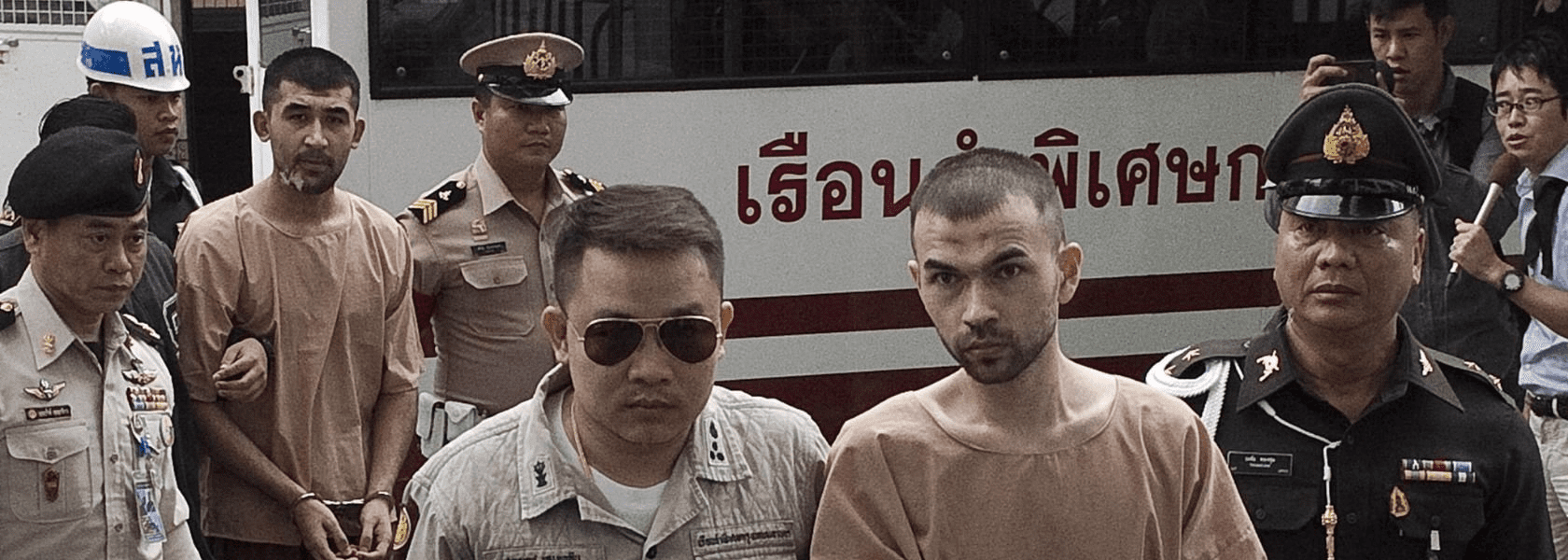
The bombing killed 20 people and injured more than 120 others, including foreign tourists from several Asian countries, which at the time caused widespread shock within Thailand and abroad, and prompted the authorities to launch one of the largest security investigations in the country's history.
The court said that evidence and witness testimony proved the defendants' involvement in the attack, noting that the crime caused heavy loss of life and targeted innocent civilians, which required the maximum penalties provided for under Thai law.
For their part, the two defendants completely denied the charges against them and announced their intention to appeal the verdict. The defence team said the court had not taken into account a number of objections relating to the conduct of the investigations and the conditions of the defendants' detention, and affirmed that the case would move to the stages of judicial appeal.
The trial lasted more than ten years due to the complexity of the case, the large number of witnesses and legal procedures, in addition to delays the courts experienced during the COVID-19 pandemic. The authorities also faced difficulties in providing suitable interpreters for the defendants during the various stages of the trial.
Security reports linked the attack to the decision by Thai authorities in 2015 to deport more than one hundred Uyghurs to China, a step that drew international criticism at the time. However, no group or organisation officially claimed responsibility for the bombing.
Meanwhile, the verdicts drew criticism from international human rights organisations, which considered that the trial showed violations of international standards of justice, pointing to the length of the defendants' detention before the verdict was issued and to allegations that they were subjected to ill-treatment during the investigations.
China welcomed the verdict issued by the Thai court, and described the perpetrators of the attack as having committed a horrific crime against civilians, affirming its support for the legal measures taken by the Thai authorities in the case.
The case remains one of the most controversial security files in Thailand, not only because of the scale of the human losses caused by the attack, but also because of its connection to the Uyghur issue, the sensitive relations between Thailand and China, and human rights concerns relating to the Muslim minority in the Xinjiang region, East Turkistan, under occupation.


