

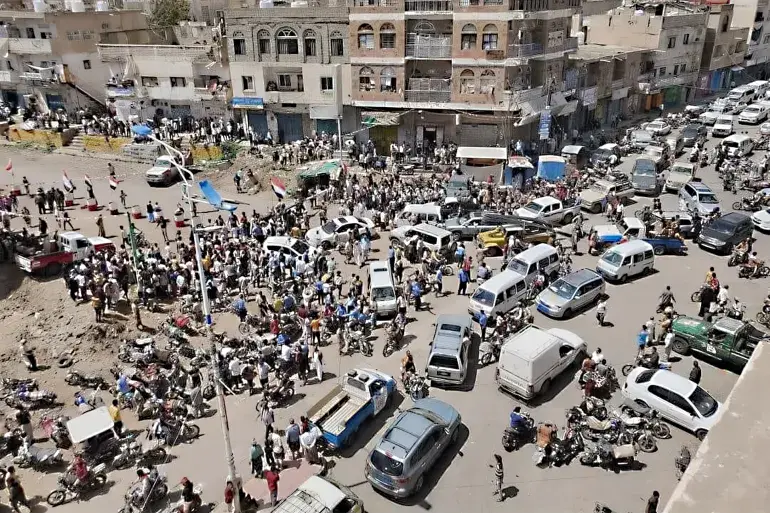
The Taiz Human Rights Center documented the arbitrary detention and abduction of (525) civilians at points and checkpoints run by the Houthi militia along the road linking Al-Dhabab, Al-Turba and Hayjat Al-Abd, south and west of Taiz Governorate, on Saturday, 14 November 2026. The campaign included searching mobile phones, interrogation under threat of weapons, coercion into signing pledges and recording filmed statements, and the abduction of dozens of civilians to unknown places of detention.
The Center compiled this tally based on field information, reports from victims and their relatives, and testimonies published in open sources. Some cases were verified individually, while other figures were included in collective reports for which individual verification of all the cases they contain has not been completed.
The tally is limited to incidents that took place on Saturday, 14 November 2026 only. Documentation is ongoing, and efforts to follow the fate of the abducted continue.
The tally is divided into three separate categories totalling (525) civilians:
- (240) citizens who were held for hours, interrogated under threat of weapons, had their mobile phones searched, and some of whom were forced to make filmed statements praising Houthi fighters and declaring loyalty and obedience to the militia's leader before being released.
- (176) citizens who were held for about half a day and subjected to the same arbitrary procedures, in addition to being forced to sign what is called an "return form" which, according to information received by the Center, contains conditions that restrict their freedom, violate their dignity and oblige them to work as informants for the militia.
- (109) civilians who were detained and interrogated, then abducted and taken to unknown places of detention, with their families prevented from reaching them.
According to information and testimonies received by the Center, Houthi gunmen at the checkpoints and security points in Al-Dhabab, the Jabal Habashi junction, Al-Bayrain and Al-Quraisha relied on checking personal identity cards and identification documents, asking citizens and travellers about their areas of residence and the places they had come from, and treating arrival from the temporary capital Aden or from Marib Governorate as grounds for detention, leading in some cases included in the tally to abduction.
Information also indicated that stops and interrogations focused on people from the Jabal Sabr areas, as well as media workers, activists and human rights defenders, and that travellers were forced to open their mobile phones and have their photos, messages and WhatsApp groups searched, with photos they keep or their membership in groups used as pretexts for arrest, interrogation and detention.
These practices reveal the use of identity, geographic origin, the place of arrival and presumed positions as criteria for suspecting civilians and depriving them of their liberty, turning road checkpoints into sites of interrogation, coercion and privacy violations, such that the journey in search of treatment, work or return to family is fraught with the risk of detention and abduction.
Among the notable cases documented by the Center is the abduction by the Houthi militia of four drivers of "Sawalin" passenger transport vehicles at the Hangar point, three of them from Jabal Habashi District and the fourth from Al-Masrakh District, and their being taken along with their vehicles to an unknown destination. This incident reflects the extension of the campaign to transport workers, threatening their safety and livelihoods and increasing the dangers of travel for civilians.
The effects of the campaign were not limited to detainees and the abducted. The search and stop procedures led to congestion of vehicles and delays of travellers and patients for many hours, compounding the suffering of those in need of medical care, placing additional burdens on families, and making movement dependent on fear of detention, phone searches and coercion into displaying loyalty.
This campaign by the Houthi militia falls within a growing tightening at checkpoints and entrances to the districts of the southern and western countryside of Taiz Governorate, turning them into tools for sorting, targeting and depriving civilians of their liberty and violating their dignity.


