

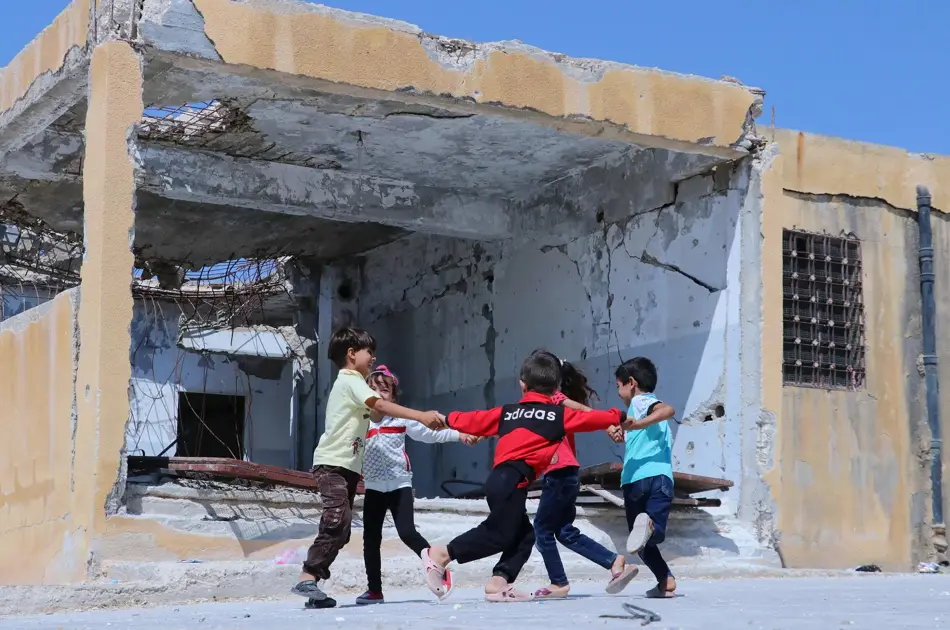
The Syrian government is studying an amendment to the Nationality Law issued in 1969, which would allow citizenship to be granted to children of Syrian women married to non-Syrians under specific conditions, as part of efforts to address the legal and humanitarian situations left by years of war, and to end the suffering of children who lack official documents or face the risk of statelessness.
The proposal is particularly significant given the thousands of families formed during the years of the Syrian revolution, including families of migrants (foreign fighters) who joined factions opposed to the Assad regime and married Syrian women, as well as marriages to citizens of Arab and other countries.
Government move to address the effects of war
Syria's Minister of Social Affairs and Labour, Hind Qabawat, announced during her participation in an event at the United Nations headquarters in Geneva, on 4 November 2026, a proposal to amend the Syrian Nationality Law so that citizenship may be granted to children of Syrian mothers married to non-Syrians, within defined controls.
In a clarifying statement issued on 8 November, carried by Al-Thawra newspaper, the ministry explained that the government recognises the scale of the humanitarian suffering of children deprived of legal identity, among them:
- Children of detainees whose fathers' fate remains unknown.
- Children of detained women who were unable to document their marriages or register births.
- Children of displaced women who faced obstacles in registering their children with civil registry offices in areas previously under the control of the former regime.
- Children of deceased and missing fighters, whether Syrian or of other nationalities.
The ministry said the proposal was discussed within a committee formed under Decision No. 556, issued by the General Secretariat of the Presidency of the Republic on 29 April 2026, chaired by the Deputy Minister of Interior, with membership from several ministries and state institutions.
It stressed that the proposal requires approval by the People's Assembly and completion of the necessary legislative procedures before it can take effect.
A law dating back to 1969
Legislative Decree No. 276 of 1969 governs provisions of Syrian nationality, and is based primarily on the transmission of nationality from father to children, whether they are born inside or outside the country.
The law does not generally grant Syrian mothers the same right, but provides for exceptional cases, including the birth of a child inside Syria to a Syrian mother when paternity is not legally established, in addition to other provisions aimed at reducing statelessness.
The war, and the displacement, forced migration, loss of documents and difficulty of registering marriage contracts and births that accompanied it, have compounded the problems linked to the application of the law.
These problems are not limited to children of non-Syrian fathers; they also include children of Syrian fathers whose marriages could not be proven or whose children's births could not be registered.
Children of migrants who took part in the Syrian revolution
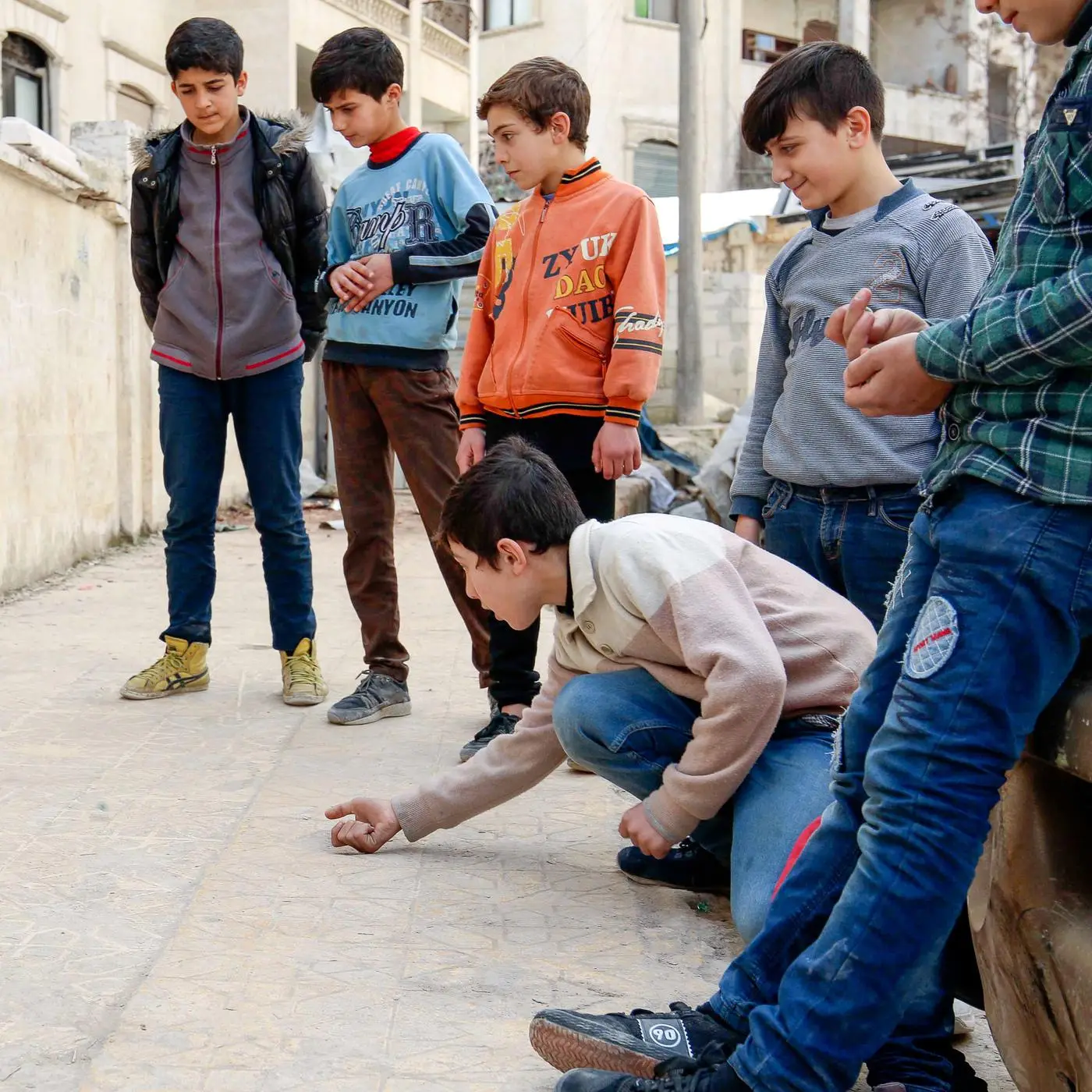

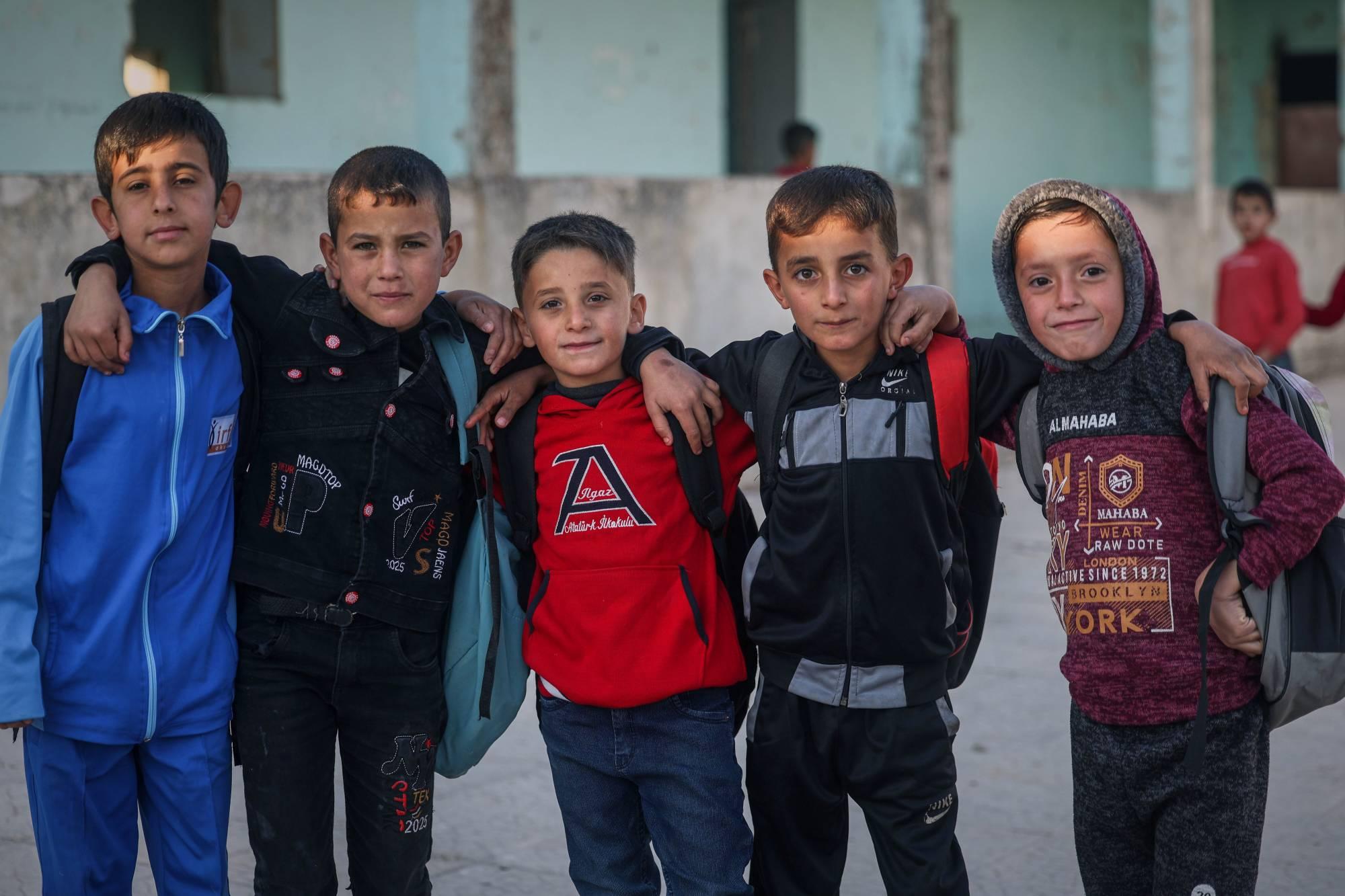


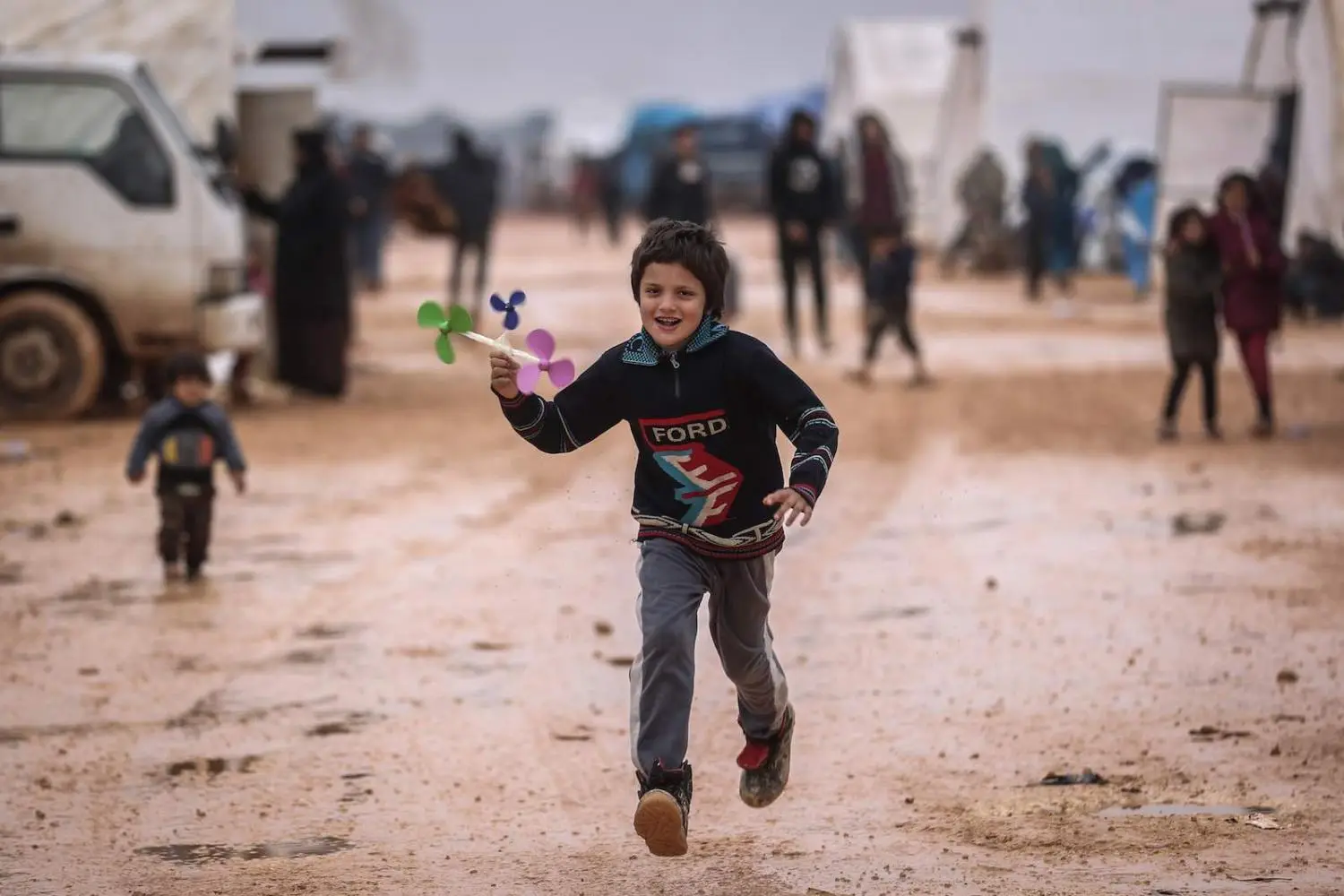
Children of migrants who joined factions opposed to the Assad regime represent one of the groups that may benefit from the anticipated amendment, if they meet the legal conditions.
The Associated Press, in a report published on 19 November 2026 (apnews.com), highlighted the situation of those known as "foreign fighters" who remained in Syria after the fall of the Assad regime, among them Uyghurs from East Turkestan, Uzbeks, Chechens and Dagestanis, alongside fighters from Arab and Western countries.
The agency noted that thousands of children of these fighters face statelessness, at a time when the Syrian government is working to integrate groups of migrants into its armed forces.
Settling the legal status of children of these families becomes all the more important in cases where the father died or went missing during the war, or where the necessary documents cannot be obtained from his country of origin.
However, the inclusion of these groups in the proposed amendment remains conditional on the requirements that the final version of the law will set.
An issue beyond the migrant file
The scope of the proposal does not only cover families formed under the conditions of war; it also concerns the status of children of Syrian women married to citizens of other countries, a legal and social issue dating back decades, before the outbreak of the Syrian revolution.
Agence France-Presse, in a report published on 26 November, cited lawyers and human rights activists as estimating that the main beneficiaries of the amendment would be children of Syrian women married to Arab citizens, including Palestinians, Jordanians and Iraqis, in addition to women married to non-Arab foreigners.
The Minister of Social Affairs and Labour also addressed the legal status of children of members of the "Islamic State" organisation, stressing the need not to hold children responsible for the actions of their fathers.
Thousands of children lack official documents
The UN-mandated Independent International Commission of Inquiry on the Syrian Arab Republic warned that hundreds of children, and possibly thousands, born to Syrian mothers and fathers who were migrants, face difficulties in proving their legal identity and are threatened with statelessness.
The commission did not specify the total number of affected children, but noted that 8,837 Syrian children whose births had not previously been registered obtained birth certificates during 2025.
The commission called on the Syrian authorities to reform the nationality law and consider adopting interim measures allowing Syrian mothers to register their children until procedures to establish the father's identity are completed.
The absence of official documents presents an obstacle to children obtaining a number of basic services, and may hinder their enrolment in schools, their access to health services and the completion of their civil transactions in the future.
Proposed conditions and questions about implementation
According to statements the minister made to Syrian media, the conditions under discussion include that the mother be Syrian by origin rather than by naturalisation, that the marriage be officially registered, that the applicant not have been convicted of crimes, in addition to completing the required documents and obtaining the approval of the competent authorities.
These conditions raise questions about the fate of families who were unable to register their marriage during the war years, or who lost the documents needed to prove the father's identity and the children's lineage.
Granting nationality also does not necessarily mean that it is acquired automatically; it may be subject to procedures and conditions set by the competent authorities, as the Syrian legislator will determine.
The final version of the proposal has not yet been published, and no specific date has been announced for its approval or entry into force.
Addressing the legacy of war and building stability
Settling the legal status of children born during the years of the revolution and war is one of the important issues in the process of rebuilding the institutions of the Syrian state and restoring the normal functioning of civil life.
The issue does not concern granting nationality alone; it also includes documenting marriage, establishing lineage, registering births and protecting children's rights, which are distinct legal matters requiring solutions that take into account the exceptional circumstances the country has gone through.
The challenge for the Syrian authorities remains protecting children from marginalisation and statelessness, and ensuring that they do not bear the consequences of circumstances over which they had no choice.


