


The Sudanese-Chadian border is witnessing a sharp rise in the number of refugees fleeing the war in Sudan, amid harrowing testimonies from women and girls about civilians being abducted, sexually assaulted and raped during their escape. Meanwhile, reception areas in eastern Chad face mounting pressure and acute shortages of water, shelter and basic services.
According to the United Nations High Commissioner for Refugees, the rate of Sudanese crossing into eastern Chad rose roughly twentyfold within a single week, reaching more than 400 people per day through the Adré and Tiné border crossings.
The UNHCR links the new wave of displacement to escalating clashes, airstrikes and drone attacks in Darfur, Kordofan and Blue Nile, regions that have seen a recent military escalation pushing more civilians to seek safety outside the country.
Nearly one million Sudanese have fled to Chad
The figures show the scale of the pressure now facing Chad. The number of Sudanese refugees who reached the country in 2026 alone exceeded 55,000, while the total number of people who have crossed into Chad fleeing the war since it broke out in April 2023 is approaching one million.
Yet reaching the border does not mean the refugees' journey was safe.
Women and girls who arrived at border reception centres reported abductions, sexual assaults and rape suffered by civilians while fleeing, according to the UNHCR, which described the deterioration of protection conditions on displacement routes as extremely serious.
Mamadou Diane Baldé, the regional refugee coordinator for the Sudan crisis, said the testimonies collected by aid workers from new arrivals reveal the catastrophic human cost of the war, noting that priority is being given to providing medical and psychological services and protection services for survivors of gender-based violence.
Thousands of refugees stranded at the border
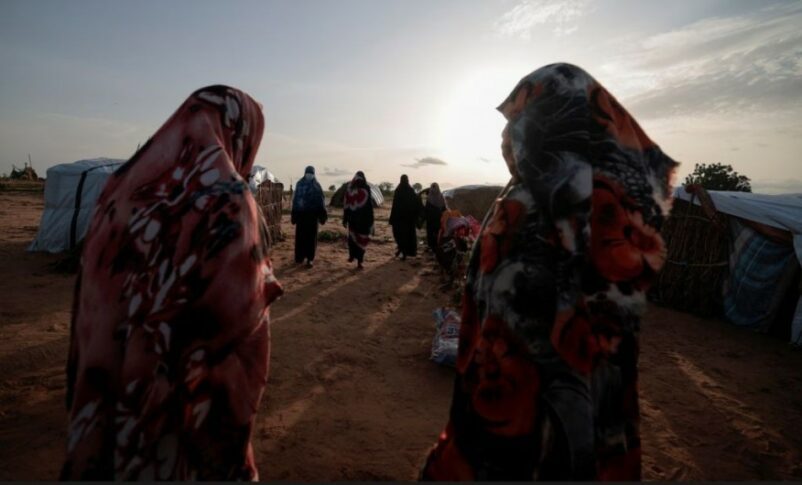
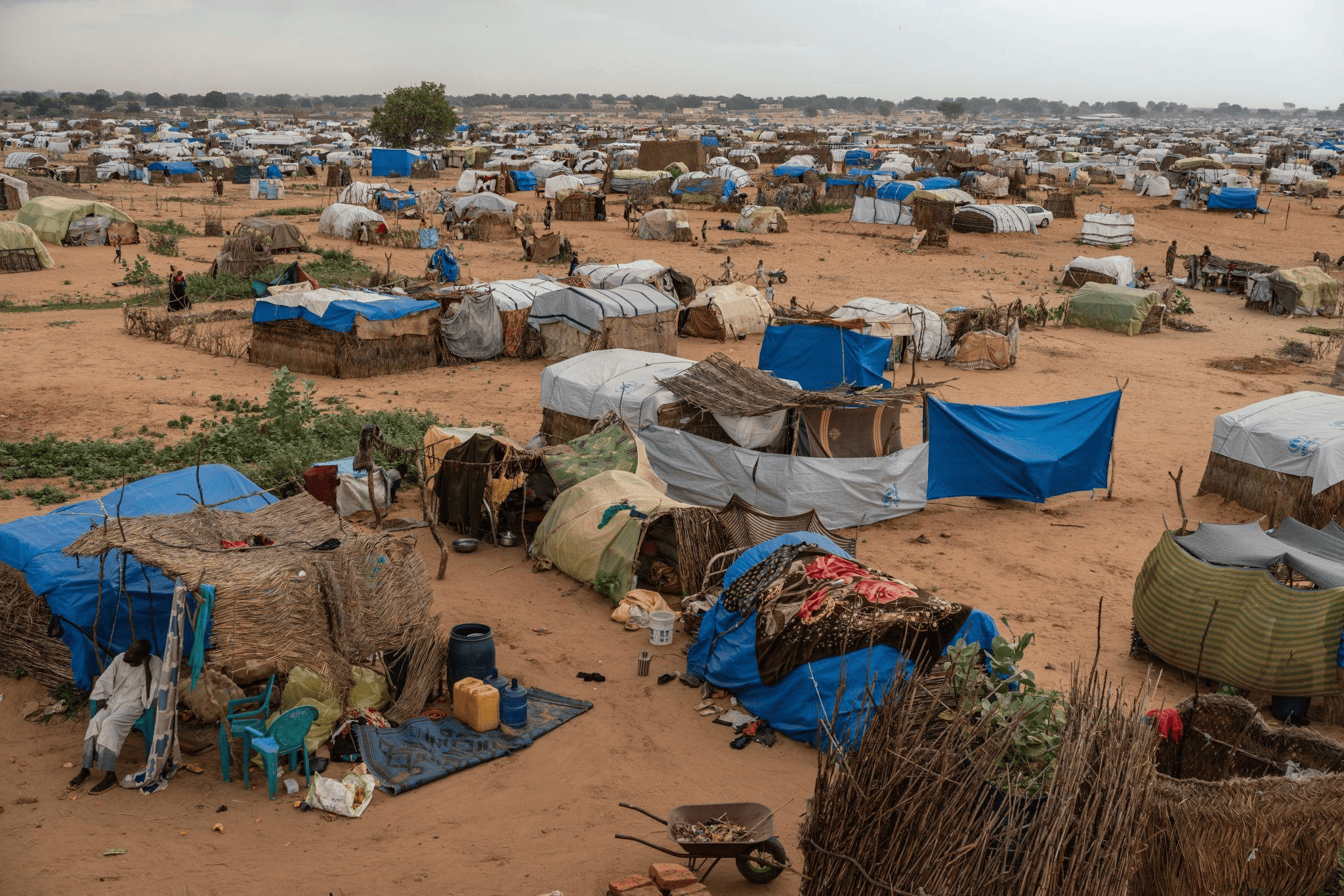
The crisis does not stop at the abuses faced by those fleeing; the already limited infrastructure in Chad's border areas is unable to absorb the growing numbers.
In Tiné, a temporary transit centre is hosting more than 4,300 people, although it was established primarily to receive refugees for short periods, leading to acute shortages of drinking water, sanitation facilities and safe accommodation, particularly for women and children.
Across eastern Chad, more than 190,000 refugees remain stranded in informal sites awaiting transfer to more suitable areas further inland, while some 31,000 households lack adequate shelter.
The situation is worsening with the water crisis; most refugees in these areas receive less than half the internationally recognised minimum daily amount of water.
11.3 million Sudanese uprooted by the war
The scene on the Chadian border is only part of a wider displacement crisis inside and outside Sudan.
The war between the Sudanese Armed Forces and the Rapid Support Forces has displaced some 11.3 million people, including about 6.4 million internally displaced within Sudan and 3.5 million people who have crossed borders into other countries, making the Sudanese crisis one of the largest displacement crises in the world.
The United Nations warns that the deterioration of protection conditions and the shortage of aid in first countries of asylum threaten not only the lives of refugees there but also push some of them to continue their displacement journey toward Europe.
According to Baldé, the number of Sudanese who arrived in Europe by sea rose from 4,094 people in 2024 to 14,104 people in 2025, an increase of approximately 245%.
A worsening crisis with less than 20% funding
These developments come at a time when the humanitarian response is suffering a large funding gap. The United Nations regional refugee response plan for 2026, valued at $1.6 billion, has received only about 20% of the required funding.
With fighting continuing inside Sudan and the number of people fleeing rising daily, Chad, already one of the largest host countries for Sudanese refugees, faces growing challenges in providing the most basic needs for tens of thousands of new arrivals.
Most alarming is that the crisis is no longer limited to fleeing combat. Testimonies reaching reception centres paint a picture of a displacement journey in which the route itself becomes a source of danger, particularly for women and girls, between abduction, sexual violence and deprivation of water and shelter, before reaching a border behind which sufficient resources to receive the accelerating wave of displacement are not yet available.


