


Sudan is currently facing one of the world's deepest and most complex humanitarian crises, as the ongoing conflict between the Sudanese Armed Forces and the Rapid Support Forces enters its fourth year.
This conflict, which began in April 2023 (Ramadan 1444 AH), has not only caused massive destruction to infrastructure, but has also led to an unprecedented wave of grave violations against the Sudanese people, who are predominantly Muslim, committed at a horrifying pace and targeting unarmed civilians.
The depth of the humanitarian catastrophe: figures that speak for themselves
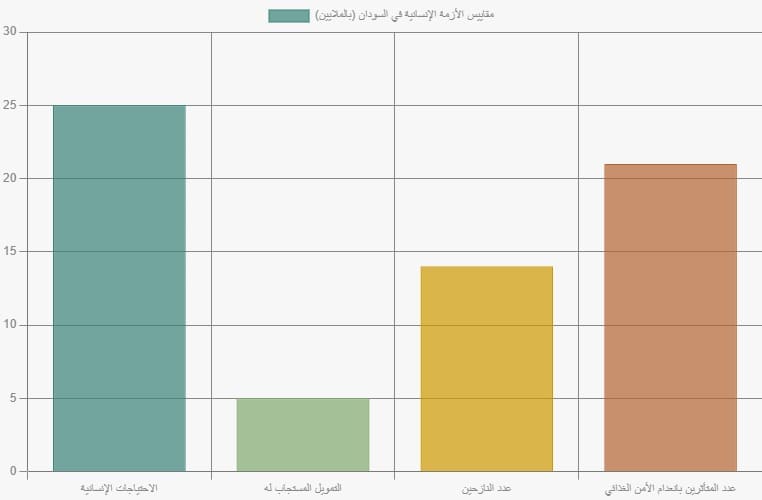
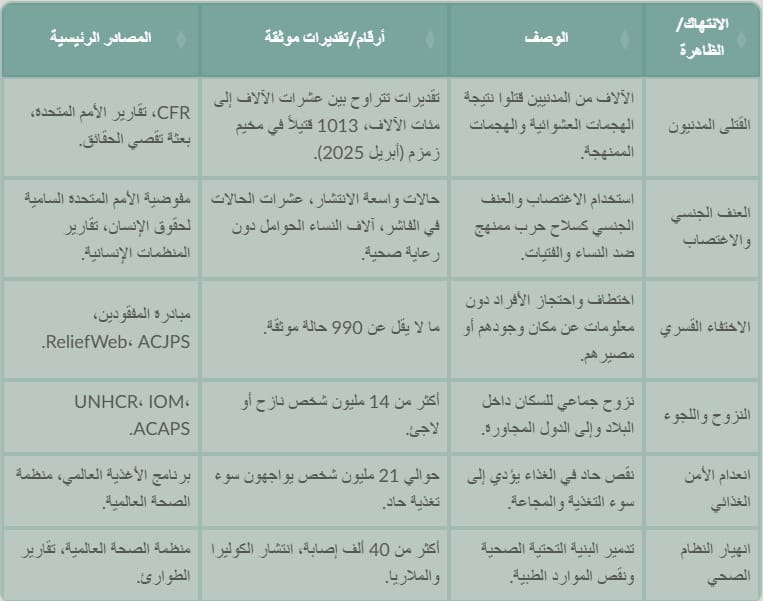
Figures and data issued by international organisations reveal the scale of the humanitarian catastrophe in Sudan. More than 14 million people have been displaced internally or across borders, making it the largest displacement crisis in the world. In addition, nearly 21 million people face acute malnutrition, a figure that includes millions of children, pregnant women and nursing mothers, pointing to an imminent food crisis that could turn into widespread famine in many areas.
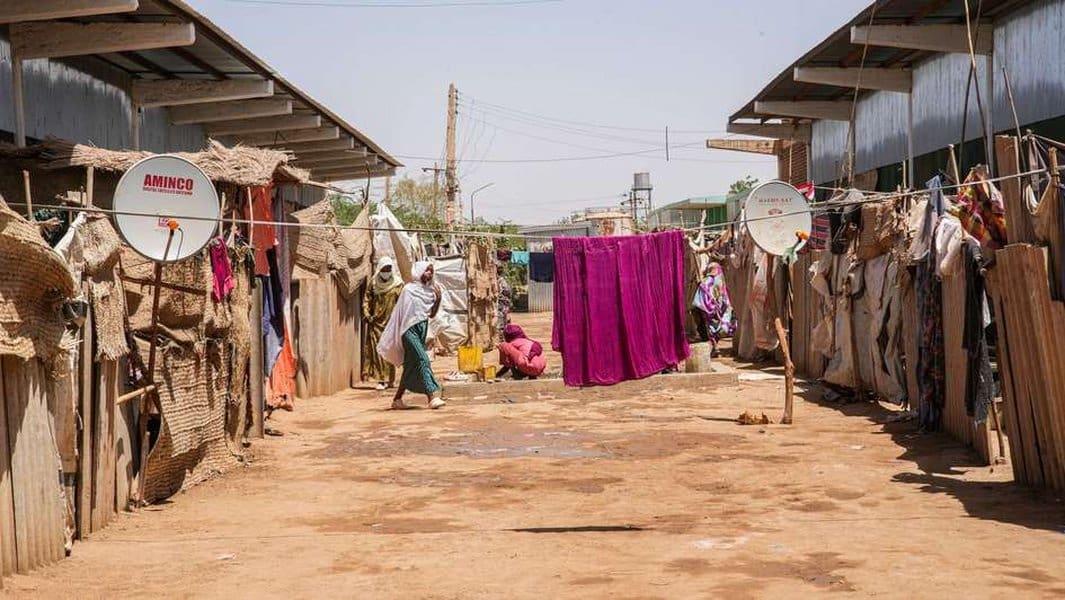
The collapse of essential services, particularly healthcare, has led to the spread of deadly diseases such as cholera, yellow fever and malaria. Hospitals and clinics suffer from acute shortages of medicines, medical supplies and personnel, making access to healthcare nearly impossible for many people, especially in conflict areas.
Mass killing and atrocities against civilians
Multiple reports point to the commission of war crimes and crimes against humanity on a wide scale, with warring forces directly and indiscriminately targeting civilians.
This incident is just one example among many attacks documented by the United Nations and human rights organisations, which show a clear pattern of systematic targeting of ethnic communities, particularly non-Arab ones, in areas such as Darfur.
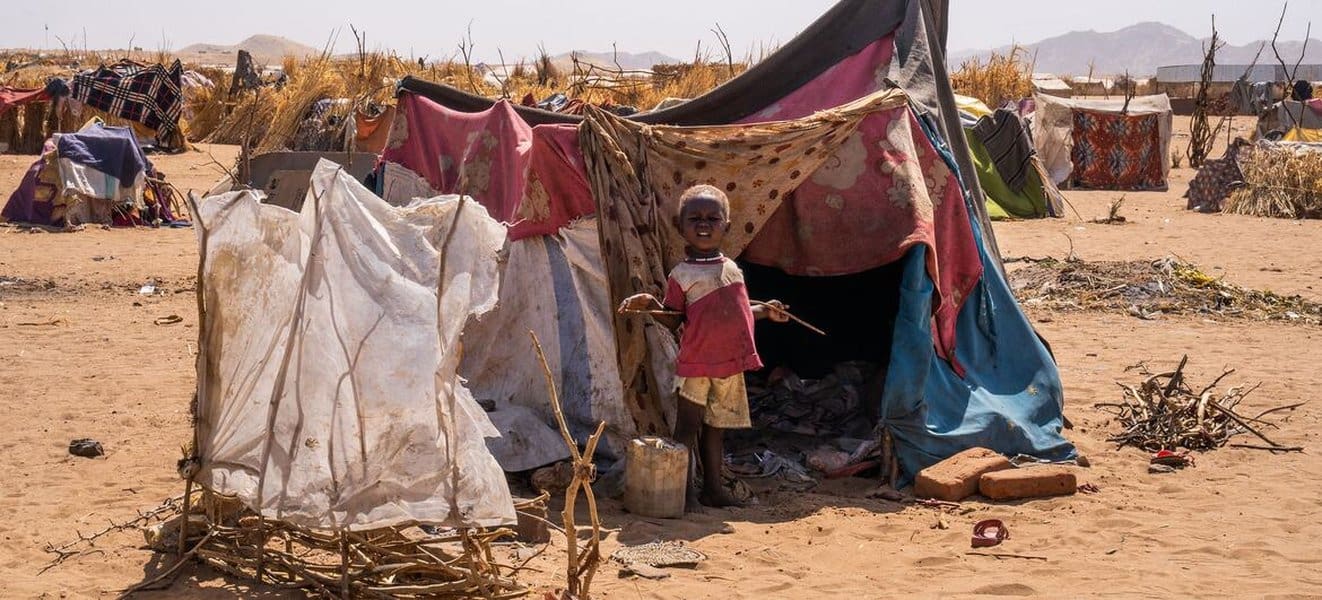
Bloody testimonies from El Fasher
The city of El Fasher in North Darfur has been the scene of mass killings and deliberate targeting of civilians. UN experts expressed their shock at reports of widespread atrocities there, including mass killings and systematic sexual violence.
These events, in addition to those that took place in Zamzam, bear "indications of genocide", which requires an urgent international investigation and accountability for the perpetrators.
Rape and sexual violence: a systematic weapon of war
Sexual violence, particularly rape, is used systematically and deliberately as a weapon of war in Sudan, with women and girls targeted in their homes, during displacement, and while searching for food and essential services.
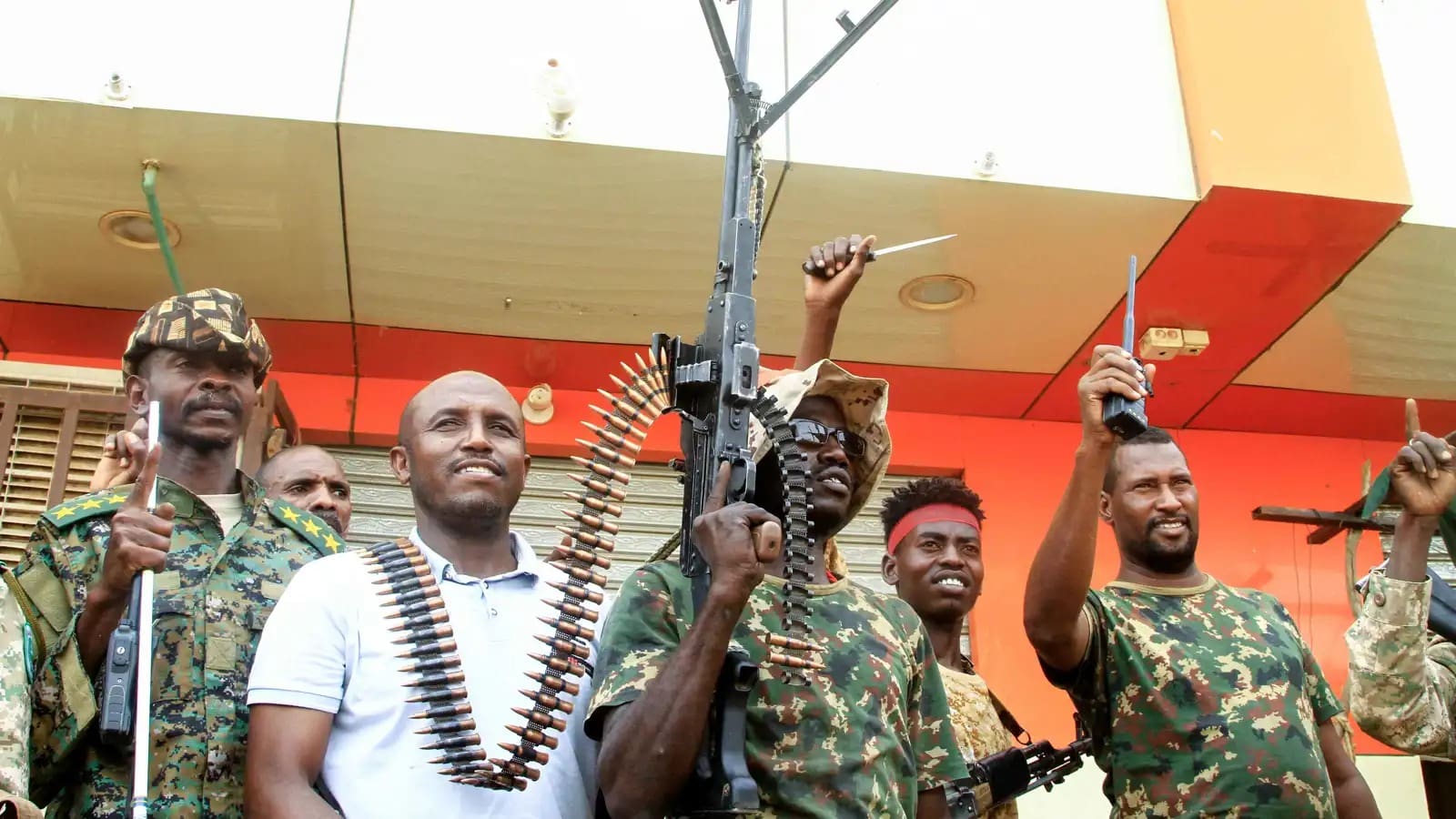
Reports indicate that rape has become a "strong indicator" of hunger, violence and death for women in Sudan.
Pregnant women face multiplied risks, as more than 6,000 pregnant women are without access to medical services, including survivors of rape. This situation threatens not only their lives but also affects the health of their children born in extremely harsh conditions.
Enforced disappearance: a silent crime
Enforced disappearances are a common crime in Sudan, used to control and intimidate the population. Sudanese civil society organisations have documented hundreds of cases in which individuals disappear by force and are often subjected to torture or killing. According to the Sudanese group "Missing Initiative", there are at least 990 documented cases of enforced disappearance in the context of the ongoing conflict, including displaced persons and children.
UN experts warned that arbitrary detention, torture and enforced disappearance are being used by the warring parties as tools to intimidate and control the population. These practices not only violate fundamental human rights but also create an atmosphere of fear and distrust, hindering efforts toward peace and stability in the country.
Comparative analysis of violations in Sudan
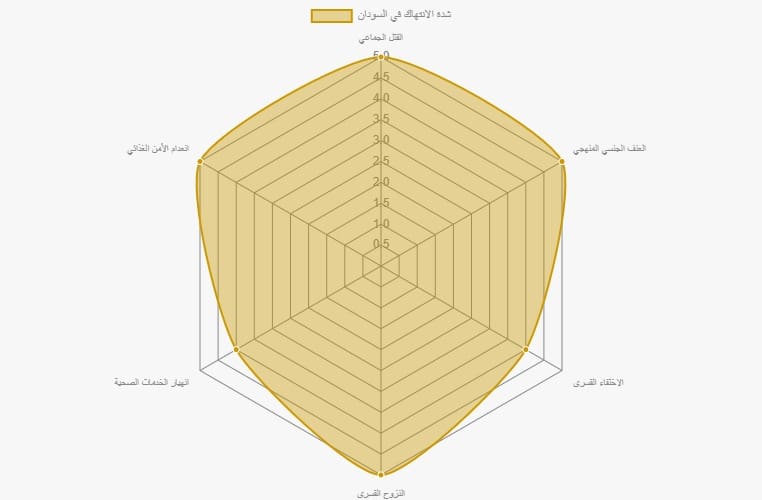
To provide a clearer picture of the scale and impact of violations in Sudan, we have carried out a comparative analysis of several dimensions of this crisis.
The radar chart below presents a hypothetical assessment of the severity of each type of violation on a scale from 1 to 5, where 5 represents the highest degree of severity, based on the available reports.
The devastating economic and social impacts
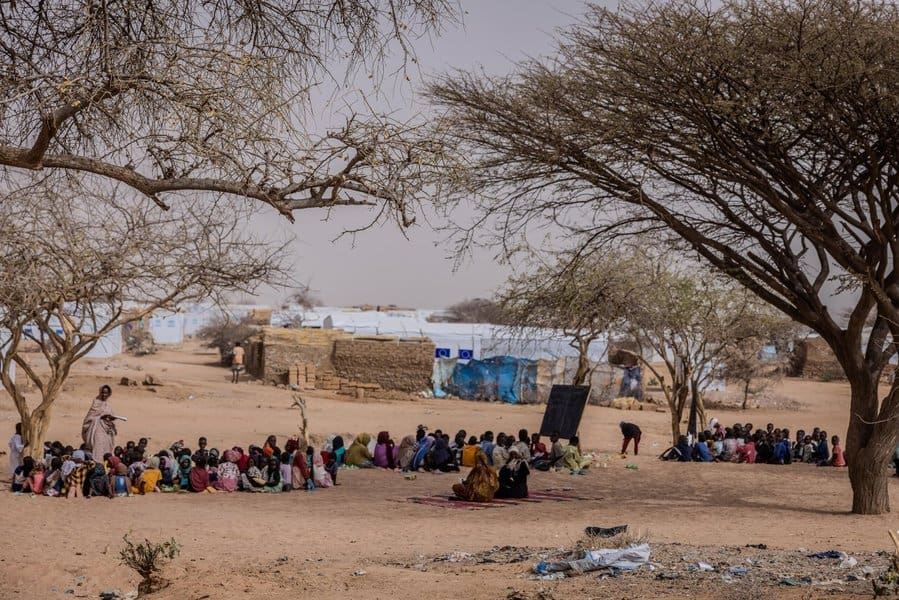
The ongoing conflict has affected not only lives and property but has also destroyed the social and economic fabric of the country. The economic collapse has worsened poverty levels, as a large part of the population depends on humanitarian aid to survive. Agriculture, which is the backbone of the Sudanese economy, has been severely damaged by displacement and destruction, significantly affecting food security.
The impact of war on future generations
With schools closed and millions of children displaced, the future of an entire generation is at risk, as the loss of education means the loss of opportunities, potentially leading to a cycle of poverty and violence that lasts for decades.
International appeals and global failure
Despite repeated appeals from human rights organisations, the international response to the Sudanese crisis remains insufficient.
In a report, the United Nations warned that the international community is failing Sudan, as the resources allocated for the humanitarian response remain far below actual needs. This shortfall in response compounds the suffering of the Sudanese people and contributes to the continuation of the crisis.
Summary of documented violations
The following table summarises the most prominent violations and phenomena associated with the conflict in Sudan, focusing on documented figures and estimates.
Consequences of the war: an in-depth look
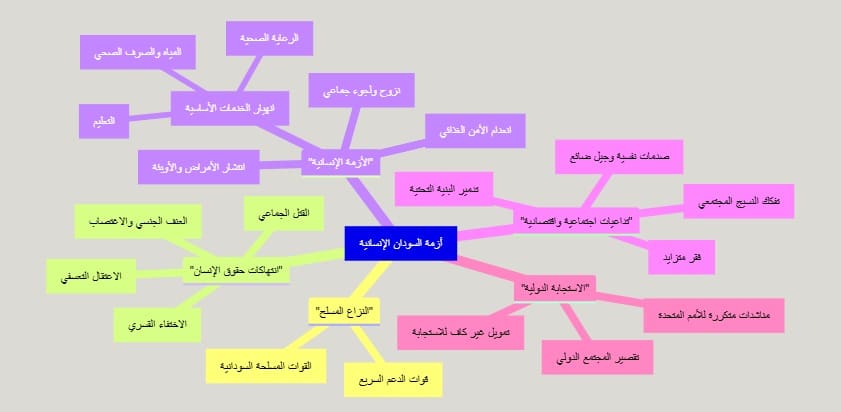
The impact of the war in Sudan goes beyond figures and statistics to include profound consequences for the country's social and cultural fabric. These consequences can be visualised through a mind map showing the interconnection between the main causes and outcomes of the conflict.
A call to action: ending violence and achieving justice
What is happening in Sudan is not merely an armed conflict but a humanitarian catastrophe unfolding before the eyes of the world. This situation requires urgent intervention to end the violence, protect civilians, and provide life-saving humanitarian assistance to millions affected. Accountability for the crimes committed must also be ensured, and perpetrators brought to justice, to break the cycle of impunity.


