


The fallout from the war in Sudan is spreading beyond the fighting fronts, with new signs of worsening crises in food, agriculture, fuel, currency and humanitarian aid, while diplomatic efforts to end the war still face disagreements between the parties over the conditions of a ceasefire and the future of the Rapid Support Forces.
In the latest developments, the Sudanese government allied with the army has decided to extend the opening of the Adre border crossing with Chad until the end of 2026, at a time when pests and drought threaten what remains of the farming season in parts of Darfur, alongside a fuel crisis, a sharp rise in prices, and the Central Bank's continued currency replacement measures.
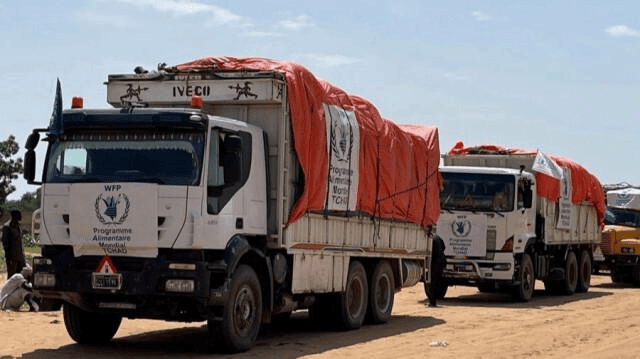
Keeping the Adre lifeline open to Darfur
The Sudanese Ministry of Foreign Affairs announced on Wednesday, 30 September 2026, that the opening of the Adre border crossing between Sudan and Chad would be extended for three additional months, beginning on 1 October and running until 31 December.
The decision allows international organisations to continue delivering humanitarian aid through the crossing to areas affected by the war in Darfur.
Adre is one of the most important routes for delivering food, medicine and humanitarian supplies to millions of people suffering severe levels of food insecurity in Darfur and Kordofan.
The step carries additional significance because the crossing is located in West Darfur State, which is under the control of the Rapid Support Forces, while the government allied with the army makes periodic decisions to extend its opening to allow aid to pass.
The Ministry of Foreign Affairs said the decision confirms the government's commitment to facilitating the delivery of aid to civilians in coordination with the United Nations and international organisations and in accordance with international humanitarian law.
At the same time, the ministry called for completing the technical arrangements and monitoring mechanisms at the crossing, saying the aim is to strengthen oversight and transparency and ensure supplies reach their beneficiaries.
The government had previously reopened the crossing for three months at the end of June, before extending its operation again until the end of the year.
90% of the farming season in Shiaria has failed
Yet the continued entry of aid comes alongside troubling indicators regarding the population's ability to produce its own food.
In Shiaria, in East Darfur State, the local emergency room said that about 90% of the farming season has already failed due to a lack of rainfall.
The remaining part of the season now faces another threat in the form of the spread of agricultural pests.
Farmers said insects have spread across the fields and begun attacking crops of maize, millet, sesame and beans, while the emergency room warned that continued infestation could destroy what remains of agricultural production and threaten the livelihoods of thousands of families.
The room called on humanitarian organisations, relief agencies and agricultural authorities to urgently provide pesticides, spraying equipment and support to farmers.
Farmers told the Darfur24 website that pests can destroy crops within a short period, while noting that rising prices of production inputs make it more difficult to confront the crisis.
According to the report, no comprehensive official response to the emergency room's requests has been issued so far.
The figure of 90% is an estimate issued by the Shiaria local emergency room, not an independent national or United Nations agricultural assessment.
From crop failure to the threat of hunger
The crisis in Shiaria does not stand apart from the conditions in other parts of Darfur.
Weak rainfall during the current season has damaged agricultural and pastoral production in other areas of the region, while families in East Darfur have already been forced to leave their villages after losing their main source of food and income due to the failure of farming.
The war, ongoing since April 2023, makes these crises harder to address, having displaced millions and disrupted markets, health services, agricultural production and trade routes.
The combination of war, drought, agricultural pests and difficulty in delivering aid means that the loss of current harvests will not only affect farmers, but may also affect the availability and prices of food in the coming months.
Fuel crisis in Khartoum and the states
In areas under army control, the government faces another economic crisis in the form of fuel shortages and rising prices.
On Wednesday, Prime Minister Kamil Idris ordered additional quantities of petroleum products to be pumped into fuel stations, after long queues returned to Khartoum and a number of states.
According to prices conveyed by drivers and traders in the market, a gallon of petrol reached about 60,000 Sudanese pounds in the parallel market, compared with about 37,000 pounds at official fuel stations.
Diesel, meanwhile, ranged in price in the parallel market between 65,000 and 70,000 pounds per gallon, against about 45,000 pounds at officially designated stations.
Al-Jazirah and Red Sea states also began applying new increases to official prices as of 1 October.
In Al-Jazirah State, the price of a litre of petrol rose to 8,950 pounds, while Red Sea State raised the price to 7,748 pounds per litre, compared with 7,064 pounds previously.
Economic reports link the fuel crisis to several factors, including the long-term breakdown of the Jili refinery north of Khartoum, a shortage of the foreign currency needed for imports, and rising energy costs.
The crisis comes at a time when the dollar exceeded 8,000 Sudanese pounds in the parallel market in recent days, adding new pressure on the prices of transport, food and basic goods.
Withdrawal of old 500-pound notes
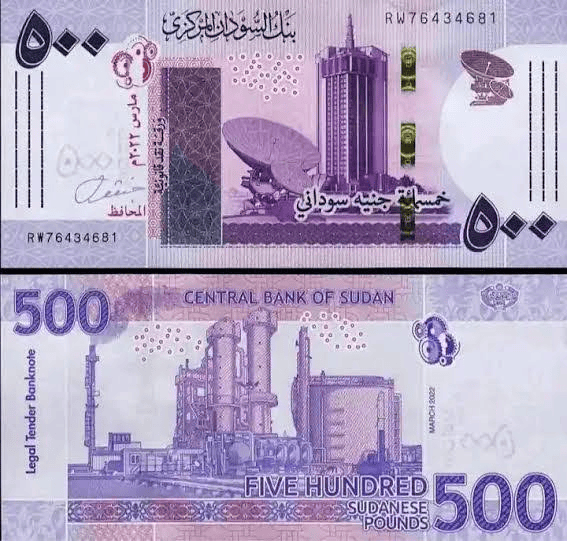
Alongside the fuel crisis and the decline of the currency, the Central Bank of Sudan began, as of 1 October, a new phase of its currency replacement process.
The bank announced the withdrawal from circulation of old versions of the 500 Sudanese pound note printed in 2023 and earlier, over a period of three months.
Under the plan, holders of the targeted notes must deposit them at their face value into accounts at commercial banks before the end of 31 December 2026.
From 1 January 2027, those versions will lose their status as legal tender and can no longer be used in transactions or for settling debts.
The current phase specifically targets Darfur and Kordofan, after the war and security disturbances prevented earlier replacement phases from being carried out there in the same way as in Khartoum, Al-Jazirah and White Nile.
The step is part of a broader process the Central Bank began in December 2024 to replace a number of currency issues, amid the authorities' attempt to regain control of a monetary system severely damaged by the war.
Disagreement over a US proposal to end the war
As the economic and humanitarian crises deepen, diplomatic efforts to halt the fighting still face disagreements over the conditions of any new truce.
A US plan on the table includes a 90-day ceasefire, followed by a political negotiation process.
However, Amjad Farid, a senior adviser to the authorities allied with the Sudanese army, criticised the plan in its current form, telling Reuters that it could push the country toward a Libya-like division model.
Farid said the proposal, from the army camp's point of view, does not adequately address the withdrawal of Rapid Support Forces from cities and civilian areas, and called for any withdrawal to be subject to international monitoring.
This assessment represents the position of an official linked to the authorities allied with the army, not an independent evaluation of the US plan.
The Rapid Support Forces and the Sudanese army have been at war since April 2023, with each side and its allies controlling different areas of the country.
A war beyond the battlefields
The information available in recent hours does not indicate a major, confirmed shift in control of any principal city or town in Darfur, Kordofan, Khartoum, Al-Jazirah or Blue Nile.
But the absence of a major field change does not mean the crisis has calmed.
The current phase reveals another front of the war that is no less dangerous: the ability to deliver food, save the farming season, provide fuel, preserve the value of the currency, and keep essential services running.
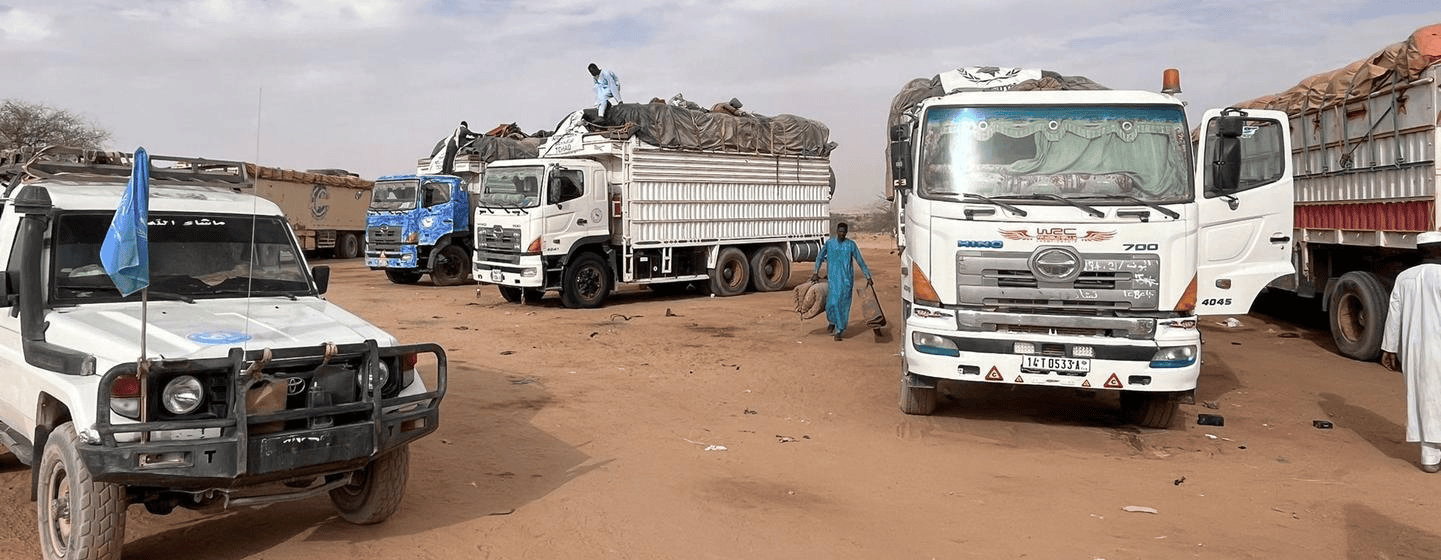
In Darfur in particular, the continued need to keep the Adre crossing open to aid coincides with widespread crop failure in some areas, while millions of families depend directly or indirectly on farming and herding.
With the war entering a new year without a political settlement, its effects now extend from the front lines to the fields, markets, fuel stations, banks and humanitarian aid routes, making the Sudanese crisis at once a military war and a deepening food, economic and displacement crisis.


